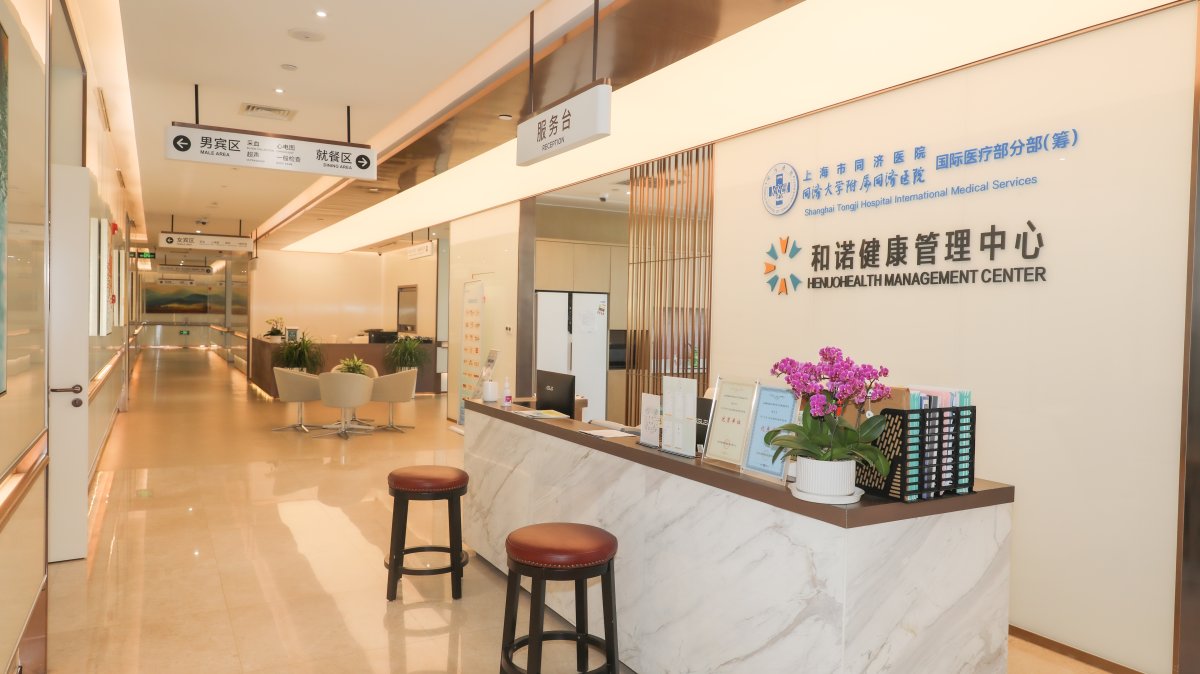
مركز أمراض الدم والعلاج الخلوي Shanghai Tongji Hospital
الصين, Shanghai

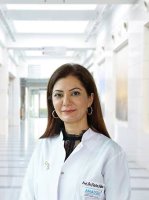
تمت مراجعة المقالة طبيا من قبل
Yesim Yildirim
تتراوح تكلفة علاج الأورام في الصين عادةً ما بين $12,900 و $20,900 لدورة علاجية كاملة. تعتمد النفقات النهائية على مرحلة السرطان، والتقنية المحددة المستخدمة، ومدة الإقامة في المستشفى. وغالبًا ما يجد المرضى الدوليون وفورات تتراوح بين 50-85% مقارنة بالأسعار في الولايات المتحدة.
تكاليف علاج الأورام النموذجية في الصين
تقع مراكز الأورام الرئيسية في بكين وشنغهاي وقوانغتشو. وفي حين أن المرافق في مدن الدرجة الأولى مثل بكين تفرض غالبًا رسومًا أعلى من المستشفيات الإقليمية، إلا أنها توفر إمكانية الوصول إلى موظفين يتحدثون الإنجليزية. استشر أخصائيًا للحصول على سعر دقيق لتشخيصك المحدد.
| الصين | تركيا | إسبانيا | |
|---|---|---|---|
| العلاج الكيميائي | من $18,800 | من $1,800 | من $2,200 |
| العلاج الإشعاعي الموضعي | من $6,000 | من $6,500 | من $8,100 |
| استئصال سرطان الكبد | ≈ $9,500 | من $12,000 | من $24,000 |
| استئصال سرطان القولون | ≈ $9,500 | من $7,500 | من $20,700 |
| استئصال الكلية بالمنظار | ≈ $9,500 | من $8,000 | من $14,000 |
Bookimed لا يضيف رسوماً إضافية على أسعار علاج طب الأورام. الأسعار مأخوذة من قوائم الأسعار الرسمية للعيادات. تدفع مباشرة في العيادة مقابل علاجك عند وصولك إلى البلد.
Bookimed ملتزم بسلامتك. نحن نعمل فقط مع المؤسسات الطبية التي تحافظ على معايير دولية عالية في علاج طب الأورام ولديها التراخيص اللازمة لخدمة المرضى الدوليين في جميع أنحاء العالم.
Bookimed يقدم مساعدة خبراء مجانية. منسق طبي شخصي يدعمك قبل وأثناء وبعد العلاج، ويحل أي مشاكل. لن تكون وحيداً أبداً في رحلة علاج طب الأورام.

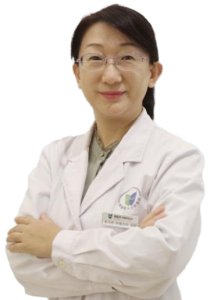
الدكتور لوان تيانيان، MD، رئيس قسم الأورام. استُقدم إلى مقاطعة هاينان ككادر رفيع المستوى. باحث زائر في معهد دانا-فاربر للسرطان (الولايات المتحدة). كما يشغل منصب مدير مكتب البحوث السريرية في مستشفى Bozheng Hengda International Hospital. وهو عضو في اللجان الدائمة لكل من لجنة إدارة البحوث السريرية (جمعية الجنوب للبحوث السريرية في الأورام)، ولجنة العلاج المناعي (جمعية هاينان لمكافحة السرطان)، ولجنة أبحاث الأدوية في مقاطعة هاينان.
لديه أكثر من 20 عامًا من الخبرة في طب الأورام. يقدّم رعاية ف
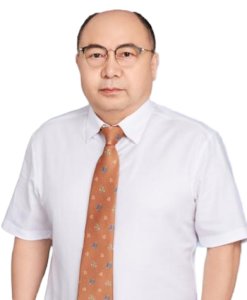
الدكتور تشين بينغلاي خبير في علم المناعة البيولوجية وطبيب (MD). حاصل على دكتوراه في الطب من جامعة وسط جنوب، مع تركيز على علم الوراثة وتكامل الطب الصيني التقليدي مع الطب الغربي. أتمّ تدريباً بعد الدكتوراه في جامعة نيويورك وجامعة بولونيا، وهو أستاذ زائر في مستشفى تشونغشان بجامعة فودان.
منتسب إلى برنامج مواهب بوجيانغ في شنغهاي وبرنامج مواهب 3310 في منطقة يانغبو. يقود مشروعاً ابتكارياً بعنوان "علاج السرطان القائم على تكنولوجيا زراعة الخلايا"، بدعم من برنامج بوجيانغ.
يمتلك سنوات من ا
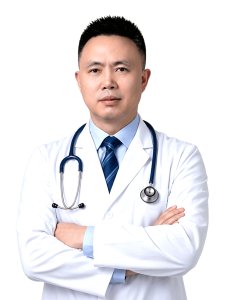
كبير الأطباء وأستاذ. خبير من الدرجة الأولى في مركز السرطان بمستشفى غرب الصين، جامعة سيتشوان (المرتبة الثانية في الصين). أنهى زمالة ما بعد الدكتوراه في الأشعة التداخلية بالمستشفى العام لجيش التحرير الشعبي الصيني. يقود رعاية فريق متعدد التخصصات (MDT) للأورام المعقدة. خبير في طب الأورام التداخلي طفيف التوغل لأورام الكبد والرئة والبنكرياس.
الاعتمادات: عضو مجلس في WATA. عضو في لجان CACA وCMDA للتدخلات، والاستئصال الحراري، والبذور المشعة، وعلاج الألم. في 2023، عضو مجلس مؤسِّس في لجنة الرعاية
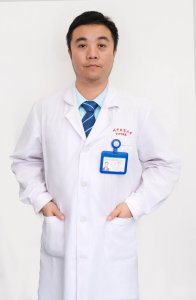
تشانغ يانجون، دكتور في الطب (MD)، طبيب رئيسي ومشرف ماجستير، يمتلك 30 عامًا من الخبرة في تصوير الأورام وطب الأورام الإشعاعي. يعالج الأطفال والبالغين، ويركّز على الأورام الأولية والثانوية وطب الأورام العصبية والعلاج الإشعاعي التجسيمي.
متمرّس في العلاج الإشعاعي لسرطانات الرئة والكبد والبلعوم الأنفي والرأس والعنق والمريء والثدي والمستقيم وعنق الرحم والبروستاتا، وكذلك الأورام اللمفاوية وأورام الجهاز العصبي المركزي.
عضو فريق العلاج الإشعاعي لأورام الجهاز العصبي المركزي باللجنة الثانية

كتب بواسطة Anna Leonova
كتب بواسطة Kateryna Zamkovska
كتب بواسطة Kateryna Zamkovska
كتب بواسطة Kateryna Zamkovska

كتب بواسطة Mariia Mytrofankina
 Anna Leonova
تلتزم مراكز الأورام الصينية بمعايير سلامة صارمة، بما في ذلك اعتماد اللجنة الدولية المشتركة (JCI) وشهادات منظمة معاهد السرطان الأوروبية (OECI). تتمتع المؤسسات الرائدة، مثل مستشفى فودا للسرطان ومستشفى ياندا الدولي، بوضع الفئة (أ) من المستوى الثالث. وهذا يعني أعلى مستوى من جودة الرعاية الطبية في الصين.
رأي خبراء Bookimed: تظهر بياناتنا وجود علاقة واضحة بين عدد المرضى والسلامة المتخصصة. تخدم عيادات مثل مستشفى جينشاتشو أكثر من 680,000 مريض سنويًا. غالبًا ما تستثمر المراكز الكبيرة المزيد في تقنيات العلاج الإشعاعي المعترف بها دوليًا. كما أنها تقدم عادةً خدمات سياحة طبية منظمة ومتعددة اللغات لدعم المرضى الأجانب.
رأي المرضى: يشير المرضى إلى أن أفضل العيادات توفر معدات عالية التقنية ورعاية تمريضية متخصصة. يقدم البعض توفير مترجم لمناقشة المسائل الطبية بالتفصيل، لضمان وضوح جميع مراحل العلاج.
يظهر أطباء الأورام الصينيون خبرة دولية من خلال الانتماءات العالمية المرموقة، والتدريب المتخصص في الغرب، والبحث السريري. يتولى الأخصائيون البارزون أدواراً تنفيذية في منظمات مثل الجمعية الدولية لجراحة التكسير. العديد منهم يشاركون في زمالات في مؤسسات رفيعة المستوى في الولايات المتحدة أو يشاركون في تجارب الأدوية من المرحلتين الأولى إلى الرابعة عالمياً.
رؤية خبير Bookimed: حجم المرضى في الصين يساهم في مستوى فريد من الخبرة الإجرائية. على سبيل المثال، قام الدكتور نيو لي تشي في مستشفى فودا للسرطان بإجراء ما يقرب من 10,000 إجراء تجميد. هذا التعرض السريري الواسع، جنباً إلى جنب مع البيئات المعتمدة من JCI في ياندا الدولية، يضمن أن التدريب الدولي النظري مدعوم بتجربة عملية لا مثيل لها.
إجماع المرضى: يلاحظ المرضى أن أفضل الأطباء يمتلكون معرفة كبيرة والمرافق متطورة تقنياً. إنهم يقدرون القدرة على الوصول إلى العلاجات المتخصصة، مثل التبريد، أثناء الإقامة في غرف تشبه الفنادق الفاخرة.
في الصين، يتم تحقيق معدلات نجاح عالية في علاج سرطان الكبد والرئة والبلعوم الأنفي، خاصة في المراحل 1-3. تبلغ المراكز المتخصصة التي تستخدم الجراحة بالتبريد ونايف النانو عن نتائج مهمة في الحالات المتقدمة. تعود هذه النتائج إلى بروتوكولات متعددة الوسائط تجمع بين العلاج الإشعاعي المعدل الشدة (IMRT) والجراحة طفيفة التوغل.
رأي خبير Bookimed: العيادات التي تستقبل تدفقاً هائلاً من المرضى، مثل مستشفى ياندا الدولي الذي يخدم 2,500,000 مريض سنوياً، غالباً ما توفر النتائج الأكثر استقراراً. تجمع هذه المؤسسات الطبية عالية الكفاءة من «الفئة A III» بين البروتوكولات الدولية والنهج الصيني التقليدي. يساعد هذا التكامل الفريد المرضى على التعامل مع الآثار الجانبية للعلاج بشكل أفضل مما لو تم استخدام الطب التقليدي فقط.
رأي المرضى: يقدر المرضى كثيراً أن الأطباء الصينيين يعطون الأولوية للحفاظ على
يجب على مرضى السرطان الأجانب الذين يدخلون الصين تقديم تاريخ طبي كامل، بما في ذلك تقارير علم الأمراض ونتائج الخزعة. يجب أن تحتوي هذه السجلات على معلومات حول علامات الأورام وتفاصيل حول العلاج الكيميائي أو الإشعاعي. تتطلب معظم المراكز إجراء فحوصات تصويرية، مثل الأشعة المقطعية أو الرنين المغناطيسي أو التصوير المقطعي بالإصدار البوزيتروني (PET)، في غضون الأشهر 1-3 الماضية.
رأي خبير Bookimed: تظهر بياناتنا أن المراكز الكبيرة، مثل مستشفى فودا للسرطان، التي تخدم أكثر من 30,000 مريض أجنبي، غالباً ما تستخدم السجلات الطبية الأولية للتحليل الأولي فقط. غالباً ما تكرر العيادات في قوانغتشو أو بكين التشخيص في الموقع باستخدام تقنياتها الخاصة، مثل NanoKnife أو أنظمة الجراحة بالتبريد. وهذا يضمن توافق خطة العلاج مع البروتوكولات التداخلية المحدودة الخاصة بالمستشفى.
رأي المرضى: يؤكد المرضى أنه على الرغم من ضرورة إحضار جميع الوثائق الطبية من المنزل، إلا أن العديد من المستشفيات الصينية ستظل تطلب صوراً جديدة عند الوصول. ويوصون بترجمة جميع الوثائق بشكل احترافي لتجنب التأخير أثناء الاستشارة
تختلف فترات التعافي بعد علاجات السرطان في الصين اعتماداً على نوع العلاج. غالباً ما يعود المرضى الذين خضعوا لإجراءات طفيفة التوغل، مثل NanoKnife أو الجراحة بالتبريد، إلى ممارسة الأنشطة الخفيفة في غضون 3-7 أيام. بعد التدخل الجراحي، يلزم عادةً من 2-4 أسابيع لاستعادة القدرة على الحركة الأساسية. السفر الدولي آمن بشكل عام بعد 10-14 يوماً من العملية.
رأي خبراء Bookimed: تظهر بيانات المراكز الطبية الكبرى، مثل مستشفى ياندا الدولي ومستشفى فودا للسرطان، تفضيلاً للجمع بين البروتوكولات الدولية والنهج التقليدية. غالباً ما يركز هذا النموذج الهجين على الاستقرار السريع للحالة. غالباً ما يبلغ المرضى الذين يختارون طرق علاج طفيفة التوغل، مثل NanoKnife، عن فترات إقامة أقصر في المستشفى. وهذا يسمح بخروجهم إلى الفنادق المحلية في وقت أبكر مما هو عليه في العمليات الجراحية المفتوحة التقليدية.
رأي المرضى: يشير المرضى إلى أنه من ا
توفر مراكز الأورام المعتمدة من قبل JCI في الصين دعمًا لغويًا منظمًا من خلال أقسام دولية متخصصة ومنسقين متعددي اللغات. تخدم مؤسسات مثل مستشفى فودا للسرطان مرضى من أكثر من 100 دولة. وهي تقدم خدمات ترجمة احترافية وخطط علاج شاملة لغير الناطقين بالصينية. تساعد هذه الخدمات في التغلب على حواجز التواصل أثناء دورات علاج السرطان المعقدة.
رأي خبير Bookimed: تظهر البيانات أن المراكز الطبية الكبرى، مثل مستشفى ياندا الدولي، الذي يخدم 2,500,000 مريض سنويًا، غالبًا ما تتخصص في مناطق معينة. على سبيل المثال، يقدم ياندا المساعدة بشكل أساسي للمرضى الناطقين بالروسية والعربية. إن اختيار عيادة تستقبل بالفعل عددًا كبيرًا من المرضى من منطقتك يضمن ترجمة أكثر موثوقية ووصولاً إلى ثقافة مألوفة.
رأي المرضى: يشير المرضى إلى أنه على الرغم من أن الغرف الخاصة من الدرجة الأولى تتمتع بأجواء فندق خمس نجوم مع طاقم عمل متجاوب، إلا أن التواصل في الأجنحة العامة صعب بدون مترجم شخصي. يعد وجود منسق مخصص أمرًا بالغ الأهمية لفهم التوصيات الطبية
يجب على المرضى تأمين سجلات طبية شاملة باللغة الإنجليزية بما في ذلك شرائح علم الأمراض والصور الشعاعية قبل مغادرة الصين. من الضروري التنسيق مع أخصائي الأورام في بلد الإقامة قبل ذلك بأشهر. يجب عليك التحقق مما إذا كانت الأدوية الموصوفة معتمدة أو متوفرة في بلد الإقامة لضمان استمرار العلاج.
نظرة خبير من بوكيميد: تشير البيانات من مراكز ذات حجم كبير مثل مستشفى ياندا الدولي، الذي يخدم 2,500,000 مريض سنويًا، إلى أن عمليات الانتقال الناجحة تعتمد على ربط البروتوكولات التقليدية والدولية. غالبًا ما يتغافل المرضى عن أن الأطباء الصينيين، مثل الدكتور تشانغ يانجون في مستشفى جينتشاشو، يتعاونون بشكل متكرر مع المؤسسات الأمريكية. طلب الاتصال المباشر بين النظراء من طبيبك الصيني للطبيب في بلد الإقامة يمكن أن يتجاوز 90% من تأخيرات الصيدليات المحلية.
إجماع المرضى: يؤكد المرضى أن الأطباء في بلد الإقامة غالبًا يرفضون إدارة الوصفات الطبية الأجنبية دون تقارير علم الأمراض الكاملة. يقترحون إحضار ملخص ثنائي اللغة لأن الصيادلة المحليين غالبًا ما يواجهون صعوبة في قواعد تسمية الأدوية الصينية وجدولات الجرع