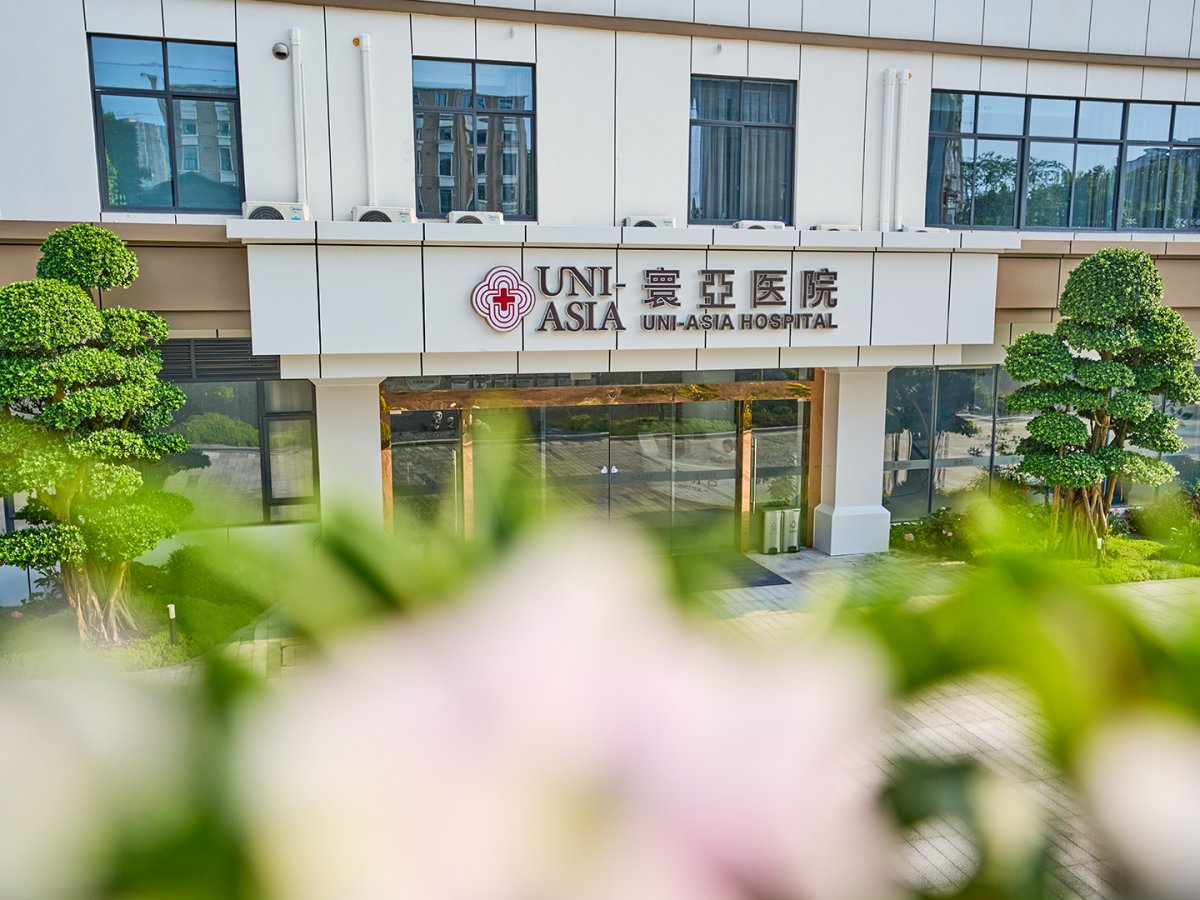
Fuda Hospital
الصين, قوانغتشو


تمت مراجعة المقالة طبيا من قبل
فهد مولود
Tongue cancer treatment cost in China typically includes specialized diagnostics and advanced surgical interventions. A standard treatment plan often involves tongue cancer surgery, which ranges from $12,500 to $27,500. Total expenses depend on the cancer stage, the need for reconstructive surgery, and the clinic tier. International patients often save approximately 50-70% compared to US prices. Leading treatment hubs include Guangzhou, Chengdu, and Beijing.
Typical Tongue Cancer Treatment Costs in China
Bookimed Expert Insight: Advanced and late-stage patients benefit from specialized technologies like NanoKnife or cryosurgery. Fuda Cancer Hospital in Guangzhou is a leader here, having performed over 10,000 cryosurgeries. For complex cases, Sichuan Cancer Hospital offers multidisciplinary care as a top-ranked national facility. These JCI-accredited centers provide high-value care with costs typically 2-3 times lower than in Western Europe.
| الصين | تركيا | إسبانيا | |
|---|---|---|---|
| استئصال سرطان اللسان | ≈ $12,500 | من $8,300 | من $24,000 |
| استئصال اللسان الجزئي | ≈ $4,500 | ≈ $4,500 | ≈ $7,500 |
| Halcyon (هالسيون) | ≈ $9,000 | ≈ $9,500 | ≈ $6,500 |
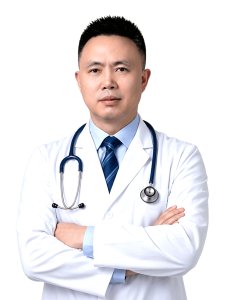
كبير الأطباء وأستاذ. خبير من الدرجة الأولى في مركز السرطان بمستشفى غرب الصين، جامعة سيتشوان (المرتبة الثانية في الصين). أنهى زمالة ما بعد الدكتوراه في الأشعة التداخلية بالمستشفى العام لجيش التحرير الشعبي الصيني. يقود رعاية فريق متعدد التخصصات (MDT) للأورام المعقدة. خبير في طب الأورام التداخلي طفيف التوغل لأورام الكبد والرئة والبنكرياس.
الاعتمادات: عضو مجلس في WATA. عضو في لجان CACA وCMDA للتدخلات، والاستئصال الحراري، والبذور المشعة، وعلاج الألم. في 2023، عضو مجلس مؤسِّس في لجنة الرعاية
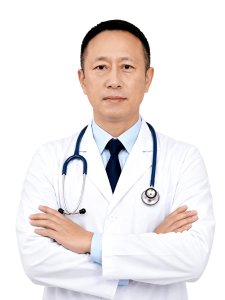
الدكتور هي ويبينغ رائد الاستئصال بالتبريد بالأرجون–الهيليوم في الصين، وله أكثر من 20 عاماً من الممارسة السريرية المباشرة. كان عضواً مؤسِّساً لمستشفى فودا للسرطان (قوانغتشو)، وشارك في تأسيس مركز علاج الأورام طفيفة التوغل فيه وتولى منصب نائب المدير التنفيذي. كما أسهم في تأسيس مجموعة الاستئصال التابعة للجمعية الصينية لمكافحة السرطان. وكان المنفّذ الرئيسي في أكثر من 10,000 إجراء.
يتخصص في الاستئصال بالتبريد للأورام، وهو متمرّس في العلاج الإشعاعي الموضعي ببذور اليود‑125، مع تركيز على سرطاني
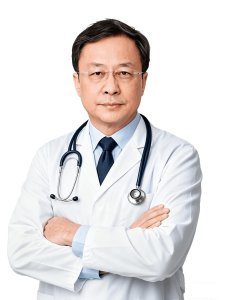
البروفيسور لوو شياوبينغ اختصاصي أشعة تداخلية معترف به على المستوى الوطني ومن أبرز الخبراء في غرب الصين. بدأ ريادة التدخلات الوعائية في أوائل التسعينيات، وأسهم في تأسيس فريق الأشعة التداخلية في المستشفى الثاني الملحق بجامعة تشونغتشينغ الطبية.
أجرى أكثر من 100 ألف إجراء تداخلي، بينها نحو 4 آلاف حالة معقدة. تشمل مهاراته الأساسية الانصمام الكيميائي عبر الشريان الكبدي (TACE) لعلاج سرطان الخلايا الكبدية، وتداخلات متلازمة بود–كياري، وإجراء TIPS، وتركيب دعامتين في مرحلة واحدة لعلاج انسداد القن
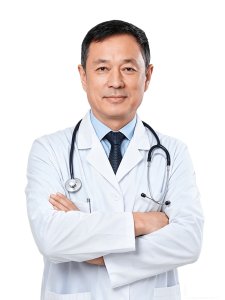
الأستاذ شياو يويونغ هو كبير الأطباء في قسم التشخيص الإشعاعي بالمستشفى العام لجيش التحرير الشعبي الصيني، وخبير بارز في طب الأورام التداخلي طفيف التوغل. يشغل منصب الرئيس المؤسس لـWATA (2025–). ويرأس الجمعية الدولية (2020–) والجمعية الآسيوية (2012–) للعلاج بالتجميد. كما أنه نائب رئيس مجموعة الخبراء بهيئة الصحة الوطنية (NHC) للوائح استئصال الأورام (2009–).
أجرى أكثر من 100,000 إجراء طفيف التوغل موجهًا بالتصوير المقطعي/الرنين المغناطيسي. يشمل عمله الاستئصال الكيميائي، والاستئصال بالترددات ا
 Anna Leonova
يتبع النهج الطبي القياسي لسرطان اللسان في الصين استراتيجية متعددة الوسائط تركز على الجراحة الجذرية والرعاية متعددة التخصصات. يقوم الجراحون عادةً بإجراء استئصال اللسان مكملاً بتشريح الرقبة للأورام التي يتجاوز عمقها 4 مم. غالبًا ما تدمج بروتوكولات ما بعد الجراحة الإشعاع أو العلاج الكيميائي الإشعاعي مع الطب الصيني التقليدي لتقليل السمية.
رؤية خبير Bookimed: بينما تركز المعايير الغربية على الجراحة والإشعاع، تتميز المؤسسات الصينية رفيعة المستوى مثل مستشفى فودا للسرطان بتقديم 12 خيارًا طفيف التوغل. تدير هذه العيادات بشكل متكرر أكثر من 30,000 مريض دولي من خلال دمج العلاج التداخلي الوعائي وارتفاع الحرارة بالموجات الدقيقة. تسمح هذه الخبرة المتخصصة بتخطيط علاجي معقد حتى في الحالات المتأخرة حيث قد يكون العلاج الكيميائي التقليدي محدودًا.
إجماع المرضى: يشير المرضى إلى أن حتى الأورام الصغيرة تتطلب تقييمات واسعة للرقبة وتحديد مرحلة مفصل قبل العلاج. ويؤكدون على ضرورة دمج إعادة تأهيل النطق والبلع في خطة التعافي الجراحي منذ البداية.
تتوفر الجراحات طفيفة التوغل والروبوتية على نطاق واسع لعلاج سرطان اللسان في الصين في المراكز الطبية المتخصصة. يستخدم الجراحون الجراحة الروبوتية عبر الفم (TORS) والجراحة المجهرية بالليزر لإزالة الأورام عن طريق الفم. تتجنب هذه الطرق إجراء شقوق كبيرة في الرقبة وتحافظ على وظائف الكلام والبلع.
رؤية خبير Bookimed: في حين أن المراكز الرئيسية في بكين وشنغهاي تقود من حيث حجم العمليات الروبوتية، يقدم مستشفى فودا للسرطان في قوانغتشو نهجاً متخصصاً متميزاً. فهم يستخدمون أكثر من 10 أنواع من العلاجات طفيفة التوغل، بما في ذلك الجراحة بالتبريد وNanoKnife، خصيصاً للسرطانات المتقدمة أو في مراحلها المتأخرة. يوفر هذا بديلاً حاسماً للمرضى الذين قد لا يكونون مرشحين للاستئصال الروبوتي القياسي ولكنهم لا يزالون بحاجة إلى تدخلات تحافظ على الأنسجة.
إجماع المرضى: يؤكد المرضى أنه على الرغم من أن الخيارات الروبوتية تبدو جذابة، فإن قدرة الجراح على تحقيق هوامش واضحة وإجراء إعادة بناء عالية الجودة أكثر أهمية من التكنولوجيا المستخدمة. يشير الكثيرون إلى أن إعادة التأهيل المتخصصة للكلام والبلع بعد
تؤثر جراحة سرطان اللسان على الكلام والبلع، لكن شدة التأثير تعتمد على حجم الاستئصال. يستعيد معظم المرضى وضوح الكلام بشكل كبير بعد استئصال اللسان الجزئي في غضون أشهر. يتطلب استئصال اللسان الكلي طرق تواصل بديلة وتعديلات غذائية كبيرة لضمان البلع الآمن والتغذية السليمة.
رؤية خبير Bookimed: تجمع المراكز المتقدمة مثل مستشفى فودا للسرطان في قوانغتشو بين الدقة الجراحية والعلاجات طفيفة التوغل مثل الجراحة بالتبريد أو NanoKnife. يهدف هذا النهج إلى الحفاظ على المزيد من الأنسجة السليمة مقارنة بجراحة الاستئصال الواسع التقليدية. إن تقليل فقدان الأنسجة السليمة هو الطريقة الأكثر فعالية لحماية حركة اللسان الأصلية وطبيعية الكلام على المدى الطويل.
إجماع المرضى: يلاحظ المرضى أن البلع غالباً ما يكون التحدي الأصعب في البداية، خاصة مع الأطعمة الجافة أو المفتتة. يجد الكثيرون أن إضافة الصلصات وممارسة الكلام بصوت عالٍ هي أكثر الأدوات فائدة لاستعادة الاستقلالية اليومية.
لا يمكن للطب الصيني التقليدي علاج سرطان اللسان كعلاج مستقل. لا يوجد دليل علمي يدعمه كبديل لعلم الأورام التقليدي. سرطان اللسان عدواني ويتطلب جراحة عاجلة أو إشعاعًا أو علاجًا كيميائيًا. يؤدي تأخير هذه العلاجات القياسية إلى خفض معدلات البقاء على قيد الحياة بشكل كبير.
رؤية خبير Bookimed: بينما يبحث المرضى غالبًا عن الطب الصيني التقليدي في الصين، تخدم المرافق الرائدة المعتمدة من JCI مثل مستشفى فودا للسرطان أكثر من 30,000 مريض دولي من خلال إعطاء الأولوية للتقنيات الغربية طفيفة التوغل. يستخدمون NanoKnife والجراحة بالتبريد لتدمير الأورام. استخدم الطب الصيني التقليدي فقط كمساعد للتعافي، وليس كأداة أساسية لاستئصال الورم.
إجماع المرضى: يحذر المرضى من أن الشعور بالتحسن بعد استخدام الأعشاب لا يعني أن الورم قد اختفى. ويشيرون إلى أن الآفات التي تبدو صغيرة يمكن أن تكون عدوانية بيولوجيًا وتتطلب فحصًا مرضيًا وتحديد مرحلة فوريًا.
توفر مراكز الأورام الصينية الكبرى دعماً باللغة الإنجليزية من خلال أقسام دولية مخصصة. تتميز هذه الأجنحة المتخصصة بوجود منسقين ثنائيي اللغة وتقارير طبية صادرة باللغة الإنجليزية. وقد عالجت مرافق مثل مستشفى فودا للسرطان في قوانغتشو، الحاصل على اعتماد اللجنة الدولية المشتركة (JCI)، أكثر من 30,000 مريض دولي من 100 دولة.
رؤية خبير Bookimed: بينما يعتقد الكثيرون أن الموقع الإلكتروني للمستشفى باللغة الإنجليزية يعني رعاية ثنائية اللغة كاملة، فإن العائق الحقيقي يكمن في سير العمل غير السريري. حتى في المراكز الكبيرة، غالباً ما تظل أنظمة الفوترة والصيدلة باللغة الصينية فقط. اختيار مرفق ذو حجم دولي كبير مثل مستشفى فودا للسرطان يضمن عادةً تجربة لوجستية أكثر سلاسة.
إجماع المرضى: يؤكد المرضى على الحاجة إلى تواصل كتابي باللغة الإنجليزية بدلاً من مجرد المحادثات الشفهية. ويقترحون تأكيد توافر مترجمين طبيين متخصصين لمناقشات الجراحة وإعادة التأهيل قبل بدء العلاج.
تتوفر المتابعة عن بعد لمرضى سرطان اللسان الذين عولجوا في الصين من خلال الاستشارات الرقمية ومراجعة الفحوصات. تستخدم المراكز المتخصصة مثل مستشفى فودا للسرطان (Fuda Cancer Hospital) الفرز الافتراضي لمراقبة التئام الجروح. غالبًا ما ينتقل المرضى المستقرون إلى نموذج هجين يجمع بين الفحوصات البدنية المحلية والإشراف عن بعد.
رؤية خبير Bookimed: يعتمد النجاح في المتابعة عن بعد مع العيادات الصينية بشكل كبير على التوثيق بدلاً من مكالمات الفيديو المباشرة. نظرًا لأن مستشفى فودا للسرطان يخدم مرضى من أكثر من 100 دولة، فإنهم يعطون الأولوية لمراجعة البيانات السريرية على الأقراص أو روابط السحابة. تأكد من ترجمة جميع تقارير علم الأمراض وتصوير PET/CT قبل المغادرة لضمان تواصل سلس مع فريقك الطبي الأصلي.
إجماع المرضى: يشير المرضى إلى أنه على الرغم من أن الصور تساعد، إلا أنها لا ينبغي أن تحل محل الفحص البدني. يوصي معظمهم بالعثور على طبيب أنف وأذن وحنجرة محلي لإجراء الفحوصات البدنية بينما يقدم الفريق الصيني الخبرة عن بعد.
تتطلب الصين من المرضى الدوليين الحصول على تأشيرة S2 للشؤون الخاصة لعلاجات سرطان اللسان طويلة الأمد مثل الجراحة أو الإشعاع. على الرغم من أن بعض الدول تتمتع بدخول بدون تأشيرة لمدة 30 يوماً، إلا أن البروتوكولات الأورام غالباً ما تتجاوز هذه الفترة. يجب عليك الحصول على خطاب دعوة طبي رسمي من المستشفى المعالج.
رؤية خبير Bookimed: التنسيق هو المفتاح لأن مراكز الأورام الرائدة مثل مستشفى فودا للسرطان في قوانغتشو تخدم أكثر من 30,000 مريض دولي. تمتلك هذه المراكز ذات الحجم الكبير أقساماً مخصصة لإصدار الدعوات المحددة ذات الختم الأحمر اللازمة للموافقة على التأشيرة. الحصول على هذه الوثيقة قبل السفر أمر حيوي لأنها تبرر مدة الإقامة لمسؤولي الهجرة.
إجماع المرضى: يؤكد المرضى على أهمية مطابقة فئة التأشيرة الخاصة بك بدقة مع غرضك الطبي. يوصون بطلب دعوة مرنة تأخذ في الاعتبار التأخيرات المحتملة في التعافي وجلسات إعادة تأهيل البلع.