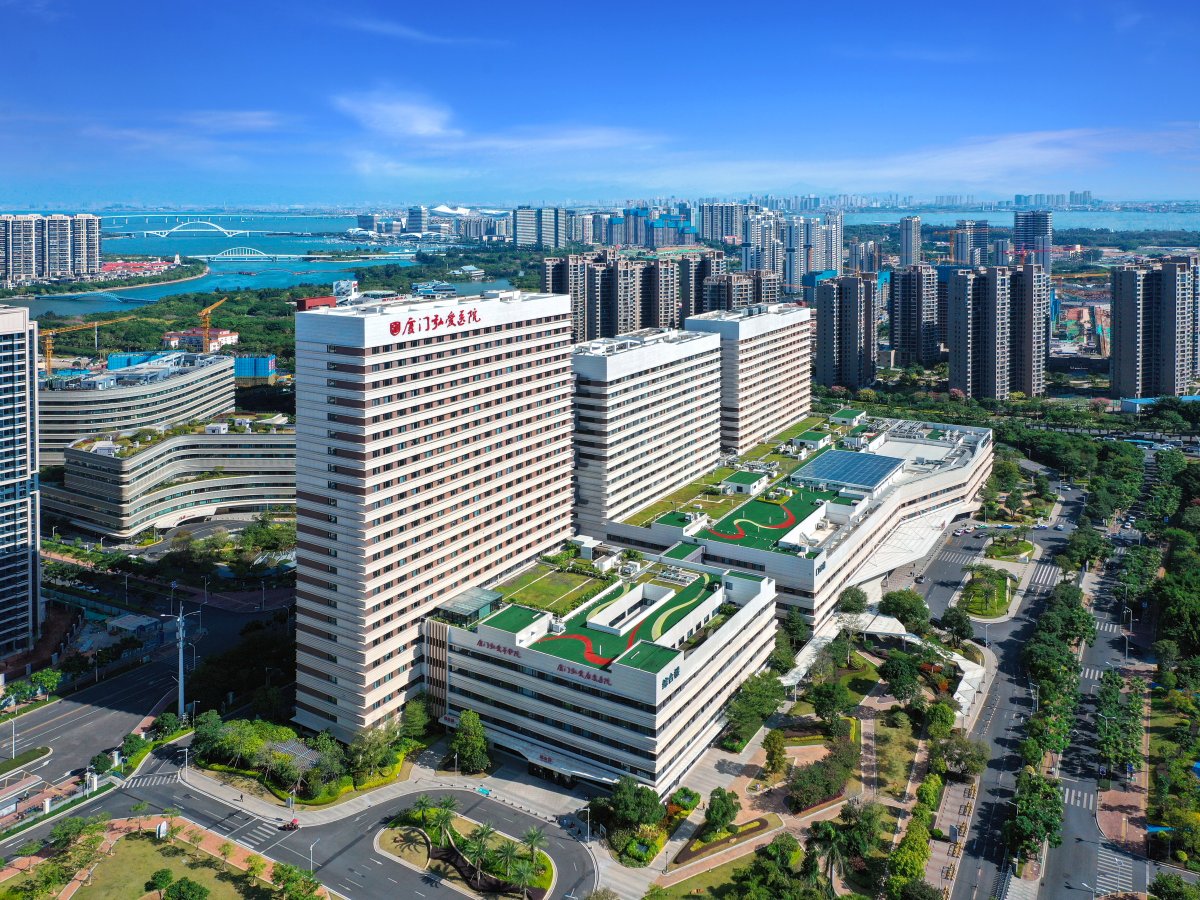
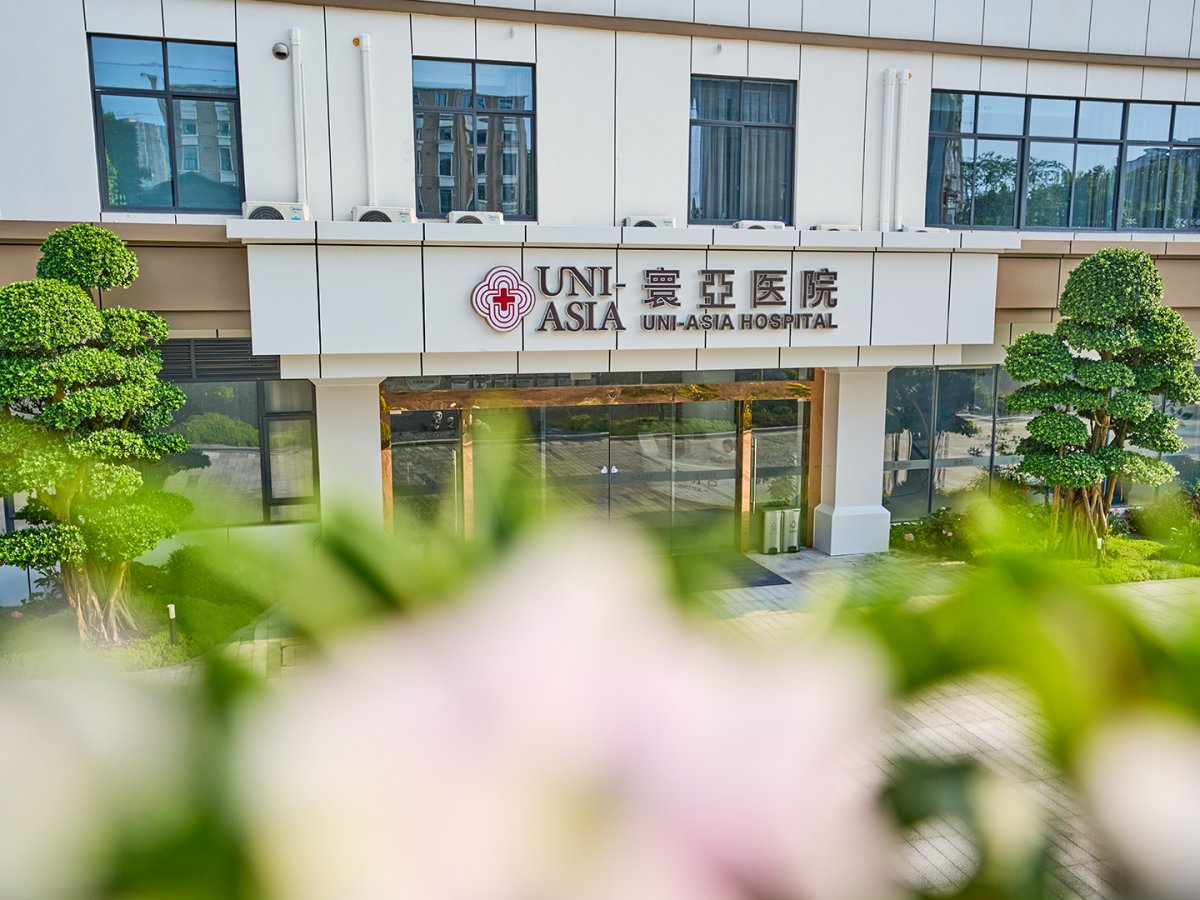
Fuda Hospital
الصين, قوانغتشو


تمت مراجعة المقالة طبيا من قبل
فهد مولود
من $7,000. تعتمد التكاليف الإجمالية على مرحلة السرطان، ومستوى المستشفى، والحاجة إلى رعاية متعددة التخصصات ومعقدة. وغالباً ما يحقق المرضى وفورات تتراوح بين 40-60% مقارنة بالولايات المتحدة. وتشمل أفضل المدن لهذا العلاج قوانغتشو وبكين وشنغهاي.
تكاليف علاج الساركوما العضلية الملساء النموذجية في الصين
رؤية خبراء Bookimed: يستفيد المرضى في المراحل المتقدمة بشكل أكبر من المراكز التي تقدم بدائل للعلاج الجهازي التقليدي. يتخصص مستشفى فودا للسرطان (Fuda Cancer Hospital) في الخيارات طفيفة التوغل مثل نانو نايف (NanoKnife) والجراحة بالتبريد للحالات المعقدة. هذه التقنيات مثالية للمرضى الذين لا يتحملون العلاج الكيميائي المكثف. توفر المرافق الحاصلة على اعتماد اللجنة الدولية المشتركة (JCI) في قوانغتشو رعاية متعددة التخصصات لأكثر من 30,000 مريض دولي. كما توفر المستشفيات من الدرجة الثالثة مثل مستشفى شيامن هيومانيتي (Xiamen Humanity Hospital) خبرة جراحية عالية المستوى مع 1,000 سرير للمرضى الداخليين.
| الصين | تركيا | إسبانيا | |
|---|---|---|---|
| سايبر نايف CyberKnife | من $7,000 | من $4,900 | من $14,800 |
| الموجات الفوق صوتية عالية التكثيف المركزة HIFU | من $4,200 | من $10,000 | من $8,000 |
| العلاج بالبروتون (انظر العلاج بحزم البروتون) | ≈ $28,000 | من $25,000 | من $43,300 |
| العلاج الكيميائي لسرطان الثدي | ≈ $14,800 | من $1,900 | من $1,700 |
| العلاج الإشعاعي للساركوما | ≈ $9,000 | من $5,000 | من $9,000 |
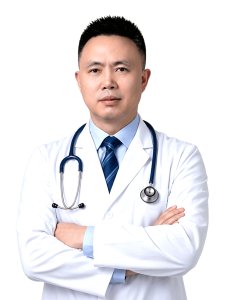
كبير الأطباء وأستاذ. خبير من الدرجة الأولى في مركز السرطان بمستشفى غرب الصين، جامعة سيتشوان (المرتبة الثانية في الصين). أنهى زمالة ما بعد الدكتوراه في الأشعة التداخلية بالمستشفى العام لجيش التحرير الشعبي الصيني. يقود رعاية فريق متعدد التخصصات (MDT) للأورام المعقدة. خبير في طب الأورام التداخلي طفيف التوغل لأورام الكبد والرئة والبنكرياس.
الاعتمادات: عضو مجلس في WATA. عضو في لجان CACA وCMDA للتدخلات، والاستئصال الحراري، والبذور المشعة، وعلاج الألم. في 2023، عضو مجلس مؤسِّس في لجنة الرعاية
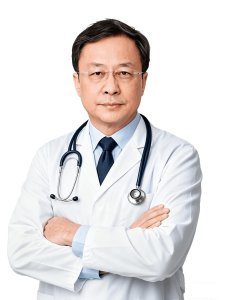
البروفيسور لوو شياوبينغ اختصاصي أشعة تداخلية معترف به على المستوى الوطني ومن أبرز الخبراء في غرب الصين. بدأ ريادة التدخلات الوعائية في أوائل التسعينيات، وأسهم في تأسيس فريق الأشعة التداخلية في المستشفى الثاني الملحق بجامعة تشونغتشينغ الطبية.
أجرى أكثر من 100 ألف إجراء تداخلي، بينها نحو 4 آلاف حالة معقدة. تشمل مهاراته الأساسية الانصمام الكيميائي عبر الشريان الكبدي (TACE) لعلاج سرطان الخلايا الكبدية، وتداخلات متلازمة بود–كياري، وإجراء TIPS، وتركيب دعامتين في مرحلة واحدة لعلاج انسداد القن
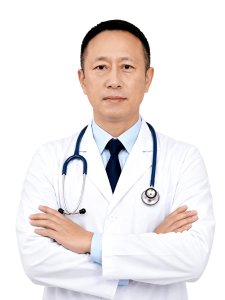
الدكتور هي ويبينغ رائد الاستئصال بالتبريد بالأرجون–الهيليوم في الصين، وله أكثر من 20 عاماً من الممارسة السريرية المباشرة. كان عضواً مؤسِّساً لمستشفى فودا للسرطان (قوانغتشو)، وشارك في تأسيس مركز علاج الأورام طفيفة التوغل فيه وتولى منصب نائب المدير التنفيذي. كما أسهم في تأسيس مجموعة الاستئصال التابعة للجمعية الصينية لمكافحة السرطان. وكان المنفّذ الرئيسي في أكثر من 10,000 إجراء.
يتخصص في الاستئصال بالتبريد للأورام، وهو متمرّس في العلاج الإشعاعي الموضعي ببذور اليود‑125، مع تركيز على سرطاني
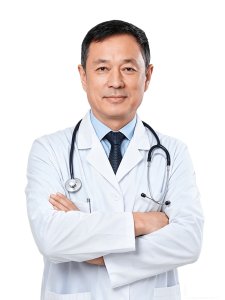
الأستاذ شياو يويونغ هو كبير الأطباء في قسم التشخيص الإشعاعي بالمستشفى العام لجيش التحرير الشعبي الصيني، وخبير بارز في طب الأورام التداخلي طفيف التوغل. يشغل منصب الرئيس المؤسس لـWATA (2025–). ويرأس الجمعية الدولية (2020–) والجمعية الآسيوية (2012–) للعلاج بالتجميد. كما أنه نائب رئيس مجموعة الخبراء بهيئة الصحة الوطنية (NHC) للوائح استئصال الأورام (2009–).
أجرى أكثر من 100,000 إجراء طفيف التوغل موجهًا بالتصوير المقطعي/الرنين المغناطيسي. يشمل عمله الاستئصال الكيميائي، والاستئصال بالترددات ا
 Anna Leonova
يعطي علاج الخط الأول للساركوما العضلية الملساء في الصين الأولوية للاستئصال الجراحي الكامل مع هوامش سلبية للأورام الموضعية. تستخدم الحالات المتقدمة العلاج الكيميائي القائم على الأنثراسيكلين. تدمج البروتوكولات الصينية بشكل فريد مثبطات الكيناز المتعددة المحلية مثل أنلوتينيب إلى جانب العلاجات الجهازية القياسية. غالبًا ما توفر المستشفيات الثالثية تقنيات دقيقة مثل CyberKnife أو العلاج بالبروتون.
رؤية خبير Bookimed: يوفر المشهد الأورامي في الصين ميزة فريدة تتمثل في الحجم الكبير للحالات المعقدة. يخدم مستشفى شيامن الإنساني وحده 1,000,000 مريض سنويًا. تستخدم المراكز الثالثية الكبيرة مثل مستشفى فودا للسرطان تدخلات متخصصة مثل الجراحة بالتبريد و NanoKnife. يضمن هذا التدفق العالي احتفاظ الجراحين بالكفاءة في الأورام الخبيثة النادرة للأنسجة الرخوة.
إجماع المرضى: يؤكد المرضى على أهمية العثور على جراح ساركوما متخصص في البداية لتجنب العمليات الأولى السيئة. ويشيرون إلى أن نتائج علم الأمراض غالبًا ما تتغير بعد مراجعة الخبراء في المستشفيات الثالثية الكبرى.
تدير الصين الورم العضلي الأملس الرحمي (uLMS) من خلال بروتوكولات جراحية قوية وأبحاث متقدمة في الطب الدقيق. تركز مراكز العلاج على الجراحة الاختزالية الثانوية في حالات التكرار. كما أنها تدمج علم الأمراض المدعوم بالذكاء الاصطناعي لمواجهة المعدلات العالية للتشخيص الجراحي الخاطئ الأولي. تستخدم معظم المرافق التصنيف الفرعي متعدد الأوميات للتنبؤ باستجابات العلاج الكيميائي.
رؤية خبير Bookimed: تنقسم البنية التحتية للأورام في الصين بشكل فريد بين مراكز ثالثية عالية الحجم ومستشفيات محلية أصغر. تظهر البيانات أن مستشفى شيامن الإنساني يخدم حوالي 1,000,000 مريض سنوياً. تعد المؤسسات واسعة النطاق مثل هذه ضرورية للأمراض النادرة مثل uLMS. فهي توفر الحجم اللازم لدعم التجارب السريرية والتقنيات المتقدمة مثل CyberKnife M6. قد لا توفر المستشفيات الأصغر نفس الدقة التشخيصية للساركوما.
إجماع المرضى: يشير المرضى إلى أنه من المهم تجنب تفتيت الأنسجة أثناء الجراحة إذا كان هناك اشتباه في وجود ساركوما. ويؤكدون على أهمية طلب مراجعات عل
تشمل مراكز الأورام الصينية الرائدة لعلاج الورم العضلي الأملس مستشفى فودا للسرطان (Fuda Cancer Hospital) ومستشفى شيامن الإنساني (Xiamen Humanity Hospital). تتخصص هذه المرافق في الرعاية متعددة التخصصات للساركوما النادرة في الأنسجة الرخوة. وهي تدمج معايير السلامة المعتمدة من اللجنة الدولية المشتركة (JCI) مع تقنيات متقدمة طفيفة التوغل مثل NanoKnife والإشعاع الدقيق لتحسين نتائج المرضى.
رؤية خبير Bookimed: يعمل حجم المرضى كمؤشر جودة حاسم في الصين. يعالج مستشفى شيامن الإنساني حوالي 1,000,000 مريض سنوياً. يضمن هذا التدفق العالي احتفاظ الفرق الطبية بخبرتها في الأمراض النادرة مثل الورم العضلي الأملس. قد تفتقر العيادات الأصغر إلى العمق متعدد التخصصات المطلوب لعمليات الاستئصال المعقدة.
إجماع المرضى: يؤكد المرضى أن تأمين أخصائي علم أمراض متخصص في الساركوما للمراجعة الأولية أمر حيوي. ويوصون باختيار مراكز ذات حجم كبير في المدن الرئيسية لضمان أن الجراحين لديهم خبرة روتينية في أورام الأنسجة الرخوة النادرة.
توفر مراكز الأورام الصينية علاجات متقدمة للساركوما العضلية الملساء مثل العلاج التداخلي الوعائي، والجراحة الإشعاعية بـ CyberKnife M6، والجراحة بالتبريد عندما يفشل العلاج الكيميائي. تركز المرافق على التدمير الدقيق للأورام باستخدام NanoKnife أو العلاج الحراري بالموجات الدقيقة. غالبًا ما تتضمن البروتوكولات المتخصصة مثبطات التيروزين كيناز (TKIs) المضادة لتكون الأوعية مثل Apatinib لتقييد إمدادات الدم للورم.
رؤية خبير Bookimed: يتميز مستشفى شيامن الإنساني (Xiamen Humanity Hospital) بحجمه الهائل، حيث يعالج 1,000,000 مريض سنويًا عبر 47 قسمًا سريريًا. غالبًا ما يترجم هذا الحجم الكبير إلى وصول أسرع إلى التجارب السريرية للأدوية. يجب على المرضى إعطاء الأولوية لمثل هذه العيادات عند البحث عن تجارب أكاديمية من المرحلة الأولى إلى الرابعة للساركوما المقاومة. البروفيسور ليو شي شين في شيامن هو خبير وطني في العلاج الإشعاعي الدقيق، وهو أمر حيوي للسيطرة المحلية في المراحل المتأخرة.
إجماع ال
تستضيف الصين تجارب علاج مناعي نشطة وعلاجات مركبة للساركوما العضلية الملساء (LMS). تركز الأبحاث على الجمع بين مثبطات PD-1 وعوامل مضادة لتكون الأوعية، أو علاجات موجهة، أو منظمات فوق جينية. تساعد هذه الأساليب في اختراق الأورام الباردة. وتسهل مراكز الأورام الرئيسية في قوانغتشو وشيامن هذه البروتوكولات المتقدمة.
رؤية خبير Bookimed: يؤثر حجم المرضى بشكل عميق على الوصول إلى التجارب في الصين. يخدم مستشفى شيامن الإنساني حوالي 1,000,000 مريض سنويًا. غالبًا ما يرتبط هذا النطاق الضخم بالاعتماد لتجارب الأدوية في المرحلة الأولى إلى الرابعة. من المرجح أن تقدم المستشفيات الثالثية الكبيرة هذه البروتوكولات المركبة التجريبية مقارنة بعيادات الأورام الصغيرة.
إجماع المرضى: يشير المرضى إلى أن العلاج المناعي نادرًا ما يستخدم بمفرده لمرض LMS. تركز معظم المناقشات على إيجاد تجارب محددة تجمع بين مثبطات نقاط التفتيش والعلاجات الموجهة أو البروتوكولات الإقليمية.
يعمل الطب الصيني التقليدي كطبقة رعاية داعمة إلى جانب الجراحة التقليدية والعلاج الإشعاعي والكيميائي. تركز البروتوكولات المتكاملة على إدارة الآثار الجانبية للعلاج مثل الغثيان والتعب. وهو يعمل على تحسين الصحة العامة والتعافي الجهازي دون استبدال التدخلات الأورام الحاسمة للساركوما.
رؤية خبراء Bookimed: يجب على المرضى ملاحظة أن المراكز الصينية الرائدة مثل مستشفى شيامن الإنساني ومستشفى فودا للسرطان تؤكد على التجارب السريرية والتقنيات المتقدمة مثل نانو نايف إلى جانب الجذور التقليدية. تتضمن الاستراتيجية الأكثر فعالية تأمين تشخيص دقيق وخطة جراحية في هذه المستشفيات الثالثية ذات الحجم الكبير قبل دمج الطب الصيني التقليدي للتعافي. وهذا يضمن بقاء رعاية الساركوما العدوانية هي التركيز الأساسي مع استخدام الأساليب التقليدية للرفاهية على المدى الطويل.
إجماع المرضى: يؤكد المرضى أن الطب الصيني التقليدي يجب أن يُستخدم ليشعروا بتحسن أثناء التعافي بدلاً من تقليص الأورام. وينصحون بشدة بإبلاغ فريق الأورام بجميع المكملات العشبية لتجنب التفاعلات مع التخدير أو العلاج الكيميائي.