Fuda Hospital
الصين, قوانغتشو


تمت مراجعة المقالة طبيا من قبل
فهد مولود
تتضمن تكلفة علاج سرطان القولون في الصين عادةً التشخيصات الأساسية مثل مسح PET-CT والعلاجات الأولية مثل استئصال القولون، والتي تتراوح تكلفتها من $9,500 إلى $17,500. من $35,800. تعتمد النفقات الإجمالية على مرحلة السرطان ومستوى المستشفى. عادةً ما يجد المرضى الدوليون وفورات تتراوح بين 50-70% مقارنة بالولايات المتحدة. تشمل المراكز الطبية الرئيسية قوانغتشو وشيامن وبكين.
تكاليف علاج سرطان القولون النموذجية في الصين
رؤية خبراء Bookimed: يستفيد المرضى في المراحل المتأخرة الذين يبحثون عن بدائل للعلاج الكيميائي التقليدي من مراكز متخصصة في الجراحات طفيفة التوغل. يقدم مستشفى فودا للسرطان (Fuda Cancer Hospital) أكثر من 10 علاجات مبتكرة، بما في ذلك نانو نايف والجراحة بالتبريد، خصيصاً للحالات المتقدمة. بالنسبة لأولئك الذين يحتاجون إلى إشعاع دقيق، يوفر مستشفى شيامن هيومانيتي (Xiamen Humanity Hospital) بروتوكولات IMRT وVMAT المتخصصة. تجمع المرافق الحاصلة على اعتماد JCI في الصين بين التكنولوجيا الروبوتية المتقدمة وتوفير مالي كبير للمرضى الدوليين.
| الصين | تركيا | إسبانيا | |
|---|---|---|---|
| نانو نايف NanoKnife | من $24,000 | ≈ $9,500 | ≈ $9,500 |
| منظومة دا فينشي الجراحية | من $35,800 | من $23,900 | ≈ $9,500 |
| سايبر نايف CyberKnife | من $7,000 | من $4,900 | من $14,800 |
| المعالجة المقطعية | ≈ $7,500 | من $6,700 | ≈ $7,500 |
| العلاج المناعي مع Keytruda (Pembolizumab) | ≈ $4,500 | من $4,200 | من $10,300 |
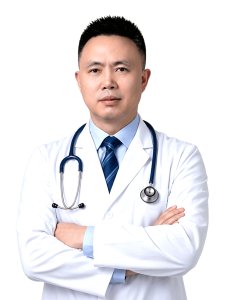
كبير الأطباء وأستاذ. خبير من الدرجة الأولى في مركز السرطان بمستشفى غرب الصين، جامعة سيتشوان (المرتبة الثانية في الصين). أنهى زمالة ما بعد الدكتوراه في الأشعة التداخلية بالمستشفى العام لجيش التحرير الشعبي الصيني. يقود رعاية فريق متعدد التخصصات (MDT) للأورام المعقدة. خبير في طب الأورام التداخلي طفيف التوغل لأورام الكبد والرئة والبنكرياس.
الاعتمادات: عضو مجلس في WATA. عضو في لجان CACA وCMDA للتدخلات، والاستئصال الحراري، والبذور المشعة، وعلاج الألم. في 2023، عضو مجلس مؤسِّس في لجنة الرعاية
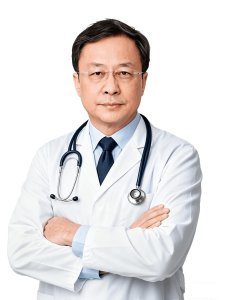
البروفيسور لوو شياوبينغ اختصاصي أشعة تداخلية معترف به على المستوى الوطني ومن أبرز الخبراء في غرب الصين. بدأ ريادة التدخلات الوعائية في أوائل التسعينيات، وأسهم في تأسيس فريق الأشعة التداخلية في المستشفى الثاني الملحق بجامعة تشونغتشينغ الطبية.
أجرى أكثر من 100 ألف إجراء تداخلي، بينها نحو 4 آلاف حالة معقدة. تشمل مهاراته الأساسية الانصمام الكيميائي عبر الشريان الكبدي (TACE) لعلاج سرطان الخلايا الكبدية، وتداخلات متلازمة بود–كياري، وإجراء TIPS، وتركيب دعامتين في مرحلة واحدة لعلاج انسداد القن
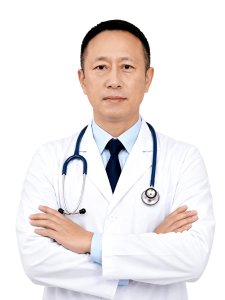
الدكتور هي ويبينغ رائد الاستئصال بالتبريد بالأرجون–الهيليوم في الصين، وله أكثر من 20 عاماً من الممارسة السريرية المباشرة. كان عضواً مؤسِّساً لمستشفى فودا للسرطان (قوانغتشو)، وشارك في تأسيس مركز علاج الأورام طفيفة التوغل فيه وتولى منصب نائب المدير التنفيذي. كما أسهم في تأسيس مجموعة الاستئصال التابعة للجمعية الصينية لمكافحة السرطان. وكان المنفّذ الرئيسي في أكثر من 10,000 إجراء.
يتخصص في الاستئصال بالتبريد للأورام، وهو متمرّس في العلاج الإشعاعي الموضعي ببذور اليود‑125، مع تركيز على سرطاني
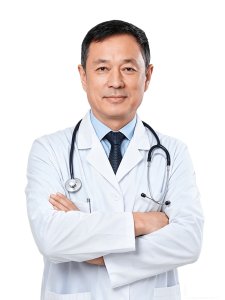
الأستاذ شياو يويونغ هو كبير الأطباء في قسم التشخيص الإشعاعي بالمستشفى العام لجيش التحرير الشعبي الصيني، وخبير بارز في طب الأورام التداخلي طفيف التوغل. يشغل منصب الرئيس المؤسس لـWATA (2025–). ويرأس الجمعية الدولية (2020–) والجمعية الآسيوية (2012–) للعلاج بالتجميد. كما أنه نائب رئيس مجموعة الخبراء بهيئة الصحة الوطنية (NHC) للوائح استئصال الأورام (2009–).
أجرى أكثر من 100,000 إجراء طفيف التوغل موجهًا بالتصوير المقطعي/الرنين المغناطيسي. يشمل عمله الاستئصال الكيميائي، والاستئصال بالترددات ا

كتب بواسطة Veronika Kazina

كتب بواسطة Veronika Kazina

كتب بواسطة Veronika Kazina

كتب بواسطة Veronika Kazina

كتب بواسطة Veronika Kazina
 Anna Leonova
يتراوح معدل البقاء النسبي لمدة خمس سنوات لمرضى سرطان القولون في الصين بين 58% و62% تقريبًا. ويضمن التشخيص المبكر معدلات بقاء عالية تصل إلى 85% إلى 96%. وترتبط نتائج العلاج ارتباطًا وثيقًا بالموقع الجغرافي واستخدام الجراحة الجذرية بدلًا من الرعاية التلطيفية.
رأي خبراء بوكيمد: في الصين، يُعدّ عدد المرضى المؤشر الأهم لجودة الرعاية الطبية. يخدم مستشفى فودا للسرطان أكثر من 30,000 مريض دولي، بينما يعالج مستشفى شيامن الإنساني ما يقارب مليون مريض سنويًا. غالبًا ما توفر المراكز التي تستقبل أعدادًا كبيرة من المرضى وصولًا أسرع إلى التقنيات المتخصصة، مثل جهاز نانو نايف وجهاز سايبر نايف إم 6، للحالات المعقدة.
ما هي أكثر علاجات سرطان القولون شيوعاً في الصين؟
في الصين، يركز علاج سرطان القولون على الاستئصال الجراحي والتقنيات طفيفة التوغل. في المستشفيات، يُستخدم تنظير البطن في أكثر من 56% من الحالات لضمان سرعة التعافي. أما في المراكز المتخصصة، فيُدمج العلاج الجراحي المتخصص مع العلاج الكيميائي أو العلاج الموجه أو العلاج المناعي بناءً على المؤشرات الجينية مثل KRAS وحالة عدم استقرار الميكروساتلايت (MSI).
رأي خبراء بوكيمد: بينما تتبع معظم المراكز بروتوكولات قياسية، يتميز مستشفى فودا للسرطان باستخدامه أكثر من 10 أنواع من العلاجات طفيفة التوغل. يوفر تخصصه في الجراحة البردية والعلاج الوعائي التدخلي بدائل للمرضى الذين لا يستطيعون تحمل العلاج الكيميائي المكثف (أكثر من 30,000 حالة حول العالم).
هل يمكن علاج سرطان القولون في المرحلة الرابعة في الصين؟
في الصين، يُمكن علاج سرطان القولون في المرحلة الرابعة باستخدام بروتوكولات متعددة التخصصات متطورة في مراكز متخصصة لعلاج السرطان. وتستخدم المؤسسات الطبية الاستئصال الجذري، والاستئصال بتقنية النانو، والعلاج الكيميائي الحراري داخل الصفاق لعلاج المرض المنتشر. ويساهم دمج العلاج الدوائي الحديث مع الرعاية الداعمة التقليدية في إطالة أمد البقاء على قيد الحياة والحفاظ على جودة حياة المرضى.
رأي خبراء بوكيمد: ينبغي على المرضى الراغبين في تلقي العلاج في الصين إعطاء الأولوية للمرافق الطبية المعتمدة من قبل اللجنة الدولية المشتركة (JCI) في المرا
يُستخدم الطب الصيني التقليدي في الصين كعلاج تكميلي متكامل لسرطان القولون. فهو يجمع بين الطب العشبي والوخز بالإبر وتعديلات نمط الحياة مع الجراحة أو العلاج الكيميائي لتحسين جودة الحياة. وتهدف هذه البروتوكولات إلى تقليل الآثار الجانبية للعلاج وتعزيز الاستجابة المناعية.
رأي خبراء بوكيميد: غالبًا ما يجمع الطب التكاملي في الصين بين الممارسات القديمة والتكنولوجيا المتطورة في منشأة طبية واحدة. على سبيل المثال، يقدم مستشفى جينشاتشو التابع لجامعة قوانغتشو للطب الصيني جراحة سايبر نايف إم 6 الإشعاعية إلى جانب البروتوكولات التقليدية. تُظهر بياناتنا أن هذه المراكز المتخصصة تقدم باقات شاملة بتكلفة تقارب 7900 دولار أمريكي، تشمل الاستشارا
تقدم الصين علاجات متخصصة للأورام غير القابلة للجراحة، بما في ذلك الجراحة البردية، والجراحة النانوية، والعلاج المناعي المتقدم. وتُعتبر مؤسسات مثل مستشفى فودا للسرطان معتمدة من قبل اللجنة الدولية المشتركة (JCI). وتتخصص هذه المؤسسات في علاج السرطانات المتقدمة، باستخدام أكثر من عشرة أنواع من العلاجات طفيفة التوغل لإدارة الحالات المعقدة.
رأي خبراء بوكيمد: بينما تركز العديد من الدول على العلاج الأحادي للأمراض المتقدمة، غالبًا ما تجمع المراكز الصينية المتخصصة بين الجراحة البردية والتدخلات الوعائية. وقد استخدم مستشفى فودا للسرطان هذا النهج المتكامل لعلاج أكثر من 30,000 مريض من 100 دولة. يُظهر هذا العدد الكبير م