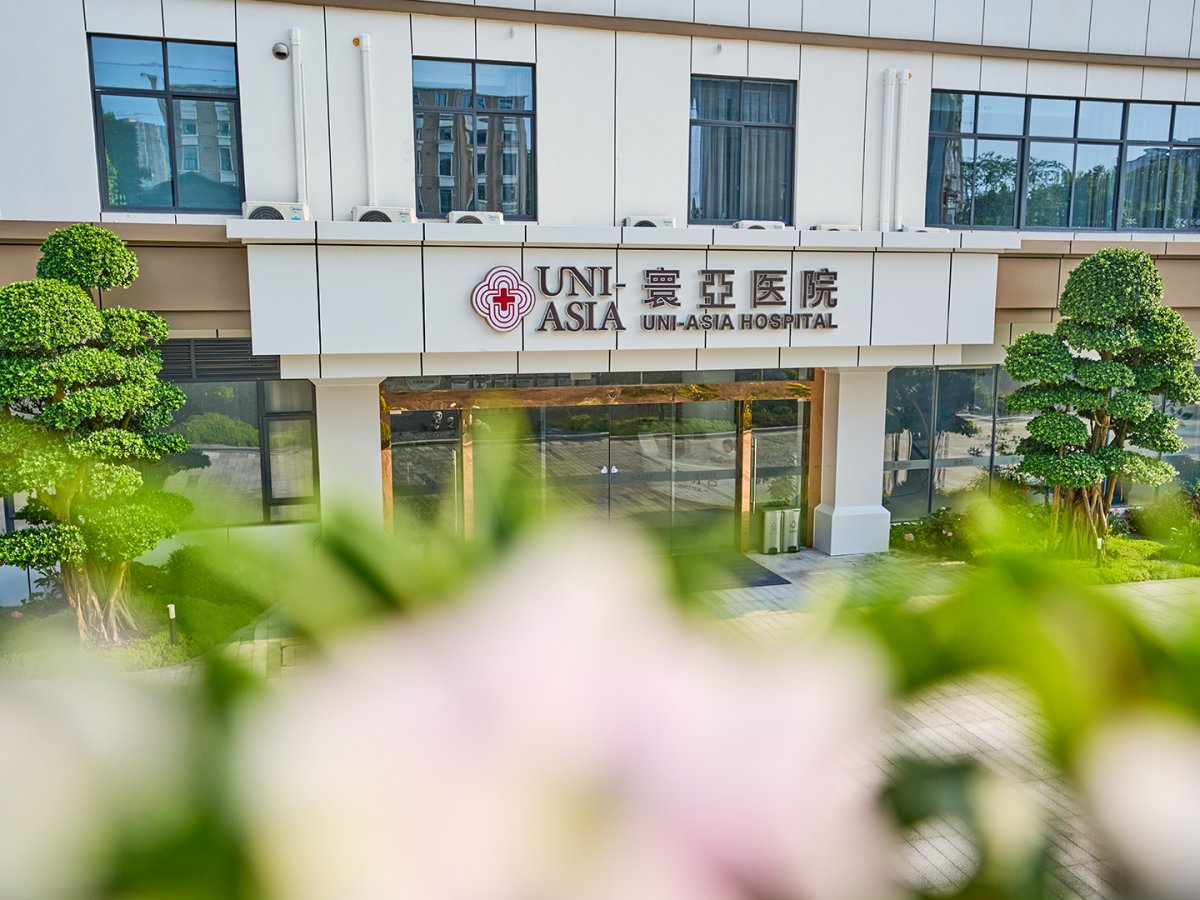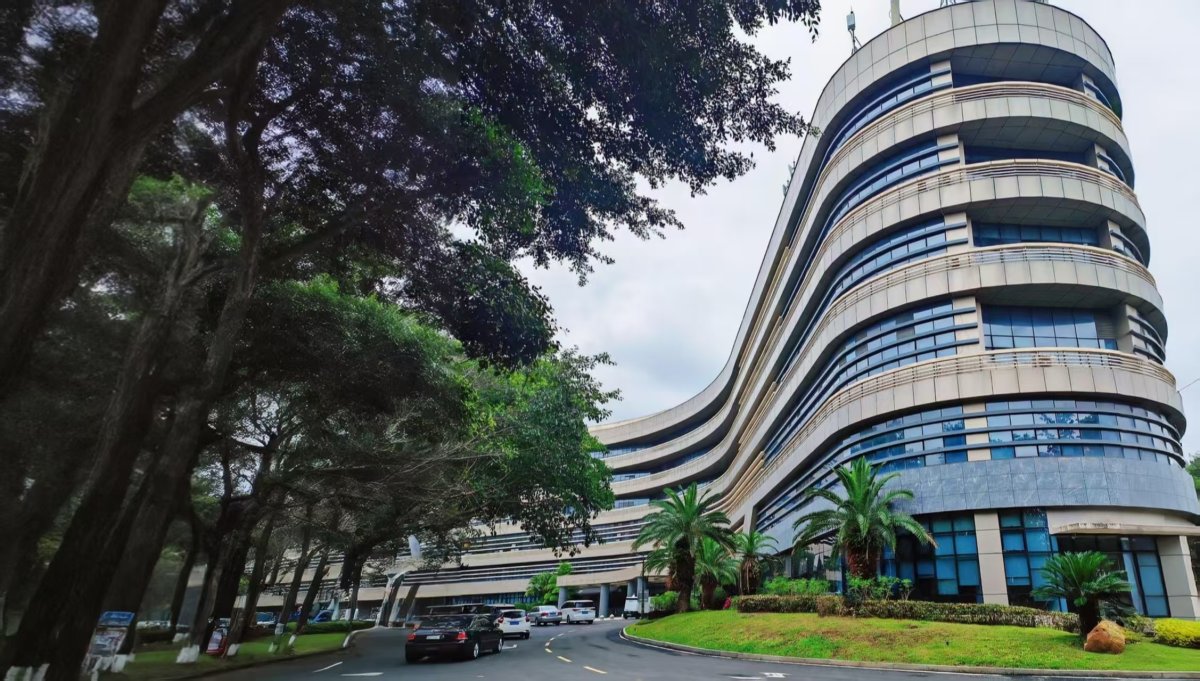
Boao International Medical Center
الصين, تشيونغهاي


تمت مراجعة المقالة طبيا من قبل
فهد مولود
Liver cancer stage 3 treatment cost in China typically involves diagnostic imaging like CT of the chest, which runs $250, and specialized therapies. Primary treatments include chemotherapy for breast cancer costing $14,800 to $31,000 or radiation therapy for colorectal cancer ranging from $11,500 to $27,500. Total expenses depend on the hospital tier and drug origins. Patients often save 50-85% compared to US costs. Top treatment hubs include Guangzhou, Beijing, and Shanghai.
Typical Liver Cancer Stage 3 Treatment Costs in China
Bookimed Expert Insight: Advanced stage patients seeking alternatives to traditional chemotherapy should consider specialized centers like Fuda Cancer Hospital. This JCI-accredited facility specializes in minimally invasive therapies, including NanoKnife and cryosurgery. Dr. Liuying at Jinshazhou Hospital provides expert care in thermal ablation for hepatocellular carcinoma. These targeted approaches are best for patients requiring high-precision treatment while preserving healthy liver tissue.
| الصين | تركيا | إسبانيا | |
|---|---|---|---|
| العلاج الكيميائي لسرطان الثدي | ≈ $14,800 | من $3,000 | من $1,700 |
| العلاج الإشعاعي لسرطان القولون والمستقيم | ≈ $11,500 | من $5,000 | من $7,500 |
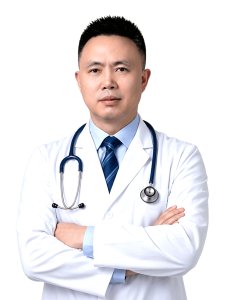
كبير الأطباء وأستاذ. خبير من الدرجة الأولى في مركز السرطان بمستشفى غرب الصين، جامعة سيتشوان (المرتبة الثانية في الصين). أنهى زمالة ما بعد الدكتوراه في الأشعة التداخلية بالمستشفى العام لجيش التحرير الشعبي الصيني. يقود رعاية فريق متعدد التخصصات (MDT) للأورام المعقدة. خبير في طب الأورام التداخلي طفيف التوغل لأورام الكبد والرئة والبنكرياس.
الاعتمادات: عضو مجلس في WATA. عضو في لجان CACA وCMDA للتدخلات، والاستئصال الحراري، والبذور المشعة، وعلاج الألم. في 2023، عضو مجلس مؤسِّس في لجنة الرعاية
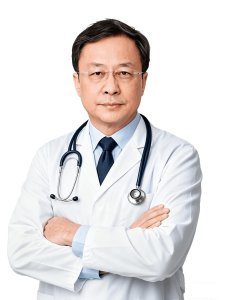
البروفيسور لوو شياوبينغ اختصاصي أشعة تداخلية معترف به على المستوى الوطني ومن أبرز الخبراء في غرب الصين. بدأ ريادة التدخلات الوعائية في أوائل التسعينيات، وأسهم في تأسيس فريق الأشعة التداخلية في المستشفى الثاني الملحق بجامعة تشونغتشينغ الطبية.
أجرى أكثر من 100 ألف إجراء تداخلي، بينها نحو 4 آلاف حالة معقدة. تشمل مهاراته الأساسية الانصمام الكيميائي عبر الشريان الكبدي (TACE) لعلاج سرطان الخلايا الكبدية، وتداخلات متلازمة بود–كياري، وإجراء TIPS، وتركيب دعامتين في مرحلة واحدة لعلاج انسداد القن
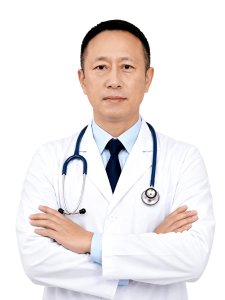
الدكتور هي ويبينغ رائد الاستئصال بالتبريد بالأرجون–الهيليوم في الصين، وله أكثر من 20 عاماً من الممارسة السريرية المباشرة. كان عضواً مؤسِّساً لمستشفى فودا للسرطان (قوانغتشو)، وشارك في تأسيس مركز علاج الأورام طفيفة التوغل فيه وتولى منصب نائب المدير التنفيذي. كما أسهم في تأسيس مجموعة الاستئصال التابعة للجمعية الصينية لمكافحة السرطان. وكان المنفّذ الرئيسي في أكثر من 10,000 إجراء.
يتخصص في الاستئصال بالتبريد للأورام، وهو متمرّس في العلاج الإشعاعي الموضعي ببذور اليود‑125، مع تركيز على سرطاني
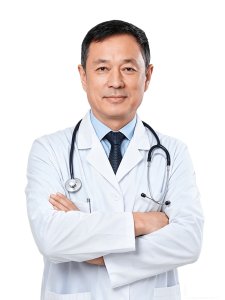
الأستاذ شياو يويونغ هو كبير الأطباء في قسم التشخيص الإشعاعي بالمستشفى العام لجيش التحرير الشعبي الصيني، وخبير بارز في طب الأورام التداخلي طفيف التوغل. يشغل منصب الرئيس المؤسس لـWATA (2025–). ويرأس الجمعية الدولية (2020–) والجمعية الآسيوية (2012–) للعلاج بالتجميد. كما أنه نائب رئيس مجموعة الخبراء بهيئة الصحة الوطنية (NHC) للوائح استئصال الأورام (2009–).
أجرى أكثر من 100,000 إجراء طفيف التوغل موجهًا بالتصوير المقطعي/الرنين المغناطيسي. يشمل عمله الاستئصال الكيميائي، والاستئصال بالترددات ا
 Anna Leonova
في نظام تصنيف سرطان الكبد الصيني، تشير المرحلة 3 إلى سرطان الخلايا الكبدية المتقدم. يتم تصنيفها إلى المرحلة 3a، التي تنطوي على غزو الأوعية الدموية الرئيسية، والمرحلة 3b، التي تشير إلى الانتشار إلى أعضاء بعيدة. غالباً ما تفضل الإرشادات الصينية العلاجات الجراحية أو المركبة العدوانية على الرعاية التلطيفية البحتة.
رؤية خبير Bookimed: غالباً ما تطبق مراكز الأورام الصينية علاجات موضعية عدوانية للمرحلة 3 تختلف عن البروتوكولات الغربية. يتخصص الدكتور ليويينغ في مستشفى جينشاتشو في الجمع بين الاستئصال بالموجات الدقيقة وزراعة البذور المشعة. يهدف هذا النهج متعدد الخطوات في المرافق المعتمدة من قبل JCI مثل مستشفى فودا للسرطان إلى تحقيق نتائج مهمة حتى في المراحل المتقدمة.
إجماع المرضى: يشير المرضى إلى أن التسمية أقل أهمية من التحقق من غزو الوريد البابي. ويؤكدون أن جودة وظائف الكبد المؤكدة غالباً ما تملي مدى عدوانية الأطباء في متابعة الجراحة أو الاستئصال.
تعتبر الإرشادات السريرية الصينية أكثر عدوانية من البروتوكولات الغربية لعلاج سرطان الكبد في المرحلة الثالثة. تظل الجراحة خياراً أساسياً للمرضى الذين يعانون من أورام المرحلة 3a التي تنطوي على غزو الوريد البابي. كما يستخدم الأطباء العلاج التحويلي لتقليص أورام المرحلة 3b حتى تصبح قابلة للإزالة جراحياً.
رؤية خبير Bookimed: بينما يُعتبر سرطان المرحلة الثالثة غالباً نهائياً في أماكن أخرى، تركز مراكز الصين ذات الحجم الكبير على خفض المرحلة متعدد التخصصات. عالج مستشفى فودا للسرطان أكثر من 30,000 مريض دولي من خلال التخصص في أورام المراحل المتأخرة. غالباً ما يسد استخدامهم للعلاج الوعائي طفيف التوغل الفجوة بين الحالة غير القابلة للاستئصال والحالة الجراحية.
إجماع المرضى: يؤكد المرضى أن الحصول على رأي ثانٍ من أخصائي كبد أمر حيوي لتحديد قابلية الاستئصال. يشير الكثيرون إلى أن عوامل مثل تليف الكبد ومستويات ا
توحد الصين العلاجات المركبة الجهازية لسرطان الكبد في المرحلة الثالثة وفقًا للمبادئ التوجيهية الوطنية الصينية لسرطان الكبد. تجمع علاجات الخط الأول المفضلة بين مثبطات نقاط التفتيش المناعية والأدوية المضادة لتكون الأوعية. غالبًا ما يدمج الأطباء هذه العلاجات مع علاجات إقليمية مثل الكيماوي الانصمام للسيطرة على انتشار الورم والغزو الوعائي.
رؤية خبير Bookimed: غالبًا ما تعطي مراكز الأورام الصينية مثل مستشفى فودا للسرطان الأولوية للنهج متعدد الوسائط في وقت أبكر من البروتوكولات الغربية. في حين تقترح المبادئ التوجيهية أدوية جهازية، تظهر البيانات أن المتخصصين يضيفون بشكل متكرر العلاج بالحرارة بالموجات الدقيقة أو العلاج التداخلي الوعائي. يعكس هذا التحكم المحلي القوي تخصصًا عاليًا في حالات المرحلة المتأخرة عبر أكثر من 30,000 مريض دولي.
إجماع المرضى: يلاحظ المرضى أن الأطباء غالبًا ما يعدلون العلاجات بسرعة بناءً على نتائج المختبر. يؤكد الكثيرون أن إدارة الآثار الجانبية مثل التعب الناتج عن TACE ضرورية أثناء التعافي.
تستخدم الصين مثبطات PD-1 المحلية مثل كامريليزوماب (Camrelizumab) وسينتيليماب (Sintilimab) إلى جانب الأدوية العالمية مثل بيمبروليزوماب (Pembrolizumab) ونيفولوماب (Nivolumab). بالنسبة لسرطان الكبد، يجمع الأطباء بشكل متكرر بين هذه الأدوية والعلاجات الموجهة. يظل لينفاتينيب (Lenvatinib) وسورافينيب (Sorafenib) الخيارات الموجهة الأساسية المعتمدة من قبل الإدارة الوطنية للمنتجات الطبية.
رؤية خبير Bookimed: بينما تقود المراكز العالمية غالبًا بالعلاجات أحادية العامل أو العلاجات الثنائية المحددة، يؤكد خبراء الأورام الصينيون في مرافق مثل مستشفى فودا للسرطان (Fuda Cancer Hospital) على الاستراتيجيات متعددة الوسائط. فهم يدمجون بشكل متكرر هذه الأدوية المعتمدة مع علاجات فريدة طفيفة التوغل مثل الجراحة بالتبريد أو نانو-نايف (NanoKnife). يهدف هذا النهج إلى تقليل العبء الورمي جسديًا مع استخدام الأدوية الجهازية للحفاظ على الاستجابة، خاصة في حالات المرحلة الثالثة حيث لا تكفي الجر
يقوم العلاج الكيميائي بالحقن الشرياني الكبدي (HAIC) بتوصيل جرعات عالية التركيز من العلاج الكيميائي مباشرة إلى ورم الكبد عبر قسطرة مزروعة. تستخدم الصين هذا العلاج بكثرة لعلاج سرطان الخلايا الكبدية المتقدم. يعمل هذا النهج على زيادة تعرض الورم للعلاج مع تقليل الآثار الجانبية الجهازية. ويظل هذا العلاج معياراً للمرضى الذين يعانون من أورام كبيرة أو معقدة.
رؤية خبير Bookimed: بينما تقدم العديد من المراكز الغربية العلاج الكيميائي القياسي، تستخدم المرافق الصينية مثل مستشفى فودا للسرطان العلاج التداخلي الوعائي لأكثر من 30,000 مريض دولي. تظهر البيانات أن النجاح هنا غالباً ما ينبع من الجمع بين HAIC وتقنيات مثل NanoKnife أو الجراحة بالتبريد. تم تصميم هذا النهج متعدد الوسائط خصيصاً للأورام التي تعتبر غير قابلة للجراحة بطرق أخرى.
إجماع المرضى: يشير المرضى إلى أن HAIC يُستخدم كجسر لتقليص الأورام قبل محاولة الجراحة. يعتمد نجاح العلاج بشكل كبير على مهارة أخصائي الأشعة التداخلية الذي يدير القسطرة.
تستخدم الصين الطب الصيني التقليدي (TCM) كعلاج داعم لسرطان الكبد في المرحلة الثالثة. وهو يكمل الجراحة والعلاج الكيميائي والإشعاعي بدلاً من استبدالها. يستخدم المتخصصون الطب الصيني التقليدي لإدارة سمية العلاج. يساعد هذا التكامل المرضى على إكمال دوراتهم السريرية التقليدية براحة أكبر.
رؤية خبير Bookimed: تجمع عيادات مثل مستشفى فودا للسرطان بين المعايير المعتمدة من JCI والعلاجات المتقدمة طفيفة التوغل. تتخصص الدكتورة ليويينغ في مستشفى جينشاتشو في الاستئصال بالموجات الدقيقة والترددات الراديوية. يسلط هذا الضوء على اتجاه حيث تعطي مراكز الأورام الصينية الأولوية لتدمير الأورام بالتكنولوجيا العالية. إنهم يستخدمون الطب الصيني التقليدي في المقام الأول كنظام أساسي لمساعدة الجسم على تحمل التدخلات العدوانية.
إجماع المرضى: يشير المرضى إلى أنه من الضروري استخدام الطب الصيني التقليدي فقط لإدارة الآثار الجانبية. ويؤكدون أن الاعتماد على الأعشاب وحدها لعلاج السرطان المتقدم أمر محفوف بالمخاطر وقد يؤخر العلاج الضروري.