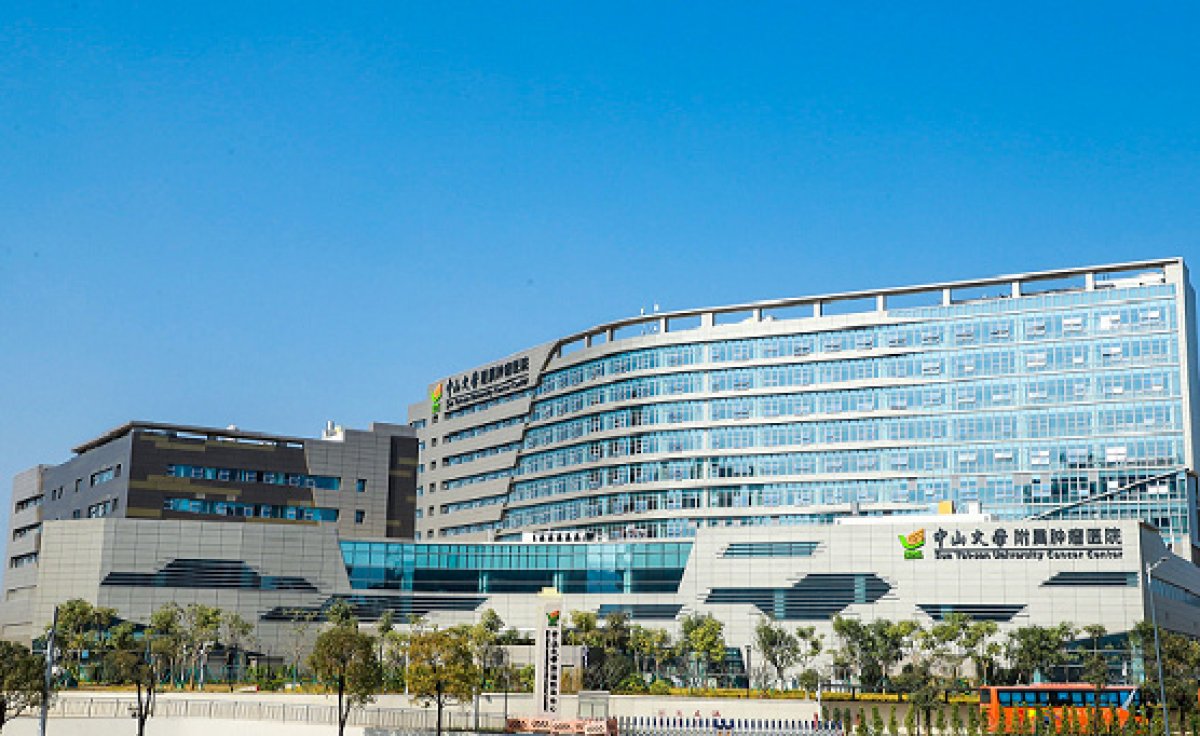
Fuda Hospital
الصين, قوانغتشو


تمت مراجعة المقالة طبيا من قبل
فهد مولود
من $250. تعتمد النفقات الإجمالية على مرحلة السرطان، ومستوى المستشفى، وما إذا كانت تُستخدم تقنيات روبوتية متقدمة. وغالباً ما يحقق المرضى القادمون من الدول الغربية وفورات تتراوح بين 50-85%. تقع أفضل مراكز العلاج في قوانغتشو وبكين وشنغهاي.
تكاليف علاج سرطان الخصية النموذجية في الصين
رؤية خبراء Bookimed: يجد المرضى في المراحل المتأخرة قيمة فائقة في المراكز المعتمدة من قبل اللجنة الدولية المشتركة (JCI) مثل مستشفى فودا للسرطان (Fuda Cancer Hospital). تتخصص هذه المنشأة في أكثر من 10 علاجات طفيفة التوغل تتجاوز العلاج الكيميائي القياسي. بالنسبة للحالات المعقدة، يُنصح باختيار خبراء مثل البروفيسور ليو شي شين في مستشفى شيامن هيومانيتي (Xiamen Humanity Hospital). إن قيادته في مجال علاج الأورام بالإشعاع تضمن بروتوكولات علاج عالية الدقة للمرضى الدوليين.
| الصين | تركيا | إسبانيا | |
|---|---|---|---|
| بدلة الخصية | ≈ $1,800 | من $5,100 | من $5,000 |
| العلاج الكيميائي لسرطان الخصية | ≈ $6,500 | ≈ $3,500 | ≈ $6,500 |
| العلاج الكيميائي لسرطان الثدي | ≈ $14,800 | من $3,000 | من $1,700 |
| العلاج الإشعاعي لسرطان القولون والمستقيم | ≈ $11,500 | من $5,000 | من $7,500 |
| العلاج الإشعاعي لسرطان الخصية | ≈ $6,500 | ≈ $4,500 | من $4,000 |
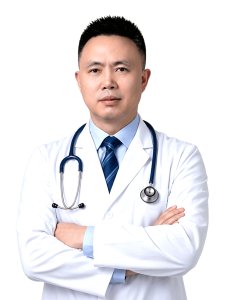
كبير الأطباء وأستاذ. خبير من الدرجة الأولى في مركز السرطان بمستشفى غرب الصين، جامعة سيتشوان (المرتبة الثانية في الصين). أنهى زمالة ما بعد الدكتوراه في الأشعة التداخلية بالمستشفى العام لجيش التحرير الشعبي الصيني. يقود رعاية فريق متعدد التخصصات (MDT) للأورام المعقدة. خبير في طب الأورام التداخلي طفيف التوغل لأورام الكبد والرئة والبنكرياس.
الاعتمادات: عضو مجلس في WATA. عضو في لجان CACA وCMDA للتدخلات، والاستئصال الحراري، والبذور المشعة، وعلاج الألم. في 2023، عضو مجلس مؤسِّس في لجنة الرعاية
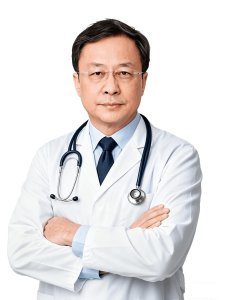
البروفيسور لوو شياوبينغ اختصاصي أشعة تداخلية معترف به على المستوى الوطني ومن أبرز الخبراء في غرب الصين. بدأ ريادة التدخلات الوعائية في أوائل التسعينيات، وأسهم في تأسيس فريق الأشعة التداخلية في المستشفى الثاني الملحق بجامعة تشونغتشينغ الطبية.
أجرى أكثر من 100 ألف إجراء تداخلي، بينها نحو 4 آلاف حالة معقدة. تشمل مهاراته الأساسية الانصمام الكيميائي عبر الشريان الكبدي (TACE) لعلاج سرطان الخلايا الكبدية، وتداخلات متلازمة بود–كياري، وإجراء TIPS، وتركيب دعامتين في مرحلة واحدة لعلاج انسداد القن
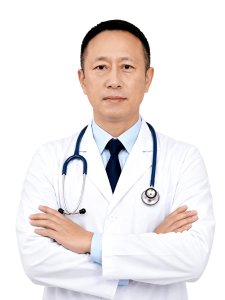
الدكتور هي ويبينغ رائد الاستئصال بالتبريد بالأرجون–الهيليوم في الصين، وله أكثر من 20 عاماً من الممارسة السريرية المباشرة. كان عضواً مؤسِّساً لمستشفى فودا للسرطان (قوانغتشو)، وشارك في تأسيس مركز علاج الأورام طفيفة التوغل فيه وتولى منصب نائب المدير التنفيذي. كما أسهم في تأسيس مجموعة الاستئصال التابعة للجمعية الصينية لمكافحة السرطان. وكان المنفّذ الرئيسي في أكثر من 10,000 إجراء.
يتخصص في الاستئصال بالتبريد للأورام، وهو متمرّس في العلاج الإشعاعي الموضعي ببذور اليود‑125، مع تركيز على سرطاني
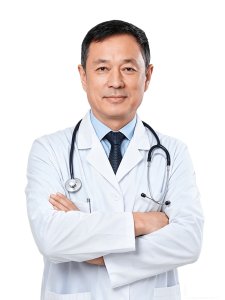
الأستاذ شياو يويونغ هو كبير الأطباء في قسم التشخيص الإشعاعي بالمستشفى العام لجيش التحرير الشعبي الصيني، وخبير بارز في طب الأورام التداخلي طفيف التوغل. يشغل منصب الرئيس المؤسس لـWATA (2025–). ويرأس الجمعية الدولية (2020–) والجمعية الآسيوية (2012–) للعلاج بالتجميد. كما أنه نائب رئيس مجموعة الخبراء بهيئة الصحة الوطنية (NHC) للوائح استئصال الأورام (2009–).
أجرى أكثر من 100,000 إجراء طفيف التوغل موجهًا بالتصوير المقطعي/الرنين المغناطيسي. يشمل عمله الاستئصال الكيميائي، والاستئصال بالترددات ا

كتب بواسطة Anna Leonova
 Anna Leonova
تحدد المستشفيات الصينية أنواع سرطان الخصية من خلال علم الأمراض بعد استئصال الخصية الإربي الجذري. يصنف الخبراء أكثر من 90% من الحالات على أنها أورام الخلايا الجرثومية. يتبع تحديد المرحلة معايير TNMS الدولية. يقوم هذا النظام بتقييم الورم الأولي، والغدد الليمفاوية، والانبثاث البعيد، وعلامات الورم في المصل.
رؤية خبير Bookimed: تتخصص المراكز المعتمدة من JCI مثل مستشفى فودا للسرطان في الحالات المتقدمة حيث يمكن استبدال العلاج الكيميائي التقليدي بعلاجات طفيفة التوغل. تظهر البيانات أن هذه المرافق تستخدم غالبًا تقنية NanoKnife والجراحة بالتبريد للحالات المعقدة. يختار العديد من المرضى هذه المراكز المتخصصة في قوانغتشو لأنها تقدم بدائل عالية التقنية للبروتوكولات القياسية مع الحفاظ على دقة التشخيص الدولية.
إجماع المرضى: يؤكد المرضى أن الكتلة الصلبة تتطلب تقييمًا عاجلاً لأن الألم غالبًا ما يكون غائبًا. كما يلاحظون أن علامات الدم الطبيعية لا تستبعد دائمًا وجود ورم خ
عادةً ما يحافظ علاج سرطان الخصية في الصين على إنتاج التستوستيرون على المدى الطويل عند بقاء خصية واحدة سليمة. يسمح الاستئصال الجراحي لخصية واحدة للأخرى بتعويض الاحتياجات الهرمونية. قد يؤدي العلاج الكيميائي أو الإشعاعي إلى تثبيط إنتاج الحيوانات المنوية مؤقتًا. يجب ترتيب حفظ الخصوبة قبل البدء في البروتوكولات السريرية المكثفة.
رؤية خبراء Bookimed: بينما يركز الكثيرون على الجراحة، فإن الخطر الهرموني الرئيسي على المدى الطويل يأتي من أنظمة العلاج الكيميائي المتقدمة. في المراكز المعتمدة من JCI مثل مستشفى فودا للسرطان، يستخدم الأطباء علاجات طفيفة التوغل مثل الجراحة بالتبريد. يمكن لهذه الأساليب المستهدفة أحيانًا تقليل التأثير الجهازي مقارنة بالعلاج الكيميائي الثقيل التقليدي.
إجماع المرضى: يؤكد المرضى أن الشعور الطبيعي لا يضمن الخصوبة، حيث غالبًا ما ينخفض عدد الحيوانات المنوية بينما يظل التستوستيرون مستقرًا. يوصون بمتابعة مستويات LH و FSH لسنوات بعد العلاج لاكتشاف أي تغيرات هرمونية متأخرة في وقت مبكر.
يتغلب المرضى الدوليون على حواجز اللغة ومتطلبات التأشيرة من خلال أقسام دولية مخصصة في المستشفيات وبروتوكولات منظمة للدعوات الطبية. يدير ميسرون متخصصون الترجمة للتسجيل والسجلات الطبية. تعد دعوات المستشفى الرسمية وإثبات الأهلية المالية ضرورية لتأمين تأشيرات السفر الطبي اللازمة.
رؤية خبير Bookimed: تخدم المراكز المعتمدة من قبل JCI مثل مستشفى فودا للسرطان في قوانغتشو أكثر من 30,000 مريض دولي. هذا الحجم الكبير يعني غالبًا أن الموظفين الإداريين أكثر دراية بالأوراق الدولية. اختيار منشأة بها جناح دولي مخصص يبسط عملية التسجيل الأولية. هذا هو المكان الذي تحدث فيه معظم صعوبات التواصل عادةً للمرضى الجدد.
إجماع المرضى: يؤكد المرضى أن أكبر التحديات تحدث أثناء التسجيل ودفع الفواتير وليس أثناء استشارات الطبيب. يوصون بالاحتفاظ بترجمات صينية مطبوعة لتشخيصك وعنوان المستشفى للمساعدة في النقل المحلي وتسجيل الوصول مع الموظفين.
يتم دمج الطب الصيني التقليدي (TCM) بأمان مع البروتوكولات الغربية لسرطان الخصية من خلال نهج داعم غير قابل للابتلاع. يعمل الوخز بالإبر وتمارين العقل والجسم مثل تاي تشي على إدارة الآثار الجانبية للعلاج الكيميائي بفعالية. تتطلب الأعشاب القابلة للابتلاع مراجعة أورام صارمة لمنع سمية الكبد أو التفاعلات الدوائية الخطيرة.
رؤية خبير Bookimed: تسلط البيانات السريرية من المرافق المعتمدة من JCI مثل مستشفى فودا للسرطان الضوء على التحول نحو علاجات طفيفة التوغل عالية التقنية. تستخدم العيادات العلاج الحراري بالميكروويف والجراحة بالتبريد جنبًا إلى جنب مع البروتوكولات الغربية بدلاً من العلاجات العشبية التقليدية. يضمن هذا التركيز على تكنولوجيا الدقة عدم تداخل العلاجات مع معدل البقاء على قيد الحياة بنسبة 99% النموذجي لسرطان الخصية في مراحله المبكرة.
إجماع المرضى: يؤكد المرضى على استخدام طب الأورام الغربي كعمود فقري أساسي للعلاج مع النظر إلى الطب الصيني التقليدي فقط للتعافي والشهية. يحذر معظمهم من أن الطبيعي لا يعني آمنًا ويحثون الآخرين على تقديم قوائم ك