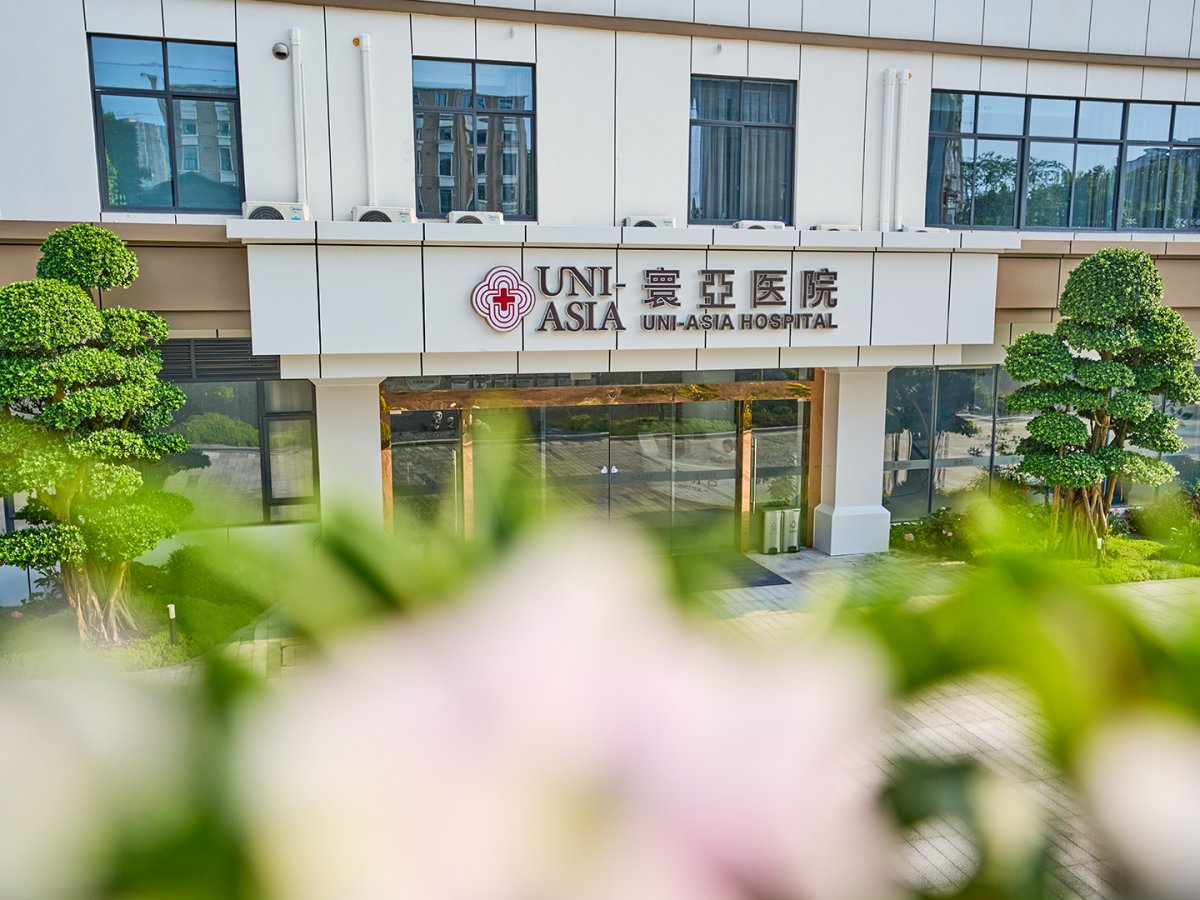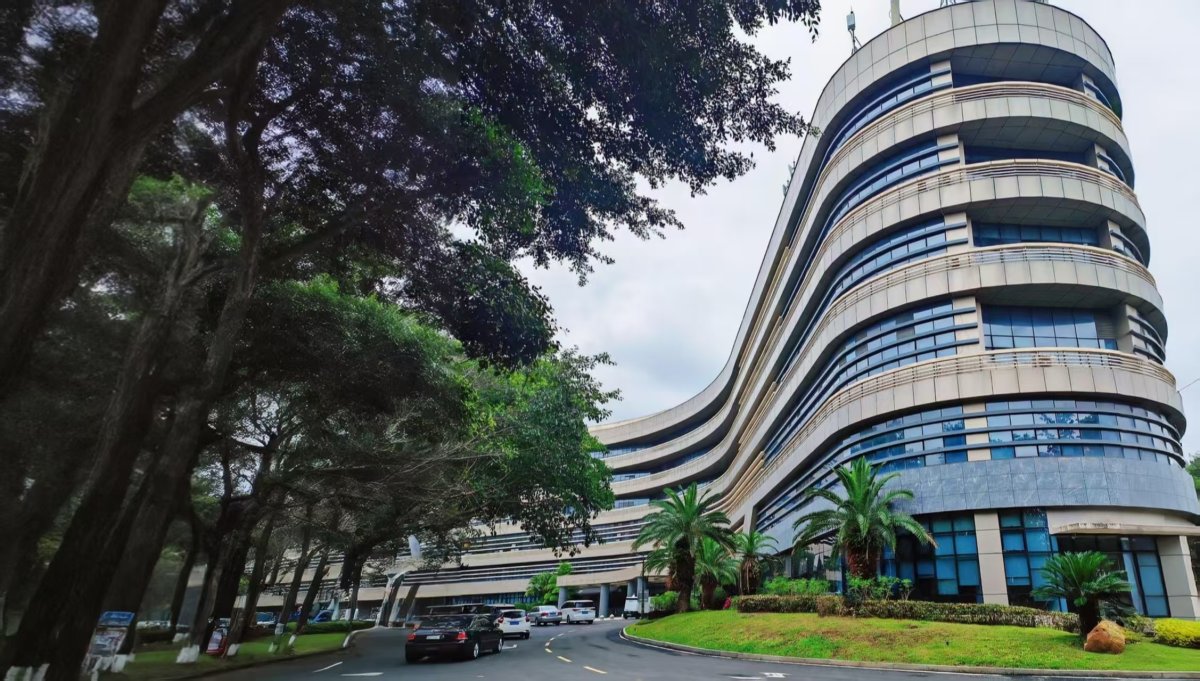
Boao International Medical Center
الصين, تشيونغهاي


تمت مراجعة المقالة طبيا من قبل
فهد مولود
Lung cancer stage 4 treatment cost in China typically includes essential diagnostics like a CT of the chest, which runs from $250. Primary medical interventions such as chemotherapy for breast cancer cost $14,800 to $31,000, while stereotaxic radiosurgery ranges from $7,500 to $12,500. Total expenses depend on drug origin, hospital tier, and systemic therapy needs. International patients often save approximately 50-70% compared to the US. Top treatment hubs include Guangzhou, Shanghai, and Beijing.
Typical Lung Cancer Stage 4 Treatment Costs in China
Bookimed Expert Insight: Advanced stage patients benefit from minimally invasive alternatives to traditional systemic therapy. Fuda Cancer Hospital specializes in cryosurgery and NanoKnife for complex cases. These specialized protocols have served over 30,000 international patients. JCI-accredited facilities in Guangzhou provide high-value care for late-stage diagnoses. For precision radiation, Xiamen Humanity Hospital offers expert IMRT and SBRT under State Council recognized specialists. Professional coordination of thermal ablation and interventional skills ensures targeted disease management.
| الصين | تركيا | إسبانيا | |
|---|---|---|---|
| جراحة سرطان الرئة | من $14,800 | من $8,500 | من $29,900 |
| جراحة التجسيمي | ≈ $7,500 | من $6,400 | من $18,100 |
| العلاج الكيميائي لسرطان الثدي | ≈ $14,800 | من $3,000 | من $1,700 |
| العلاج الإشعاعي لسرطان القولون والمستقيم | ≈ $11,500 | من $5,000 | من $7,500 |
| استئصال الرئة | ≈ $24,000 | من $9,800 | من $22,000 |
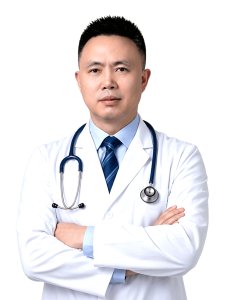
كبير الأطباء وأستاذ. خبير من الدرجة الأولى في مركز السرطان بمستشفى غرب الصين، جامعة سيتشوان (المرتبة الثانية في الصين). أنهى زمالة ما بعد الدكتوراه في الأشعة التداخلية بالمستشفى العام لجيش التحرير الشعبي الصيني. يقود رعاية فريق متعدد التخصصات (MDT) للأورام المعقدة. خبير في طب الأورام التداخلي طفيف التوغل لأورام الكبد والرئة والبنكرياس.
الاعتمادات: عضو مجلس في WATA. عضو في لجان CACA وCMDA للتدخلات، والاستئصال الحراري، والبذور المشعة، وعلاج الألم. في 2023، عضو مجلس مؤسِّس في لجنة الرعاية
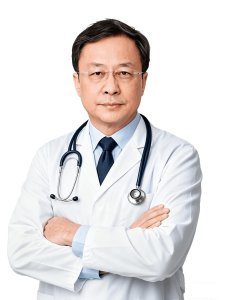
البروفيسور لوو شياوبينغ اختصاصي أشعة تداخلية معترف به على المستوى الوطني ومن أبرز الخبراء في غرب الصين. بدأ ريادة التدخلات الوعائية في أوائل التسعينيات، وأسهم في تأسيس فريق الأشعة التداخلية في المستشفى الثاني الملحق بجامعة تشونغتشينغ الطبية.
أجرى أكثر من 100 ألف إجراء تداخلي، بينها نحو 4 آلاف حالة معقدة. تشمل مهاراته الأساسية الانصمام الكيميائي عبر الشريان الكبدي (TACE) لعلاج سرطان الخلايا الكبدية، وتداخلات متلازمة بود–كياري، وإجراء TIPS، وتركيب دعامتين في مرحلة واحدة لعلاج انسداد القن
الدكتور هي ويبينغ رائد الاستئصال بالتبريد بالأرجون–الهيليوم في الصين، وله أكثر من 20 عاماً من الممارسة السريرية المباشرة. كان عضواً مؤسِّساً لمستشفى فودا للسرطان (قوانغتشو)، وشارك في تأسيس مركز علاج الأورام طفيفة التوغل فيه وتولى منصب نائب المدير التنفيذي. كما أسهم في تأسيس مجموعة الاستئصال التابعة للجمعية الصينية لمكافحة السرطان. وكان المنفّذ الرئيسي في أكثر من 10,000 إجراء.
يتخصص في الاستئصال بالتبريد للأورام، وهو متمرّس في العلاج الإشعاعي الموضعي ببذور اليود‑125، مع تركيز على سرطاني
الأستاذ شياو يويونغ هو كبير الأطباء في قسم التشخيص الإشعاعي بالمستشفى العام لجيش التحرير الشعبي الصيني، وخبير بارز في طب الأورام التداخلي طفيف التوغل. يشغل منصب الرئيس المؤسس لـWATA (2025–). ويرأس الجمعية الدولية (2020–) والجمعية الآسيوية (2012–) للعلاج بالتجميد. كما أنه نائب رئيس مجموعة الخبراء بهيئة الصحة الوطنية (NHC) للوائح استئصال الأورام (2009–).
أجرى أكثر من 100,000 إجراء طفيف التوغل موجهًا بالتصوير المقطعي/الرنين المغناطيسي. يشمل عمله الاستئصال الكيميائي، والاستئصال بالترددات ا
 Anna Leonova
تقدم الصين علاجات متقدمة لسرطان الرئة في المرحلة الرابعة، بما في ذلك مثبطات تيروزين كيناز الخاصة بالطفرات والعلاجات المناعية المطورة محلياً. يحصل المرضى على أدوية من الجيل التالي مثل Sunvozertinib لطفرات EGFR وتدخلات متخصصة مثل NanoKnife أو الجراحة بالتبريد. توفر المرافق المعتمدة من JCI في قوانغتشو وشيامن هذه البروتوكولات عالية التقنية.
رؤية خبير Bookimed: يتفوق المشهد الأورامي في الصين في الجمع بين الأشعة التداخلية والأدوية الجهازية. تظهر البيانات أن عيادات مثل مستشفى فودا للسرطان تخدم أكثر من 30,000 مريض باستخدام علاج `3C`. يجمع هذا بين الجراحة بالتبريد، والتدخل المجهري للأوعية الدموية للسرطان، والعلاج المناعي المشترك. بينما تركز العديد من البلدان فقط على الأدوية، غالباً ما تدمج البروتوكولات الصينية التدمير الفيزيائي للورم للحالات المتقدمة.
إجماع المرضى: يؤكد المرضى على الحاجة إلى اختبارات جينومية واسعة النطاق لمطابقة الطفرات مع الدواء المناسب. يلاحظ الكثيرون أن النتائج تتحسن بشكل ملحوظ عند طلب الر
تشمل المستشفيات الصينية الرائدة لعلاج سرطان الرئة في مراحل متقدمة مراكز معتمدة من اللجنة الدولية المشتركة (JCI) ومراكز أورام متخصصة في قوانغتشو وشيامن. تركز هذه المرافق على التنميط الجزيئي، والجراحة بالتبريد، والاستئصال بالموجات الدقيقة. وهي توفر بدائل للمرضى الذين لا يستطيعون تحمل العلاج الكيميائي الجهازي التقليدي أو الجراحة القياسية.
رؤية خبير Bookimed: بينما يبحث الكثيرون عن مراكز عامة مشهورة، غالباً ما توفر المستشفيات الخاصة المتخصصة في قوانغتشو وصولاً أسرع إلى العلاجات التداخلية. ساهم الدكتور ليويينغ في مستشفى جينشاتشو بشكل خاص في الإجماع الوطني للخبراء حول استئصال أورام الرئة. يركز هؤلاء المتخصصون على تدمير الورم محلياً عندما تتطور مقاومة جهازية بعد العلاجات الموجهة الأولية.
إجماع المرضى: يؤكد المرضى على أهمية العثور على مراكز تجري اختبارات جزيئية سريعة ومراجعات فورية للخزعات. يشير الكثيرون إلى أن السفر إلى المدن ا
يمكن للمرضى الدوليين الانضمام قانونياً إلى التجارب السريرية لسرطان الرئة في الصين. توجد معظم الفرص ضمن التجارب السريرية متعددة المناطق (MRCTs) أو بروتوكولات محددة دون قيود عرقية. تتطلب المشاركة استيفاء ملفات تعريف صارمة للمؤشرات الحيوية. يجب على المرضى أيضاً إدارة وثائق قانونية معقدة باللغة الصينية وتأشيرات إقامة طويلة الأمد.
رؤية خبير Bookimed: يختلف التسجيل في التجارب السريرية عن العلاج المدفوع الخاص في المراكز المعتمدة من JCI. يشارك أطباء مثل الدكتور ليويينغ في مستشفى جينشاتشو في مشاريع بحثية إقليمية. ومع ذلك، قد تكون لهذه الدراسات الأكاديمية حدود عمرية أكثر صرامة من التجارب الغربية. اختر مراكز ذات حجم كبير مثل مستشفى فودا للسرطان، الذي عالج مرضى من أكثر من 100 دولة، لضمان دعم لوجستي أفضل.
إجماع المرضى: يشير المرضى إلى أن فحص التجارب يستغرق وقتاً بينما يتطور سرطان المرحلة الرابعة بسرعة. ويؤكدون على أهمية الحصول على اختبارات كاملة للمؤشرات الح
يعمل الطب الصيني التقليدي (TCM) كعلاج داعم لسرطان الرئة في المرحلة الرابعة. وهو يتكامل مع البروتوكولات الغربية مثل العلاج الكيميائي والعلاج المناعي. يهدف النهج إلى تقليل سمية العلاج. يركز المتخصصون على تعزيز المناعة وحماية وظائف الأعضاء أثناء رعاية الأورام المتقدمة.
رؤية خبير Bookimed: غالبًا ما يتميز التكامل السريري في الصين بقيادة متخصصة. في مستشفى جينشاتشو التابع لجامعة قوانغتشو للطب الصيني، تقود الدكتورة ليويينغ جناح الأورام مع امتلاكها مؤهلات في كل من الطب الصيني والاستئصال الحراري المتقدم. تسمح هذه الخبرة المزدوجة بتوقيت دقيق لعلاجات الطب الصيني التقليدي لدعم التدخلات مثل الميكروويف أو الاستئصال بالتبريد دون المساس بعلاج السرطان الأساسي.
إجماع المرضى: يشير المرضى إلى أن الطب الصيني التقليدي فعال للغاية في استعادة الشهية وإدارة الإرهاق الشديد بين دورات العلاج الكيميائي. يؤكد معظمهم أن مشاركة جميع المكونات العشبية مع طبيب الأورام الأساسي الخاص بهم أمر حيوي لتجنب التفاعلات الدوائية.
تعتمد اللياقة للسفر إلى الصين على استقرار الجهاز التنفسي والحصول على تصريح رسمي من طبيب الأورام. تشكل الرحلات الجوية الطويلة مخاطر مثل نقص الأكسجة وتجلط الأوردة العميقة لمرضى المرحلة الرابعة. توفر المراكز المتخصصة في قوانغتشو بدائل طفيفة التوغل للعلاج الكيميائي. هذه المرافق معتمدة من قبل اللجنة الدولية المشتركة (Joint Commission International) لضمان السلامة.
رؤية خبراء Bookimed: تعالج مراكز الأورام الرائدة في الصين مثل مستشفى فودا أكثر من 30,000 مريض دولي باستخدام تقنيات طفيفة التوغل محددة. تظهر بياناتنا أن هذه المرافق غالبًا ما تقبل الحالات في مراحل متأخرة قد يرفضها الآخرون. إنهم يستخدمون أكثر من 10 تقنيات مختلفة للاستئصال الحراري لاستهداف الأورام دون الحاجة إلى جراحة كبرى تقليدية. هذا التركيز المتخصص على المراحل المتقدمة يجعلها خيارًا متكررًا للرعاية التلطيفية أو المعقدة.
إجماع المرضى: يؤكد المرضى على ضرورة استقرار الأعراض مثل الألم أو الانصباب الجنبي قبل السفر. كما يوصون بترتيب الأ
تتبع الصين إرشادات CSCO التي تعكس إلى حد كبير معايير NCCN وESMO الغربية لسرطان الرئة في المرحلة الرابعة. تعطي البروتوكولات الأولوية للعلاج الموجه القائم على المؤشرات الحيوية والعلاج المناعي. تُظهر المراكز الصينية معدلات طفرة EGFR أعلى، مما يوجه التركيز نحو مثبطات تيروزين كيناز محددة وأنظمة علاجية مركبة قوية.
رؤية خبير Bookimed: تُظهر البيانات من المرافق رفيعة المستوى مثل مستشفى فودا للسرطان تركيزاً متميزاً على الجمع بين الأدوية الجهازية والتدخلات المحلية المتقدمة. بينما تظل البروتوكولات الغربية غالباً جهازية للمرحلة الرابعة، يدمج المتخصصون الصينيون بشكل متكرر الاستئصال بالموجات الدقيقة أو الجراحة بالتبريد للانبثاث. يهدف هذا النهج الموضعي الإقليمي القوي إلى تقليل عبء الورم جنباً إلى جنب مع العلاج الكيميائي أو المناعي القياسي.
إجماع المرضى: يشير المرضى إلى أن تلقي رعاية بمعايير دولية يعتمد على اختيار المستشفيات الحضرية الكبرى التي توفر اختبارات جزيئية واسعة النطاق. ويؤكدون على أهمية الحصول على جميع بيانات الطفرات كتابياً