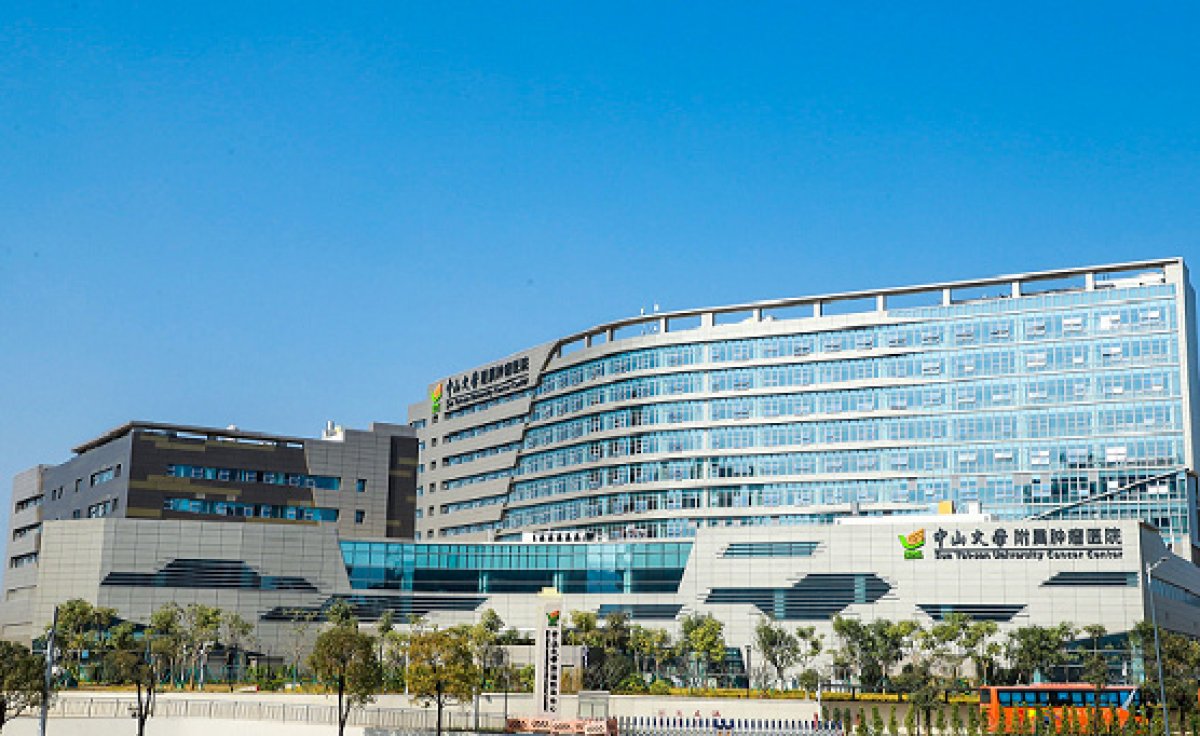
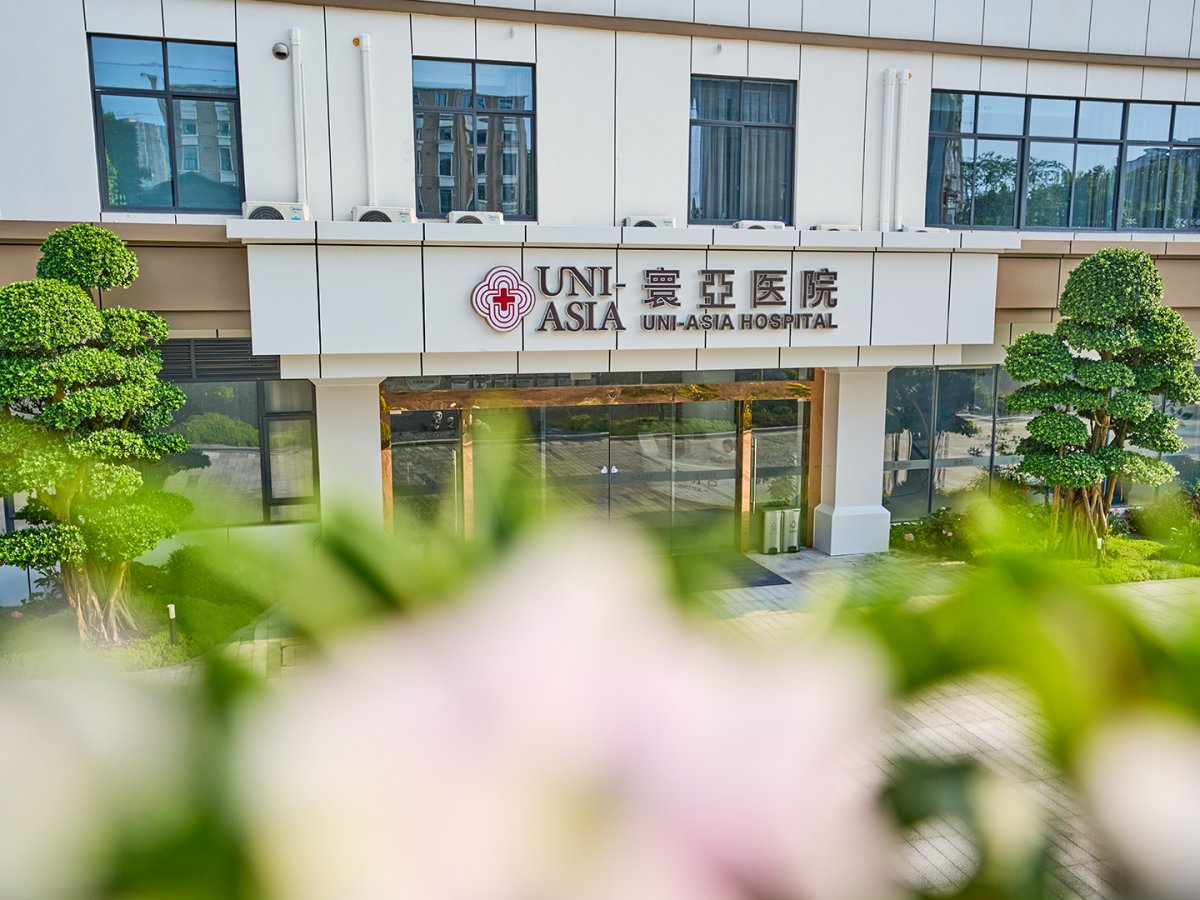
Fuda Hospital
الصين, قوانغتشو


تمت مراجعة المقالة طبيا من قبل
فهد مولود
تتراوح تكلفة علاج سرطان الرحم في الصين عادةً ما بين $6,200 إلى $11,000 للتدخلات الجراحية طفيفة التوغل. وتبلغ تكلفة الإجراءات الرئيسية مثل استئصال الرحم باستخدام روبوت دافنشي ما بين $9,500 إلى $17,000. تعتمد التكاليف الإجمالية على مرحلة السرطان، ومستوى المستشفى، والمزيج العلاجي المحدد. وغالبًا ما يحقق المرضى وفورات تتراوح بين 40-60% مقارنة بالولايات المتحدة. تشمل أفضل المدن لتلقي الرعاية قوانغتشو وشانغهاي وبكين.
تكاليف علاج سرطان الرحم النموذجية في الصين
رؤية خبراء Bookimed: بالنسبة للحالات المتقدمة أو المتأخرة، توفر المراكز المتخصصة قيمة عالية من خلال تدخلات غير تقليدية. يستخدم مستشفى فودا للسرطان (Fuda Cancer Hospital) معايير معتمدة من اللجنة الدولية المشتركة (JCI) لعلاجات مثل الجراحة بالتبريد وتقنية النانو نايف (NanoKnife). يستفيد المرضى الذين يبحثون عن رعاية دقيقة من خبرات أطباء مثل الدكتور ليو شي شين في مستشفى شيامن هيومانيتي (Xiamen Humanity Hospital)، وهو متخصص في تقنيات العلاج الإشعاعي المتقدمة SBRT وVMAT للأورام الخبيثة في البطن.
| الصين | تركيا | إسبانيا | |
|---|---|---|---|
| العلاج بالهرمونات | ≈ $3,500 | من $1,100 | من $600 |
| العلاج الكيميائي لسرطان الرحم | ≈ $4,500 | من $3,000 | من $2,800 |
| العلاج الإشعاعي لسرطان الرحم | ≈ $6,500 | من $6,500 | من $13,500 |
| العلاج الإشعاعي الموضعي لسرطان الرحم | ≈ $4,500 | ≈ $3,800 | من $6,000 |
| استئصال الرحم بواسطة روبوت دا فنشي | ≈ $9,500 | من $14,600 | من $21,600 |
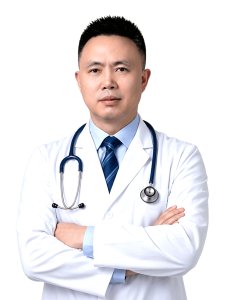
كبير الأطباء وأستاذ. خبير من الدرجة الأولى في مركز السرطان بمستشفى غرب الصين، جامعة سيتشوان (المرتبة الثانية في الصين). أنهى زمالة ما بعد الدكتوراه في الأشعة التداخلية بالمستشفى العام لجيش التحرير الشعبي الصيني. يقود رعاية فريق متعدد التخصصات (MDT) للأورام المعقدة. خبير في طب الأورام التداخلي طفيف التوغل لأورام الكبد والرئة والبنكرياس.
الاعتمادات: عضو مجلس في WATA. عضو في لجان CACA وCMDA للتدخلات، والاستئصال الحراري، والبذور المشعة، وعلاج الألم. في 2023، عضو مجلس مؤسِّس في لجنة الرعاية
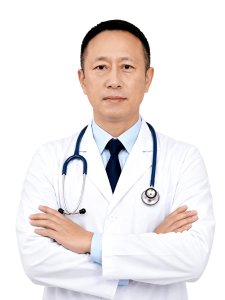
الدكتور هي ويبينغ رائد الاستئصال بالتبريد بالأرجون–الهيليوم في الصين، وله أكثر من 20 عاماً من الممارسة السريرية المباشرة. كان عضواً مؤسِّساً لمستشفى فودا للسرطان (قوانغتشو)، وشارك في تأسيس مركز علاج الأورام طفيفة التوغل فيه وتولى منصب نائب المدير التنفيذي. كما أسهم في تأسيس مجموعة الاستئصال التابعة للجمعية الصينية لمكافحة السرطان. وكان المنفّذ الرئيسي في أكثر من 10,000 إجراء.
يتخصص في الاستئصال بالتبريد للأورام، وهو متمرّس في العلاج الإشعاعي الموضعي ببذور اليود‑125، مع تركيز على سرطاني
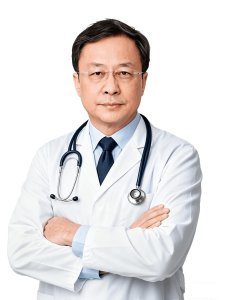
البروفيسور لوو شياوبينغ اختصاصي أشعة تداخلية معترف به على المستوى الوطني ومن أبرز الخبراء في غرب الصين. بدأ ريادة التدخلات الوعائية في أوائل التسعينيات، وأسهم في تأسيس فريق الأشعة التداخلية في المستشفى الثاني الملحق بجامعة تشونغتشينغ الطبية.
أجرى أكثر من 100 ألف إجراء تداخلي، بينها نحو 4 آلاف حالة معقدة. تشمل مهاراته الأساسية الانصمام الكيميائي عبر الشريان الكبدي (TACE) لعلاج سرطان الخلايا الكبدية، وتداخلات متلازمة بود–كياري، وإجراء TIPS، وتركيب دعامتين في مرحلة واحدة لعلاج انسداد القن
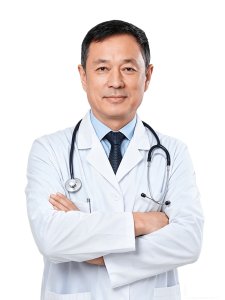
الأستاذ شياو يويونغ هو كبير الأطباء في قسم التشخيص الإشعاعي بالمستشفى العام لجيش التحرير الشعبي الصيني، وخبير بارز في طب الأورام التداخلي طفيف التوغل. يشغل منصب الرئيس المؤسس لـWATA (2025–). ويرأس الجمعية الدولية (2020–) والجمعية الآسيوية (2012–) للعلاج بالتجميد. كما أنه نائب رئيس مجموعة الخبراء بهيئة الصحة الوطنية (NHC) للوائح استئصال الأورام (2009–).
أجرى أكثر من 100,000 إجراء طفيف التوغل موجهًا بالتصوير المقطعي/الرنين المغناطيسي. يشمل عمله الاستئصال الكيميائي، والاستئصال بالترددات ا
 Anna Leonova
العلاج القياسي لخط الدفاع الأول لسرطان الرحم في الصين هو الاستئصال الجراحي. يقوم الجراحون عادةً بإجراء استئصال كامل للرحم مع استئصال البوق والمبيض على كلا الجانبين. يزيل هذا الإجراء الرحم والمبيضين وقناتي فالوب. تستخدم المراكز المتخصصة أيضًا تقنيات دافنشي الروبوتية أو تنظير البطن لتحديد المرحلة بأقل تدخل جراحي.
رؤية خبير Bookimed: تظهر البيانات السريرية أن مراكز الأورام الصينية مثل مستشفى فودا للسرطان تعالج غالبًا الحالات المتقدمة حيث تكون الجراحة القياسية غير كافية. تستخدم هذه المرافق المتخصصة الجراحة بالتبريد والحرارة المفرطة بالموجات الدقيقة لتحسين النتائج للمرضى في المراحل المتأخرة. يوفر هذا التركيز على الاستئصال الحراري بديلاً عندما يحتاج العلاج الجهازي التقليدي لخط الدفاع الأول إلى تعزيز محلي.
إجماع المرضى: يؤكد المرضى على أهمية إجراء الجراحة الأولية من قبل طبيب أورام نسائية. ويشيرون إلى أن نتائج علم الأمراض من العملية الأولى غالبًا ما تحدد خطة العلاج المستقبلية بأكملها.
يعالج أطباء الأورام الصينيون سرطان بطانة الرحم باستخدام بروتوكولات محلية طورتها الجمعية الصينية للأورام السريرية. تدمج هذه الأطر نظام تصنيف FIGO الدولي ومعايير NCCN. يتبع المتخصصون أيضًا إجماعًا جزيئيًا محددًا لتوجيه العلاجات المساعدة الدقيقة والعلاج المناعي للحالات المتكررة.
رؤية خبير Bookimed: غالبًا ما يشغل كبار الخبراء الصينيين أدوارًا قيادية مزدوجة في الهيئات الوطنية. يشغل الدكتور ليو شي شين في مستشفى شيامن الإنساني منصب نائب رئيس الجمعية الطبية الصينية والجمعية الصينية لمكافحة السرطان. وهذا يضمن توافق خطط العلاج بشكل صارم مع الأبحاث الوطنية رفيعة المستوى وأحدث بروتوكولات علاج الأورام بالإشعاع.
إجماع المرضى: يذكر المرضى أن خطط العلاج غالبًا ما تتغير بعد تقرير علم الأمراض النهائي. ويوصون بسؤال الأطباء عن كيفية مقارنة التوصيات المحلية تحديدًا بمعايير NCCN أو FIGO الدولية.
يتوفر العلاج المناعي لسرطان الرحم في الصين من خلال مثبطات نقاط التفتيش المناعية مثل مثبطات PD-1. تدمج الإرشادات الطبية الوطنية هذه الأدوية للحالات المتقدمة أو المتكررة. تعتمد الأهلية على حالة المؤشرات الحيوية الجزيئية. يتطلب ذلك اختبارات باثولوجية محددة مثل ملفات تعريف MSI-H أو dMMR للتنبؤ بالاستجابة للدواء.
رؤية خبير Bookimed: تُظهر مراكز الأورام الصينية قدرة متميزة في إدارة سرطان الرحم في مراحل متأخرة. عالج مستشفى فودا للسرطان في قوانغتشو أكثر من 30,000 مريض دولي باستخدام نهج متعدد الوسائط. غالباً ما يجمعون بين العلاج المناعي الجهازي والعلاجات المحلية مثل الجراحة بالتبريد أو فرط الحرارة بالموجات الدقيقة. تستهدف هذه الاستراتيجية الورم الأولي بينما يدير العلاج المناعي الانتشار المجهري في جميع أنحاء الجسم.
إجماع المرضى: يؤكد المرضى أن الاختبارات الجزيئية هي خطوة أولى حيوية قبل بدء العلاج. غالباً ما يوصون بزيارة مراكز السرطان المتخصصة الكبيرة لضمان الوصول إلى أحدث مجموعات الأدوية.
تشمل علاجات سرطان الرحم طفيفة التوغل في الصين الجراحة بالتبريد، واستئصال NanoKnife، والجراحة بمساعدة الروبوت. تفيد هذه الخيارات المرضى ذوي المخاطر العالية الذين لا يتحملون الجراحة المفتوحة التقليدية بسبب العمر أو أمراض القلب. تستخدم المراكز المتخصصة العلاج الإشعاعي الدقيق مثل SBRT والعلاج الإشعاعي الموضعي لاستهداف الأورام مع الحفاظ على الأنسجة السليمة.
رؤية خبير Bookimed: يوفر مستشفى فودا للسرطان في قوانغتشو أكثر من 10 أنواع من العلاجات طفيفة التوغل. هذه الخبرة القائمة على الحجم كبيرة. بينما تركز العديد من العيادات على العلاج الكيميائي القياسي، غالبًا ما تعطي المراكز الصينية المتخصصة الأولوية للاستئصال الموضعي مثل العلاج الحراري بالميكروويف. وهذا يسمح بعلاج فعال حتى في المراحل المتقدمة حيث تكون الجراحة موانع استعمال.
إجماع المرضى: يؤكد المرضى أن الخيارات غير الجراحية مثل العلاج الهرموني تحافظ بفعالية على الوظيفة ولكنها تتطلب مراقبة صارمة. يوصي الكثيرون بطلب آراء الخبراء حول الأساليب الروبوتية عندما تعتبر الجراحة التقليدية محفو
يمكن للشابات في الصين الحفاظ على خصوبتهن أثناء علاج سرطان بطانة الرحم إذا استوفين معايير صارمة. تتطلب الأهلية وجود أورام من المرحلة IA، الدرجة 1، محصورة في بطانة الرحم. تستخدم المراكز الطبية الصينية العلاج بالبروجستين بجرعات عالية أو اللولب الهرموني. يجنب هذا النهج استئصال الرحم الفوري للمريضات الملتزمات.
رؤية خبراء Bookimed: تُظهر بيانات المرضى من المراكز المعتمدة من JCI مثل مستشفى فودا للسرطان تحولاً قوياً نحو العلاجات طفيفة التوغل. غالباً ما تجمع بروتوكولات الأورام الصينية بين الأدوية الأيضية مثل الميتفورمين والهرمونات لتعزيز الاستجابة للعلاج. يعكس هذا اتجاهاً حيث تدير المراكز الحضرية الكبرى أكثر من 30,000 حالة دولية سنوياً. تؤدي هذه الأحجام الكبيرة إلى بروتوكولات أكثر دقة للحفاظ على الخصوبة مقارنة بمراكز الجراحة العامة.
إجماع المرضى: تؤكد المريضات أن المراقبة مكثفة وتتطلب خزعات وموجات فوق صوتية متكررة لمراقبة التقدم. تشير الكثيرات إلى أن استئصال الرحم غالباً ما يظل ضرورياً بمجرد اكتمال الإنجاب بنجاح.
يُعد الطب الصيني التقليدي (TCM) في الصين علاجاً داعماً لسرطان بطانة الرحم إلى جانب الجراحة والعلاج الكيميائي. تساعد طرق مثل الوخز بالإبر والتركيبات العشبية في إدارة الآثار الجانبية للعلاج. تهدف هذه الأساليب إلى تحسين جودة الحياة ووظيفة المناعة أثناء رعاية الأورام التقليدية.
رؤية خبير Bookimed: بينما تركز عيادات مثل مستشفى فودا للسرطان على تقنيات طفيفة التوغل مثل الجراحة بالتبريد و NanoKnife، فإنها تعمل ضمن بيئة تكاملية. تظهر البيانات أن المرافق المعتمدة من قبل JCI في الصين غالباً ما تستخدم الطب الصيني التقليدي لمساعدة المرضى على تحمل هذه الإجراءات المتقدمة. يهدف هذا التآزر إلى الحفاظ على القوة البدنية للمريض حتى لا يضطر إلى تأجيل العلاجات التقليدية المجدولة.
إجماع المرضى: يشير المرضى إلى أن الطب الصيني التقليدي هو الأكثر قيمة للأداء اليومي وإدارة العبء الثقيل للعلاج الكيميائي. يؤكد معظمهم أن العلاجات العشبية يجب أن تكمل الجراحة فقط بدلاً من استبدالها لتجنب مخاطر السلامة.