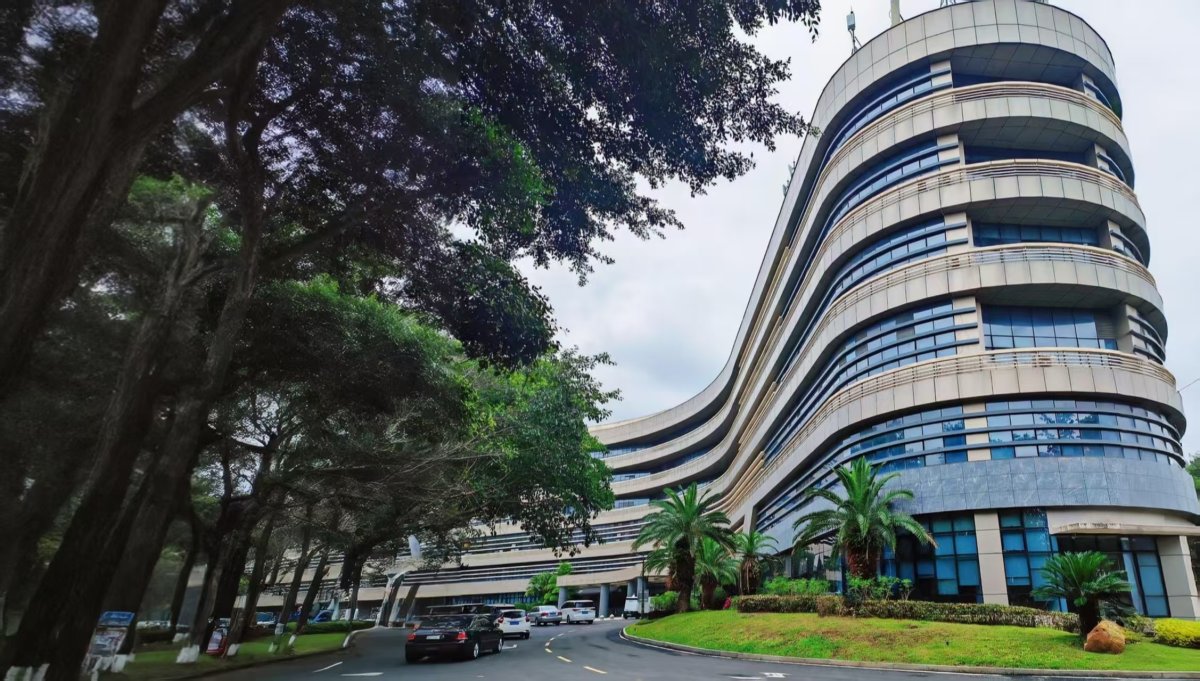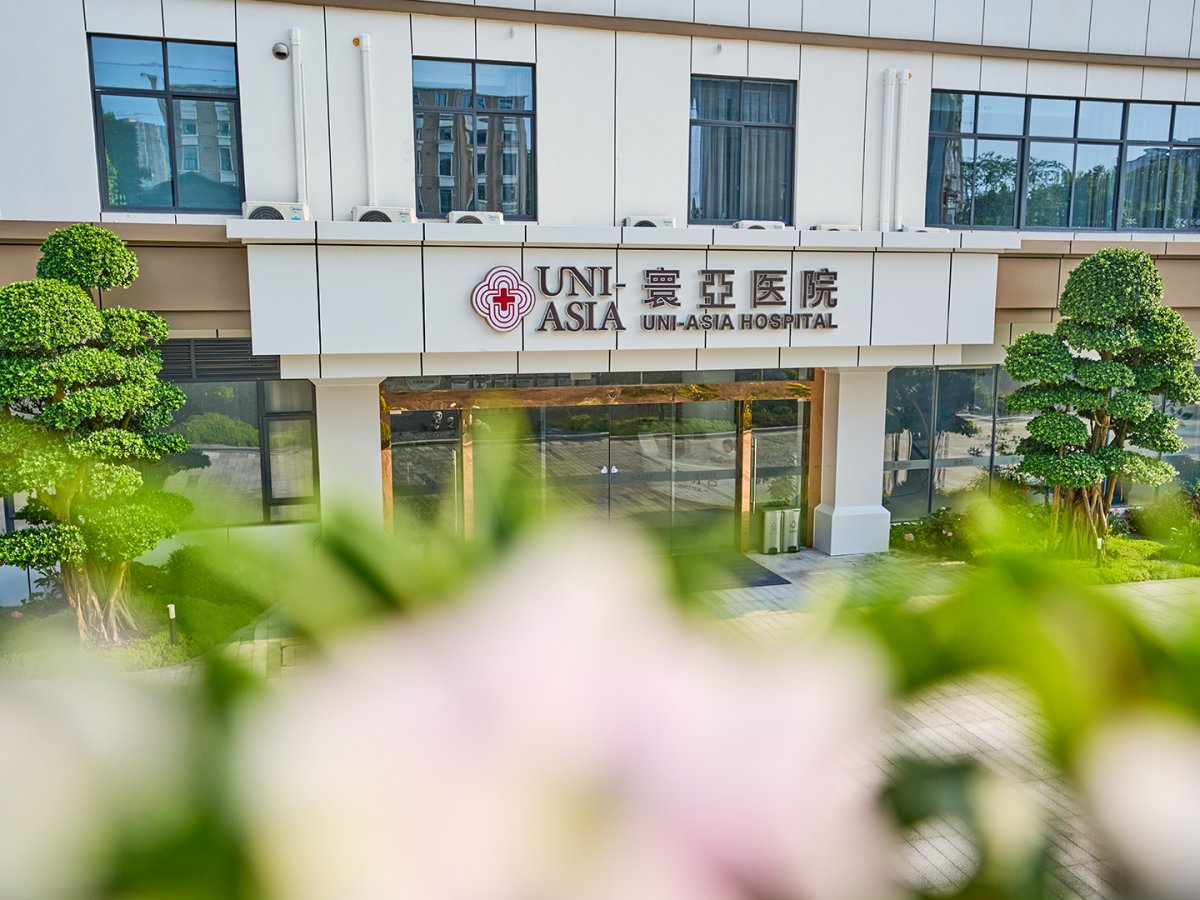
uni-asia hospital
الصين, تشنغدو


تمت مراجعة المقالة طبيا من قبل
فهد مولود
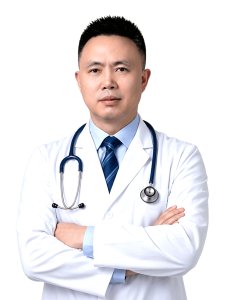
كبير الأطباء وأستاذ. خبير من الدرجة الأولى في مركز السرطان بمستشفى غرب الصين، جامعة سيتشوان (المرتبة الثانية في الصين). أنهى زمالة ما بعد الدكتوراه في الأشعة التداخلية بالمستشفى العام لجيش التحرير الشعبي الصيني. يقود رعاية فريق متعدد التخصصات (MDT) للأورام المعقدة. خبير في طب الأورام التداخلي طفيف التوغل لأورام الكبد والرئة والبنكرياس.
الاعتمادات: عضو مجلس في WATA. عضو في لجان CACA وCMDA للتدخلات، والاستئصال الحراري، والبذور المشعة، وعلاج الألم. في 2023، عضو مجلس مؤسِّس في لجنة الرعاية
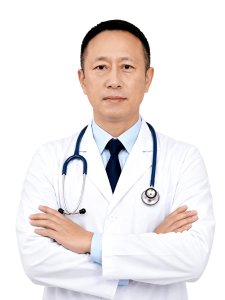
الدكتور هي ويبينغ رائد الاستئصال بالتبريد بالأرجون–الهيليوم في الصين، وله أكثر من 20 عاماً من الممارسة السريرية المباشرة. كان عضواً مؤسِّساً لمستشفى فودا للسرطان (قوانغتشو)، وشارك في تأسيس مركز علاج الأورام طفيفة التوغل فيه وتولى منصب نائب المدير التنفيذي. كما أسهم في تأسيس مجموعة الاستئصال التابعة للجمعية الصينية لمكافحة السرطان. وكان المنفّذ الرئيسي في أكثر من 10,000 إجراء.
يتخصص في الاستئصال بالتبريد للأورام، وهو متمرّس في العلاج الإشعاعي الموضعي ببذور اليود‑125، مع تركيز على سرطاني
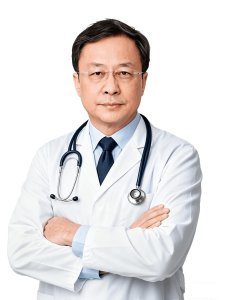
البروفيسور لوو شياوبينغ اختصاصي أشعة تداخلية معترف به على المستوى الوطني ومن أبرز الخبراء في غرب الصين. بدأ ريادة التدخلات الوعائية في أوائل التسعينيات، وأسهم في تأسيس فريق الأشعة التداخلية في المستشفى الثاني الملحق بجامعة تشونغتشينغ الطبية.
أجرى أكثر من 100 ألف إجراء تداخلي، بينها نحو 4 آلاف حالة معقدة. تشمل مهاراته الأساسية الانصمام الكيميائي عبر الشريان الكبدي (TACE) لعلاج سرطان الخلايا الكبدية، وتداخلات متلازمة بود–كياري، وإجراء TIPS، وتركيب دعامتين في مرحلة واحدة لعلاج انسداد القن
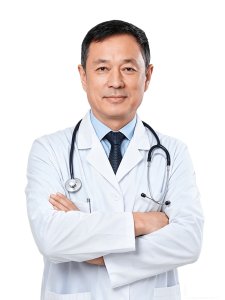
الأستاذ شياو يويونغ هو كبير الأطباء في قسم التشخيص الإشعاعي بالمستشفى العام لجيش التحرير الشعبي الصيني، وخبير بارز في طب الأورام التداخلي طفيف التوغل. يشغل منصب الرئيس المؤسس لـWATA (2025–). ويرأس الجمعية الدولية (2020–) والجمعية الآسيوية (2012–) للعلاج بالتجميد. كما أنه نائب رئيس مجموعة الخبراء بهيئة الصحة الوطنية (NHC) للوائح استئصال الأورام (2009–).
أجرى أكثر من 100,000 إجراء طفيف التوغل موجهًا بالتصوير المقطعي/الرنين المغناطيسي. يشمل عمله الاستئصال الكيميائي، والاستئصال بالترددات ا
 Anna Leonova
تعطي الإرشادات الصينية لسرطان الكبد في المرحلة الرابعة الأولوية لمجموعات العلاج الجهازي. يتضمن المعيار مثبطات نقاط التفتيش المناعية المقترنة بأدوية مضادة لتكون الأوعية. يفضل استخدام بروتوكولات مثل سينتيليماب (Sintilimab) بالإضافة إلى بيفاسيزوماب (Bevacizumab). كما تعد الأدوية المطورة في الصين مثل دونافينيب (Donafenib) والعلاج الكيميائي بالحقن الشرياني الكبدي (HAIC) خيارات أساسية للخط الأول.
رؤية خبراء Bookimed: غالبًا ما تطبق مراكز الأورام الصينية تقنيات تدخلية محلية تختلف عن المعايير الغربية. يوفر مستشفى فودا للسرطان (Fuda Cancer Hospital) في قوانغتشو تقنية نانو نايف (NanoKnife) والجراحة بالتبريد للمرضى في المراحل المتأخرة. تعمل هذه الطرق كضوابط محلية قوية عند استخدامها جنبًا إلى جنب مع العلاجات الجهازية. تظهر البيانات أن العيادات التي تدير أكثر من 30,000 مريض دولي تستخدمها غالبًا لتقليص الأورام بسرعة.
إجماع المرضى: يشير المرضى إلى أن المستشفيات الصينية تقدم رعاية مكثفة حتى في المراحل المتقدمة.
تعد استراتيجية "التقليل والإزالة" الصينية بروتوكولاً متعدد الخطوات لسرطان الكبد في مراحله المتأخرة. تستخدم الاستراتيجية الإشعاع والعلاج المناعي لخفض تصنيف الأورام غير القابلة للجراحة إلى المرحلة الأولى. بمجرد تقلص الآفات، يقوم الجراحون بإجراء استئصال علاجي أو زراعة. يتيح هذا النهج إجراء الجراحة لحالات كانت تعتبر سابقاً ميؤوساً منها.
رؤية خبير Bookimed: تظهر البيانات السريرية من مراكز مثل مستشفى فودا للسرطان أن المرافق ذات الحجم الكبير غالباً ما تستخدم تقنيات الاستئصال المتقدمة. قام الدكتور ليويينغ بتجميع كتب دراسية حول الاستئصال بالموجات الدقيقة خصيصاً لأورام الكبد. تسمح هذه الخبرة للأطباء باستهداف الآفات المتبقية التي قد يغفل عنها الإشعاع. اختيار مرفق يحتوي على أقسام تداخلية وجراحية أمر حيوي لمرحلة "الإزالة".
إجماع المرضى: يشير المرضى إلى أن تحويل حالة غير قابلة للجراحة إلى حالة قابلة للجراحة هو الهدف الأساسي. ويؤكدون أنه على الرغم من أن التقلص يبعث على الأمل، إلا أن وظائف الكبد ومستويات التليف هي التي تحدد ما إذا كانت الجراحة آمنة في
تستخدم المستشفيات الصينية العلاج الكيميائي بالحقن الشرياني الكبدي (HAIC) لأنه يوفر تركيزات دوائية أعلى بـ 300 إلى 400 مرة من العلاج الكيميائي الجهازي. يستهدف هذا النهج الأورام مباشرة عبر الشريان الكبدي. وهو يعالج بشكل خاص الحالات المتقدمة الناتجة عن التهاب الكبد B الشائعة بين مجموعات المرضى الصينيين.
رؤية خبير Bookimed: بينما تنتقل البروتوكولات الغربية غالبًا إلى العلاج الجهازي لحالات المرحلة الرابعة، تستفيد المراكز الصينية مثل مستشفى فودا للسرطان من خبرتها التداخلية الكبيرة. غالبًا ما تجمع مرافقهم المعتمدة من اللجنة الدولية المشتركة (JCI) بين HAIC وتقنيات مثل الجراحة بالتبريد أو NanoKnife. هذه الاستراتيجية متعددة الوسائط العدوانية هي السبب في نجاحهم في علاج أكثر من 30,000 مريض دولي في مراحل متقدمة.
إجماع المرضى: يشير المرضى إلى أن الفرق الصينية أكثر عدوانية بكثير في علاج الكبد مباشرة. وغالبًا ما يؤكدون أن HAIC يبدو كتجربة مستشفى من فئة الخمس نجوم على الرغم من الطبيعة المكثفة للعلاج القائم على
يمكن للمرضى الدوليين الوصول قانونياً إلى أدوية السرطان الصينية المعتمدة من خلال مراكز طبية معتمدة. التسجيل في التجارب السريرية ممكن ولكنه معقد. عادة ما يتم إدارة الوصول من خلال الأقسام الدولية في المرافق المعتمدة من قبل اللجنة الدولية المشتركة (JCI) مثل مستشفى فودا للسرطان. يعتمد النجاح على التوافق الجيني والامتثال الصارم للوائح التنظيمية.
رؤية خبراء Bookimed: المشهد الأورامي في الصين فريد من نوعه لأن المستشفيات غالباً ما تتخصص في تقنيات استئصال محددة. عالج مستشفى فودا للسرطان أكثر من 30,000 مريض دولي من 100 دولة. تظهر بياناتنا أن هذا الحجم الكبير يرجع إلى خبرتهم في الجمع بين الجراحة بالتبريد وتقنية NanoKnife. غالباً ما يكون هذا المزيج المحدد غائباً في البروتوكولات العالمية القياسية لسرطان الكبد في المرحلة الرابعة.
إجماع المرضى: يشير المرضى إلى أن المستشفيات الكبرى توفر غرفاً عالية الجودة تشبه الفنادق. ويؤكدون على أهمية وجود ترجمة احترافية لضمان فهم أطباء البلد الأم للتشخيص الصيني.
تعد تقنية NanoKnife والجراحة بالتبريد علاجات موضعية فعالة لسرطان الكبد في المرحلة الرابعة في الصين. تدير هذه التقنيات أوراماً محددة ضمن خطة علاجية شاملة. فهي تساعد في تقليل حجم الكتل الكبيرة وتخفيف الأعراض. يستخدمها الجراحون عندما لا تكون الجراحة التقليدية ممكنة.
رؤية خبراء Bookimed: تقدم مراكز الأورام الصينية مثل مستشفى فودا للسرطان أكثر من 10 أنواع من العلاجات طفيفة التوغل. يسمح هذا التنوع للأطباء بتجاوز العلاج الكيميائي التقليدي في بعض الحالات المتقدمة. يقوم الدكتور ليويينغ في مستشفى جينشاتشو بتدريب متخصصين آخرين بشكل خاص على معايير الاستئصال هذه. هذا التركيز العالي للخبرة يجعل الصين وجهة رئيسية لإدارة الأورام المعقدة ومتعددة الوسائط.
إجماع المرضى: يشير المرضى إلى أن هذه الإجراءات تتطلب إقامات مستشفى متخصصة على الرغم من كونها طفيفة التوغل. ويؤكدون على أهمية التحقق من خبرة الفريق السريري المحددة في الاستئصال الموضعي لأمراض الكبد السائدة.
يعمل الطب الصيني التقليدي (TCM) كأداة دعم تلطيفية لسرطان الكبد في المرحلة الرابعة. وهو يركز على تقليل الأعراض مثل الألم أو الغثيان. تستخدم مراكز الأورام في الصين هذا الطب عادةً إلى جانب العلاج المناعي أو الاستئصال. يهدف هذا النهج المتكامل إلى تحسين النوم والشهية أثناء الرعاية المتقدمة.
رؤية خبراء Bookimed: تظهر البيانات الواردة من المرافق المعتمدة من قبل JCI مثل مستشفى Fuda للسرطان أن الرعاية الناجحة في المرحلة الرابعة تعطي الأولوية للتكنولوجيا على الأعشاب. غالبًا ما يبدأ الأطباء باستخدام NanoKnife أو الجراحة بالتبريد للسيطرة على الأورام قبل إضافة الطب الصيني التقليدي. يضمن هذا التسلسل حصول مرضى المرحلة المتأخرة على تقليص فعال للورم قبل التركيز فقط على إدارة الأعراض بالأعشاب.
إجماع المرضى: يشير المرضى إلى أن الرعاية بأسلوب الطب الصيني التقليدي غالبًا ما تجعل تجربة المستشفى تبدو أكثر طمأنينة عاطفية وألفة. وبينما يجد البعض أن الوخز بالإبر مفيد للاسترخاء، فإنهم يؤكدون على ضرورة الإفصاح عن المكملات العشبية لتجنب إجهاد الكبد بشكل أكبر.