Fuda Hospital
الصين, قوانغتشو


تمت مراجعة المقالة طبيا من قبل
فهد مولود
تتراوح تكلفة علاج سرطان العظام في الصين عادةً ما بين $6,500 إلى $12,500 لاستئصال العظم، وما يقرب من السعر عند الطلب إلى السعر عند الطلب لإعادة البناء باستخدام استبدال الغرسات. تعتمد التكاليف الإجمالية على مدى تعقيد الورم، ومواد إعادة البناء، ومستوى العيادة. وغالباً ما يحقق المرضى وفورات تتراوح بين 60% إلى 80% مقارنة بالولايات المتحدة. تشمل مراكز العلاج الرائدة كوانزو، وشيامن، وبكين.
تكاليف علاج سرطان العظام النموذجية في الصين
رؤية خبراء Bookimed: يستفيد المرضى المصابون بسرطان العظام في مراحل متأخرة من التقنيات المتقدمة مثل الجراحة بالتبريد أو تقنية NanoKnife في المرافق المعتمدة من قبل اللجنة الدولية المشتركة (JCI). يتخصص مستشفى فودا للسرطان في هذه الأساليب طفيفة التوغل للحالات المعقدة. وبالنسبة لأولئك الذين يحتاجون إلى إشعاع دقيق، توفر المراكز متعددة التخصصات في شيامن خبرة في العلاج الإشعاعي المعدل الشدة (IMRT) والعلاج الإشعاعي التجسيمي للجسم (SBRT). تستخدم هذه المستشفيات الجامعية التجارب السريرية لتوفير الوصول إلى العلاجات الناشئة بكفاءة.
| الصين | تركيا | إسبانيا | |
|---|---|---|---|
| جراحة تصحيح تشوه العظام | ≈ $13,500 | من $6,400 | من $22,400 |
| العلاج بالأنتيوم-225 | ≈ $28,000 | من $20,500 | ≈ $28,000 |
| العلاج الكيميائي لسرطان الثدي | ≈ $14,800 | من $1,900 | من $1,700 |
| العلاج الإشعاعي لسرطان القولون والمستقيم | ≈ $7,500 | من $5,000 | من $7,500 |
| استئصال العظام | ≈ $6,500 | من $9,000 | من $16,800 |
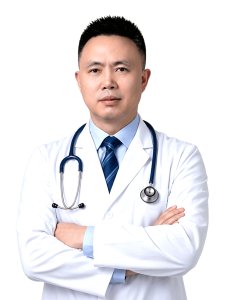
كبير الأطباء وأستاذ. خبير من الدرجة الأولى في مركز السرطان بمستشفى غرب الصين، جامعة سيتشوان (المرتبة الثانية في الصين). أنهى زمالة ما بعد الدكتوراه في الأشعة التداخلية بالمستشفى العام لجيش التحرير الشعبي الصيني. يقود رعاية فريق متعدد التخصصات (MDT) للأورام المعقدة. خبير في طب الأورام التداخلي طفيف التوغل لأورام الكبد والرئة والبنكرياس.
الاعتمادات: عضو مجلس في WATA. عضو في لجان CACA وCMDA للتدخلات، والاستئصال الحراري، والبذور المشعة، وعلاج الألم. في 2023، عضو مجلس مؤسِّس في لجنة الرعاية
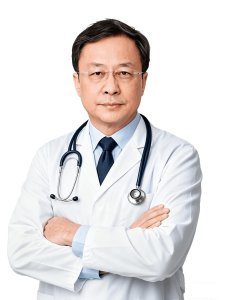
البروفيسور لوو شياوبينغ اختصاصي أشعة تداخلية معترف به على المستوى الوطني ومن أبرز الخبراء في غرب الصين. بدأ ريادة التدخلات الوعائية في أوائل التسعينيات، وأسهم في تأسيس فريق الأشعة التداخلية في المستشفى الثاني الملحق بجامعة تشونغتشينغ الطبية.
أجرى أكثر من 100 ألف إجراء تداخلي، بينها نحو 4 آلاف حالة معقدة. تشمل مهاراته الأساسية الانصمام الكيميائي عبر الشريان الكبدي (TACE) لعلاج سرطان الخلايا الكبدية، وتداخلات متلازمة بود–كياري، وإجراء TIPS، وتركيب دعامتين في مرحلة واحدة لعلاج انسداد القن
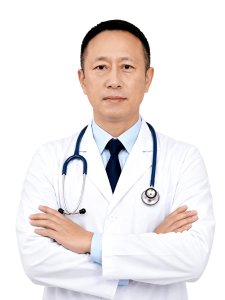
الدكتور هي ويبينغ رائد الاستئصال بالتبريد بالأرجون–الهيليوم في الصين، وله أكثر من 20 عاماً من الممارسة السريرية المباشرة. كان عضواً مؤسِّساً لمستشفى فودا للسرطان (قوانغتشو)، وشارك في تأسيس مركز علاج الأورام طفيفة التوغل فيه وتولى منصب نائب المدير التنفيذي. كما أسهم في تأسيس مجموعة الاستئصال التابعة للجمعية الصينية لمكافحة السرطان. وكان المنفّذ الرئيسي في أكثر من 10,000 إجراء.
يتخصص في الاستئصال بالتبريد للأورام، وهو متمرّس في العلاج الإشعاعي الموضعي ببذور اليود‑125، مع تركيز على سرطاني
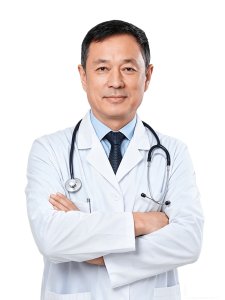
الأستاذ شياو يويونغ هو كبير الأطباء في قسم التشخيص الإشعاعي بالمستشفى العام لجيش التحرير الشعبي الصيني، وخبير بارز في طب الأورام التداخلي طفيف التوغل. يشغل منصب الرئيس المؤسس لـWATA (2025–). ويرأس الجمعية الدولية (2020–) والجمعية الآسيوية (2012–) للعلاج بالتجميد. كما أنه نائب رئيس مجموعة الخبراء بهيئة الصحة الوطنية (NHC) للوائح استئصال الأورام (2009–).
أجرى أكثر من 100,000 إجراء طفيف التوغل موجهًا بالتصوير المقطعي/الرنين المغناطيسي. يشمل عمله الاستئصال الكيميائي، والاستئصال بالترددات ا
 Anna Leonova
يركز العلاج الطبي لسرطان العظام في الصين على بروتوكولات متعددة التخصصات. وتشمل هذه جراحة الحفاظ على الأطراف، وإعادة البناء المتقدمة المطبوعة ثلاثية الأبعاد، والعلاج الكيميائي المتخصص. كما تستخدم المراكز المعتمدة من قبل JCI خيارات طفيفة التوغل مثل الجراحة بالتبريد وNanoKnife. يساعد الطب الصيني التقليدي المتكامل في إدارة الأعراض والآثار الجانبية للعلاج.
رؤية خبير Bookimed: توفر الصين ميزة فريدة للمرضى الذين يبحثون عن بدائل للعلاج الكيميائي التقليدي من خلال مستشفيات مثل فودا. عالجت هذه المنشأة أكثر من 30,000 مريض دولي من خلال تطبيق أكثر من 10 أنواع من العلاجات طفيفة التوغل. تستهدف هذه الخيارات السرطانات في مراحلها المتأخرة مع تقليل العبء الجهازي على المريض.
إجماع المرضى: يؤكد المرضى على أهمية استشارة الخبراء في وقت مبكر لزيادة فرص جراحة الحفاظ على الأطراف. غا
توفر الصين علاجات متقدمة طفيفة التوغل لسرطان العظام من خلال مرافق معتمدة من قبل اللجنة الدولية المشتركة (JCI). تستخدم المراكز المتخصصة الاستئصال الموضعي بالإبر والعلاجات الوعائية الموجهة. تهدف هذه التقنيات إلى تدمير الأورام مع الحفاظ على بنية العظام. يعالج العلاج الإشعاعي الدقيق والعلاجات الخلوية الحالات الأولية أو النقيلية المعقدة.
رؤية خبير Bookimed: تظهر البيانات من مستشفى فودا للسرطان تفضيلاً للجمع بين علاجات متعددة طفيفة التوغل. وغالباً ما يستخدمون الجراحة بالتبريد والتدخل الوعائي بدلاً من العلاج الكيميائي التقليدي. يخدم هذا النهج عدداً كبيراً من المرضى الدوليين يتجاوز 30,000 مريض. وهو فعال بشكل خاص للمرضى في المراحل المتأخرة الذين يسعون للحفاظ على جودة حياتهم.
إجماع المرضى: يشير المرضى إلى أن جراحة الحفاظ على الأطراف الحديثة هي بديل رئيسي للبتر. ويؤكدون على أهمية وضع خطة الخزعة من قبل نفس الفريق الذي يجري الجر
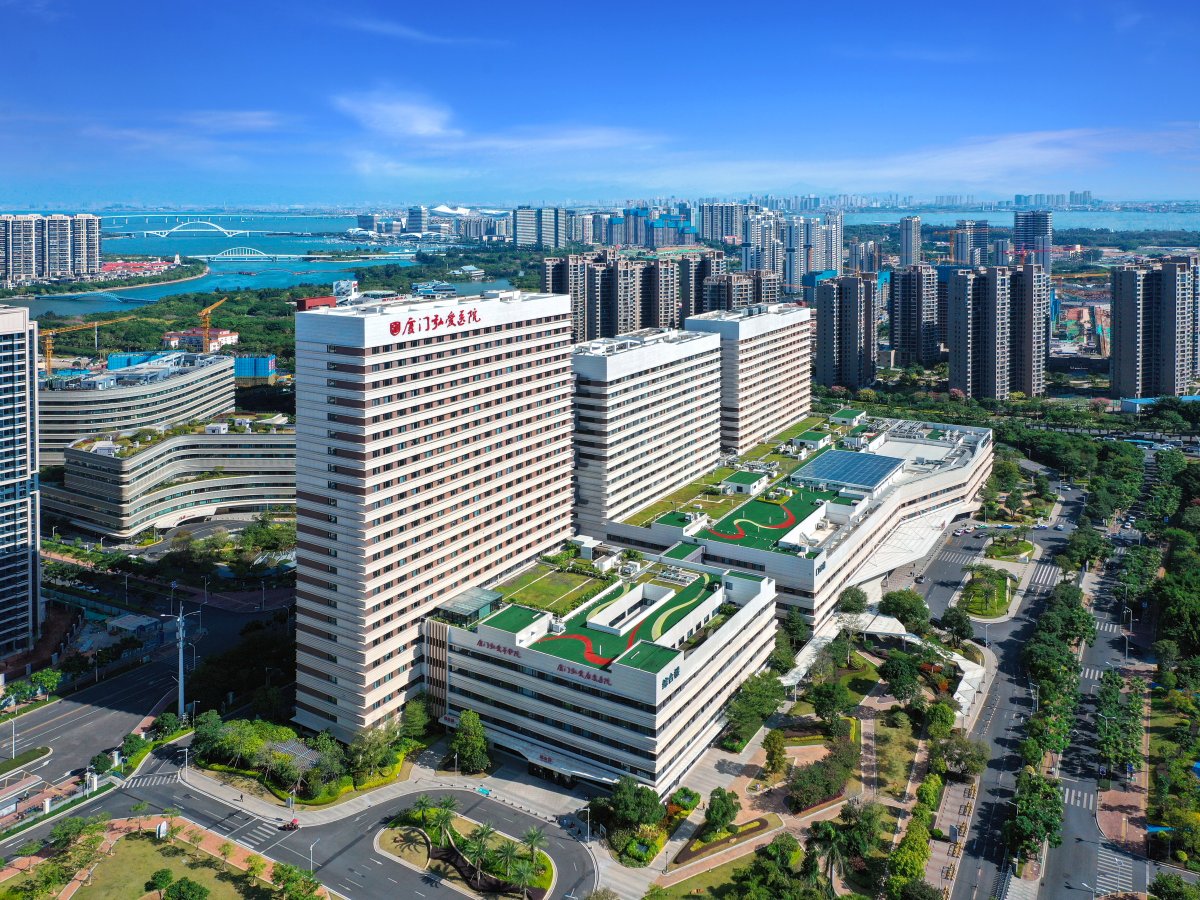
يعمل الطب الصيني التقليدي (TCM) كعلاج داعم في رعاية سرطان العظام في الصين. وهو يركز على تخفيف الألم وإدارة الآثار الجانبية للعلاج الكيميائي. تدمج مرافق مثل مستشفى شيامن الإنساني (Xiamen Humanity Hospital) هذه الأساليب جنبًا إلى جنب مع العلاج الإشعاعي الدقيق. لا يحل الطب الصيني التقليدي أبدًا محل الجراحة أو البروتوكولات الأورام الأساسية.
رؤية خبير Bookimed: غالبًا ما تجمع مراكز الأورام الصينية بين إعادة التأهيل المتخصص في الطب الصيني التقليدي والتدخلات عالية التقنية. على سبيل المثال، يوظف مستشفى شيامن الإنساني أكثر من 460 طبيبًا ويدير 1,000,000 مريض سنويًا. يسمح هذا النطاق الهائل بوجود أقسام تكاملية متخصصة للغاية. تركز هذه الوحدات بشكل خاص على موازنة العافية الجهازية مع التقنيات المتقدمة مثل IMRT و VMAT.
إجماع المرضى: يؤكد المرضى على استخدام الطب الصيني التقليدي ليشعروا بقوة أكبر ويحسنوا الهضم بدلاً من استهداف الورم. ويشيرون إلى أن إبلاغ فريق الأورام بكل عشبة أمر حيوي لتجنب التفاعلات الدوائية.
تقدم الصين رعاية متخصصة لسرطان العظام في مراكز الأورام المعتمدة من قبل اللجنة الدولية المشتركة (JCI) والمستشفيات الجامعية الكبيرة. توفر المرافق في قوانغتشو وشيامن علاجات متقدمة مثل NanoKnife والجراحة بالتبريد. تحافظ هذه المراكز على أقسام دولية مخصصة لدعم المرضى الأجانب في الترجمة، ولوجستيات التأشيرات، وتخطيط العلاج متعدد التخصصات.
رؤية خبير Bookimed: يتميز مستشفى شيامن الإنساني بحجمه الهائل. فهو يدير 1,000,000 مريض سنويًا ويضم 46 قسمًا سريريًا. غالبًا ما يترجم هذا الحجم الكبير إلى خبرة كبيرة في التعامل مع تجارب الأدوية النادرة. قد يجد المرضى الذين يبحثون عن تدخلات فريدة أن هذه القدرات على مستوى التجارب السريرية مفيدة للغاية مقارنة بمراكز الأورام القياسية.
إجماع المرضى: يؤكد المرضى على أهمية إعادة قراءة شرائح الخزعة من قبل أخصائيي علم الأمراض الخبراء في مراكز الساركوما ذات الحجم الكبير. ويشيرون إلى أن الدعم المتخصص والتنسيق باللغة الإنجليزية حيويان تمامًا
تنسق المستشفيات الصينية فحوصات سرطان العظام من خلال إطار عمل مركزي للفريق متعدد التخصصات (MDT). يدمج هذا البروتوكول جراحة العظام والأورام والأشعة في مراكز من الفئة 3 الدرجة أ. تتبع هذه المراكز مسارات سريرية وطنية لضمان توافق التصوير التشخيصي والخزعة مع الأهداف الجراحية المستقبلية.
رؤية خبير Bookimed: يؤثر الحجم السريري بشكل كبير على سرعة التشخيص في الصين. يخدم مستشفى شيامن الإنساني (Xiamen Humanity Hospital) حوالي 1,000,000 مريض سنوياً عبر 47 قسماً. يسمح هذا الحجم الكبير للمراكز المتخصصة باستقرار جداول التشخيص. غالباً ما توفر هذه المرافق علاجاً إشعاعياً دقيقاً متطوراً مثل IMRT أو VMAT. اختيار مركز ذو سعة عالية يضمن معالجة مراجعات الأشعة وعلم الأمراض الخاصة بك بكفاءة.
إجماع المرضى: يشير المرضى إلى أنه من الضروري إحضار أقراص التصوير الأصلية بدلاً من التقارير المطبوعة فقط. ويؤكدون على ضرورة إجراء الخزعة في نفس المستشفى الذي ستتم فيه الجراحة النهائية.
توفر مراكز الأورام الصينية سير عمل لوجستي متكامل لدعم مرضى سرطان العظام الأجانب أثناء العلاجات المعقدة. تستخدم مرافق مثل مستشفى فودا للسرطان (Fuda Cancer Hospital) أقساماً دولية مخصصة لإدارة التأشيرات الطبية، وتنقالات المطار، والترجمة متعددة اللغات على مدار الساعة طوال أيام الأسبوع. تعمل هذه الخدمات على تبسيط التنقل عبر المجمعات الطبية واسعة النطاق في المدن الكبرى.
رؤية خبير Bookimed: غالباً ما ترتبط إشارات الجودة في الصين بأحجام المرضى الكبيرة والاعتمادات الدولية. على سبيل المثال، يخدم مستشفى شيامن للإنسانية (Xiamen Humanity Hospital) حوالي 1,000,000 مريض سنوياً. وفي الوقت نفسه، يحافظ مستشفى فودا للسرطان على اعتماد اللجنة الدولية المشتركة (JCI) بينما يعالج أشخاصاً من أكثر من 100 دولة. يضمن اختيار مرفق معتمد من JCI أن البروتوكولات اللوجستية تلبي معايير السلامة والتواصل العالمية.
إجماع المرضى: يشير المرضى إلى أنه على الرغم من كفاءة المستشفيات العالية في معالجة الاختبارات التشخيصية، فغالباً ما يُتوقع م