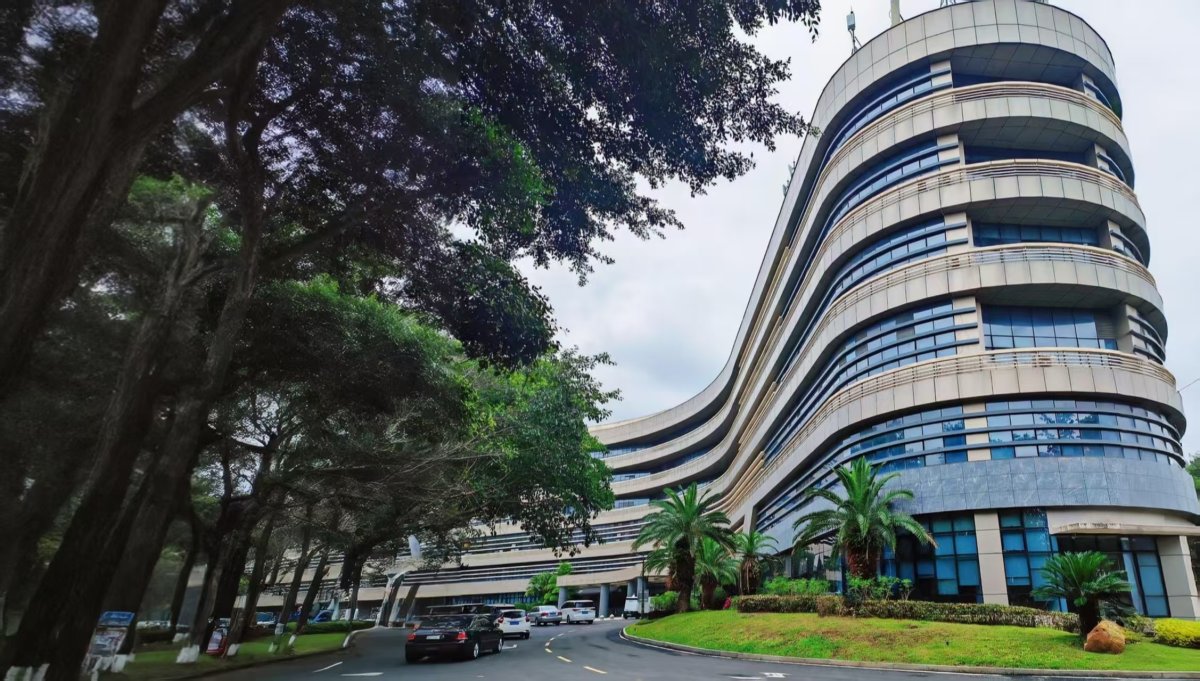
Boao International Medical Center
الصين, تشيونغهاي


تمت مراجعة المقالة طبيا من قبل
فهد مولود
من $400. تبلغ تكلفة الإجراءات الكبرى مثل جراحة سرطان المعدة من $14,000 إلى $24,000، بينما يتراوح العلاج الكيميائي لسرطان المعدة من السعر عند الطلب إلى السعر عند الطلب. تعتمد النفقات الإجمالية على مرحلة السرطان، ومستوى المستشفى، والنهج الجراحي المتبع. عادةً ما يحقق المرضى الدوليون وفورات تتراوح بين 80-85% مقارنة بالولايات المتحدة. تشمل أفضل المدن لعلاج الأورام قوانغتشو، وشنغهاي، وبكين.
تكاليف علاج سرطان المعدة النموذجية في الصين
رؤية خبراء Bookimed: غالباً ما يستفيد المرضى في المراحل المتقدمة من بروتوكولات متكاملة وغير تقليدية. يتخصص مستشفى فودا للسرطان (Fuda Cancer Hospital) في رعاية الحالات المتأخرة باستخدام تقنيات سكين النانو والجراحة بالتبريد. وقد قدمت هذه المنشأة الحاصلة على اعتماد اللجنة الدولية المشتركة (JCI) خدماتها لـ 30,000 مريض دولي. بالنسبة لأولئك الذين يحتاجون إلى علاج إشعاعي دقيق، يقدم الدكتور ليو شي شين في مستشفى شيامن الإنساني (Xiamen Humanity Hospital) علاجاً إشعاعياً تحت إشراف خبراء. إن اختيار مراكز الأورام المتخصصة يوفر قيمة أفضل للحالات المعقدة ومتعددة التخصصات مقارنة بالمستشفيات العامة.
| الصين | تركيا | إسبانيا | |
|---|---|---|---|
| نانو نايف NanoKnife | من $24,000 | ≈ $9,500 | ≈ $9,500 |
| منظومة دا فينشي الجراحية | من $35,800 | من $23,900 | ≈ $9,500 |
| سايبر نايف CyberKnife | من $7,000 | من $4,900 | من $14,800 |
| جراحة سرطان المعدة | ≈ $14,000 | من $10,500 | من $28,500 |
| العلاج بالبروتون (انظر العلاج بحزم البروتون) | ≈ $28,000 | من $25,000 | من $43,300 |
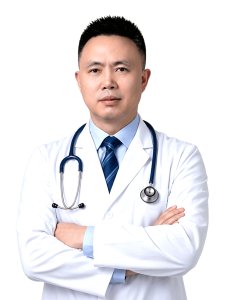
كبير الأطباء وأستاذ. خبير من الدرجة الأولى في مركز السرطان بمستشفى غرب الصين، جامعة سيتشوان (المرتبة الثانية في الصين). أنهى زمالة ما بعد الدكتوراه في الأشعة التداخلية بالمستشفى العام لجيش التحرير الشعبي الصيني. يقود رعاية فريق متعدد التخصصات (MDT) للأورام المعقدة. خبير في طب الأورام التداخلي طفيف التوغل لأورام الكبد والرئة والبنكرياس.
الاعتمادات: عضو مجلس في WATA. عضو في لجان CACA وCMDA للتدخلات، والاستئصال الحراري، والبذور المشعة، وعلاج الألم. في 2023، عضو مجلس مؤسِّس في لجنة الرعاية
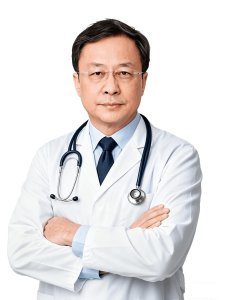
البروفيسور لوو شياوبينغ اختصاصي أشعة تداخلية معترف به على المستوى الوطني ومن أبرز الخبراء في غرب الصين. بدأ ريادة التدخلات الوعائية في أوائل التسعينيات، وأسهم في تأسيس فريق الأشعة التداخلية في المستشفى الثاني الملحق بجامعة تشونغتشينغ الطبية.
أجرى أكثر من 100 ألف إجراء تداخلي، بينها نحو 4 آلاف حالة معقدة. تشمل مهاراته الأساسية الانصمام الكيميائي عبر الشريان الكبدي (TACE) لعلاج سرطان الخلايا الكبدية، وتداخلات متلازمة بود–كياري، وإجراء TIPS، وتركيب دعامتين في مرحلة واحدة لعلاج انسداد القن
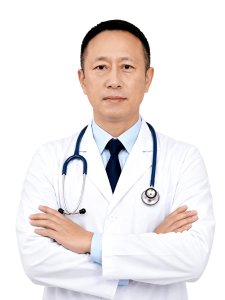
الدكتور هي ويبينغ رائد الاستئصال بالتبريد بالأرجون–الهيليوم في الصين، وله أكثر من 20 عاماً من الممارسة السريرية المباشرة. كان عضواً مؤسِّساً لمستشفى فودا للسرطان (قوانغتشو)، وشارك في تأسيس مركز علاج الأورام طفيفة التوغل فيه وتولى منصب نائب المدير التنفيذي. كما أسهم في تأسيس مجموعة الاستئصال التابعة للجمعية الصينية لمكافحة السرطان. وكان المنفّذ الرئيسي في أكثر من 10,000 إجراء.
يتخصص في الاستئصال بالتبريد للأورام، وهو متمرّس في العلاج الإشعاعي الموضعي ببذور اليود‑125، مع تركيز على سرطاني
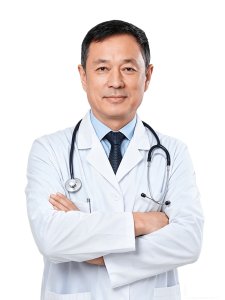
الأستاذ شياو يويونغ هو كبير الأطباء في قسم التشخيص الإشعاعي بالمستشفى العام لجيش التحرير الشعبي الصيني، وخبير بارز في طب الأورام التداخلي طفيف التوغل. يشغل منصب الرئيس المؤسس لـWATA (2025–). ويرأس الجمعية الدولية (2020–) والجمعية الآسيوية (2012–) للعلاج بالتجميد. كما أنه نائب رئيس مجموعة الخبراء بهيئة الصحة الوطنية (NHC) للوائح استئصال الأورام (2009–).
أجرى أكثر من 100,000 إجراء طفيف التوغل موجهًا بالتصوير المقطعي/الرنين المغناطيسي. يشمل عمله الاستئصال الكيميائي، والاستئصال بالترددات ا
كتب بواسطة Halina Shubala
 Anna Leonova
يلتزم أطباء الأورام الصينيون في المؤسسات الطبية الرائدة بمعايير الاعتماد الوطنية التي تتوافق مع المعايير الدولية. ويشغل الجراحون البارزون في كثير من الأحيان منصب كبير الأطباء ويعملون في مستشفيات معتمدة من قبل اللجنة الدولية المشتركة (JCI). كما أن هؤلاء المتخصصين أعضاء في منظمات دولية مثل الجمعية الصينية للسرطان، ويلتزمون بإرشادات العلاج الصادرة عن الجمعية الصينية لعلم الأورام السريري (CSCO) والمعترف بها دوليًا.
رأي خبراء بوكيمد: في الصين، يؤدي العدد الكبير من العمليات الجراحية غالبًا إلى رفع مستوى المؤهلات التقنية لأخصائيي سرطان المعدة. إذ يُمكن للأخصائيين في المستشفيات الرائدة إجراء أكثر من 1000 عملية استئصال للمعدة سنويً
يتراوح معدل البقاء على قيد الحياة لمدة خمس سنوات لمرضى سرطان المعدة في الصين بين 35.1% و46.1% على مستوى البلاد. وتشير مراكز علاج السرطان المتخصصة إلى معدلات بقاء على قيد الحياة بعد العلاج الجراحي تصل إلى 69.8%. ويُعدّ التشخيص المبكر (المرحلة الأولى) أفضل وسيلة لتحسين فرص الشفاء، حيث تصل معدلات البقاء على قيد الحياة لهؤلاء المرضى غالبًا إلى 85-95%.
رأي خبراء بوكيمد: تُظهر البيانات السريرية فرقًا ملحوظًا بين المستشفيات العامة والمراكز المتخصصة الكبيرة في قوانغتشو. عالج مستشفى فودا للسرطان أكثر من 30,000 مريض دولي، وهو متخصص في العلاجات ط
تُستخدم عمليات استئصال المعدة بالمنظار والروبوت على نطاق واسع في الصين لعلاج سرطان المعدة. توفر هذه التقنيات طفيفة التوغل بديلاً آمناً للجراحة المفتوحة، كما تُتيح كلتا الطريقتين فترة نقاهة أسرع. يستخدم الجراحون نظام دافنشي الروبوتي لتحقيق دقة عالية وتصوير ثلاثي الأبعاد.
رأي خبراء بوكيمد: على الرغم من أن الجراحة الروبوتية تتطلب وقتًا أطول للتحضير، إلا أنها الخيار الأمثل للمرضى ذوي الحالات المعقدة أو مؤشر كتلة الجسم المرتفع. يعالج مستشفى فودا للسرطان في قوانغتشو أكثر من 30,000 مريض دولي، ويحافظ على معايير السلامة المعتمدة من اللجنة الدولية المشتركة (JCI). غالبًا ما يُعطي أخصائيوه، مثل الدكتور لينغ ين، الأولوية لهذه التقنيات طفيفة التوغل لتقلي
يستغرق علاج سرطان المعدة في الصين عادةً ما بين 4 أسابيع و6 أشهر، وذلك بحسب مرحلة المرض. أما إجراءات التنظير الداخلي في المراحل المبكرة فتستغرق يوماً أو يومين فقط. بينما تتطلب العمليات الجراحية المعقدة عادةً إقامة في المستشفى لمدة أسبوعين، تليها فترة نقاهة محلية لمدة 4 أسابيع قبل المغادرة.
رأي خبراء بوكيمد: ينبغي على المرضى أن يدركوا أن البروتوكولات السريرية الصينية، كتلك المتبعة في مستشفى فودا للسرطان، تتطلب في كثير من الأحيان إقامة أطول في المستشفى مقارنةً بالمؤسسات الغربية. فبينما قد تصل مدة الإقامة في المستشفى بعد استئصال المعدة في الولايات المتحدة إلى خمسة أيام، يشترط الأخصائيون الصينيون عادةً ما بين 14 و21 يومًا. ويركز هذ
تُعدّ مدن قوانغتشو وبكين وشنغهاي المراكز الصينية الرئيسية للمرضى الدوليين الذين يسعون للحصول على رعاية متخصصة لسرطان المعدة. وتضم هذه المدن مؤسسات طبية معتمدة من اللجنة الدولية المشتركة (JCI) متخصصة في أساليب العلاج المتقدمة. وتستخدم المراكز المتخصصة الجراحة البردية، والجراحات النانوية، والاستئصال الروبوتي للحالات المعقدة والمراحل المتقدمة من سرطان المعدة.
رأي خبراء بوكيمد: على الرغم من مكانة بكين وشنغهاي المرموقة، إلا أن قوانغتشو تقدم مزيجًا فريدًا من الخدمات الطبية المتنوعة والأسعار المنخفضة. تُظهر بياناتنا أن مركز صن يات صن الجامعي لعلاج السرطان يُقدم العلاج بأسعار أقل بنسبة تتراوح بين 30 و50% تقريبًا من المراكز في بكين. علاوة على ذلك، تُقدم عيادات مثل مستش
في الصين، يُقدَّم الدعم الغذائي بعد جراحة سرطان المعدة وفقًا لبروتوكولات مُنظَّمة للتعافي المُعزَّز بعد الجراحة (ERAS). ويتلقى المرضى الدوليون خططًا فردية. تتضمن هذه الخطط انتقالًا تدريجيًا من نظام غذائي سائل بالكامل إلى نظام غذائي طبيعي على مدى ستة أشهر. وتُراقب فرق متعددة التخصصات، تضم أخصائيي تغذية سريرية، تناول العناصر الغذائية ومستويات الترطيب لضمان التعافي الآمن.
رأي خبراء بوكيمد: تُظهر العيادات المعتمدة من قبل اللجنة الدولية المشتركة (JCI)، مثل مستشفى فودا للسرطان، التزامًا بمعايير السلامة الدولية. هذه المراكز، التي عالجت أكثر من 30,000 مريض دولي، تُكيّف الأنظمة الغذائية الصينية التقليدية للتعافي. على سبيل المثال، ق
يحتاج معظم المرضى الأجانب الذين يسعون لتلقي العلاج من سرطان المعدة في الصين إلى تأشيرة طبية. وتُصدر المؤسسات الطبية المعتمدة من قبل اللجنة الدولية المشتركة (JCI) الدعوات اللازمة للحصول على تأشيرات S1 أو S2 أو M. ويتمتع مواطنو أكثر من 50 دولة حاليًا بدخول الصين لمدة 30 يومًا بدون تأشيرة لأغراض العلاج.
رأي خبراء بوكيمد: يخدم مستشفى فودا للسرطان أكثر من 30,000 مريض دولي، ويُنجز طلبات التأشيرة المعقدة بكفاءة عالية. تُشير بياناتنا إلى أن المستشفيات في قوانغتشو تُرسل الدعوات عبر البريد الإلكتروني في غضون 48 ساعة. هذه السرعة بالغة الأهمية للمرضى الذين يحتاجون إلى علاجات عاجلة، مثل جراحة النانو أو الجراحة بالتبريد. اختيار مستشفى ذي خبرة في الخدمات اللوجستية الدولية يضمن لك الحصول على تصريح دخول مناسب لمد