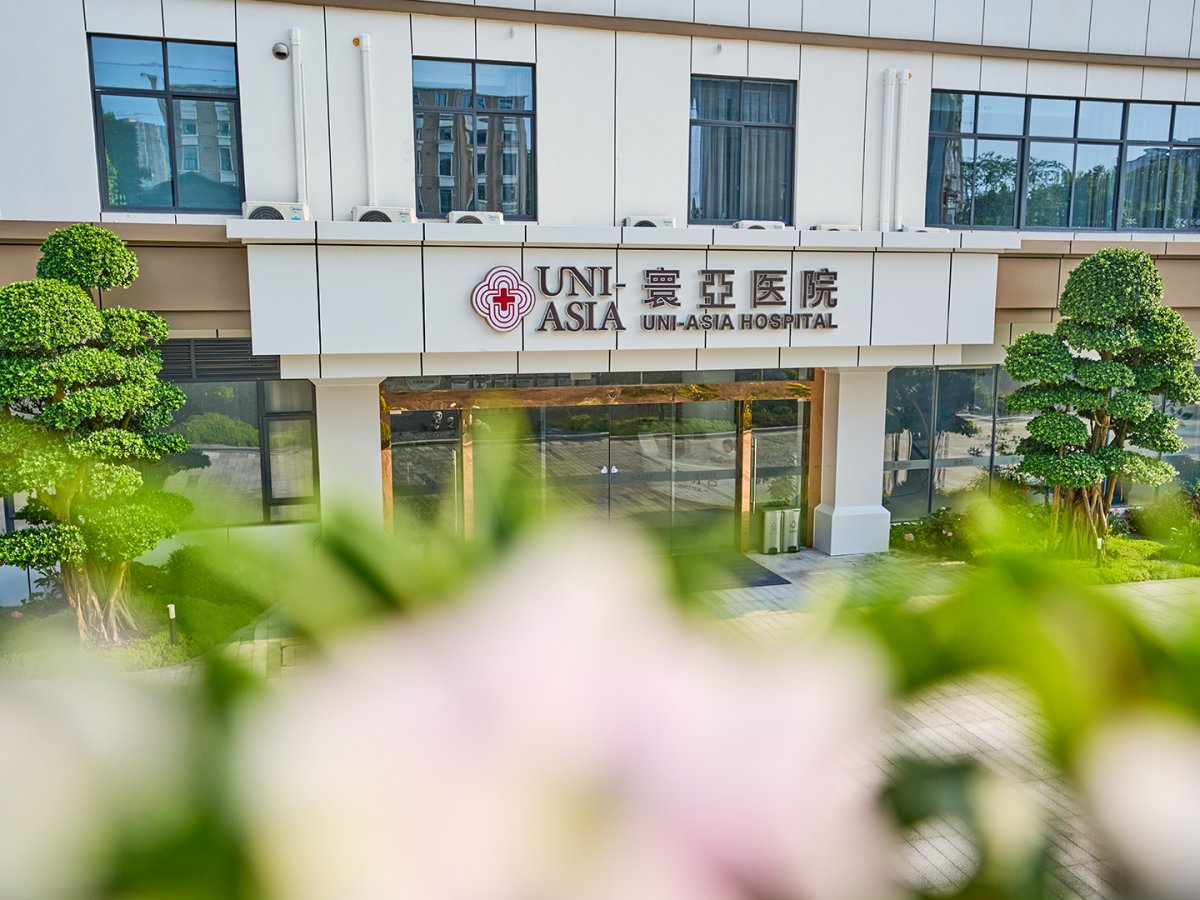
Fuda Hospital
الصين, قوانغتشو


تمت مراجعة المقالة طبيا من قبل
فهد مولود
تتأثر تكلفة علاج سرطان المرارة في الصين بمرحلة المرض والعلاج المختار، حيث يتراوح سعر العلاج بالبروتون من $28,000 إلى $42,000. يُعد الاستئصال الجراحي والعلاج الكيميائي من الخيارات الأساسية، بينما يتراوح سعر العلاج المتقدم بالبروتون من $28,000 إلى $42,000. تعتمد النفقات الإجمالية على مستوى المستشفى وتعقيد النهج متعدد التخصصات. يمكن للمرضى تحقيق وفورات تتراوح بين 40-70% مقارنة بالولايات المتحدة. تشمل الوجهات الرئيسية قوانغتشو وشانغهاي وشيامن.
تكاليف علاج سرطان المرارة النموذجية في الصين
رؤية خبراء Bookimed: يجد المرضى في المراحل المتأخرة قيمة كبيرة في مراكز الأورام المتخصصة في الجراحات طفيفة التوغل في الصين. يُعد مستشفى فودا للسرطان في قوانغتشو منشأة معتمدة من قبل اللجنة الدولية المشتركة (JCI). وهو يقدم بدائل للعلاج الكيميائي التقليدي مثل تقنية النانو نايف (NanoKnife) والجراحة بالتبريد. يقدم الدكتور ليو شي شين في مستشفى شيامن هيومانيتي علاجاً إشعاعياً دقيقاً لسرطانات البطن. يركز هؤلاء الخبراء على الحالات المعقدة التي تتطلب تقنيات دقيقة ومتقدمة.
| الصين | تركيا | إسبانيا | |
|---|---|---|---|
| علاج سرطان الثدي بالبروتون | ≈ $28,000 | ≈ $28,000 | من $34,900 |
| علاج سرطان البروستاتا بالبروتون | ≈ $42,500 | ≈ $30,000 | من $34,000 |
| العلاج بالبروتون (انظر العلاج بحزم البروتون) | ≈ $28,000 | من $25,000 | من $43,300 |
| العلاج الكيميائي لسرطان الثدي | ≈ $14,800 | من $3,000 | من $1,700 |
| العلاج الإشعاعي الموضعي | ≈ $4,500 | من $6,500 | من $8,100 |
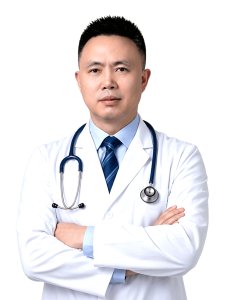
كبير الأطباء وأستاذ. خبير من الدرجة الأولى في مركز السرطان بمستشفى غرب الصين، جامعة سيتشوان (المرتبة الثانية في الصين). أنهى زمالة ما بعد الدكتوراه في الأشعة التداخلية بالمستشفى العام لجيش التحرير الشعبي الصيني. يقود رعاية فريق متعدد التخصصات (MDT) للأورام المعقدة. خبير في طب الأورام التداخلي طفيف التوغل لأورام الكبد والرئة والبنكرياس.
الاعتمادات: عضو مجلس في WATA. عضو في لجان CACA وCMDA للتدخلات، والاستئصال الحراري، والبذور المشعة، وعلاج الألم. في 2023، عضو مجلس مؤسِّس في لجنة الرعاية
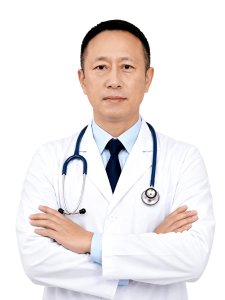
الدكتور هي ويبينغ رائد الاستئصال بالتبريد بالأرجون–الهيليوم في الصين، وله أكثر من 20 عاماً من الممارسة السريرية المباشرة. كان عضواً مؤسِّساً لمستشفى فودا للسرطان (قوانغتشو)، وشارك في تأسيس مركز علاج الأورام طفيفة التوغل فيه وتولى منصب نائب المدير التنفيذي. كما أسهم في تأسيس مجموعة الاستئصال التابعة للجمعية الصينية لمكافحة السرطان. وكان المنفّذ الرئيسي في أكثر من 10,000 إجراء.
يتخصص في الاستئصال بالتبريد للأورام، وهو متمرّس في العلاج الإشعاعي الموضعي ببذور اليود‑125، مع تركيز على سرطاني
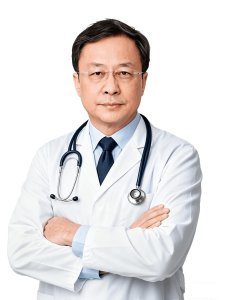
البروفيسور لوو شياوبينغ اختصاصي أشعة تداخلية معترف به على المستوى الوطني ومن أبرز الخبراء في غرب الصين. بدأ ريادة التدخلات الوعائية في أوائل التسعينيات، وأسهم في تأسيس فريق الأشعة التداخلية في المستشفى الثاني الملحق بجامعة تشونغتشينغ الطبية.
أجرى أكثر من 100 ألف إجراء تداخلي، بينها نحو 4 آلاف حالة معقدة. تشمل مهاراته الأساسية الانصمام الكيميائي عبر الشريان الكبدي (TACE) لعلاج سرطان الخلايا الكبدية، وتداخلات متلازمة بود–كياري، وإجراء TIPS، وتركيب دعامتين في مرحلة واحدة لعلاج انسداد القن
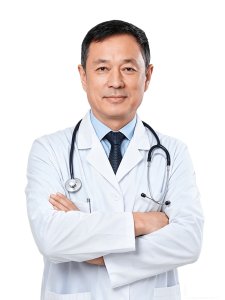
الأستاذ شياو يويونغ هو كبير الأطباء في قسم التشخيص الإشعاعي بالمستشفى العام لجيش التحرير الشعبي الصيني، وخبير بارز في طب الأورام التداخلي طفيف التوغل. يشغل منصب الرئيس المؤسس لـWATA (2025–). ويرأس الجمعية الدولية (2020–) والجمعية الآسيوية (2012–) للعلاج بالتجميد. كما أنه نائب رئيس مجموعة الخبراء بهيئة الصحة الوطنية (NHC) للوائح استئصال الأورام (2009–).
أجرى أكثر من 100,000 إجراء طفيف التوغل موجهًا بالتصوير المقطعي/الرنين المغناطيسي. يشمل عمله الاستئصال الكيميائي، والاستئصال بالترددات ا
 Anna Leonova
يكون علاج سرطان المرارة في الصين ناجحاً عندما تحقق الجراحة إزالة كاملة للورم. تستخدم المراكز المتخصصة استئصال المرارة الجذري واستئصال الكبد. كما توفر العيادات المتقدمة الجراحة بالتبريد وتقنية NanoKnife للحالات في مراحل متأخرة. توفر المرافق المعتمدة من JCI في قوانغتشو رعاية متعددة التخصصات للمرضى الدوليين.
رؤية خبير Bookimed: عالج مستشفى فودا للسرطان أكثر من 30,000 مريض دولي باستخدام بروتوكولات فريدة طفيفة التوغل. وغالباً ما يطبقون أكثر من 10 علاجات غير جراحية مختلفة للحالات في مراحل متأخرة. هذا التركيز المحدد على المراحل المتقدمة يجعله خياراً متميزاً للمرضى غير المؤهلين للجراحة التقليدية.
إجماع المرضى: يشير المرضى إلى أن النجاح يعتمد إلى حد كبير على العثور على جراح لديه خبرة عميقة في إجراءات القنوات الصفراوية. كما يؤكدون على التخطيط لرعاية المتابعة طويلة الأمد، حيث يظل خطر تكرار الورم مصدر قلق رئيسي حتى بعد الجراحة الناجحة.
تركز علاجات سرطان المرارة المتقدمة في الصين على التدمير الموضعي الدقيق والجراحة الروبوتية. تستخدم المراكز المتخصصة تقنية NanoKnife، والجراحة بالتبريد، والعلاج التداخلي الوعائي لعلاج الأورام المعقدة. تهدف هذه الخيارات طفيفة التوغل إلى الحفاظ على الأنسجة السليمة وتحسين أوقات التعافي في مستشفيات الأورام ذات الكثافة العالية.
رؤية خبير Bookimed: حجم المرضى هو مؤشر جودة رئيسي في الصين. عالج مستشفى Fuda للسرطان أكثر من 30,000 مريض دولي. توفر المراكز واسعة النطاق غالبًا تقنيات متخصصة مثل NanoKnife والتدخل الوعائي التي تكون أقل شيوعًا في أماكن أخرى. يجلب المتخصصون الرائدون مثل الدكتور Leng Yin خبرة دولية من أفضل المستشفيات في تايلاند. غالبًا ما تدير هذه المرافق ذات الحجم الكبير حالات متقدمة قد تعتبرها مؤسسات أخرى غير قابلة للاستئصال.
إجماع المرضى: يؤكد المرضى على أهمية العثور على فريق متخصص في الكبد والقنوات الصفراوية بدلاً من جراح عام. غالبًا ما تكون إدارة اليرقان من خلال دعامات القنوات الصفراوية هي الأولوية الأولى لجعل العلاج الإضافي ممكنًا.
تشمل المستشفيات الرائدة في الصين لعلاج سرطان المرارة مستشفى فودا للسرطان (Fuda Cancer Hospital) في قوانغتشو ومركز فودان الجامعي لسرطان شنغهاي (Fudan University Shanghai Cancer Center). تستخدم هذه المراكز فرقاً متعددة التخصصات وتقنيات متقدمة مثل NanoKnife لعلاج الحالات المعقدة. تحمل العديد من المرافق اعتماد JCI، مما يضمن رعاية جراحية وأورام عالية الجودة للمرضى الدوليين.
رؤية خبير Bookimed: تظهر بيانات مستشفى فودا للسرطان أنهم يعالجون أكثر من 30,000 مريض من 100 دولة. يشير هذا الحجم الكبير من الحالات الدولية إلى أن المستشفى قد طور لوجستياته لغير المقيمين. تركيزهم على العلاجات طفيفة التوغل مثل العلاج التداخلي الوعائي يوفر بديلاً عندما لا تكون الجراحة التقليدية ممكنة.
إجماع المرضى: غالباً ما يؤكد المرضى أن العثور على جراح يقوم بإجراء عدد كبير من عمليات المرارة أمر حيوي. ويشيرون إلى أن السفر إلى مراكز المدن الكبرى ضروري للوصول إلى فرق ذات خبرة ومراجعات دقيقة لعلم الأمراض.
عادةً ما يكشف الأطباء الصينيون عن تشخيص السرطان لأفراد الأسرة قبل إبلاغ المريض. تعطي هذه الممارسة الثقافية الأولوية لإجماع الأسرة على الاستقلالية الفردية. وغالباً ما يقرر الأقارب مقدار المعلومات التي يتلقاها المريض لحمايته من الضيق العاطفي والحفاظ على الأمل أثناء العلاج.
رؤية خبير Bookimed: تدير المرافق المعتمدة من قبل اللجنة الدولية المشتركة (JCI) مثل مستشفى فودا للسرطان في قوانغتشو بشكل متكرر مرضى دوليين من أكثر من 100 دولة. غالباً ما تسد هذه المؤسسات الفجوات الثقافية من خلال تقديم أساليب تواصل أكثر مباشرة من المستشفيات العامة التقليدية. إذا كنت تفضل الإفصاح الكامل، فحدد ذلك خلال اجتماعك الأول مع أطباء الأورام مثل الدكتور لينغ يين.
إجماع المرضى: يشير المرضى إلى أن العائلات غالباً ما تطلب من الأطباء تجنب كلمة سرطان تماماً. يوصي الكثيرون بإحضار مترجم ثنائي اللغة لضمان احترام الطبيب لتفضيل المريض الشخصي للحقيقة المباشرة.
يحتاج المسافرون الذين يبحثون عن رعاية طبية في الصين بشكل أساسي إلى تأشيرة من فئة S للشؤون الخاصة. يستخدم العلاج قصير الأمد الذي يقل عن 180 يومًا تأشيرة S2. تتطلب الحالات المزمنة التي تتطلب إقامات أطول أو تصاريح إقامة تأشيرة S1. يتطلب كلاهما دعوات رسمية من المستشفى وسجلات طبية معتمدة.
رؤية خبراء Bookimed: تختلف احتياجات التوثيق بشكل كبير بناءً على الإجراء المقصود. على سبيل المثال، يعالج متخصصون مثل الدكتور لينغ يين في مستشفى فودا للسرطان أكثر من 30,000 مريض دولي. هذا الحجم الكبير يعني أن فرقهم الإدارية على دراية بمتطلبات دعوة تأشيرة S2. يساعد الحصول على جدول زمني مفصل للعلاج في تجنب الحاجة إلى تمديدات غير متوقعة للتأشيرة أثناء التعافي.
إجماع المرضى: يحذر المرضى من أن تأشيرات السياحة القياسية نادراً ما تكفي لعلاجات السرطان المعقدة. ويؤكدون على أهمية الحصول على خطاب مفصل من المستشفى لتجنب التدقيق الإضافي في السفارة.
يُستخدم الطب الصيني التقليدي (TCM) بشكل متكرر في الصين كعلاج داعم جنبًا إلى جنب مع البروتوكولات القياسية لسرطان المرارة. وهو لا يحل محل الجراحة أو العلاج الكيميائي أبدًا. بدلاً من ذلك، يعمل كأداة تكميلية لإدارة الآثار الجانبية، وتحسين الشهية، ودعم التعافي البدني أثناء العلاج الجهازي.
رؤية خبير Bookimed: يجب على المرضى الذين يبحثون عن رعاية تكاملية في الصين التركيز على المراكز الحاصلة على اعتماد JCI مثل مستشفى فودا للسرطان في قوانغتشو. على الرغم من شيوع الطب الصيني التقليدي، تعطي هذه المرافق رفيعة المستوى الأولوية للتقنيات طفيفة التوغل مثل NanoKnife والجراحة بالتبريد للحالات المتقدمة. النهج الأكثر فعالية الذي نراه في بياناتنا هو استخدام الطب الصيني التقليدي بدقة لإعادة التأهيل بعد التدخلات الجراحية عالية التقنية، بدلاً من كونه وسيلة أساسية لمكافحة الورم.
إجماع المرضى: يشير المرضى إلى أن الطب الصيني التقليدي يساعدهم على تحمل قسوة العلاج الكيميائي من خلال تحسين النوم والهضم. يؤكد الكثيرون على أهمية الإفصاح، حيث يمكن لبعض الأعشاب أن تؤثر بشك