Boao International Medical Center
الصين, تشيونغهاي


تمت مراجعة المقالة طبيا من قبل
فهد مولود
تعتمد تكلفة علاج سرطان المعدة في المرحلة الثانية في الصين عادةً على مدى تعقيد الجراحة وبروتوكولات الأدوية. تتراوح تكلفة الإجراءات الأولية مثل جراحة سرطان المعدة من $14,000 إلى $24,000، بينما تتراوح تكلفة استئصال المعدة من $18,500 إلى $36,500. تتأثر النفقات الإجمالية بدرجة المستشفى، وأنواع الأدوية، والمدينة. يمكن للمرضى الدوليين توفير 40-60% مقارنة بالولايات المتحدة. تشمل مراكز العلاج الرائدة قوانغتشو وبكين وشنغهاي.
تكاليف علاج سرطان المعدة في المرحلة الثانية المعتادة في الصين
رؤية خبراء Bookimed: يجب على المرضى الذين يبحثون عن بدائل للعلاج الكيميائي الجهازي التفكير في مراكز متخصصة مثل مستشفى فودا للسرطان (Fuda Cancer Hospital). تركز هذه المنشأة الحاصلة على اعتماد اللجنة الدولية المشتركة (JCI) على علاج الأورام طفيف التوغل. وهم يطبقون أكثر من 10 أنواع من العلاجات الموضعية، بما في ذلك الجراحة بالتبريد وNanoKnife. هذا النهج فعال للغاية للمرضى الذين يحتاجون إلى علاج موجه. يقدم متخصصون مثل سونغ شيجون خبراتهم ضمن فريق متعدد التخصصات يخدم أكثر من 30,000 مريض دولي.
| الصين | تركيا | إسبانيا | |
|---|---|---|---|
| جراحة سرطان المعدة | ≈ $14,000 | من $10,500 | من $28,500 |
| العلاج الكيميائي لسرطان الثدي | ≈ $14,800 | من $3,000 | من $1,700 |
| العلاج الإشعاعي لسرطان القولون والمستقيم | ≈ $11,500 | من $5,000 | من $7,500 |
| استئصال المعدة | ≈ $18,500 | من $3,100 | من $20,000 |
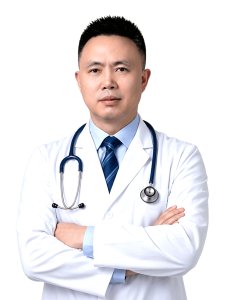
كبير الأطباء وأستاذ. خبير من الدرجة الأولى في مركز السرطان بمستشفى غرب الصين، جامعة سيتشوان (المرتبة الثانية في الصين). أنهى زمالة ما بعد الدكتوراه في الأشعة التداخلية بالمستشفى العام لجيش التحرير الشعبي الصيني. يقود رعاية فريق متعدد التخصصات (MDT) للأورام المعقدة. خبير في طب الأورام التداخلي طفيف التوغل لأورام الكبد والرئة والبنكرياس.
الاعتمادات: عضو مجلس في WATA. عضو في لجان CACA وCMDA للتدخلات، والاستئصال الحراري، والبذور المشعة، وعلاج الألم. في 2023، عضو مجلس مؤسِّس في لجنة الرعاية
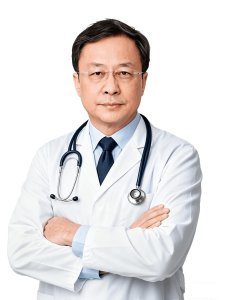
البروفيسور لوو شياوبينغ اختصاصي أشعة تداخلية معترف به على المستوى الوطني ومن أبرز الخبراء في غرب الصين. بدأ ريادة التدخلات الوعائية في أوائل التسعينيات، وأسهم في تأسيس فريق الأشعة التداخلية في المستشفى الثاني الملحق بجامعة تشونغتشينغ الطبية.
أجرى أكثر من 100 ألف إجراء تداخلي، بينها نحو 4 آلاف حالة معقدة. تشمل مهاراته الأساسية الانصمام الكيميائي عبر الشريان الكبدي (TACE) لعلاج سرطان الخلايا الكبدية، وتداخلات متلازمة بود–كياري، وإجراء TIPS، وتركيب دعامتين في مرحلة واحدة لعلاج انسداد القن
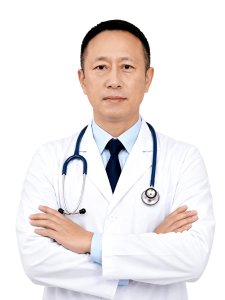
الدكتور هي ويبينغ رائد الاستئصال بالتبريد بالأرجون–الهيليوم في الصين، وله أكثر من 20 عاماً من الممارسة السريرية المباشرة. كان عضواً مؤسِّساً لمستشفى فودا للسرطان (قوانغتشو)، وشارك في تأسيس مركز علاج الأورام طفيفة التوغل فيه وتولى منصب نائب المدير التنفيذي. كما أسهم في تأسيس مجموعة الاستئصال التابعة للجمعية الصينية لمكافحة السرطان. وكان المنفّذ الرئيسي في أكثر من 10,000 إجراء.
يتخصص في الاستئصال بالتبريد للأورام، وهو متمرّس في العلاج الإشعاعي الموضعي ببذور اليود‑125، مع تركيز على سرطاني
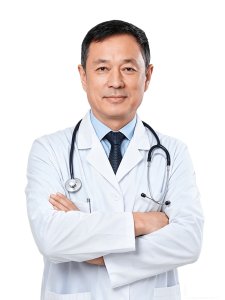
الأستاذ شياو يويونغ هو كبير الأطباء في قسم التشخيص الإشعاعي بالمستشفى العام لجيش التحرير الشعبي الصيني، وخبير بارز في طب الأورام التداخلي طفيف التوغل. يشغل منصب الرئيس المؤسس لـWATA (2025–). ويرأس الجمعية الدولية (2020–) والجمعية الآسيوية (2012–) للعلاج بالتجميد. كما أنه نائب رئيس مجموعة الخبراء بهيئة الصحة الوطنية (NHC) للوائح استئصال الأورام (2009–).
أجرى أكثر من 100,000 إجراء طفيف التوغل موجهًا بالتصوير المقطعي/الرنين المغناطيسي. يشمل عمله الاستئصال الكيميائي، والاستئصال بالترددات ا
 Anna Leonova
الإجراء الجراحي القياسي لسرطان المعدة في المرحلة الثانية في الصين هو استئصال المعدة الجذري مع استئصال العقد الليمفاوية D2. يقوم الجراحون بإجراء استئصال جزئي أو كلي للمعدة بناءً على موقع الورم. يتبع هذا الإجراء إرشادات الجمعية الصينية لعلم الأورام السريري لضمان إزالة الورم بالكامل واستئصال واسع للعقد الليمفاوية.
رؤية خبير Bookimed: تُظهر مراكز الأورام الصينية قدرة عالية على التعامل مع الحالات المعقدة، حيث خدم مستشفى فودا للسرطان أكثر من 30,000 مريض دولي. تُظهر الأنماط السريرية أن المراكز في قوانغتشو وشيامن تعطي الأولوية للفرق متعددة التخصصات. غالبًا ما تدمج هذه الفرق الجراحة بالتبريد أو تقنيات NanoKnife للحالات التي تتطلب فيها الجراحة التقليدية تحكمًا موضعيًا إضافيًا.
إجماع المرضى: يؤكد المرضى أن تقارير علم الأمراض النهائية بعد الجراحة تؤدي غالبًا إلى تعديلات في خطة العلاج. ويشيرون إلى أنه من الضروري الاستعداد لتغييرات غذائية كبيرة وتكيف غذائي ب
العلاج الكيميائي شائع لسرطان المعدة في المرحلة الثانية ولكنه ليس إلزامياً دائماً بعد الجراحة. العلاج الكيميائي المساعد الجديد (Neoadjuvant) قبل الجراحة هو المعيار لتقليص الأورام لتحسين نجاح الاستئصال. العلاج الكيميائي المساعد (Adjuvant) بعد الجراحة يقضي على الخلايا المجهرية. يعتمد القرار على حالة الغدد الليمفاوية وعمق الورم المكتشف أثناء الاستئصال.
رؤية خبير Bookimed: تشير بيانات المرضى إلى أن سرعة التعافي غالباً ما تملي الجدول الزمني للعلاج الكيميائي. يخدم مستشفى فودا للسرطان أكثر من 30,000 مريض دولي ويركز على البدائل طفيفة التوغل. إذا كان فقدان الوزن بعد الجراحة شديداً، فقد يعطي الأطباء الأولوية للتعافي قبل بدء دورات الأدوية الثقيلة لضمان سلامة المريض.
إجماع المرضى: يلاحظ المرضى أن خطط علاج المرحلة الثانية تختلف. يخضع البعض للجراحة أولاً بينما يبدأ البعض الآخر بالعلاج الكيميائي للسيطرة على انتشار الورم. يؤكد الكثيرون أن صعوبات الأكل بعد الجراحة يمكن أن تجعل بدء العلاج الكيميائي أمراً صعباً.
تصف المستشفيات الصينية في المقام الأول علاجات ثنائية تعتمد على فلوروبيريميدين والبلاتين لسرطان المعدة في المرحلة الثانية. توصي إرشادات الجمعية الصينية لعلم الأورام السريري بهذه العلاجات بعد استئصال المعدة D2. تشمل الأنظمة القياسية SOX و XELOX و FOLFOX. تقلل هذه البروتوكولات من مخاطر التكرار وتستهدف الانتشار المجهري.
رؤية خبير Bookimed: تظهر الممارسة السريرية في الصين تفضيلاً قوياً لنظام SOX. إنه أكثر شيوعاً هنا منه في الدول الغربية. وذلك لأن S-1 فعال بشكل خاص في سكان شرق آسيا. يجب على المرضى التأكد من استقرار حالتهم التغذوية. يقوم الأطباء في عيادات مثل مستشفى فودا للسرطان بتعديل الجرعات بناءً على وزن الجسم. تساعد هذه المرونة المرضى على إكمال الدورة العلاجية الكاملة بأمان.
إجماع المرضى: يشير المرضى إلى أن الأطباء يعطون الأولوية للعلاجات الثنائية القائمة على أوكساليبلاتين كمعيار حديث. يؤكد الكثيرون أن تعديلات الجرعة أو تأخير العلاج هي إجراءات روتينية لإدارة التغذية وقيم المختبر.
يشهد المرضى الدوليون في مراكز الأورام الصينية الرائدة عادةً معدلات بقاء على قيد الحياة لمدة 5 سنوات تتراوح بين 63% و86% لسرطان المعدة في المرحلة الثانية. تعكس هذه المعدلات النتائج من المؤسسات الحضرية ذات الحجم الكبير. يعتمد النجاح على استئصال المعدة الجذري D2 والعلاج الكيميائي المساعد. يعمل التنميط الجزيئي المتقدم على تحسين هذه المعايير بشكل أكبر.
رؤية خبير Bookimed: تتأثر بيانات البقاء على قيد الحياة في الصين بشدة بالتخصص الجراحي. خدمت مرافق مثل مستشفى فودا للسرطان أكثر من 30,000 مريض من 100 دولة. غالبًا ما يؤدي هذا الحجم الهائل إلى نتائج أفضل في عمليات استئصال العقد الليمفاوية D2 المعقدة. يجب على المرضى إعطاء الأولوية للمستشفيات الحاصلة على اعتماد JCI لضمان تلبية المعايير الدولية لعلم الأمراض والسلامة.
إجماع المرضى: يشير المرضى إلى أن البقاء على قيد الحياة يعتمد على تحقيق هوامش جراحية واضحة وإزالة كافية للعقد اللي
عادةً ما يبقى المرضى الدوليون في الصين لمدة تتراوح بين 3 إلى 6 أشهر للحصول على علاج كامل لسرطان المعدة في المرحلة الثانية. تغطي هذه الفترة الجراحة المتخصصة مثل استئصال المعدة الجذري D2 وجولات متعددة من العلاج الكيميائي المساعد. توفر المرافق المعتمدة من قبل JCI في مدن مثل قوانغتشو بروتوكولات الأورام المتكاملة هذه.
رؤية خبير Bookimed: يمكن للمرضى تحسين إقامتهم من خلال اختيار عيادات مثل مستشفى فودا للسرطان (Fuda Cancer Hospital). يتخصص هذا المرفق في العلاجات طفيفة التوغل التي قد تكون بدائل للعلاج الكيميائي التقليدي. تضمن خبرتهم مع أكثر من 30,000 مريض دولي انتقالات مبسطة بين التعافي الجراحي والإقامة الخارجية المحلية.
إجماع المرضى: يؤكد المرضى أن التعافي يُقاس بالأسابيع وليس بالأيام. يوصون بالبقاء بالقرب من المستشفى بعد الخروج لإدارة مشاكل التغذية أو التعديلات الغذائية قبل العودة إلى الوطن.
تدمج المراكز الصينية الطب الصيني التقليدي (TCM) في بروتوكولات سرطان المعدة في المرحلة الثانية كعلاج داعم. توفر المستشفيات الكبرى إلى جانب أقسام الأورام الغربية الطب الصيني التقليدي لإدارة الآثار الجانبية. وهو لا يحل أبداً محل الاستراتيجية العلاجية الأساسية المتمثلة في استئصال المعدة الجذري والعلاج الكيميائي المساعد في المرافق المعتمدة من قبل JCI.
رؤية خبير Bookimed: بينما يبحث الكثيرون عن علاجات بديلة، تؤكد مراكز الأورام الصينية مثل مستشفى فودا للسرطان على نهج متعدد التخصصات. فهي تجمع بين الجراحة الغربية والتقنيات المتقدمة مثل الجراحة بالتبريد أو NanoKnife بدلاً من الاعتماد على الطب الصيني التقليدي وحده. تظهر بياناتنا أن هذه المراكز المتكاملة تفضل الطب الصيني التقليدي خصيصاً لفترات التعافي بعد الجراحة لمساعدة المرضى على تحمل العلاج الكيميائي المكثف.
إجماع المرضى: يلاحظ المرضى أن الطب الصيني التقليدي هو الأكثر فعالية لاستعادة شهيتهم وحركة أمعائهم بعد جراحة المعدة الكبرى. وغالباً ما يحذرون الآخرين للتأكد من أن العلاجات العشبية لا تؤخر الت
لا يُعد العلاج المناعي والعوامل الموجهة معياراً لعلاج سرطان المعدة في المرحلة الثانية في الصين. تعطي معظم البروتوكولات السريرية الصينية الأولوية لجراحة D2 الجذرية والعلاج الكيميائي السام للخلايا. عادةً ما يتم تخصيص هذه العلاجات المتقدمة للمرض النقيلي في المرحلة الرابعة أو حالات التكرار الموثقة تحديداً.
رؤية خبير Bookimed: بينما يركز الرعاية القياسية في المرحلة الثانية على الجراحة، تستخدم مراكز متخصصة مثل مستشفى فودا للسرطان أكثر من 10 أنواع من العلاجات طفيفة التوغل. توفر هذه التقنيات، بما في ذلك NanoKnife والجراحة بالتبريد، بدائل موضعية للأدوية الجهازية. هذا ذو قيمة خاصة للمرضى الذين لا يستطيعون تحمل العلاج الكيميائي القوي بعد استئصال المعدة.
إجماع المرضى: يشير المرضى إلى أن جراحة D2 هي الخطوة الأولى المتوقعة. يؤكد الكثيرون على أهمية طلب اختبارات المؤشرات الحيوية في وقت مبكر لتحديد خيارات طويلة الأمد في حال عودة السرطان.