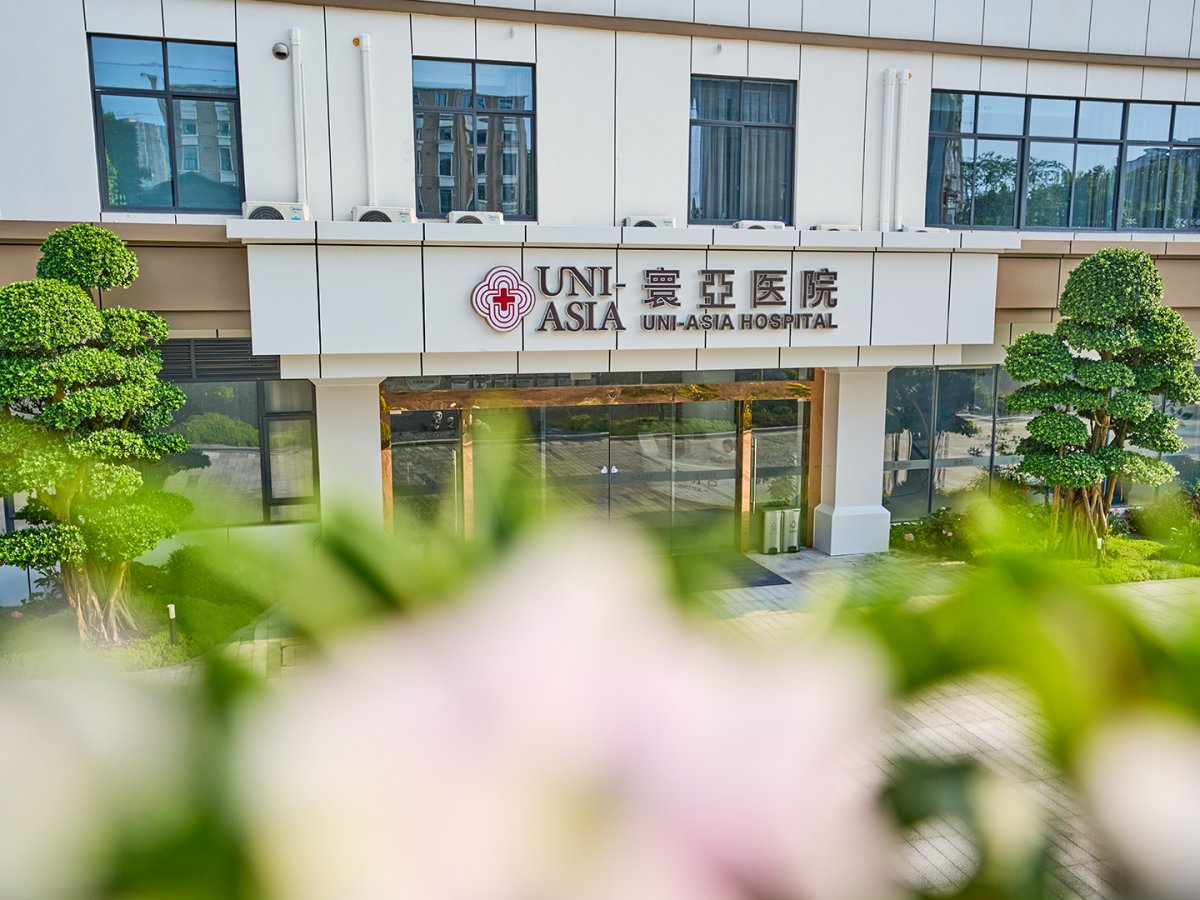
Fuda Hospital
الصين, قوانغتشو


تمت مراجعة المقالة طبيا من قبل
فهد مولود
| الصين | تركيا | إسبانيا | |
|---|---|---|---|
| جراحة سرطان المعدة | ≈ $14,000 | من $10,500 | من $28,500 |
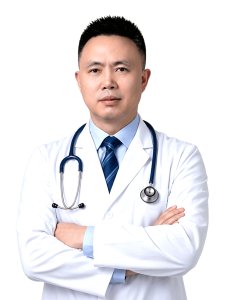
كبير الأطباء وأستاذ. خبير من الدرجة الأولى في مركز السرطان بمستشفى غرب الصين، جامعة سيتشوان (المرتبة الثانية في الصين). أنهى زمالة ما بعد الدكتوراه في الأشعة التداخلية بالمستشفى العام لجيش التحرير الشعبي الصيني. يقود رعاية فريق متعدد التخصصات (MDT) للأورام المعقدة. خبير في طب الأورام التداخلي طفيف التوغل لأورام الكبد والرئة والبنكرياس.
الاعتمادات: عضو مجلس في WATA. عضو في لجان CACA وCMDA للتدخلات، والاستئصال الحراري، والبذور المشعة، وعلاج الألم. في 2023، عضو مجلس مؤسِّس في لجنة الرعاية
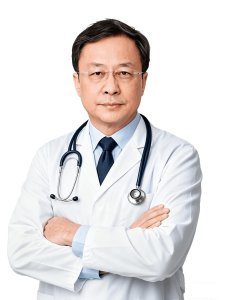
البروفيسور لوو شياوبينغ اختصاصي أشعة تداخلية معترف به على المستوى الوطني ومن أبرز الخبراء في غرب الصين. بدأ ريادة التدخلات الوعائية في أوائل التسعينيات، وأسهم في تأسيس فريق الأشعة التداخلية في المستشفى الثاني الملحق بجامعة تشونغتشينغ الطبية.
أجرى أكثر من 100 ألف إجراء تداخلي، بينها نحو 4 آلاف حالة معقدة. تشمل مهاراته الأساسية الانصمام الكيميائي عبر الشريان الكبدي (TACE) لعلاج سرطان الخلايا الكبدية، وتداخلات متلازمة بود–كياري، وإجراء TIPS، وتركيب دعامتين في مرحلة واحدة لعلاج انسداد القن
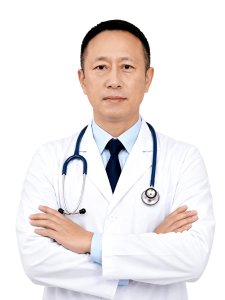
الدكتور هي ويبينغ رائد الاستئصال بالتبريد بالأرجون–الهيليوم في الصين، وله أكثر من 20 عاماً من الممارسة السريرية المباشرة. كان عضواً مؤسِّساً لمستشفى فودا للسرطان (قوانغتشو)، وشارك في تأسيس مركز علاج الأورام طفيفة التوغل فيه وتولى منصب نائب المدير التنفيذي. كما أسهم في تأسيس مجموعة الاستئصال التابعة للجمعية الصينية لمكافحة السرطان. وكان المنفّذ الرئيسي في أكثر من 10,000 إجراء.
يتخصص في الاستئصال بالتبريد للأورام، وهو متمرّس في العلاج الإشعاعي الموضعي ببذور اليود‑125، مع تركيز على سرطاني
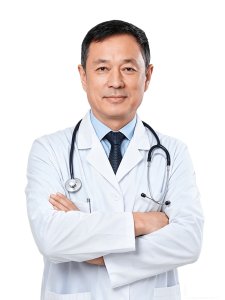
الأستاذ شياو يويونغ هو كبير الأطباء في قسم التشخيص الإشعاعي بالمستشفى العام لجيش التحرير الشعبي الصيني، وخبير بارز في طب الأورام التداخلي طفيف التوغل. يشغل منصب الرئيس المؤسس لـWATA (2025–). ويرأس الجمعية الدولية (2020–) والجمعية الآسيوية (2012–) للعلاج بالتجميد. كما أنه نائب رئيس مجموعة الخبراء بهيئة الصحة الوطنية (NHC) للوائح استئصال الأورام (2009–).
أجرى أكثر من 100,000 إجراء طفيف التوغل موجهًا بالتصوير المقطعي/الرنين المغناطيسي. يشمل عمله الاستئصال الكيميائي، والاستئصال بالترددات ا
 Anna Leonova
الحؤول المعوي المعدي ليس سرطان المعدة. إنه تغير ما قبل سرطاني حيث تتحول خلايا بطانة المعدة لتشبه خلايا الأمعاء. على الرغم من أن هذا يزيد من خطر الإصابة بالسرطان، إلا أن 0.25% إلى 2.5% فقط من الحالات تتطور إلى ورم خبيث على مدى سنوات عديدة. تظل المراقبة المنتظمة عن طريق تنظير المعدة ضرورية.
رؤية خبير Bookimed: يستفيد المرضى الذين يبحثون عن التشخيص في الصين من المراكز ذات الحجم الكبير مثل مستشفى فودا للسرطان (Fuda Cancer Hospital)، الذي عالج أكثر من 30,000 مريض دولي. الخبرة السريرية هنا كبيرة، حيث يحمل متخصصون مثل البروفيسور ليو شي شين في مستشفى شيامن الإنساني (Xiamen Humanity Hospital) أوسمة وطنية رفيعة. غالبًا ما يؤدي هذا الحجم الكبير من المرضى إلى تفسيرات أكثر دقة لتنظير المعدة، وهو أمر حيوي للتمييز بين الحؤول البسيط وخلل التنسج عالي الخطورة.
إجماع المرضى: يشعر العديد من المرضى بالذعر في البداية من مصطلح "ما قبل السرطان"، لكنهم يلاحظون أنه تغير مجهري وليس ورماً. ويؤكدون أن القضاء على عدوى الملوية البوابية هو الخطوة الأكثر استباقية التي يجب اتخاذها بعد التشخيص.
يمكن أن يتراجع الحؤول المعوي المعدي تماماً في بعض الحالات. تُظهر البيانات السريرية طويلة المدى أن التراجع ممكن إذا تم اكتشافه مبكراً. يعتمد النجاح على القضاء على المهيجات المزمنة مثل عدوى الملوية البوابية (Helicobacter pylori). العكس الكامل هو عملية بيولوجية تستغرق عدة سنوات. يتطلب هذا عادةً من ثلاث إلى عشر سنوات من الإدارة العلاجية.
رؤية خبير Bookimed: تشير بيانات المرضى إلى أن المراكز ذات الحجم الكبير مثل مستشفى فودا للسرطان في قوانغتشو تعطي الأولوية للتشخيصات المتقدمة لمشاكل المعدة. تشير خبرتهم في المراقبة الأورام إلى أن المراجعة المرضية الدقيقة هي العامل الأكثر أهمية للمرضى في الصين. غالباً ما تركز هذه المرافق المعتمدة من JCI على تحديد المرحلة بدقة للتمييز بين الحؤول البسيط وخلل التنسج عالي الخطورة.
إجماع المرضى: غالباً ما يؤكد المرضى أنه على الرغم من أن أعراضاً مثل الارتجاع قد تختفي بعد العلاج، إلا أن الحؤول المجهري غالباً ما يظل موجوداً في خزعات المتابعة. ويؤكدون أن إجراء اختبار الملوية البوابية هو الخطوة الأولى الأكثر أهمية لمنع المزيد
الخطوة الأولى في علاج الحؤول المعدي هي الكشف عن عدوى الملوية البوابية (Helicobacter pylori) والقضاء عليها. القضاء على هذه البكتيريا يقلل من الالتهاب المزمن. وهذا يساعد في وقف التطور نحو تغيرات الأنسجة. كما يمنح بطانة المعدة فرصة حيوية للشفاء بشكل صحيح.
رؤية خبير Bookimed: بينما تركز الإرشادات العامة على الاستئصال، تؤكد المرافق التي تركز على الأورام في الصين مثل مستشفى فودا للسرطان (Fuda Cancer Hospital) على رسم الخرائط التشخيصية المتخصصة. ونظراً لأن الحؤول قد يكون غير منتظم، غالباً ما تستخدم هذه المراكز تنظير المعدة الدقيق لمراقبة الأنسجة. وقد خدم مستشفى فودا وحده أكثر من 30,000 مريض دولي، مما يظهر الخبرة الكبيرة المتاحة في المنطقة.
إجماع المرضى: يلاحظ المرضى أن بعض الحالات لا تظهر عليها أعراض على الرغم من نتائج الخزعة. ويؤكدون على أهمية طلب صياغة محددة في تقرير علم الأمراض وتتبع المواقع الدقيقة التي أُخذت منها الخزعات.
في الصين، يعتمد تكرار تنظير المعدة لحالات الحؤول المعدي على مستوى المخاطر المحدد في خزعتك. يحتاج المرضى ذوو المخاطر المنخفضة عمومًا إلى فحص كل 3 إلى 5 سنوات. تتطلب الآفات السابقة للسرطان عالية الدرجة أو الإصابة الواسعة مراقبة مكثفة كل 3 إلى 6 أشهر لضمان السلامة.
رؤية خبير Bookimed: يؤثر حجم المرضى على دقة التشخيص في الصين. يخدم مستشفى فودا للسرطان أكثر من 30,000 مريض دولي وهو معتمد من قبل اللجنة الدولية المشتركة (JCI). يعني هذا الحجم الكبير من الحالات أن المتخصصين مثل الدكتور سونغ شيجون يرون حالات حؤول معقدة يوميًا. تساعد هذه الخبرة في تحديد تغيرات الأنسجة الدقيقة التي قد تغفل عنها المراكز ذات الحجم الأقل أثناء الفحوصات الروتينية.
إجماع المرضى: يؤكد المرضى أن نتائج الخزعة تهم أكثر من مصطلح الحؤول وحده. يلاحظ الكثيرون أن علاج الملوية البوابية (H. pylori) أولاً غالبًا ما يبسط جدول المراقبة طويل الأمد بشكل كبير.
تستخدم المستشفيات الصينية مناظير فيديو عالية الدقة مدمجة مع الذكاء الاصطناعي في الوقت الفعلي وتكنولوجيا الكبسولة التي يتم التحكم فيها مغناطيسيًا. تسمح هذه الأنظمة بفحص دقيق للحؤول المعدي والآفات في مراحلها المبكرة. تتيح تقنيات التصوير البصري المتقدمة والتوجيه الروبوتي رؤية عالية الدقة دون الحاجة إلى أنابيب غازية في العديد من مراكز الأورام المتخصصة.
رؤية خبير Bookimed: تشير بيانات المرضى إلى ضرورة النظر إلى ما هو أبعد من تكنولوجيا التنظير نفسها عند علاج الحؤول المعدي. في مراكز مثل مستشفى فودا للسرطان، الذي يعالج أكثر من 30,000 مريض دولي، تكمن القيمة في الجمع بين تنظير المعدة والمتابعات المتخصصة طفيفة التوغل. على الرغم من توفر تكنولوجيا رائدة مثل الكبسولات الموجهة بالروبوت، فإن النتائج الأكثر فعالية للحؤول تأتي من المراكز ذات الحجم الكبير التي تعطي الأولوية لبروتوكولات الخزعة القوية بدلاً من التصوير وحده.
إجماع المرضى: يشير المرضى إلى أن توفر التخدير ودقة بروتوكول الخزعة أكثر أهمية من العلامة التجارية المحددة للمعدات. يؤكد ال
يُستخدم الطب الصيني التقليدي (TCM) بشكل متكرر لإدارة الحؤول المعوي المعدي في شرق آسيا. غالبًا ما تدمج مراكز الأورام الحديثة هذه التركيبات مع البروتوكولات التقليدية. تهدف مركبات محددة مثل Weifuchun وElian إلى حل الالتهاب المزمن وتشجيع إصلاح الغشاء المخاطي داخل بطانة المعدة.
رؤية خبير Bookimed: يوجد نمط متميز حيث يتلقى المرضى في المستشفيات الصينية المعتمدة من قبل JCI، مثل مستشفى Fuda للسرطان، رعاية متخصصة للغاية تتميز بتقنيات مثل NanoKnife جنبًا إلى جنب مع العلاجات الداعمة التقليدية. في حين زار أكثر من 30,000 مريض دولي هذه المرافق للحصول على دعم في المراحل المتأخرة، تكمن القيمة الحقيقية في الجمع بين الطب الصيني التقليدي والعلاج الإشعاعي عالي الدقة بتوجيه من خبراء مثل الدكتور ليو شي شين. يعطي هذا النموذج الهجين الأولوية للتحكم في الأعراض مع الحفاظ على مراقبة تنظيرية صارمة لمراقبة تغيرات الأنسجة بشكل موضوعي.
إجماع المرضى: يلاحظ المرضى أن خلطات الأعشاب غالبًا ما يتم اختيارها للرعاية طويلة الأمد لأنه
تتطلب حماية بطانة معدتك التخلص من المهيجات الكيميائية مثل مضادات الالتهاب غير الستيرويدية (NSAIDs) والكحول، مع اعتماد وجبات أصغر لتقليل الضغط الميكانيكي. تساعد إدارة المخاطر البكتيرية من خلال النظافة في منع العدوى. هذه الخطوات تقلل من الالتهاب وتدعم الحاجز المخاطي. الاستمرارية أمر حيوي لصحة المعدة على المدى الطويل وإدارة الحؤول النسيجي.
رؤية خبير Bookimed: بينما تعتبر التغييرات الغذائية ضرورية، تؤكد المراكز ذات الحجم الكبير مثل مستشفى فودا للسرطان (Fuda Cancer Hospital) على دقة التشخيص. إنهم يستخدمون تقنيات مثل التصوير بضيق النطاق (NBI) أثناء تنظير المعدة لمراقبة تغيرات الأنسجة. يجب على المرضى إعطاء الأولوية للمرافق التي تجمع بين تدريب نمط الحياة والفحص المتقدم. يضمن هذا النهج المزدوج اكتشاف التغيرات الطفيفة في بطانة المعدة مبكراً. هذا مهم بشكل خاص عند إدارتها من قبل متخصصين مثل الدكتور ليو شي شين.
إجماع المرضى: يشير المرضى إلى أن التحو