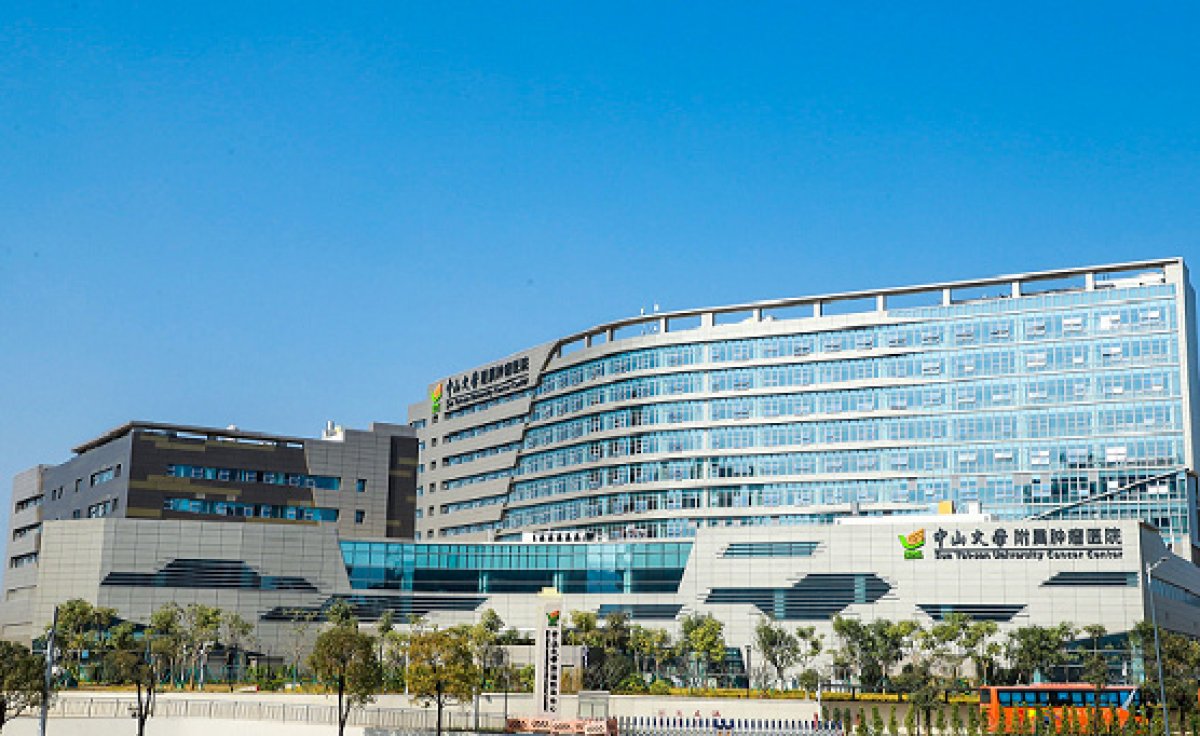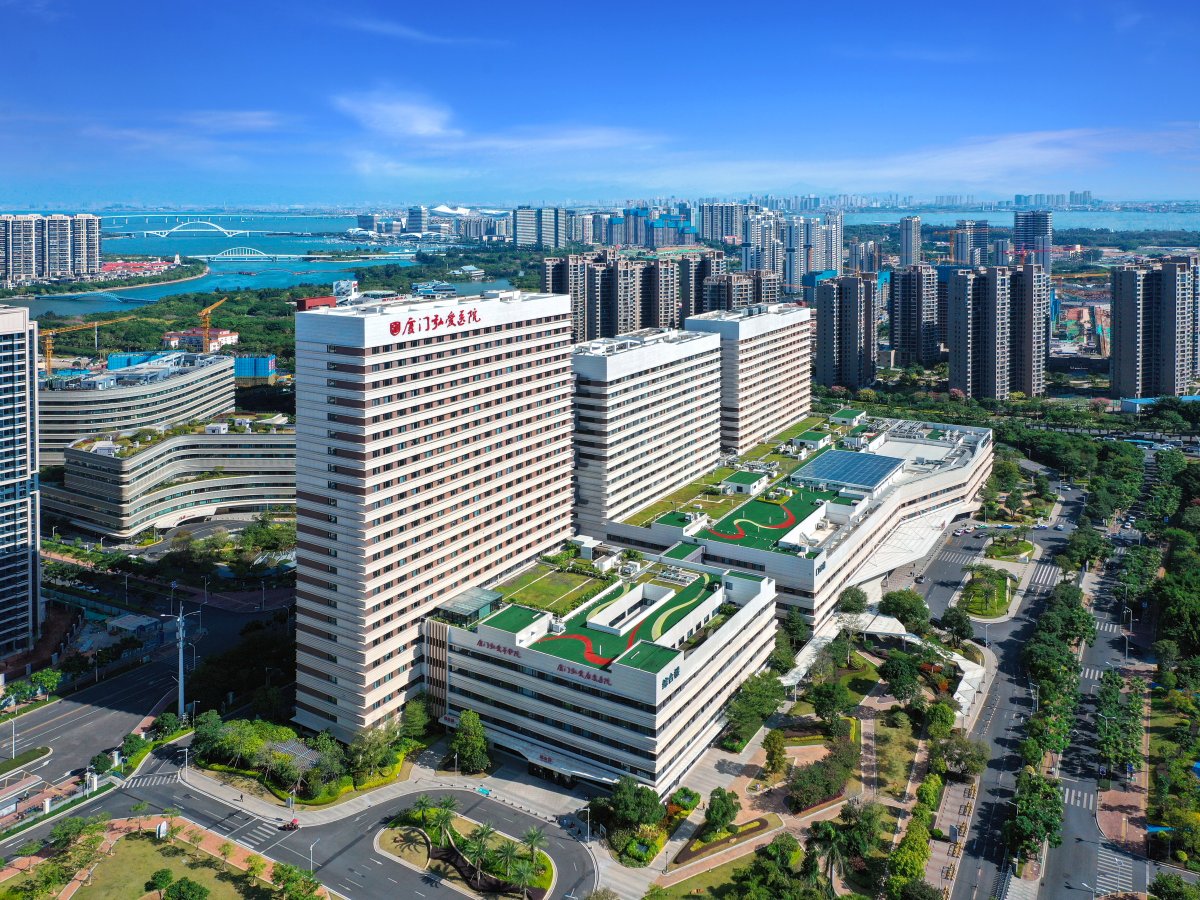
مستشفى شيامن هيومانيتي
الصين, شيامن


تمت مراجعة المقالة طبيا من قبل
فهد مولود
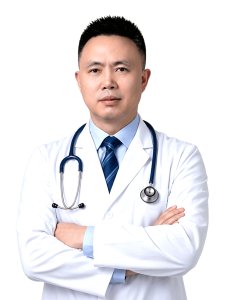
كبير الأطباء وأستاذ. خبير من الدرجة الأولى في مركز السرطان بمستشفى غرب الصين، جامعة سيتشوان (المرتبة الثانية في الصين). أنهى زمالة ما بعد الدكتوراه في الأشعة التداخلية بالمستشفى العام لجيش التحرير الشعبي الصيني. يقود رعاية فريق متعدد التخصصات (MDT) للأورام المعقدة. خبير في طب الأورام التداخلي طفيف التوغل لأورام الكبد والرئة والبنكرياس.
الاعتمادات: عضو مجلس في WATA. عضو في لجان CACA وCMDA للتدخلات، والاستئصال الحراري، والبذور المشعة، وعلاج الألم. في 2023، عضو مجلس مؤسِّس في لجنة الرعاية
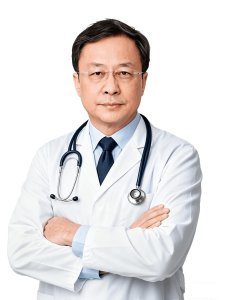
البروفيسور لوو شياوبينغ اختصاصي أشعة تداخلية معترف به على المستوى الوطني ومن أبرز الخبراء في غرب الصين. بدأ ريادة التدخلات الوعائية في أوائل التسعينيات، وأسهم في تأسيس فريق الأشعة التداخلية في المستشفى الثاني الملحق بجامعة تشونغتشينغ الطبية.
أجرى أكثر من 100 ألف إجراء تداخلي، بينها نحو 4 آلاف حالة معقدة. تشمل مهاراته الأساسية الانصمام الكيميائي عبر الشريان الكبدي (TACE) لعلاج سرطان الخلايا الكبدية، وتداخلات متلازمة بود–كياري، وإجراء TIPS، وتركيب دعامتين في مرحلة واحدة لعلاج انسداد القن
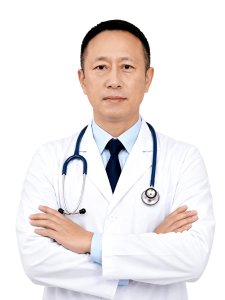
الدكتور هي ويبينغ رائد الاستئصال بالتبريد بالأرجون–الهيليوم في الصين، وله أكثر من 20 عاماً من الممارسة السريرية المباشرة. كان عضواً مؤسِّساً لمستشفى فودا للسرطان (قوانغتشو)، وشارك في تأسيس مركز علاج الأورام طفيفة التوغل فيه وتولى منصب نائب المدير التنفيذي. كما أسهم في تأسيس مجموعة الاستئصال التابعة للجمعية الصينية لمكافحة السرطان. وكان المنفّذ الرئيسي في أكثر من 10,000 إجراء.
يتخصص في الاستئصال بالتبريد للأورام، وهو متمرّس في العلاج الإشعاعي الموضعي ببذور اليود‑125، مع تركيز على سرطاني
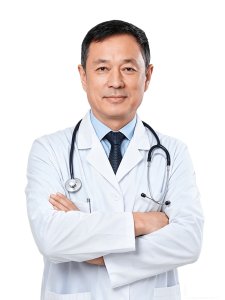
الأستاذ شياو يويونغ هو كبير الأطباء في قسم التشخيص الإشعاعي بالمستشفى العام لجيش التحرير الشعبي الصيني، وخبير بارز في طب الأورام التداخلي طفيف التوغل. يشغل منصب الرئيس المؤسس لـWATA (2025–). ويرأس الجمعية الدولية (2020–) والجمعية الآسيوية (2012–) للعلاج بالتجميد. كما أنه نائب رئيس مجموعة الخبراء بهيئة الصحة الوطنية (NHC) للوائح استئصال الأورام (2009–).
أجرى أكثر من 100,000 إجراء طفيف التوغل موجهًا بالتصوير المقطعي/الرنين المغناطيسي. يشمل عمله الاستئصال الكيميائي، والاستئصال بالترددات ا
 Anna Leonova
تُقدّم الصين علاجات مناعية متطورة، تشمل العلاج بالخلايا التائية المعدلة وراثيًا (CAR T-cell therapy)، والعلاج بالخلايا اللمفاوية المتسللة إلى الورم (TIL therapy)، والأجسام المضادة متعددة التخصصات. وتتخصص المراكز الطبية في علاج الأورام الصلبة والأورام الدموية الخبيثة. وتخضع هذه العلاجات لرقابة الهيئة الوطنية للمنتجات الطبية (NMPA)، وغالبًا ما تُتاح بعد اجتيازها تجارب سريرية واسعة النطاق.
رأي خبراء بوكيمد: تم تصميم البنية التحتية لعلاج الأورام في الصين للتعامل مع حالات متخصصة للغاية مع أعداد كبيرة من المرضى. فمستشفى شيامن الإنساني وحده يعالج مليون مريض سنويًا، ويضم 47 قسمًا. يتيح هذا التدفق الهائل للمرضى للأطباء اكتساب الخبر
يحتاج المرضى الدوليون الذين يتلقون العلاج المناعي في الصين إلى فترة تتراوح بين 3 أيام و3 أشهر، وذلك بحسب نظام العلاج. وتتطلب مثبطات نقاط التفتيش المناعية عادةً من 3 إلى 7 أيام. أما العلاجات الخلوية المتخصصة، مثل CAR-T، فتتطلب من 3 إلى 12 أسبوعًا للإنتاج والمتابعة اللاحقة بعد الحقن. ويظل مستوى الأمان مرتفعًا بفضل المراقبة الطبية على مدار الساعة.
رأي خبراء بوكيمد: غالبًا ما يتجاهل المرضى حقيقة أن المراكز الصينية المتخصصة، مثل مستشفى شيامن الإنساني، تعالج أكثر من مليون حالة سنويًا. هذا العدد الهائل من الحالات يُمكّن الفرق الطبية من تحسين التشخيص. على الرغم من سرعة إعطاء الدواء، إلا أن الزيارة الأولى تشمل فحوصات الأنسجة واختبارات مؤشرات ا
تتوفر في الصين أدوية العلاج المناعي المعتمدة من إدارة الغذاء والدواء الأمريكية، بما في ذلك بيمبروليزوماب ونيفولوماب. وقد وافقت الهيئة الوطنية للمنتجات الطبية على كلا الدواءين في عام ٢٠١٨. ويمكن للمرضى الحصول على هذه الأدوية في المستشفيات المتخصصة الكبرى ومراكز علاج السرطان الخاصة. ويعتمد توفرها على دواعي الاستخدام المحددة لنوع السرطان، وفقًا للموافقات المحلية.
رأي خبراء بوكيمد: على الرغم من توفر هذه العلامات التجارية العالمية، إلا أن مستشفى شيامن الإنساني يُسلط الضوء على اتجاه هام في الصين. تعالج هذه المؤسسة مليون مريض سنويًا، وهي معتمدة لإجراء التجارب السريرية للأدوية. غالبًا ما توفر المستشفيات التي تستقبل هذا العدد الكبي
تمت الموافقة في الصين على أكثر من 20 مثبطًا محليًا لـ PD-1/PD-L1. ومن أبرز هذه الأدوية تيسليزوماب، وسينتيليماب، وكامريليزوماب. تتمتع هذه الأدوية بفعالية سريرية مماثلة للأدوية المستوردة مثل كيترودا أو أوبديفو. غالبًا ما تكون المثبطات المحلية أرخص بنسبة 70-85%، وهي مُحسَّنة لعلاج السرطان في شرق آسيا.
رأي خبراء بوكيمد: يُعدّ مستشفى شيامن الإنساني مركزًا مرموقًا يُتيح الوصول إلى هذه العلاجات. وهو مؤسسة من المستوى الثالث مُرخّصة لإجراء التجارب السريرية من المرحلة الأولى إلى الرابعة. وهذا يعني أن المرضى غالبًا ما يحصلون على أحدث بروتوكولات العلاج المناعي المحلية. تُشير بياناتنا إلى أن هذه ا
تُعدّ بكين وشنغهاي وغوانزو المراكز الرئيسية لعلاج الأورام والعلاج المناعي باللغة الإنجليزية في الصين. وتضم هذه المدن أقسامًا دولية متخصصة ومرافق طبية معتمدة من اللجنة الدولية المشتركة (JCI). كما توفر كوادر طبية متعددة اللغات وبروتوكولات علاجية متطورة، مثل علاج CAR-T، للمرضى الدوليين الباحثين عن علاجات مبتكرة للسرطان.
رأي خبراء بوكيمد: بينما تشتهر بكين وشنغهاي، تتطور شيامن لتصبح مركزًا للأبحاث السريرية الخاضعة للرقابة. يعالج مستشفى شيامن الإنساني أكثر من مليون مريض سنويًا، ويجري تجارب سريرية من المرحلة الأولى إلى الرابعة. غالبًا ما يتيح هذا الحجم الكبير من الحالات الوصول بشكل أسرع إلى بروتوكولات العلاج المناعي التجريبية مقارنةً بالعيادات الخاص
يتطلب السفر إلى الصين لتلقي العلاج المناعي عادةً تأشيرة S2 للإقامات التي تقل عن 180 يومًا. أما المرضى الذين يحتاجون إلى مراقبة طويلة الأمد لعلاج الخلايا التائية المعدلة وراثيًا (CAR T-cell)، فيحتاجون إلى تأشيرة S1. ويشترط في كلا النوعين الحصول على دعوة رسمية من مستشفى جامعي معتمد لاستيفاء المتطلبات القنصلية.
رأي خبراء بوكيمد: يعالج مستشفى شيامن الإنساني أكثر من مليون مريض سنويًا، وهو معتمد لإجراء التجارب السريرية من المرحلة الأولى إلى الرابعة. هذا الاعتماد بالغ الأهمية، إذ غالبًا ما تكون المراكز الأكبر والأكثر تخصصًا أكثر كفاءة في إصدار الدعوات اللازمة للحصول على تأشيرات العلاج. يضمن اختيار مستشفى بحثي معتمد استيفاء وثائقك
في الصين، لا يحتاج المرضى الدوليون عادةً إلى الإقامة المستمرة في المستشفى لتلقي حقن مثبطات نقاط التفتيش المناعية. يُعطى العلاج عادةً وفق جدول دوري للمرضى الخارجيين كل 21 يومًا. غالبًا ما تستخدم مراكز علاج السرطان المتخصصة فترات إقامة قصيرة في المستشفى تتراوح بين يوم واحد وثلاثة أيام خلال الدورة الأولى لمراقبة أي ردود فعل محتملة.
رأي خبراء بوكيمد: يُجسّد مستشفى شيامن الإنساني حجم نظام الرعاية الصحية التخصصية في الصين، إذ يخدم مليون مريض سنويًا. غالبًا ما يؤدي هذا العدد الكبير من المرضى إلى تحسين بروتوكولات العلاج بالتسريب وزيادة فعاليتها. مع ذلك، ينبغي على المرضى إعطاء الأولوية للمراكز المعتمدة لإجراء التجارب السريرية للأدوية. عادةً ما تمتلك هذه المؤسسات