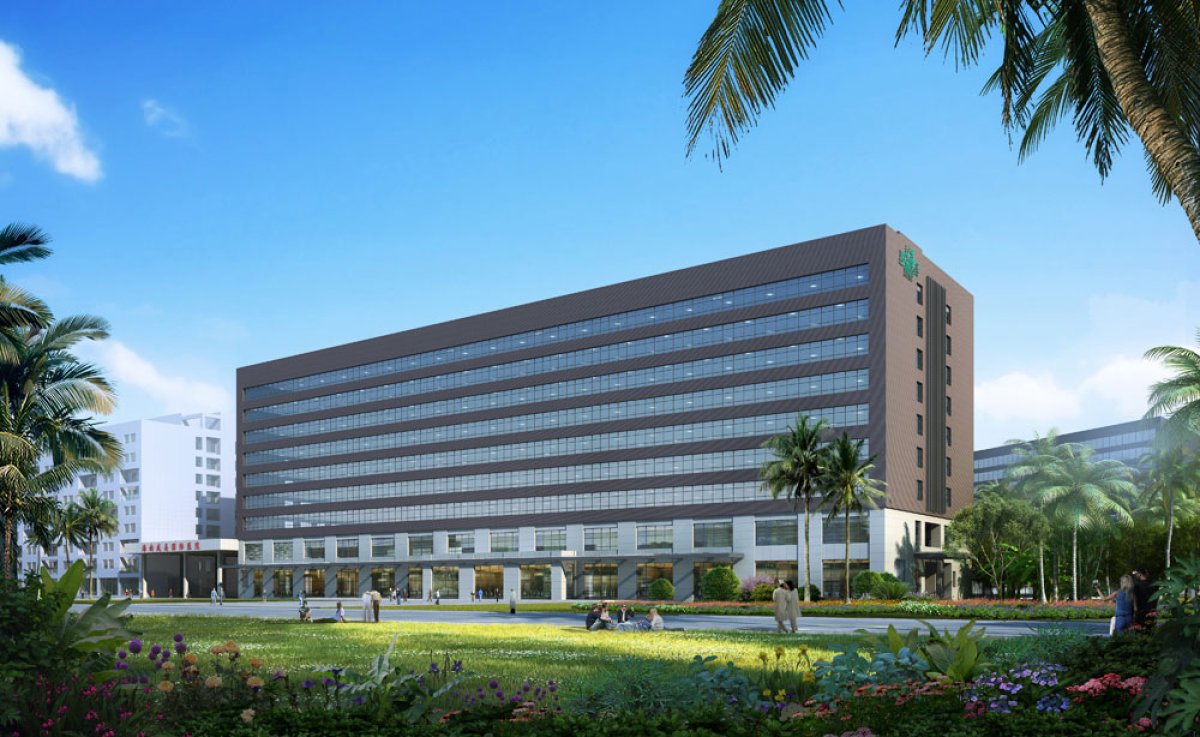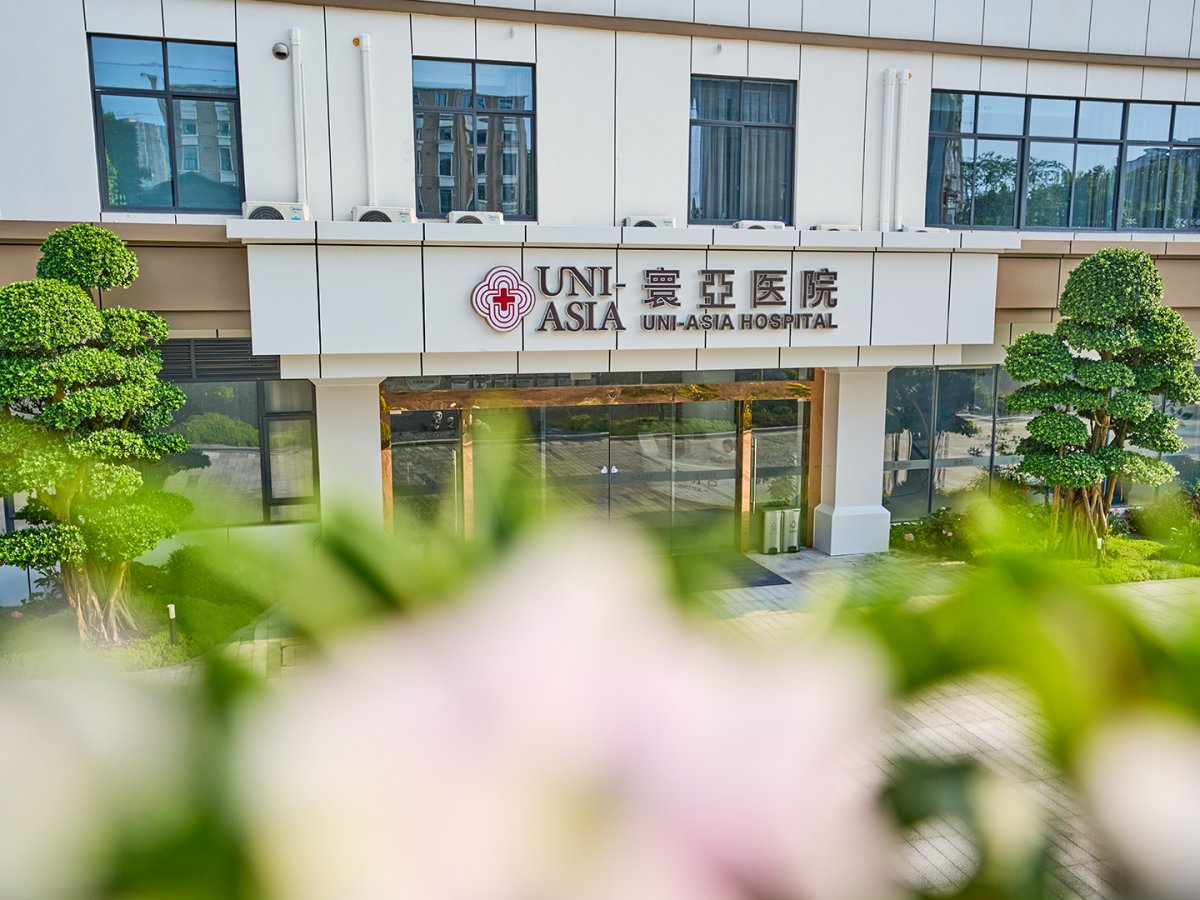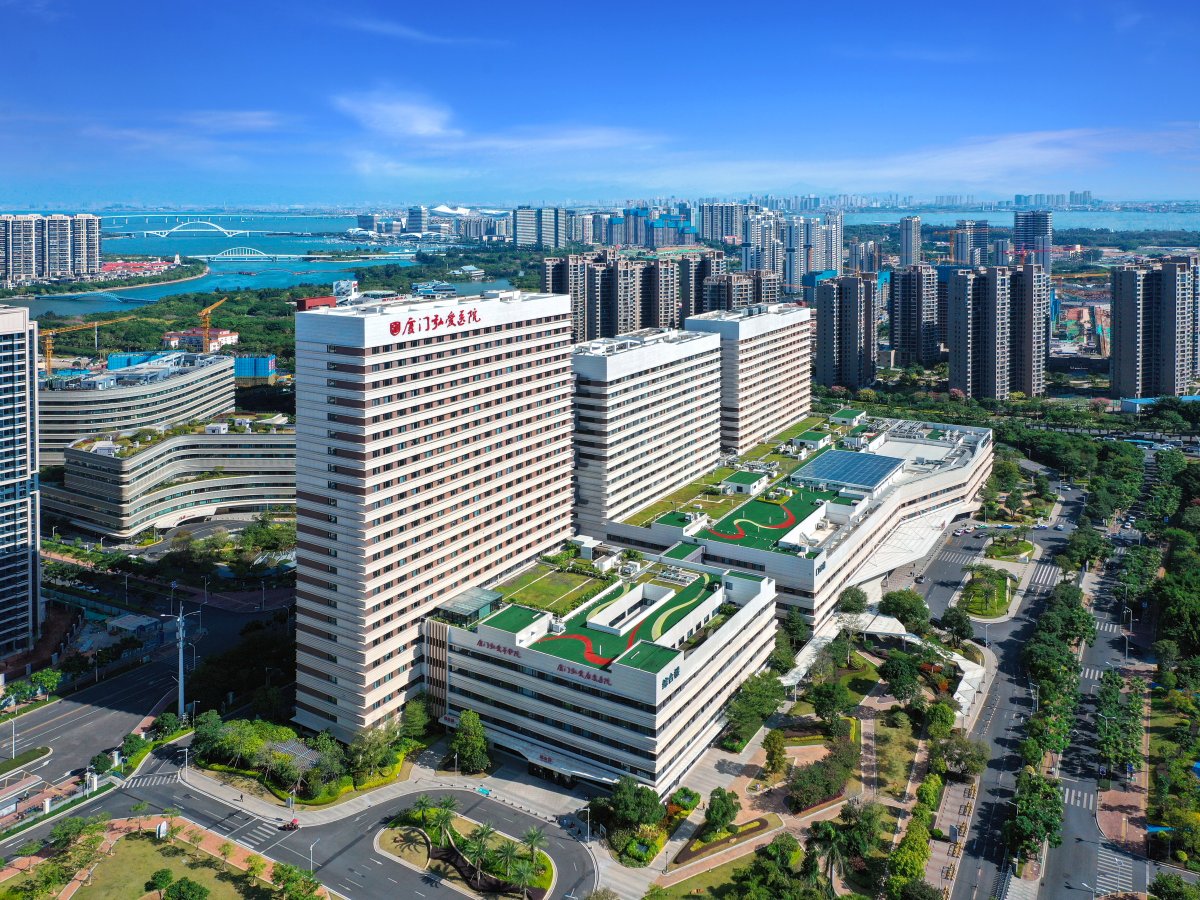
مستشفى شيامن هيومانيتي
الصين, شيامن


تمت مراجعة المقالة طبيا من قبل
فهد مولود
تتضمن تكلفة علاج الورم النجمي في الصين عادةً خيارات جراحية مثل حج القحف، والتي تتراوح تكلفتها من $9,500 إلى $19,500. أما بالنسبة للرعاية الموجهة غير الجراحية، فتتراوح تكلفة الجراحة الإشعاعية التجسيمية من $7,500 إلى $12,500. تعتمد النفقات الإجمالية على درجة الورم، وتصنيف المستشفى، ودورات العلاج الكيميائي المطلوبة. يمكن للمرضى تحقيق وفورات تتراوح بين 65% إلى 85% مقارنة بالولايات المتحدة. تشمل أهم الوجهات الطبية بكين وشانغهاي وغوانزو.
تكاليف علاج الورم النجمي النموذجية في الصين
رؤية خبراء Bookimed: بالنسبة لحالات الأورام العصبية المعقدة، توفر المستشفيات من الدرجة الثالثة مثل مستشفى شيامن الإنساني (Xiamen Humanity Hospital) بنية تحتية متطورة تشمل 47 قسماً متخصصاً. قد يستفيد المرضى الذين يبحثون عن بروتوكولات علاجية متطورة من العيادات المعتمدة لإجراء التجارب الدوائية من المرحلة الأولى إلى الرابعة. وللحصول على علاج إشعاعي عالي الدقة، يقدم خبراء مثل الدكتور ليو شي شين خبرة متخصصة في تقنيات VMAT وSBRT. تدير هذه المراكز ذات الكثافة العالية أكثر من 1,000,000 مريض سنوياً، مما يوازن بين التجارب السريرية المبتكرة والرعاية الجراحية الراسخة.
| الصين | تركيا | إسبانيا | |
|---|---|---|---|
| حج القحف | ≈ $9,500 | من $8,900 | من $32,400 |
| جراحة التجسيمي | ≈ $7,500 | من $6,400 | من $18,100 |
| العلاج الكيميائي لسرطان الثدي | ≈ $14,800 | من $3,000 | من $1,700 |
| العلاج الإشعاعي لسرطان القولون والمستقيم | ≈ $11,500 | من $5,000 | من $7,500 |
| Halcyon (هالسيون) | ≈ $9,000 | ≈ $9,500 | ≈ $6,500 |
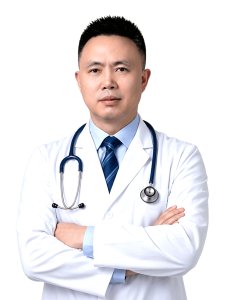
كبير الأطباء وأستاذ. خبير من الدرجة الأولى في مركز السرطان بمستشفى غرب الصين، جامعة سيتشوان (المرتبة الثانية في الصين). أنهى زمالة ما بعد الدكتوراه في الأشعة التداخلية بالمستشفى العام لجيش التحرير الشعبي الصيني. يقود رعاية فريق متعدد التخصصات (MDT) للأورام المعقدة. خبير في طب الأورام التداخلي طفيف التوغل لأورام الكبد والرئة والبنكرياس.
الاعتمادات: عضو مجلس في WATA. عضو في لجان CACA وCMDA للتدخلات، والاستئصال الحراري، والبذور المشعة، وعلاج الألم. في 2023، عضو مجلس مؤسِّس في لجنة الرعاية
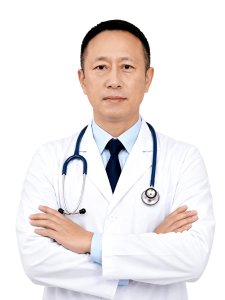
الدكتور هي ويبينغ رائد الاستئصال بالتبريد بالأرجون–الهيليوم في الصين، وله أكثر من 20 عاماً من الممارسة السريرية المباشرة. كان عضواً مؤسِّساً لمستشفى فودا للسرطان (قوانغتشو)، وشارك في تأسيس مركز علاج الأورام طفيفة التوغل فيه وتولى منصب نائب المدير التنفيذي. كما أسهم في تأسيس مجموعة الاستئصال التابعة للجمعية الصينية لمكافحة السرطان. وكان المنفّذ الرئيسي في أكثر من 10,000 إجراء.
يتخصص في الاستئصال بالتبريد للأورام، وهو متمرّس في العلاج الإشعاعي الموضعي ببذور اليود‑125، مع تركيز على سرطاني
البروفيسور لوو شياوبينغ اختصاصي أشعة تداخلية معترف به على المستوى الوطني ومن أبرز الخبراء في غرب الصين. بدأ ريادة التدخلات الوعائية في أوائل التسعينيات، وأسهم في تأسيس فريق الأشعة التداخلية في المستشفى الثاني الملحق بجامعة تشونغتشينغ الطبية.
أجرى أكثر من 100 ألف إجراء تداخلي، بينها نحو 4 آلاف حالة معقدة. تشمل مهاراته الأساسية الانصمام الكيميائي عبر الشريان الكبدي (TACE) لعلاج سرطان الخلايا الكبدية، وتداخلات متلازمة بود–كياري، وإجراء TIPS، وتركيب دعامتين في مرحلة واحدة لعلاج انسداد القن
الأستاذ شياو يويونغ هو كبير الأطباء في قسم التشخيص الإشعاعي بالمستشفى العام لجيش التحرير الشعبي الصيني، وخبير بارز في طب الأورام التداخلي طفيف التوغل. يشغل منصب الرئيس المؤسس لـWATA (2025–). ويرأس الجمعية الدولية (2020–) والجمعية الآسيوية (2012–) للعلاج بالتجميد. كما أنه نائب رئيس مجموعة الخبراء بهيئة الصحة الوطنية (NHC) للوائح استئصال الأورام (2009–).
أجرى أكثر من 100,000 إجراء طفيف التوغل موجهًا بالتصوير المقطعي/الرنين المغناطيسي. يشمل عمله الاستئصال الكيميائي، والاستئصال بالترددات ا
 Anna Leonova
الورم النجمي هو ورم في الدماغ أو الحبل الشوكي يتطور من خلايا على شكل نجمة تسمى الخلايا النجمية. تصنف منظمة الصحة العالمية (WHO) هذه الأورام إلى أربع درجات. تنمو أورام الدرجة 1 و 2 ببطء. أما أورام الدرجة 3 و 4 فهي عدوانية وتنتشر بسرعة في الأنسجة.
رؤية خبراء Bookimed: تدير مراكز الأورام الصينية مثل مستشفى شيامن الإنساني (Xiamen Humanity Hospital) أكثر من 1,000,000 مريض سنويًا. يستخدمون تقنيات متقدمة مثل SBRT وOncothermia للحالات المعقدة. غالبًا ما يؤدي حجم المرضى الكبير إلى كفاءة عالية في التنقل عبر مناطق الدماغ الحساسة. تأكد مما إذا كان مركزك يقدم تقنية IMRT أو VMAT. تسمح هذه الأنظمة للإشعاع بتجنيب أنسجة الدماغ السليمة بشكل أكثر فعالية.
إجماع المرضى: يؤكد المرضى أن الجراحة الناجحة تعني الموازنة بين إزالة الورم والحفاظ على الكلام والحركة. يوصي العديد من المسافرين بالحصول على تقرير علم الأمراض الذي يتضمن علامات جزيئية مثل حالة IDH قبل بدء العلاج الكيميائي.
يوصى بشدة بالحصول على رأي ثانٍ بشأن تقرير علم الأمراض الخاص بالورم النجمي قبل بدء العلاج. يؤكد الخبراء أن تصنيف أورام المخ معقد. تؤكد مراجعة المتخصصين العلامات الجزيئية مثل طفرات IDH. وهذا يضمن حصولك على الدرجة الصحيحة للحصول على رعاية مخصصة.
رؤية خبير Bookimed: تخدم المراكز الصينية ذات الحجم الكبير مثل مستشفى شيامن الإنساني (Xiamen Humanity Hospital) مليون مريض سنويًا. غالبًا ما تمتلك المؤسسات الكبيرة مختبرات معتمدة لتجارب الأدوية في المرحلتين الأولى والرابعة. يشير هذا النطاق عادةً إلى خبرة أعمق في الاختبارات الجزيئية المعقدة اللازمة للورم النجمي. تحقق دائمًا مما إذا كانت المنشأة لديها اعتمادات تجارب سريرية محددة لنوع الورم الفرعي الخاص بك.
إجماع المرضى: يشير المرضى إلى أن المراجعة الثانية تستحق العناء لأن تشخيص الورم الدبقي (glioma) صعب تقنيًا. ويؤكدون أن قرارات العلاج الحديثة تعتمد بشكل كبير على التفاصيل الجزيئية بدلاً من مجرد المشاهدات المجهرية.
يعد مستشفى بكين تيانتان ومستشفى هواشان المركزين الرئيسيين لجراحة الورم النجمي في الصين. تستخدم هذه المرافق التصوير بالرنين المغناطيسي أثناء الجراحة والاستئصال الموجه بالفلورة للأورام الدبقية المعقدة. تحافظ المؤسسات الرائدة على فرق متعددة التخصصات متخصصة في جراحة الأعصاب والأورام وتجري آلاف العمليات الناجحة لاستئصال أورام المخ سنوياً.
رؤية خبير Bookimed: يبرز مستشفى شيامن هيومانيتي كمركز ثالثي يخدم 1,000,000 مريض سنوياً مع 460 طبيباً. بالنسبة لمرضى الورم النجمي تحديداً، يعد وجود الدكتور ليو شي شين عاملاً رئيسياً. فهو حاصل على جائزة «الطبيب الوطني الشهير» ويشغل منصب نائب رئيس فرع علاج الأورام بالإشعاع. خبرته في العلاج الإشعاعي الدقيق مثل IMRT و VMAT ضرورية لإدارة الأورام النجمية عالية الدرجة بعد الجراحة.
إجماع المرضى: يؤكد المرضى على أهمية العثور على جراحين يركزون بشكل خاص على الأورام الدبقية بدلاً من جراحة الأعصاب العامة. ويشيرون إلى أن تنسيق علم الأمراض والإشعاع في موقع واحد يمنع تأخيرات العلاج الخطيرة.
تستخدم المستشفيات الصينية أنظمة جراحة أعصاب متقدمة مثل روبوتات Remebot و Tianji لاستئصال الأورام بدقة عالية. تستخدم هذه المنصات الملاحة المعتمدة على الذكاء الاصطناعي والتتبع متعدد الأطياف لتحقيق دقة تصل إلى 0.1 مم. توفر مؤسسات مثل مستشفى Xiamen Humanity رعاية شاملة في طب الأورام العصبي ضمن مرافق من الدرجة الثالثة تخدم 1,000,000 مريض سنوياً.
رؤية خبير Bookimed: بينما يركز الكثيرون على الروبوتات، فإن الميزة الحقيقية في طب الأورام العصبي الصيني هي دمج أحجام المرضى الهائلة مع الابتكار المحلي. يدير مستشفى Xiamen Humanity وحده 1,000,000 مريض كل عام. يسمح هذا الحجم الكبير للجراحين مثل الدكتور Liu Shi Xin بإتقان تقنيات متخصصة مثل VMAT و SBRT للأورام المعقدة بشكل أسرع بكثير مما هو عليه في المراكز الإقليمية ذات الحجم الأقل.
إجماع المرضى: يؤكد المرضى أن التنميط الجزيئي لطفرات IDH وحالة MGMT أصبح الآن ضرورياً لعلاج الورم النجمي الحديث. ويشيرون إلى أن اختيار جراح يجري عدداً كبيرا
تقدم مراكز طب الأعصاب والأورام الصينية علاجات إشعاعية متخصصة بما في ذلك العلاج بحزمة البروتون، والعلاج الإشعاعي بأيونات الكربون، وعلاج التقاط النيوترون بالبورون. تستخدم هذه المرافق تقنيات دقيقة مثل العلاج الإشعاعي المعدل الشدة (IMRT) والجراحة الإشعاعية التجسيمية لتدمير الخلايا الورمية مع الحفاظ على أنسجة المخ السليمة والوظيفة الإدراكية العصبية.
رؤية خبير Bookimed: تتركز القيادة في طب الأورام الإشعاعي الصيني لدى متخصصين يتمتعون بتأثير أكاديمي كبير. يشغل البروفيسور ليو شي شين في مستشفى شيامن الإنساني منصب نائب رئيس اللجنة المهنية لعلاج الجسيمات. يشير هذا الارتباط المؤسسي إلى أن المراكز الأكاديمية الثالثية في الصين تدمج أبحاث علاج الجسيمات مباشرة في الممارسة السريرية لأورام المخ المعقدة.
إجماع المرضى: يؤكد المرضى على ضرورة السؤال عن كيفية حماية خطة الإشعاع للحصين والأعصاب البصرية. ويشيرون إلى أن المراكز المتخصصة مفضلة للمرضى الأصغر سناً لتقليل الآثا
يتوفر تيموزولوميد على نطاق واسع في الصين لعلاج الورم النجمي عالي الدرجة. الدواء موجود في السوق منذ أكثر من 20 عامًا. يمكن للمرضى الوصول إلى كل من العلامة التجارية المستوردة Temodar والأدوية الجنيسة المحلية. يتبع أطباء الأورام الصينيون بروتوكول Stupp العالمي القياسي للأورام الدبقية الخبيثة.
رؤية خبير Bookimed: على الرغم من شيوع تيموزولوميد، فإن تخصص المستشفى مهم للوصول إلى الدواء. تدير مراكز مثل مستشفى شيامن الإنساني 1,000,000 مريض سنويًا وتمتلك البنية التحتية للتجارب الدوائية. من المرجح أن تمتلك المستشفيات الثالثية واسعة النطاق مخزونًا ثابتًا من النسخ المستوردة والمحلية مقارنة بالعيادات الأصغر.
إجماع المرضى: يقترح المرضى طلب الاسم العام بدلاً من علامات تجارية محددة لضمان التوفر. كما يؤكدون على ضرورة التأكد مما إذا كان بإمكان المستشفى صرف الدواء مباشرة لتبسيط لوجستيات كل دورة علاجية.
تدمج الصين الطب الصيني التقليدي (TCM) كعلاج داعم وليس أساسياً للورم النجمي. تستخدم الفرق الطبية هذا الطب جنباً إلى جنب مع الجراحة والعلاج الإشعاعي والكيميائي. ينصب التركيز على تخفيف الآثار الجانبية للعلاج. يساعد هذا النهج في تعزيز وظيفة المناعة وراحة المريض خلال مراحل التعافي.
رؤية خبير Bookimed: تم دمج الطب الصيني التقليدي في ثقافة المستشفيات في المؤسسات الكبرى مثل مستشفى شيامن الإنساني (Xiamen Humanity Hospital). يتعامل هذا المركز مع 1,000,000 مريض سنوياً ويجري تجارب دوائية معقدة. يعمل أطباء الأورام الخبراء مثل الدكتور ليو شي شين في مرافق تجمع بين الإشعاع القياسي مثل VMAT والرعاية الداعمة. يشير هذا إلى أن المستشفيات الصينية ذات الحجم الكبير تعطي الأولوية لنهج طبي موحد بدلاً من العيادات البديلة المنفصلة.
إجماع المرضى: يشير المرضى إلى أن الطب الصيني التقليدي يوفر طمأنة عاطفية عندما يكون التشخيص غير مؤكد. ويؤكدون على استخدامه فقط كإضافة وعدم تأخير الجراحة أبداً من أجل العلاجات العشبية.