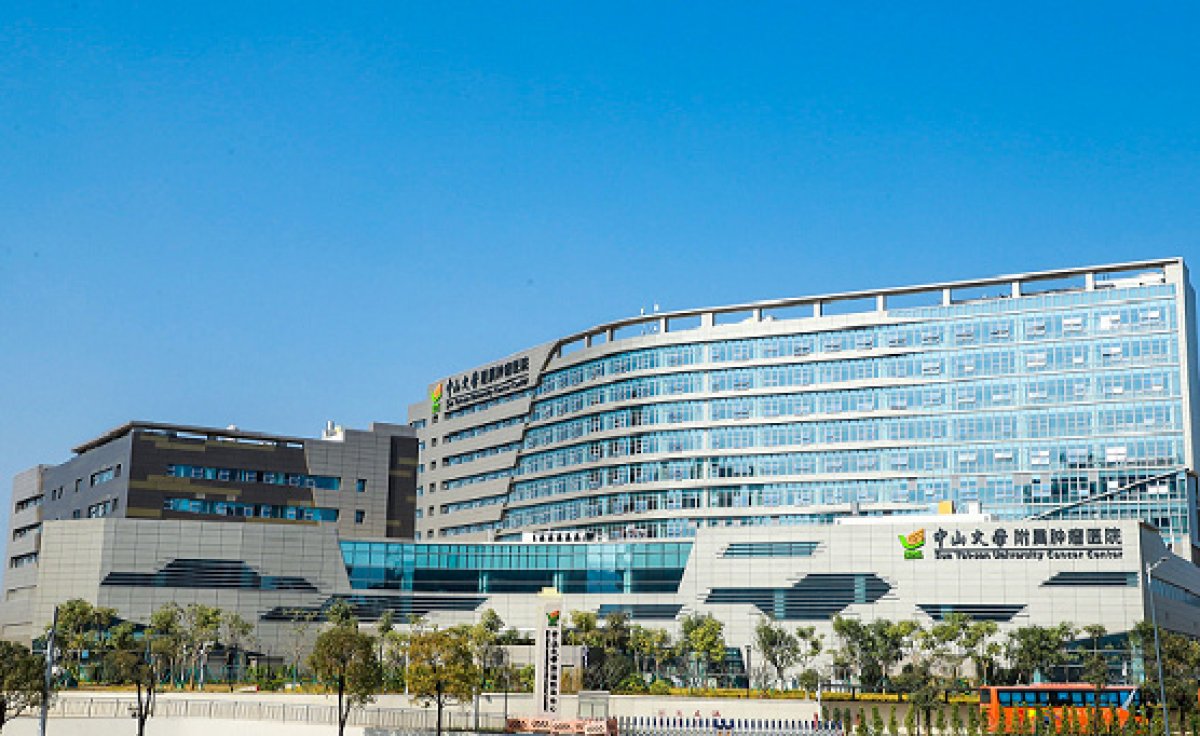
Fuda Hospital
الصين, قوانغتشو


تمت مراجعة المقالة طبيا من قبل
فهد مولود
تتضمن تكلفة علاج سرطان المستقيم في الصين عادةً فحوصات التصوير الأساسية مثل مسح PET-CT إلى جانب الخيارات الجراحية. تتراوح تكلفة استئصال المستقيم من $9,000 إلى $16,000، بينما تتراوح تكلفة استئصال المساريق بالمنظار من السعر عند الطلب إلى السعر عند الطلب. تعتمد النفقات الإجمالية على مرحلة السرطان ومستوى المستشفى، حيث يوفر المرضى غالبًا ما بين 40-60% مقارنة بالولايات المتحدة. تشمل أفضل المدن لهذا العلاج بكين وشنغهاي وقوانغتشو.
تكاليف علاج سرطان المستقيم النموذجية في الصين
رؤية خبراء Bookimed: بالنسبة للمرضى الذين يعانون من سرطان متقدم أو في مراحل متأخرة، يقدم مستشفى فودا للسرطان (Fuda Cancer Hospital) علاجات متخصصة طفيفة التوغل. فهم يستخدمون تقنيات نانو نايف (NanoKnife) والجراحة بالتبريد لعلاج الحالات التي قد لا يكون فيها العلاج الكيميائي التقليدي مثاليًا. وقد قدمت هذه المنشأة الحاصلة على اعتماد اللجنة الدولية المشتركة (JCI) خدماتها لأكثر من 30,000 مريض دولي. وبالنسبة لاحتياجات الإشعاع المعقدة، يقدم متخصصون مثل الدكتور ليو شي شين في مستشفى شيامن هيومانيتي (Xiamen Humanity Hospital) بروتوكولات متقدمة للعلاج الإشعاعي المعدل الشدة (IMRT) والعلاج الإشعاعي التجسيمي للجسم (SBRT).
| الصين | تركيا | إسبانيا | |
|---|---|---|---|
| نانو نايف NanoKnife | من $24,000 | ≈ $9,500 | ≈ $9,500 |
| منظومة دا فينشي الجراحية | من $35,800 | من $23,900 | من $16,900 |
| سايبر نايف CyberKnife | من $7,000 | من $4,900 | من $14,800 |
| المعالجة المقطعية | ≈ $7,500 | من $6,700 | ≈ $7,500 |
| العلاج المناعي مع Keytruda (Pembolizumab) | ≈ $4,500 | من $3,900 | من $10,300 |
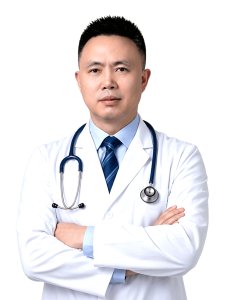
كبير الأطباء وأستاذ. خبير من الدرجة الأولى في مركز السرطان بمستشفى غرب الصين، جامعة سيتشوان (المرتبة الثانية في الصين). أنهى زمالة ما بعد الدكتوراه في الأشعة التداخلية بالمستشفى العام لجيش التحرير الشعبي الصيني. يقود رعاية فريق متعدد التخصصات (MDT) للأورام المعقدة. خبير في طب الأورام التداخلي طفيف التوغل لأورام الكبد والرئة والبنكرياس.
الاعتمادات: عضو مجلس في WATA. عضو في لجان CACA وCMDA للتدخلات، والاستئصال الحراري، والبذور المشعة، وعلاج الألم. في 2023، عضو مجلس مؤسِّس في لجنة الرعاية
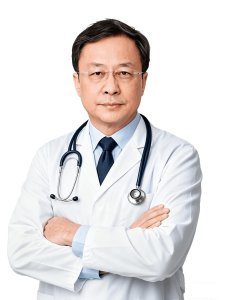
البروفيسور لوو شياوبينغ اختصاصي أشعة تداخلية معترف به على المستوى الوطني ومن أبرز الخبراء في غرب الصين. بدأ ريادة التدخلات الوعائية في أوائل التسعينيات، وأسهم في تأسيس فريق الأشعة التداخلية في المستشفى الثاني الملحق بجامعة تشونغتشينغ الطبية.
أجرى أكثر من 100 ألف إجراء تداخلي، بينها نحو 4 آلاف حالة معقدة. تشمل مهاراته الأساسية الانصمام الكيميائي عبر الشريان الكبدي (TACE) لعلاج سرطان الخلايا الكبدية، وتداخلات متلازمة بود–كياري، وإجراء TIPS، وتركيب دعامتين في مرحلة واحدة لعلاج انسداد القن
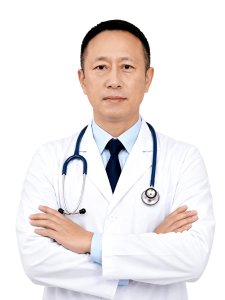
الدكتور هي ويبينغ رائد الاستئصال بالتبريد بالأرجون–الهيليوم في الصين، وله أكثر من 20 عاماً من الممارسة السريرية المباشرة. كان عضواً مؤسِّساً لمستشفى فودا للسرطان (قوانغتشو)، وشارك في تأسيس مركز علاج الأورام طفيفة التوغل فيه وتولى منصب نائب المدير التنفيذي. كما أسهم في تأسيس مجموعة الاستئصال التابعة للجمعية الصينية لمكافحة السرطان. وكان المنفّذ الرئيسي في أكثر من 10,000 إجراء.
يتخصص في الاستئصال بالتبريد للأورام، وهو متمرّس في العلاج الإشعاعي الموضعي ببذور اليود‑125، مع تركيز على سرطاني
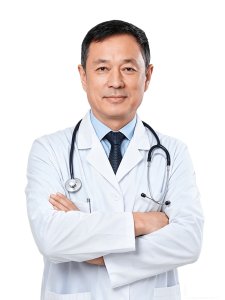
الأستاذ شياو يويونغ هو كبير الأطباء في قسم التشخيص الإشعاعي بالمستشفى العام لجيش التحرير الشعبي الصيني، وخبير بارز في طب الأورام التداخلي طفيف التوغل. يشغل منصب الرئيس المؤسس لـWATA (2025–). ويرأس الجمعية الدولية (2020–) والجمعية الآسيوية (2012–) للعلاج بالتجميد. كما أنه نائب رئيس مجموعة الخبراء بهيئة الصحة الوطنية (NHC) للوائح استئصال الأورام (2009–).
أجرى أكثر من 100,000 إجراء طفيف التوغل موجهًا بالتصوير المقطعي/الرنين المغناطيسي. يشمل عمله الاستئصال الكيميائي، والاستئصال بالترددات ا
 Anna Leonova
في الصين، يركز علاج سرطان المستقيم على الاستئصال الكامل للمساريق المستقيمية (TME) والجراحة طفيفة التوغل. وتستخدم مستشفيات السرطان الرائدة في قوانغتشو وشنغهاي نظام دافنشي الروبوتي. وتدمج المراكز المتخصصة المعتمدة من اللجنة الدولية المشتركة (JCI) الجراحة البردية، وتقنية نانو نايف، والعلاج المناعي لعلاج الحالات المتقدمة.
رأي خبراء بوكيمد: تُظهر بيانات المرضى تفضيلًا واضحًا للمراكز في قوانغتشو نظرًا لخبرتها في العلاجات البديلة. وقد عالج مستشفى فودا للسرطان أكثر من 30,000 مريض دولي. ويتخصص المستشفى في الجمع بين التقنيات طفيفة التوغل، مثل تقنية نانو نايف، وبروتوكولات علاج الأورام القياسية. يوفر هذا النهج خيارات علاجية في الحالات التي لا تُعد فيها الجراحة التقليدية ال
في الصين، يستطيع مرضى سرطان المستقيم تجنب فغر القولون الدائم بفضل الجراحات الحديثة التي تحافظ على العضلة العاصرة، مثل استئصال ما بين العضلتين العاصرتين. وتشير المراكز الطبية الكبرى إلى نجاح الحفاظ على فتحة الشرج في 75% من حالات سرطان المستقيم في الجزء السفلي من الأمعاء. كما تُسهم تقنيات مثل العلاج المساعد قبل الجراحة في تقليل حجم الورم، مما يسمح باستئصاله بأمان مع الحفاظ على وظيفة الأمعاء الطبيعية.
رأي خبراء بوكيمد: تُظهر البيانات السريرية أن المؤسسات الطبية المعتمدة من قبل اللجنة الدولية المشتركة (JCI)، مثل مستشفى فودا للسرطان، تستخدم أكثر من 10 أنواع من العلاجات طفيفة التوغل. غالبًا ما ي
تتوفر الجراحة الروبوتية لعلاج سرطان المستقيم على نطاق واسع في المستشفيات العامة الرائدة في الصين. وبحلول عام 2020، شكلت هذه الجراحة ما يقارب 49% من إجمالي جراحات المستقيم. وتستخدم المراكز الرئيسية في قوانغتشو وشنغهاي وبكين نظام دافنشي، بالإضافة إلى منصات محلية مثل مايكروبورت توماي، لاستئصال الأورام بدقة متناهية.
رأي خبراء بوكيمد: في حين تتخصص مراكز النخبة، مثل مستشفى فودا للسرطان، في الجراحة البردية طفيفة التوغل والجراحة النانوية، تتركز المنصات الروبوتية في المستشفيات الأكاديمية الكبيرة. وتشير البيانات إلى إجراء آلاف العمليات الجراحية في هذه المراكز المتخصصة، مما يؤكد المستوى العالي من الخبرة الجراحية في عمليات استئصال الحوض المعقدة.
في الصين، يتوفر لمرضى سرطان المستقيم أدوية علاجية مناعية مبتكرة مثل سينتيليماب، وتوريباليماب، وبيمبروليزوماب. ومن أبرز العلاجات الموجهة فروكوينتينيب وسيتوكسيماب. تستهدف هذه الأدوية مؤشرات جزيئية محددة مثل عدم استقرار الميكروساتلايت عالي/نقص إصلاح عدم تطابق الحمض النووي أو جين RAS الطبيعي. وتقدم مؤسسات مثل مستشفى فودا للسرطان علاجات متطورة طفيفة التوغل إلى جانب هذه الأدوية.
رأي خبراء بوكيمد: على الرغم من توفر أدوية مثل بيمبروليزوماب عالميًا، إلا أن الابتكارات المحلية مثل فروكوينتينيب تُقدم ميزة كبيرة. تُظهر بيانات من مؤسسات معتمدة من اللجنة الدولية المشتركة (JCI)، مثل مستشفى فودا للسرطان، أنها غالبًا ما تجمع بين هذه الأدوية والجراحة البردية. وقد استخدم هذا ال
يُعدّ دمج الطب الصيني التقليدي مع العلاجات الغربية لسرطان القولون والمستقيم آمناً بشكل عام عند إجرائه تحت إشراف طبي متخصص. وتستخدم المراكز الصينية الرائدة، مثل مستشفى فودا للسرطان، بروتوكولات شاملة للحد من الآثار الجانبية للعلاج الكيميائي. ويساعد العلاج المنسق على السيطرة على الغثيان، وحماية جهاز المناعة، وتحسين معدلات البقاء على قيد الحياة لمدة خمس سنوات.
رأي خبراء بوكيمد: ينبغي على المرضى الذين يسعون إلى علاج شامل إعطاء الأولوية للمستشفيات التابعة لجامعات كبرى. على سبيل المثال، يرتبط مستشفى جينشاتشو بجامعة قوانغتشو للطب الصيني. يضمن هذا الارتباط مراجعة بروتوكولات الطب الصيني التقليدي من قبل مجالس الأورام الأكاديمية. وتركز الباقات المقدمة هن