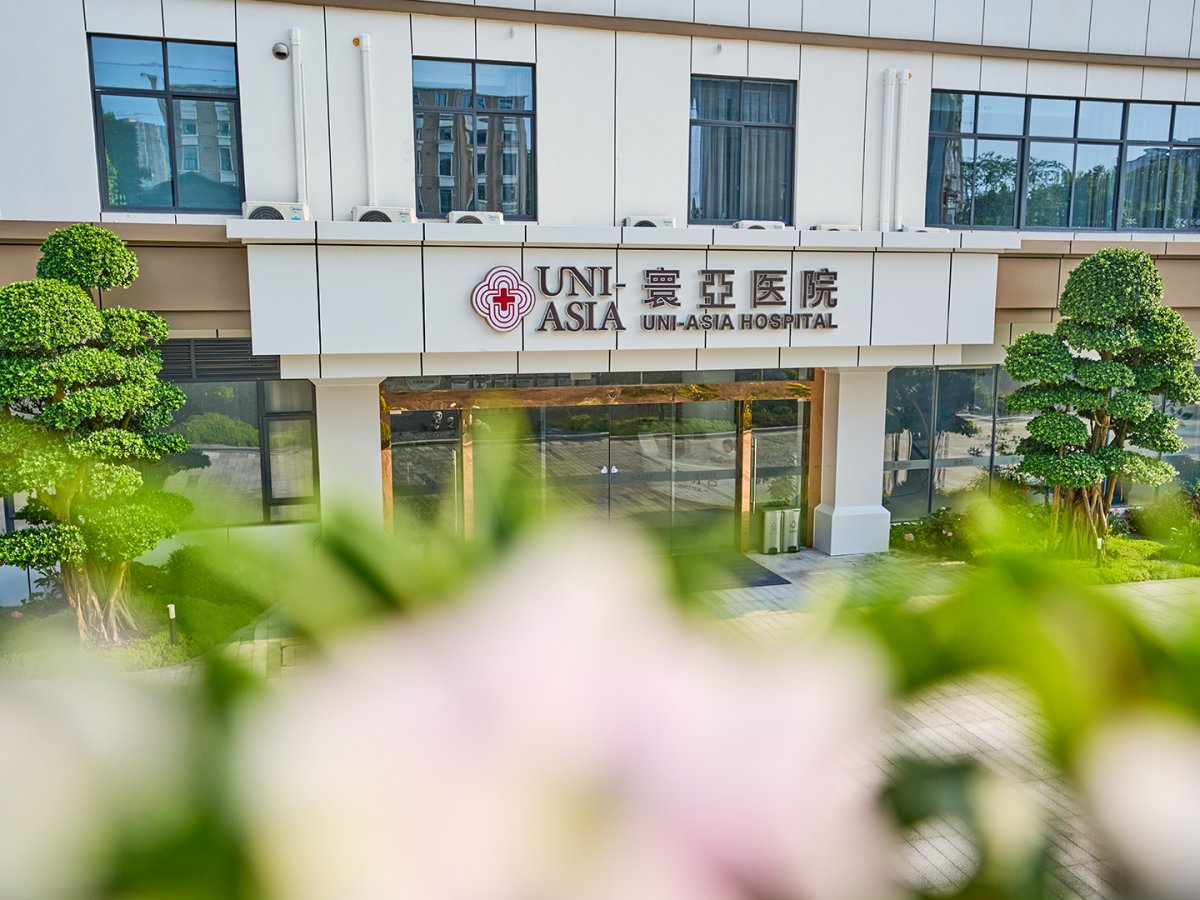
Fuda Hospital
الصين, قوانغتشو


تمت مراجعة المقالة طبيا من قبل
فهد مولود
| الصين | تركيا | إسبانيا | |
|---|---|---|---|
| العلاج الكيميائي داخل الصفاق مفرط الحرارة (HIPEC) | ≈ $9,000 | من $18,000 | من $82,000 |
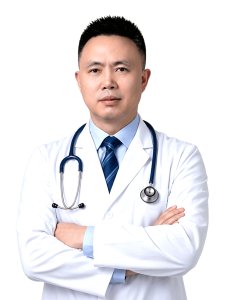
كبير الأطباء وأستاذ. خبير من الدرجة الأولى في مركز السرطان بمستشفى غرب الصين، جامعة سيتشوان (المرتبة الثانية في الصين). أنهى زمالة ما بعد الدكتوراه في الأشعة التداخلية بالمستشفى العام لجيش التحرير الشعبي الصيني. يقود رعاية فريق متعدد التخصصات (MDT) للأورام المعقدة. خبير في طب الأورام التداخلي طفيف التوغل لأورام الكبد والرئة والبنكرياس.
الاعتمادات: عضو مجلس في WATA. عضو في لجان CACA وCMDA للتدخلات، والاستئصال الحراري، والبذور المشعة، وعلاج الألم. في 2023، عضو مجلس مؤسِّس في لجنة الرعاية
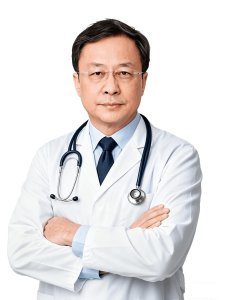
البروفيسور لوو شياوبينغ اختصاصي أشعة تداخلية معترف به على المستوى الوطني ومن أبرز الخبراء في غرب الصين. بدأ ريادة التدخلات الوعائية في أوائل التسعينيات، وأسهم في تأسيس فريق الأشعة التداخلية في المستشفى الثاني الملحق بجامعة تشونغتشينغ الطبية.
أجرى أكثر من 100 ألف إجراء تداخلي، بينها نحو 4 آلاف حالة معقدة. تشمل مهاراته الأساسية الانصمام الكيميائي عبر الشريان الكبدي (TACE) لعلاج سرطان الخلايا الكبدية، وتداخلات متلازمة بود–كياري، وإجراء TIPS، وتركيب دعامتين في مرحلة واحدة لعلاج انسداد القن
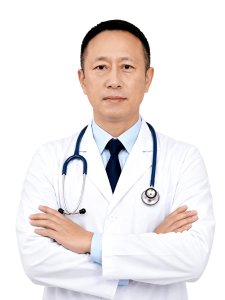
الدكتور هي ويبينغ رائد الاستئصال بالتبريد بالأرجون–الهيليوم في الصين، وله أكثر من 20 عاماً من الممارسة السريرية المباشرة. كان عضواً مؤسِّساً لمستشفى فودا للسرطان (قوانغتشو)، وشارك في تأسيس مركز علاج الأورام طفيفة التوغل فيه وتولى منصب نائب المدير التنفيذي. كما أسهم في تأسيس مجموعة الاستئصال التابعة للجمعية الصينية لمكافحة السرطان. وكان المنفّذ الرئيسي في أكثر من 10,000 إجراء.
يتخصص في الاستئصال بالتبريد للأورام، وهو متمرّس في العلاج الإشعاعي الموضعي ببذور اليود‑125، مع تركيز على سرطاني
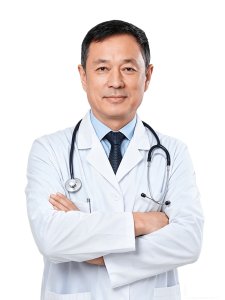
الأستاذ شياو يويونغ هو كبير الأطباء في قسم التشخيص الإشعاعي بالمستشفى العام لجيش التحرير الشعبي الصيني، وخبير بارز في طب الأورام التداخلي طفيف التوغل. يشغل منصب الرئيس المؤسس لـWATA (2025–). ويرأس الجمعية الدولية (2020–) والجمعية الآسيوية (2012–) للعلاج بالتجميد. كما أنه نائب رئيس مجموعة الخبراء بهيئة الصحة الوطنية (NHC) للوائح استئصال الأورام (2009–).
أجرى أكثر من 100,000 إجراء طفيف التوغل موجهًا بالتصوير المقطعي/الرنين المغناطيسي. يشمل عمله الاستئصال الكيميائي، والاستئصال بالترددات ا
 Anna Leonova
تستخدم الصين الجراحة الاختزالية (cytoreductive surgery) مدمجة مع العلاج الكيميائي داخل الصفاق مفرط الحرارة كبروتوكول أساسي للانبثاث البريتوني. يتضمن الإجراء إزالة الأورام المرئية قبل تدوير دواء مسخن في تجويف البطن. يجمع هذا النهج المتكامل غالبًا بين المعايير الجراحية الغربية والعلاجات التقليدية لإدارة الآثار الجانبية والالتهابات.
رؤية خبير Bookimed: تقدم عيادات الأورام الصينية مثل مستشفى فودا للسرطان (Fuda Cancer Hospital) بدائل للعلاج الكيميائي الجهازي القياسي. تتخصص هذه المراكز في الجمع بين العلاجات مفرطة الحرارة وأكثر من 10 أنواع من العلاجات طفيفة التوغل. هذا النهج مفيد للمرضى الذين يبحثون عن خيارات تتجاوز الاستئصال الجراحي التقليدي العنيف. يضمن الاعتماد من قبل اللجنة الدولية المشتركة (JCI) أن هذه المرافق تتبع بروتوكولات موحدة للمرضى الدوليين من أكثر من 100 دولة.
إجماع المرضى: يؤكد المرضى أن هذه الجراحة العنيفة ليست حلاً عالميًا للجميع. يعتمد النجاح بشكل كبير على الحصول على رأي ثانٍ للتحقق من عبء المرض ونوع الورم الأولي.
يقود مستشفى بكين شيجيتان ومستشفى فودا للسرطان علاج الانبثاث البريتوني في الصين. تستخدم هذه المراكز الجراحة الاختزالية للورم والعلاج الكيميائي داخل الصفاق مفرط الحرارة. تدير فرق متخصصة الأورام الخبيثة المتقدمة في البطن. غالبًا ما توفر المرافق المعتمدة من اللجنة الدولية المشتركة (JCI) رعاية متكاملة متعددة الوسائط للمرضى الدوليين.
رؤية خبير Bookimed: الصين وجهة فريدة لسرطانات البطن في المراحل المتأخرة. خدمت مراكز مثل مستشفى فودا للسرطان أكثر من 30,000 مريض دولي. غالبًا ما تقبل الفرق السريرية الحالات المتقدمة التي قد ترفضها مؤسسات عالمية أخرى. يسمح هذا الحجم الكبير للجراحين بالحفاظ على الكفاءة في إجراءات استئصال الورم المعقدة.
إجماع المرضى: يشير المرضى إلى أن الأطباء الصينيين غالبًا ما يفكرون في الجراحة للحالات التي تعتبر غير قابلة للجراحة في أماكن أخرى. من المهم تقديم تقارير علم الأمراض الكاملة ومسح PET قبل السفر.
يتم دمج الطب الصيني التقليدي (TCM) في رعاية التسرطن بشكل صارم كعلاج داعم. تجمع مراكز الأورام الصينية بين التركيبات العشبية والوخز بالإبر مع العلاج الكيميائي داخل الصفاق مفرط الحرارة (HIPEC). يهدف هذا النهج التكاملي إلى تقليل تراكم السوائل وتخفيف الآثار الجانبية للعلاج الكيميائي. لا يحل الطب الصيني التقليدي أبدًا محل العلاجات الجراحية أو التدخلية.
رؤية خبير Bookimed: تظهر البيانات أن المرافق الرائدة مثل مستشفى فودا للسرطان تؤكد على التقنيات طفيفة التوغل بدلاً من العلاج الكيميائي التقليدي. إنهم يستخدمون NanoKnife والجراحة بالتبريد جنبًا إلى جنب مع الرعاية الداعمة للمراحل المتقدمة. يشير هذا إلى أن قيمة الطب الصيني التقليدي في الصين تكمن في مساعدة المرضى على تحمل هذه التدخلات عالية التقنية جسديًا. يضمن دمج الطب الصيني التقليدي داخل المستشفيات المعتمدة من JCI سلامة أفضل من استخدام العيادات البديلة المستقلة.
إجماع المرضى: يلاحظ المرضى أن فرق المستشفيات المتكاملة أكثر جدارة بالثقة في إدارة التفاعلات بين الأعشاب والأدوية. إنهم يسلطون الضوء على أهمية استخدا
تستخدم مراكز الأورام الصينية منصات مطورة محلياً وخاصة مثل سلسلة BR-TRG لتقديم علاج HIPEC. تعمل هذه الأنظمة المتقدمة كوحدات تروية حرارية عالية الدقة. فهي تحافظ على درجات حرارة داخل البطن عند 43.0 درجة مئوية بدقة. يعمل هذا المستوى من التحكم على تحسين فعالية العلاج الكيميائي مع حماية الأنسجة السليمة.
رؤية خبير Bookimed: بينما يهيمن المصنعون الصينيون على السوق المحلية، فإن الميزة الحقيقية هي الحجم السريري. قدم مستشفى فودا للسرطان الخدمة لأكثر من 30,000 مريض دولي. يسمح هذا الحجم الكبير للجراحين بإتقان أدوات خاصة مثل العلاج بالحرارة بالموجات الدقيقة. غالباً ما تؤدي هذه الخبرة إلى بروتوكولات تروية أكثر دقة وشخصية مقارنة بالإعدادات القياسية.
إجماع المرضى: يشير المرضى إلى أنه من الضروري التأكد مما إذا كانت العيادة تجري جراحة اختزال الخلايا الكاملة جنباً إلى جنب مع HIPEC. يؤكد الكثيرون على طلب بيانات محددة حول حجم حالات الجراح ودرجات حرارة التروية بدلاً من التركيز فقط على العلامة التجارية للجهاز.
تقدم مراكز الأورام في الصين علاجات بيولوجية وموجهة إلى جانب جراحة CRS-HIPEC لعلاج الانبثاث البريتوني. وتشمل هذه مثبطات PARP لسرطان المبيض ومثبطات تكوين الأوعية الدموية مثل بيفاسيزوماب. غالبًا ما تدمج المرافق المتخصصة العلاج المناعي مع تقنيات طفيفة التوغل. توفر إجراءات مثل PIPAC توصيلاً موضعياً للحالات غير القابلة للاستئصال.
رؤية خبير Bookimed: تعالج مراكز الأورام الصينية مثل مستشفى فودا للسرطان أكثر من 30,000 مريض دولي. وغالباً ما يجمعون بين جراحة HIPEC القياسية وتقنيات فريدة مثل NanoKnife والجراحة بالتبريد. يساعد هذا النهج متعدد الوسائط في إدارة الحالات المتأخرة التي غالباً ما تكون غير مؤهلة للجراحة. يؤكد متخصصون مثل البروفيسور ليو شي شين على العلاج الإشعاعي الدقيق للأورام الخبيثة في البطن إلى جانب الأدوية الجهازية.
إجماع المرضى
يتلقى المرضى الدوليون علاجاً لمرض التسرطن في الصين في مراكز الأورام المعتمدة من قبل اللجنة الدولية المشتركة (JCI) والمستشفيات الجامعية. تتخصص هذه المرافق في الجراحة الاختزالية (cytoreductive surgery) والعلاج الكيميائي داخل الصفاق مفرط الحرارة. يدمج العلاج البروتوكولات الجراحية الغربية مع تقنيات الاستئصال المتقدمة مثل NanoKnife لاستهداف نقائل الأورام الصلبة.
رؤية خبير Bookimed: توفر الصين ميزة فريدة للمرضى الذين يعانون من علامات أورام صلبة محددة لأنها تقود تجارب علاج CAR-T لسرطان المعدة والقولون والمستقيم. تستعين مستشفيات مثل مستشفى شيامن الإنساني (Xiamen Humanity Hospital) بخبراء النخبة مثل الدكتور ليو شي شين، الحاصل على بدل حكومي خاص من مجلس الدولة لعلم الأورام. يجب على المرضى إعطاء الأولوية للعيادات التي لديها أقسام مخصصة لأورام سطح الصفاق بدلاً من أجنحة السرطان العامة.
إجماع المرضى: يؤكد المرضى على ضرورة مراجعة السجلات الطبية مسبقاً من قبل الفرق الجراحية الصينية قبل السفر. ويشيرون إلى أن وجود منسقين ومترجم
تنتج قرارات العلاج النهائية لمرض التسرطن في الصين عن اتخاذ قرار مشترك بين المرضى والعائلات والفرق الطبية متعددة التخصصات. وبينما يحتفظ البالغون المؤهلون بالحق القانوني في الموافقة، فإن الأعراف الثقافية غالباً ما تعطي الأولوية لإجماع الأسرة. يقدم الخبراء السريريون توجيهات متخصصة بشأن التدخلات المعقدة مثل HIPEC أو جراحة NanoKnife.
رؤية خبير Bookimed: تُظهر بيانات مستشفى فودا للسرطان أن علاج أكثر من 30,000 مريض دولي يتطلب التوفيق بين أساليب اتخاذ القرار المختلفة. فبينما يقرر المرضى الغربيون غالباً بشكل فردي، اعتاد المتخصصون الصينيون على إجراء مشاورات مفصلة مع الأسرة أولاً. يضمن اختيار منشأة معتمدة من JCI أن هذه المناقشات التي تقودها الأسرة لا تزال تحترم المعايير الدولية لموافقة المريض المستنيرة.
إجماع المرضى: يلاحظ المرضى أن الأطباء في الصين قد يتحدثون مباشرة إلى الأقارب قبل مشاركة تفاصيل محددة مع المريض. من الشائع أن يقود كبار الجراحين القرار عند الاختيار بين الجراحة العدوانية أو الرعاية التلطيفي