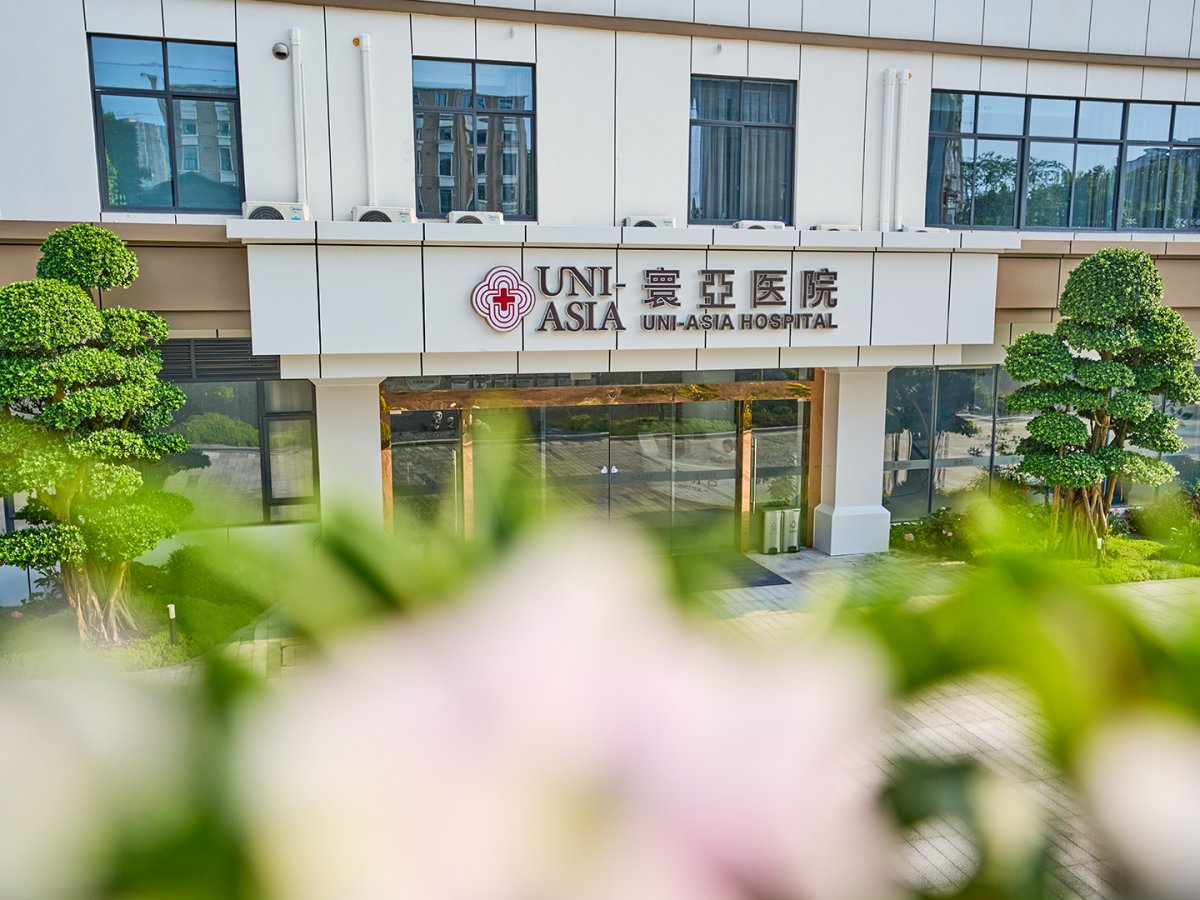
uni-asia hospital
الصين, تشنغدو


تمت مراجعة المقالة طبيا من قبل
فهد مولود
تتراوح تكلفة علاج سرطان الكبد في الصين من السعر عند الطلب إلى السعر عند الطلب لعملية الانصمام الكيميائي للكبد، بينما تتراوح تكلفة الاستئصال الجراحي النهائي لسرطان الكبد من $9,500 إلى $17,500. تعتمد التكاليف الإجمالية على مرحلة السرطان، واعتماد المستشفى، والتقنية المحددة المستخدمة، مثل الأنظمة المساعدة بالروبوت. عادةً ما يوفر المرضى الدوليون ما بين 80-85% مقارنة بالولايات المتحدة. تشمل مراكز العلاج الرئيسية بكين وشنغهاي وقوانغتشو.
تكاليف علاج سرطان الكبد النموذجية في الصين
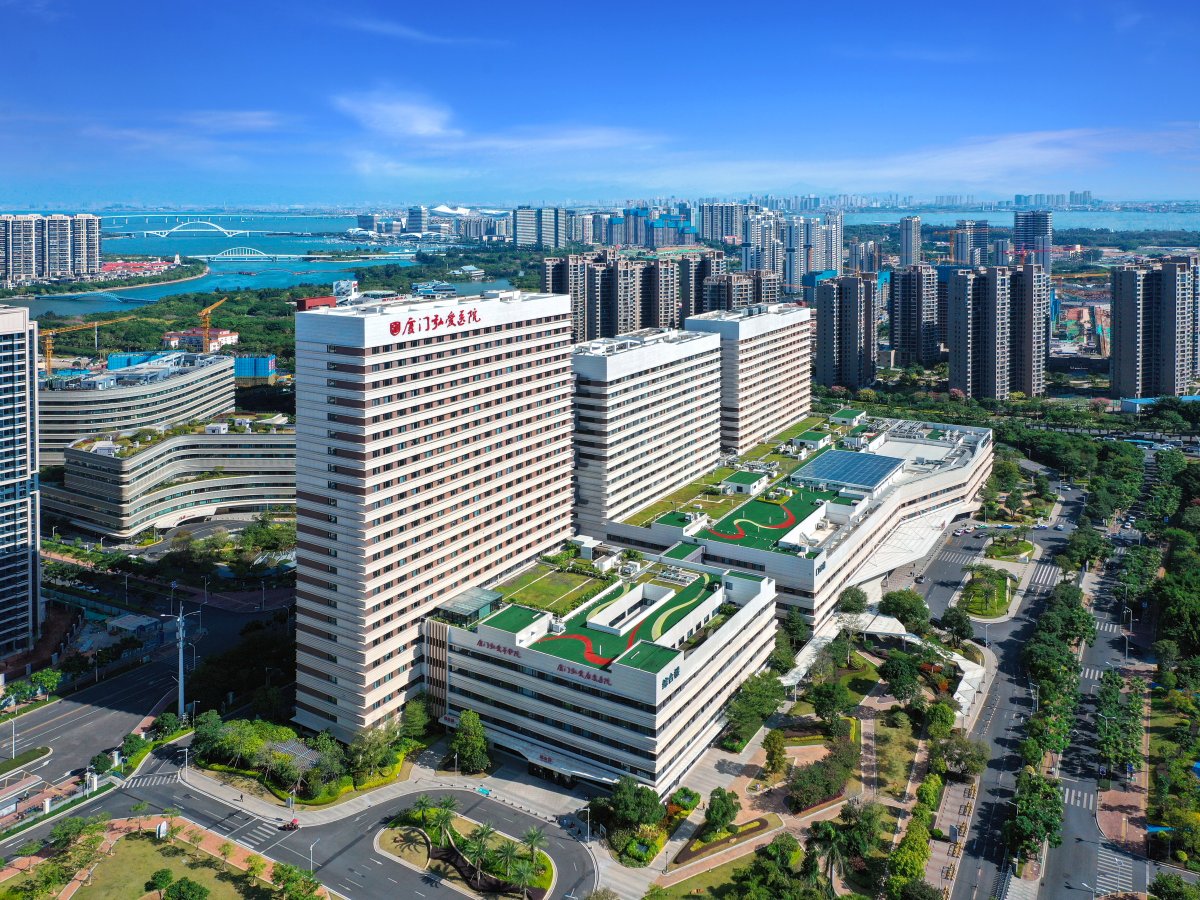
رؤية خبراء Bookimed: يجد المرضى في المراحل المتقدمة قيمة كبيرة في مستشفى فودا للسرطان في قوانغتشو. إنهم متخصصون في تقنيات النانو نايف والجراحة بالتبريد طفيفة التوغل للحالات المعقدة. أجرى الدكتور نيو ليتشي ما يقرب من 10,000 جراحة بالتبريد، مما يوفر خبرة عميقة للمرشحين غير الجراحيين. بالنسبة للعلاج الإشعاعي الدقيق، يوفر مستشفى شيامن هيومانيتي رعاية من المستوى الثالث مع دعم أورام متعدد التخصصات. تخدم هذه العيادات المعتمدة من اللجنة الدولية المشتركة (JCI) المرضى الدوليين من أكثر من 100 دولة بفعالية.
| الصين | تركيا | إسبانيا | |
|---|---|---|---|
| نانو نايف NanoKnife | من $24,000 | ≈ $9,500 | ≈ $9,500 |
| سايبر نايف CyberKnife | من $7,000 | من $4,900 | من $14,800 |
| المعالجة المقطعية | ≈ $17,500 | من $6,700 | ≈ $7,500 |
| العلاج بالبروتون (انظر العلاج بحزم البروتون) | ≈ $28,000 | من $25,000 | من $43,300 |
| العلاج الكيميائي لسرطان الكبد | ≈ $3,500 | من $2,400 | من $2,300 |
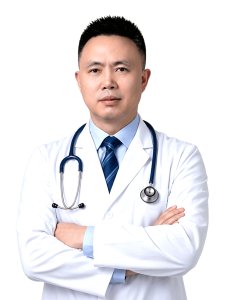
كبير الأطباء وأستاذ. خبير من الدرجة الأولى في مركز السرطان بمستشفى غرب الصين، جامعة سيتشوان (المرتبة الثانية في الصين). أنهى زمالة ما بعد الدكتوراه في الأشعة التداخلية بالمستشفى العام لجيش التحرير الشعبي الصيني. يقود رعاية فريق متعدد التخصصات (MDT) للأورام المعقدة. خبير في طب الأورام التداخلي طفيف التوغل لأورام الكبد والرئة والبنكرياس.
الاعتمادات: عضو مجلس في WATA. عضو في لجان CACA وCMDA للتدخلات، والاستئصال الحراري، والبذور المشعة، وعلاج الألم. في 2023، عضو مجلس مؤسِّس في لجنة الرعاية
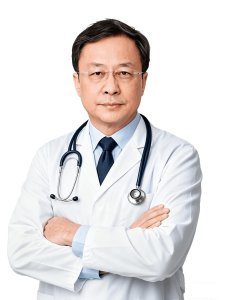
البروفيسور لوو شياوبينغ اختصاصي أشعة تداخلية معترف به على المستوى الوطني ومن أبرز الخبراء في غرب الصين. بدأ ريادة التدخلات الوعائية في أوائل التسعينيات، وأسهم في تأسيس فريق الأشعة التداخلية في المستشفى الثاني الملحق بجامعة تشونغتشينغ الطبية.
أجرى أكثر من 100 ألف إجراء تداخلي، بينها نحو 4 آلاف حالة معقدة. تشمل مهاراته الأساسية الانصمام الكيميائي عبر الشريان الكبدي (TACE) لعلاج سرطان الخلايا الكبدية، وتداخلات متلازمة بود–كياري، وإجراء TIPS، وتركيب دعامتين في مرحلة واحدة لعلاج انسداد القن
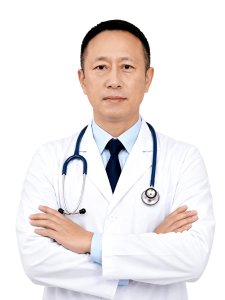
الدكتور هي ويبينغ رائد الاستئصال بالتبريد بالأرجون–الهيليوم في الصين، وله أكثر من 20 عاماً من الممارسة السريرية المباشرة. كان عضواً مؤسِّساً لمستشفى فودا للسرطان (قوانغتشو)، وشارك في تأسيس مركز علاج الأورام طفيفة التوغل فيه وتولى منصب نائب المدير التنفيذي. كما أسهم في تأسيس مجموعة الاستئصال التابعة للجمعية الصينية لمكافحة السرطان. وكان المنفّذ الرئيسي في أكثر من 10,000 إجراء.
يتخصص في الاستئصال بالتبريد للأورام، وهو متمرّس في العلاج الإشعاعي الموضعي ببذور اليود‑125، مع تركيز على سرطاني
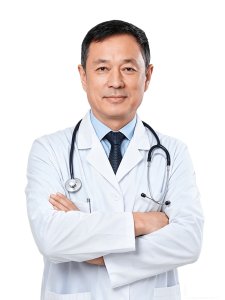
الأستاذ شياو يويونغ هو كبير الأطباء في قسم التشخيص الإشعاعي بالمستشفى العام لجيش التحرير الشعبي الصيني، وخبير بارز في طب الأورام التداخلي طفيف التوغل. يشغل منصب الرئيس المؤسس لـWATA (2025–). ويرأس الجمعية الدولية (2020–) والجمعية الآسيوية (2012–) للعلاج بالتجميد. كما أنه نائب رئيس مجموعة الخبراء بهيئة الصحة الوطنية (NHC) للوائح استئصال الأورام (2009–).
أجرى أكثر من 100,000 إجراء طفيف التوغل موجهًا بالتصوير المقطعي/الرنين المغناطيسي. يشمل عمله الاستئصال الكيميائي، والاستئصال بالترددات ا

كتب بواسطة Halina Shubala

كتب بواسطة Veronika Kazina
كتب بواسطة Veronika Kazina
 Anna Leonova
في المراكز الطبية الصينية، يُعالج سرطان الكبد باستخدام نهج متعدد الوسائط يعتمد على نظام تصنيف مراحل سرطان الكبد الصيني. تشمل خيارات العلاج الأساسية الاستئصال الجراحي الواسع، وزراعة الكبد، والعلاجات التدخلية مثل العلاج الكيميائي عبر الشرايين (TACE). كما تستخدم المراكز المتخصصة العلاج المناعي بالاشتراك مع تقنيات خاصة مثل تقنية نانو نايف والجراحة البردية للحالات المعقدة.
رأي خبراء بوكيمد: تُظهر بيانات من مؤسسات طبية رائدة، مثل مستشفى فودا للسرطان، اتجاهاً ملحوظاً نحو الجمع بين علاجات متعددة طفيفة التوغل بدلاً من استخدام العلاج الكيميائي التقليدي. على سبيل المثال، أجرى الدكتور نيو ليتشي أكثر من 10,000 عملية جراحية با
يعتمد معدل البقاء على قيد الحياة لمرضى سرطان الكبد في الصين بشكل كبير على مرحلة المرض عند التشخيص. ففي المراحل المبكرة، يبلغ معدل البقاء على قيد الحياة لمدة خمس سنوات 48.1%. أما التدخلات الجراحية الحديثة لسرطان الكبد في المرحلة الأولى (Ia) فتصل نسبة البقاء على قيد الحياة فيها إلى 77.4%. وتستخدم هذه المراكز المتخصصة مرافق معتمدة من اللجنة الدولية المشتركة (JCI) وتقنيات طفيفة التوغل لتحسين النتائج السريرية.
رأي خبراء بوكيمد: يُؤثر توفر التقنيات المتقدمة بشكل كبير على العلاجات المتخصصة في قوانغتشو. وقد أجرى الد
في الصين، يتوفر دواء VG161 واستراتيجية "التقليص والاستئصال" من خلال التجارب السريرية والمناطق الطبية المتخصصة. تهدف هذه العلاجات المبتكرة لسرطان الكبد المتقدم إلى تحفيز رفض الجهاز المناعي للورم. ويتم الحصول على الدواء عادةً من خلال مؤسسات بحثية معتمدة أو منطقة بوآو ليتشنغ التجريبية في جزيرة هاينان.
رأي خبراء بوكيمد: بينما تجذب التجارب السريرية المبتكرة اهتمام الجمهور، توفر عيادات مرموقة مثل مستشفى فودا للسرطان إمكانية الوصول الفوري إلى بدائل مثبتة. وقد أجرى جراحون متخصصون مثل الدكتور نيو ليتشي أكثر من 10,000 عملية جراحية بالتبريد في مراحل متقدمة من المرض. غالبًا ما يؤدي هذا العدد الكبير من العمليات إلى نتائج عملية أفضل من انتظار بدء التجارب السريرية. إذا كنت بحاجة إلى رعاية متخصصة، فركز ع
في مراكز علاج السرطان الصينية، يُستخدم الطب الصيني التقليدي كعلاج مساعد قياسي لسرطان الكبد. يستخدم الأطباء المستحضرات العشبية والبروتوكولات العلاجية المتكاملة لتعزيز فعالية العلاج الكيميائي عبر الشرايين (TACE) والعلاج الكيميائي. يُحسّن هذا النهج المُدمج معدلات البقاء على قيد الحياة لمدة عام واحد ويُقلل من الآثار الجانبية الجهازية.
رأي خبراء بوكيميد: تعمل مؤسسات طبية رائدة، مثل مستشفى جينشاتشو التابع لجامعة قوانغتشو للطب الصيني، على سد الفجوة بين أساليب العلاج القديمة والحديثة. تُظهر بياناتنا أنها تستخدم تقنيات متطورة، مثل نظام سايبر نايف إم 6، المُصمم خصيصًا لجامعات الطب التقليدي. وهذا يُؤكد أن الطب الصيني التقليدي في الصي
يختار المرضى الدوليون الصين لعلاج سرطان الكبد نظرًا لكثرة العمليات الجراحية التي تُجرى فيها وسرعة الوصول إلى أحدث أساليب العلاج. تعالج المراكز الصينية ما يقارب 50% من جميع حالات سرطان الخلايا الكبدية في العالم. وتتيح هذه الخبرة الواسعة إتقان تقنيات الجراحة البردية، وتقنية نانو نايف، وتقنية سايبر نايف إم 6، مع ضمان أقل فترات انتظار ممكنة.
رأي خبراء بوكيمد: تتمتع مراكز علاج السرطان الرائدة في الصين بميزة فريدة من نوعها في السرعة. تُظهر بياناتنا أن مستشفيات مثل مستشفى شيامن هيومانيتي تعالج أكثر من مليون مريض سنويًا. يتيح هذا الحجم الهائل إمكانية بدء العلاج في غضون 72 ساعة فقط من التشخيص. بينما قد تمتد قوائم الانتظار في