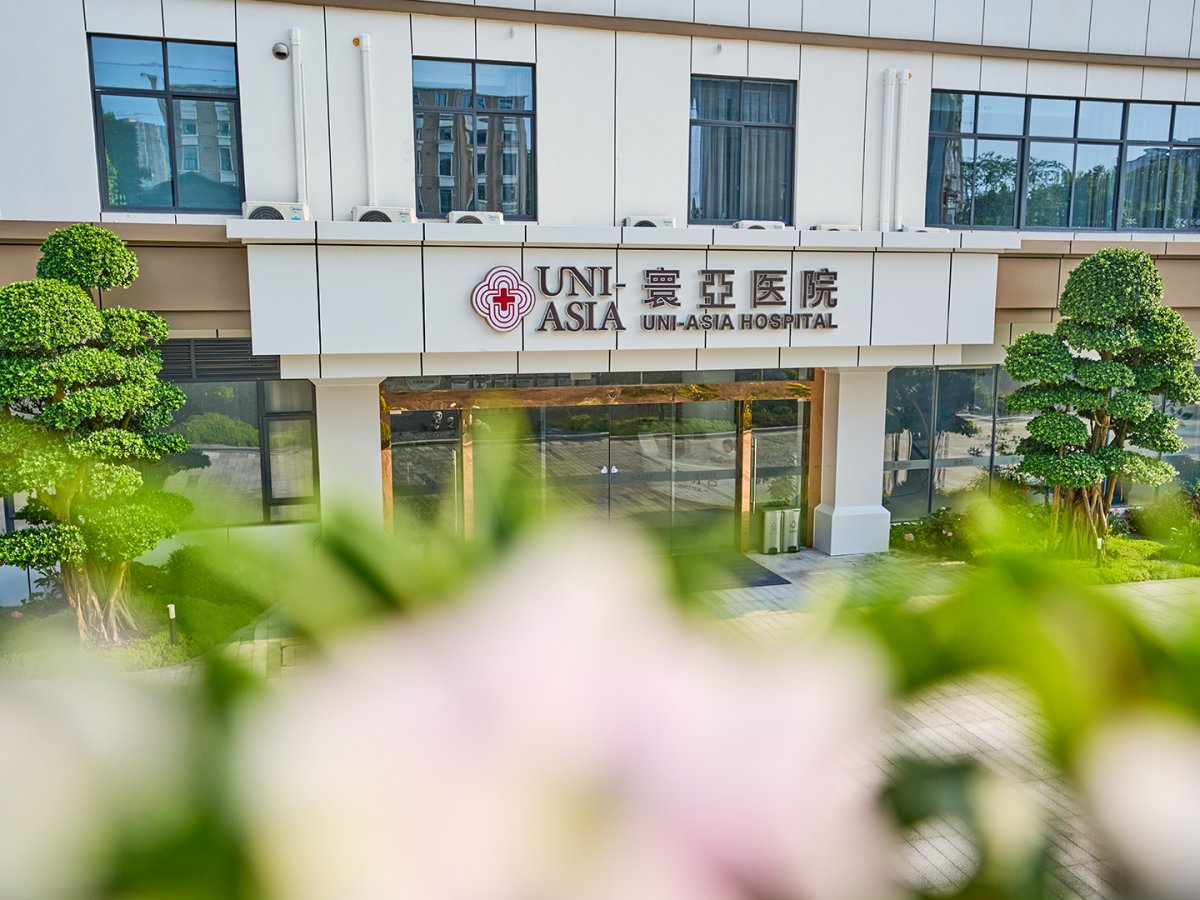
Fuda Hospital
الصين, قوانغتشو


تمت مراجعة المقالة طبيا من قبل
فهد مولود
تعتمد تكلفة علاج الساركوما في الصين بشكل أساسي على نوع الورم ومدى تعقيد الجراحة، حيث يتراوح سعر مسح PET-CT بشكل عام بين السعر عند الطلب و السعر عند الطلب. وتتراوح تكلفة التدخلات الرئيسية مثل جراحة الساركوما عادةً بين $9,000 و $22,000، بينما تبلغ تكلفة العلاج الإشعاعي للساركوما ما بين $9,000 و $18,000. وغالباً ما يحقق المرضى وفورات تتراوح بين 50-85% مقارنة بالولايات المتحدة. وتشمل أهم المراكز الطبية قوانغتشو وشانغهاي وبكين.
تكاليف علاج الساركوما النموذجية في الصين
رؤية خبراء Bookimed: يجد المرضى في المراحل المتقدمة قيمة فائقة في البروتوكولات المتخصصة طفيفة التوغل. يستخدم مستشفى فودا للسرطان تقنيات NanoKnife والجراحة بالتبريد لعلاج الحالات المعقدة دون الحاجة إلى العلاج الكيميائي التقليدي. وبالنسبة لأولئك الذين يحتاجون إلى علاج إشعاعي دقيق، يوفر مستشفى شيامن الإنساني (Xiamen Humanity Hospital) تقنيات VMAT و SBRT المتكاملة تحت إشراف خبراء معترف بهم من قبل مجلس الدولة. وتوفر المرافق المعتمدة من قبل اللجنة الدولية المشتركة (JCI) في قوانغتشو رعاية أورام عالمية المستوى لأكثر من 30,000 مريض دولي.
| الصين | تركيا | إسبانيا | |
|---|---|---|---|
| علاج سرطان الثدي بالبروتون | ≈ $28,000 | ≈ $28,000 | من $34,800 |
| علاج سرطان البروستاتا بالبروتون | ≈ $42,500 | ≈ $30,000 | من $34,000 |
| جراحة ساركوما | ≈ $9,000 | من $11,000 | من $29,000 |
| الموجات الفوق صوتية عالية التكثيف المركزة HIFU | من $8,100 | من $10,000 | من $10,000 |
| العلاج بالبروتون (انظر العلاج بحزم البروتون) | ≈ $28,000 | من $25,000 | من $43,400 |
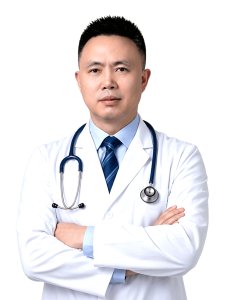
كبير الأطباء وأستاذ. خبير من الدرجة الأولى في مركز السرطان بمستشفى غرب الصين، جامعة سيتشوان (المرتبة الثانية في الصين). أنهى زمالة ما بعد الدكتوراه في الأشعة التداخلية بالمستشفى العام لجيش التحرير الشعبي الصيني. يقود رعاية فريق متعدد التخصصات (MDT) للأورام المعقدة. خبير في طب الأورام التداخلي طفيف التوغل لأورام الكبد والرئة والبنكرياس.
الاعتمادات: عضو مجلس في WATA. عضو في لجان CACA وCMDA للتدخلات، والاستئصال الحراري، والبذور المشعة، وعلاج الألم. في 2023، عضو مجلس مؤسِّس في لجنة الرعاية
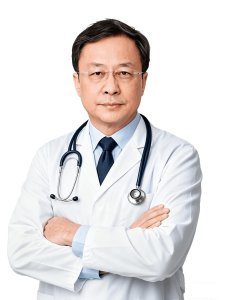
البروفيسور لوو شياوبينغ اختصاصي أشعة تداخلية معترف به على المستوى الوطني ومن أبرز الخبراء في غرب الصين. بدأ ريادة التدخلات الوعائية في أوائل التسعينيات، وأسهم في تأسيس فريق الأشعة التداخلية في المستشفى الثاني الملحق بجامعة تشونغتشينغ الطبية.
أجرى أكثر من 100 ألف إجراء تداخلي، بينها نحو 4 آلاف حالة معقدة. تشمل مهاراته الأساسية الانصمام الكيميائي عبر الشريان الكبدي (TACE) لعلاج سرطان الخلايا الكبدية، وتداخلات متلازمة بود–كياري، وإجراء TIPS، وتركيب دعامتين في مرحلة واحدة لعلاج انسداد القن
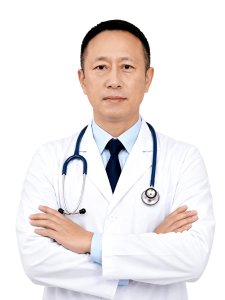
الدكتور هي ويبينغ رائد الاستئصال بالتبريد بالأرجون–الهيليوم في الصين، وله أكثر من 20 عاماً من الممارسة السريرية المباشرة. كان عضواً مؤسِّساً لمستشفى فودا للسرطان (قوانغتشو)، وشارك في تأسيس مركز علاج الأورام طفيفة التوغل فيه وتولى منصب نائب المدير التنفيذي. كما أسهم في تأسيس مجموعة الاستئصال التابعة للجمعية الصينية لمكافحة السرطان. وكان المنفّذ الرئيسي في أكثر من 10,000 إجراء.
يتخصص في الاستئصال بالتبريد للأورام، وهو متمرّس في العلاج الإشعاعي الموضعي ببذور اليود‑125، مع تركيز على سرطاني
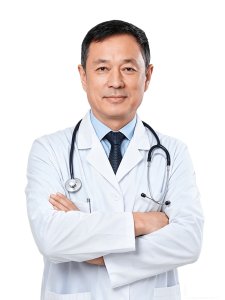
الأستاذ شياو يويونغ هو كبير الأطباء في قسم التشخيص الإشعاعي بالمستشفى العام لجيش التحرير الشعبي الصيني، وخبير بارز في طب الأورام التداخلي طفيف التوغل. يشغل منصب الرئيس المؤسس لـWATA (2025–). ويرأس الجمعية الدولية (2020–) والجمعية الآسيوية (2012–) للعلاج بالتجميد. كما أنه نائب رئيس مجموعة الخبراء بهيئة الصحة الوطنية (NHC) للوائح استئصال الأورام (2009–).
أجرى أكثر من 100,000 إجراء طفيف التوغل موجهًا بالتصوير المقطعي/الرنين المغناطيسي. يشمل عمله الاستئصال الكيميائي، والاستئصال بالترددات ا
 Anna Leonova
تُقدّم الصين علاجات متطورة لسرطان الأنسجة الرخوة، تشمل أنظمة البروتونات المطوّرة محلياً ومجموعات الأدوية الموجّهة. ومن التقنيات الرئيسية الجراحة البردية، والنانوكايف، والعلاج الإشعاعي بأيونات الكربون للأورام المقاومة للإشعاع. وتستخدم مراكز متخصصة مثبطات متعددة الأهداف مثل أنلوتينيب وعلاج CAR-T للأورام الصلبة في مؤسسات معتمدة من اللجنة الدولية المشتركة (JCI).
رأي خبراء بوكيميد: يكشف تحليلٌ للمؤسسات الطبية المعتمدة من قبل اللجنة الدولية المشتركة (JCI) في قوانغتشو عن تخصصٍ في علاج السرطانات المتقدم
تضمّ الصين مراكز رائدة لعلاج الساركوما، منها مؤسسات معتمدة من اللجنة الدولية المشتركة (JCI) مثل مستشفى فودا للسرطان في قوانغتشو، ومراكز السرطان الوطنية. وتتخصص هذه المراكز في الجراحة المحافظة على الأعضاء، والجراحة البردية، والعلاج الإشعاعي المتقدم. وتُعدّ المراكز في بكين وشنغهاي رائدة في العلاج الشامل والمتعدد التخصصات لأورام العظام والأنسجة الرخوة.
رأي خبراء بوكيمد: يعالج مستشفى فودا للسرطان أكثر من 30,000 مريض دولي، وهو متخصص في علاج السرطانات المتقدمة. يقدم المستشفى 10 أنواع من العلاجات طفيفة التوغل كبديل للعلاج الكيميائي التقليدي. وهذا أمر بالغ الأهمية للمرضى الذ
تحافظ مراكز علاج السرطان الصينية الرائدة على المعايير الدولية من خلال اعتماد اللجنة الدولية المشتركة (JCI) وشهادات التخصص في طب الأورام. وتستخدم مؤسسات مثل مستشفى فودا للسرطان بروتوكولات معتمدة من اللجنة الدولية المشتركة. وغالبًا ما تستخدم هذه المراكز تقنيات متطورة، مثل العلاج الإشعاعي بالبروتونات والموجات فوق الصوتية المركزة عالية الكثافة، لعلاج حالات الساركوما المعقدة.
رأي خبراء بوكيمد: بينما تتجه العديد من المستشفيات المحلية نحو تطبيق معايير ISQua 2021، يبقى مستشفى فودا للسرطان خيارًا مفضلًا للمرضى الدوليين بفضل اعتماده من قبل اللجنة الدولية المشتركة (JCI) وتركيزه على علاج الحالات المتقدمة. ويركز نموذجهم على العلاجات المتخصصة ذات التدخل الجراحي المحدود، مثل تقنية نانو نايف، بدلًا من العلاج الكيميائي التقليدي،
تُجري المستشفيات الصينية العديد من التجارب السريرية على أنواع فرعية نادرة من الساركوما، بمشاركة مرضى من مختلف أنحاء العالم. وتُساهم الصين بنحو 39% من إجمالي أبحاث السرطان على مستوى العالم. وتستخدم مؤسسات مثل مستشفى فودا للسرطان بروتوكولات معتمدة من اللجنة الدولية المشتركة (JCI) وتقنيات متطورة، بما في ذلك الجراحة النانوية والجراحة البردية، لعلاج أكثر من 30,000 مريض من 100 دولة.
رأي خبراء بوكيمد: على الرغم من اتساع نطاق الدراسات الصينية، فإن التركيز على مراكز علاج السرطان الخاصة المعتمدة من قبل اللجنة الدولية المشتركة (JCI)، مثل مستشفى فودا للسرطان، يُسهّل عملية استقطاب المشاركين. صُممت هذه المراكز خصيصًا لتسهيل الخدمات اللوجستية الدولية، وتُقدم أكثر من عشرة أنواع من العلاجات طفيفة التوغل، والتي تُستخدم غال
يتطلب علاج الساركوما في الصين عادةً إقامة تتراوح بين 30 و180 يومًا. ويستخدم المرضى عادةً تأشيرة S2 للعلاج العادي، أو تأشيرة S1 للعلاج طويل الأمد الذي يتجاوز ستة أشهر. وتشمل المتطلبات الأساسية دعوة رسمية من مستشفى صيني مرخص، وإثبات القدرة المالية.
رأي خبراء بوكيمد: تحظى المراكز المعتمدة من قبل اللجنة الدولية المشتركة (JCI)، مثل مستشفى فودا للسرطان في قوانغتشو، بشعبية واسعة في علاج حالات الساركوما المعقدة. وقد عالج هذا المستشفى وحده أكثر من 30,000 مريض من 100 دولة. يُسهّل اختيار مؤسسة معتمدة إجراءات الحصول على التأشيرة
تُقدّم أكبر مراكز علاج السرطان المعتمدة من قبل اللجنة الدولية المشتركة في الصين دعمًا متخصصًا باللغة الإنجليزية من خلال أقسام المرضى الدوليين التابعة لها. وتُوفّر هذه المراكز مترجمين طبيين، ومنسقين ثنائيي اللغة، وخدمات ترجمة الوثائق. ويختلف مستوى إتقان اللغة الإنجليزية بين الكوادر الطبية. وتتولى شركة بوكيميد إدارة الخدمات اللوجستية والتواصل مع فرق الأورام المتخصصة.
رأي خبراء بوكيمد: على الرغم من أن مستشفى فودا للسرطان يخدم أكثر من 30,000 مريض دولي، إلا أن حواجز اللغة لا تزال قائمة عند تقديم الرعاية الطبية للمرضى. وقد وجدنا أن المؤسسات المعتمدة من قبل اللجنة الدولية المشتركة (JCI) تحافظ على معايير أعلى في الترجمة الطبية المكتوبة. لذا، ينبغي على المرضى إعطاء الأولوية للمستشفيات التي تضم أقسامًا دولية لضمان الحصول على