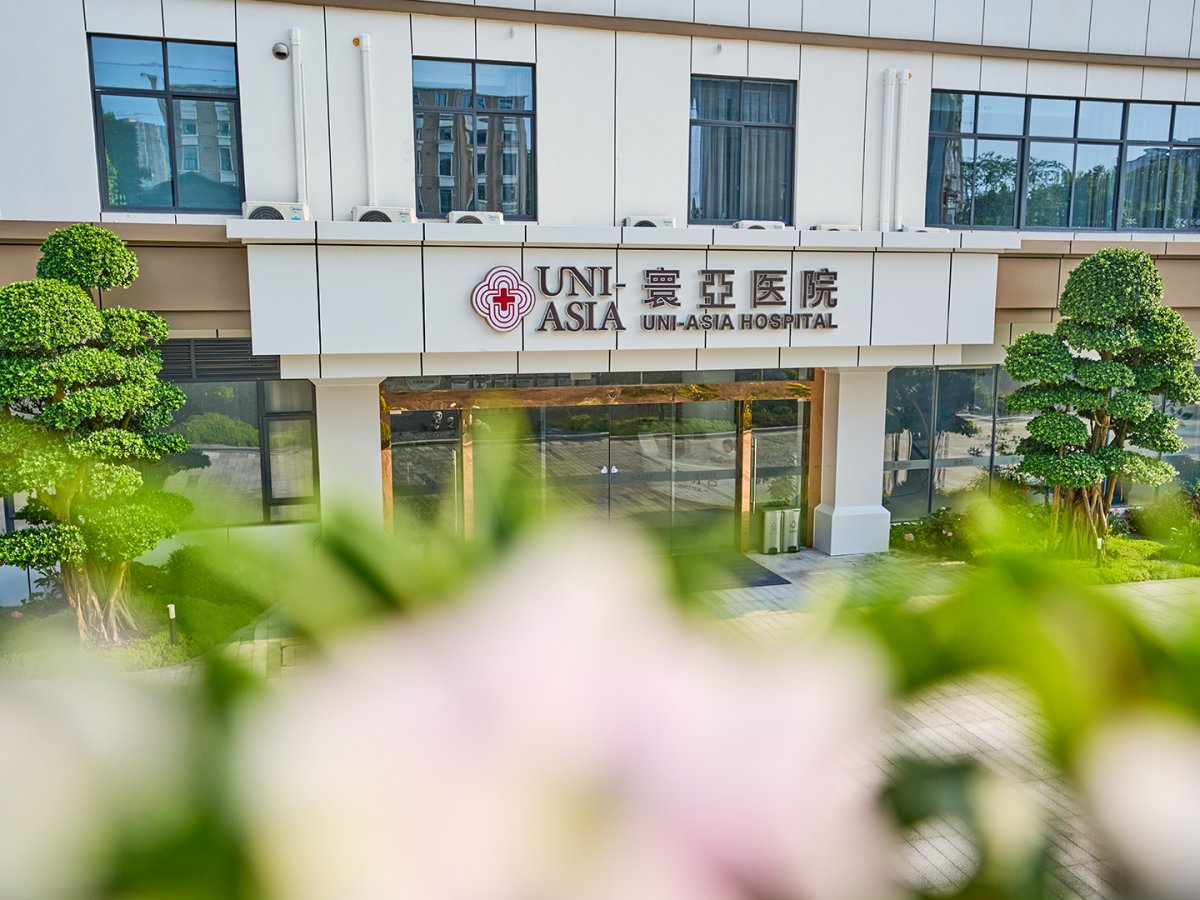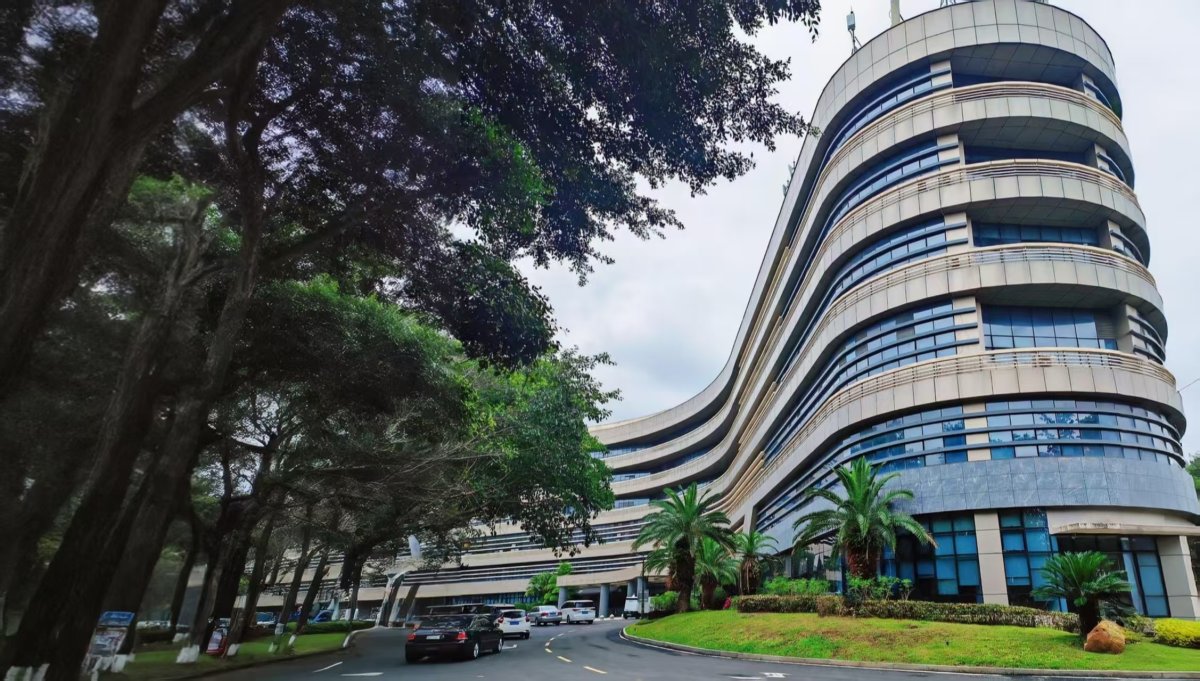
Boao International Medical Center
الصين, تشيونغهاي


تمت مراجعة المقالة طبيا من قبل
فهد مولود
تتراوح تكلفة علاج سرطان عنق الرحم في الصين عادةً ما بين السعر عند الطلب إلى السعر عند الطلب للعلاجات الجهازية، بينما تتراوح تكلفة التدخلات الجراحية مثل استئصال الرحم ما بين $6,500 إلى $11,500. تعتمد النفقات الإجمالية على المرحلة السريرية، واعتماد المنشأة، واستخدام التقنيات المتقدمة. وغالباً ما يوفر المرضى ما يقرب من 40-70% مقارنة بأسعار الرعاية الصحية في الولايات المتحدة. وتشمل أهم المراكز الطبية بكين وقوانغتشو.
تكاليف علاج سرطان عنق الرحم النموذجية في الصين
رؤية خبراء Bookimed: يجد المرضى في المراحل المتقدمة أفضل قيمة في مراكز الأورام المتخصصة في قوانغتشو. يُعد مستشفى فودا للسرطان (Fuda Cancer Hospital) أول منشأة معتمدة من اللجنة الدولية المشتركة (JCI) في الصين. وهم متخصصون في الحالات المتأخرة باستخدام تقنيات فريدة مثل نانو نايف (NanoKnife) والجراحة بالتبريد. يقدم القادة السريريون مثل البروفيسور ليو شي شين بروتوكولات متخصصة في علاج الأورام بالإشعاع. وتعد هذه الخبرة حيوية للمرضى الذين يحتاجون إلى خطط رعاية معقدة ومتعددة التخصصات.
| الصين | تركيا | إسبانيا | |
|---|---|---|---|
| سايبر نايف CyberKnife | من $7,000 | من $4,900 | من $14,800 |
| جراحة ڤرتهايم - ميغز (Wertheim-Meigs) | ≈ $7,500 | من $8,000 | من $28,000 |
| المعالجة المقطعية | ≈ $17,500 | من $6,700 | ≈ $7,500 |
| العلاج الإشعاعي الموضعي | ≈ $4,500 | من $6,500 | من $8,100 |
| استئصال مخروطي عنقي | ≈ $1,800 | من $900 | ≈ $1,500 |
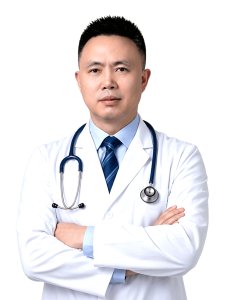
كبير الأطباء وأستاذ. خبير من الدرجة الأولى في مركز السرطان بمستشفى غرب الصين، جامعة سيتشوان (المرتبة الثانية في الصين). أنهى زمالة ما بعد الدكتوراه في الأشعة التداخلية بالمستشفى العام لجيش التحرير الشعبي الصيني. يقود رعاية فريق متعدد التخصصات (MDT) للأورام المعقدة. خبير في طب الأورام التداخلي طفيف التوغل لأورام الكبد والرئة والبنكرياس.
الاعتمادات: عضو مجلس في WATA. عضو في لجان CACA وCMDA للتدخلات، والاستئصال الحراري، والبذور المشعة، وعلاج الألم. في 2023، عضو مجلس مؤسِّس في لجنة الرعاية
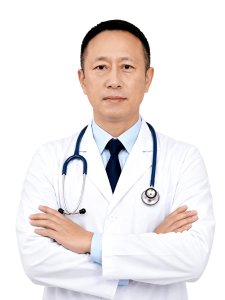
الدكتور هي ويبينغ رائد الاستئصال بالتبريد بالأرجون–الهيليوم في الصين، وله أكثر من 20 عاماً من الممارسة السريرية المباشرة. كان عضواً مؤسِّساً لمستشفى فودا للسرطان (قوانغتشو)، وشارك في تأسيس مركز علاج الأورام طفيفة التوغل فيه وتولى منصب نائب المدير التنفيذي. كما أسهم في تأسيس مجموعة الاستئصال التابعة للجمعية الصينية لمكافحة السرطان. وكان المنفّذ الرئيسي في أكثر من 10,000 إجراء.
يتخصص في الاستئصال بالتبريد للأورام، وهو متمرّس في العلاج الإشعاعي الموضعي ببذور اليود‑125، مع تركيز على سرطاني
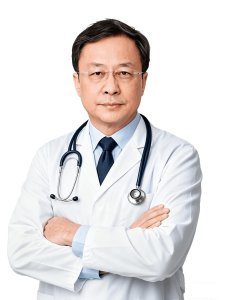
البروفيسور لوو شياوبينغ اختصاصي أشعة تداخلية معترف به على المستوى الوطني ومن أبرز الخبراء في غرب الصين. بدأ ريادة التدخلات الوعائية في أوائل التسعينيات، وأسهم في تأسيس فريق الأشعة التداخلية في المستشفى الثاني الملحق بجامعة تشونغتشينغ الطبية.
أجرى أكثر من 100 ألف إجراء تداخلي، بينها نحو 4 آلاف حالة معقدة. تشمل مهاراته الأساسية الانصمام الكيميائي عبر الشريان الكبدي (TACE) لعلاج سرطان الخلايا الكبدية، وتداخلات متلازمة بود–كياري، وإجراء TIPS، وتركيب دعامتين في مرحلة واحدة لعلاج انسداد القن
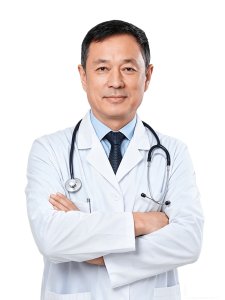
الأستاذ شياو يويونغ هو كبير الأطباء في قسم التشخيص الإشعاعي بالمستشفى العام لجيش التحرير الشعبي الصيني، وخبير بارز في طب الأورام التداخلي طفيف التوغل. يشغل منصب الرئيس المؤسس لـWATA (2025–). ويرأس الجمعية الدولية (2020–) والجمعية الآسيوية (2012–) للعلاج بالتجميد. كما أنه نائب رئيس مجموعة الخبراء بهيئة الصحة الوطنية (NHC) للوائح استئصال الأورام (2009–).
أجرى أكثر من 100,000 إجراء طفيف التوغل موجهًا بالتصوير المقطعي/الرنين المغناطيسي. يشمل عمله الاستئصال الكيميائي، والاستئصال بالترددات ا

كتب بواسطة Veronika Kazina

كتب بواسطة Veronika Kazina

كتب بواسطة Veronika Kazina

كتب بواسطة Veronika Kazina

كتب بواسطة Veronika Kazina
 Anna Leonova
في الصين، يُستخدم نهج متعدد الوسائط يجمع بين الجراحة والعلاج الإشعاعي والعلاج الكيميائي لعلاج سرطان عنق الرحم الغازي. غالبًا ما تخضع المريضات في المراحل المبكرة لاستئصال الرحم الجذري أو استئصال عنق الرحم مع الحفاظ على الخصوبة. في حالات السرطان المتقدم موضعيًا، يُعطى عادةً علاج كيميائي إشعاعي متزامن. كما تُدمج مراكز الأورام المتخصصة الطب التقليدي مع التقنيات طفيفة التوغل مثل الجراحة البردية وتقنية النانو نايف.
رأي خبراء بوكيمد: غالبًا ما تُفضّل مراكز علاج السرطان الصينية العلاجات الموضعية طفيفة التوغل على العلاج الكيميائي الشامل في المراحل المتقدمة من المرض. على سبيل المثال، يُقدّم مستشفى فودا للسرطان أكثر من 10 أنواع من العلاجات الموضعية، مما يُتيح للأطباء علاج أكثر من 30,000 مري
تُقدّم الصين علاجات متطورة غير جراحية لسرطان عنق الرحم، تشمل الموجات فوق الصوتية المركزة عالية الكثافة (HIFU) والعلاج الضوئي الديناميكي APL-1702. وتستخدم مراكز متخصصة، مثل مستشفى فودا للسرطان، تقنية النانو والجراحة البردية لعلاج المراحل المتقدمة من المرض. تستهدف هذه التقنيات الأورام مع الحفاظ على سلامة بنية عنق الرحم.
رأي خبراء بوكيمد: ينبغي على المرضى الباحثين عن خيارات علاجية غير جراحية أن يعلموا أن مدينة قوانغتشو مركز رائد في طب الأورام المتخصص. وقد عالج مستشفى فودا للسرطان أكثر من 30,000 مريض دولي باستخدام تقنيات طفيفة التوغل. غالبًا ما تجمع العيادات المحلية بين العلاجات التقليدية والتقنيات الحدي
تضم الصين مؤسسات طبية متخصصة معتمدة من اللجنة الدولية المشتركة (JCI) تُعطي الأولوية للمرضى الدوليين في علاج سرطان عنق الرحم. وتستخدم مراكز رائدة، مثل مستشفى فودا للسرطان، تقنيات طفيفة التوغل. كما تُقدم فرق الأورام الصينية جراحة إشعاعية تجسيمية متقدمة لعلاج أورام عنق الرحم. وتستقبل هذه المؤسسات مرضى من أكثر من 100 دولة، بمن فيهم المصابون بمراحل متقدمة من المرض.
رأي خبراء بوكيمد: بينما تتصدر المراكز الأكاديمية الحكومية الكبيرة مجال البحث، توفر المستشفيات الخاصة المعتمدة من قبل اللجنة الدولية المشتركة (JCI) خيارات لوجستية أفضل. على سبيل المثال، تبلغ تكلفة باقة جراحة سايبر نايف إم 6 الإشعاعية في مستشفى جينشازو حوالي 7700 دولار أمري
يُدمج الطب الصيني التقليدي في علاج سرطان عنق الرحم كعلاج مساعد للحد من الآثار الجانبية وتعزيز المناعة. وتجمع مراكز علاج السرطان الصينية بين الطب العشبي والوخز بالإبر والعلاج الغذائي مع الجراحة أو العلاج الإشعاعي. ويهدف هذا النهج الشامل إلى تحسين معدل البقاء على قيد الحياة وجودة حياة المرضى.
رأي خبراء بوكيمد: توظف المراكز الصينية الرائدة، مثل مستشفى جينشاتشو التابع لجامعة قوانغتشو للطب الصيني، أخصائيي الطب الصيني التقليدي مباشرةً في أقسام الأورام لديها. وبينما تقدم العديد من العيادات خدمات مستقلة، فإن أفضل المؤسسات تجمع بين استخدام نظام سايبر نايف أو العلاج الإشعاعي مع بروتوكولات الط
تُعدّ الصين وجهةً آمنةً لعلاج سرطان عنق الرحم إذا اختار المرضى مرافق طبية معتمدة من اللجنة الدولية المشتركة في المدن الكبرى. وتستخدم أفضل المستشفيات أحدث التقنيات، مثل جهاز سايبر نايف إم 6 وروبوت دافنشي. وتلتزم هذه المراكز ببروتوكولات سلامة صارمة تحت إشراف اللجنة الوطنية للصحة.
رأي خبراء بوكيمد: بينما تركز العديد من الدول على العلاج الكيميائي التقليدي، تتخصص مراكز علاج السرطان الصينية، مثل مستشفى فودا للسرطان، في أكثر من عشرة أنواع من العلاجات طفيفة التوغل. تشمل هذه العلاجات الجراحة البردية وتقنية نانو نايف. يُعد هذا النهج فعالاً للغاية للمرضى الذين يعانون من مراحل متقدمة من المرض والذين لا يتحملون المشقة البدنية للعلاجات الجهازية التق