علاج سرطان البنكرياس في الصين — احصل على 3 عيادات مختارة خصيصاً لك


تمت مراجعة المقالة طبيا من قبل
فهد مولود
كيف نعمل؟
ما هي تكلفة سرطان البنكرياس إجراءات التشخيص والعلاج في الصين؟ اعرف الآن
من $400. تعتمد النفقات الإجمالية على المرحلة السريرية، والنهج الجراحي، ومستوى المستشفى. يمكن للمرضى توفير ما يقرب من 50-85% مقارنة بالولايات المتحدة. تقع أفضل مراكز العلاج في قوانغتشو وبكين وشنغهاي.
تكاليف علاج سرطان البنكرياس النموذجية في الصين
- تنظير المعدة: من $400
- جراحة ويبل: $17,000 – $27,000
- جراحة سرطان البنكرياس: السعر عند الطلب
- تقنية نانو نايف (NanoKnife): من $24,000
- العلاج الكيميائي لسرطان البنكرياس: $4,500 – $10,500
- العلاج بحزمة البروتون: $28,000 – $42,000
- العلاج المقطعي (Tomotherapy): $7,500 – $14,500
- سايبر نايف (CyberKnife): من $7,000
- جاما نايف (Gamma Knife): من $4,000
- علاج الخلايا القاتلة الطبيعية المعدلة (CAR NK Cell Therapy): السعر عند الطلب
رؤية خبراء Bookimed: يجد المرضى في المراحل المتأخرة الذين يبحثون عن بدائل للعلاج الكيميائي التقليدي قيمة عالية في المراكز الصينية المتخصصة. يُعد مستشفى فودا للسرطان (Fuda Cancer Hospital) في قوانغتشو منشأة مشهورة عالمياً ومتخصصة في العلاجات طفيفة التوغل. أجرى الدكتور نيو ليتشي في مستشفى فودا ما يقرب من 500 عملية باستخدام تقنية نانو نايف للحالات المعقدة. يوفر هذا المستشفى الحاصل على اعتماد اللجنة الدولية المشتركة (JCI) خيارات متقدمة مثل الجراحة بالتبريد والعلاج التداخلي الوعائي للمرضى من أكثر من 100 دولة.
| الصين | تركيا | إسبانيا | |
|---|---|---|---|
| نانو نايف NanoKnife | من $24,000 | ≈ $9,500 | ≈ $9,500 |
| سايبر نايف CyberKnife | من $7,000 | من $4,900 | من $14,800 |
| المعالجة المقطعية | ≈ $7,500 | من $6,700 | ≈ $7,500 |
| العلاج بالبروتون (انظر العلاج بحزم البروتون) | ≈ $28,000 | من $25,000 | من $43,300 |
| العلاج الكيميائي لسرطان الثدي | ≈ $14,800 | من $3,000 | من $1,700 |
اكتشف أفضل سرطان البنكرياس العيادات في الصين: 5 خيارات معتمدة والأسعار

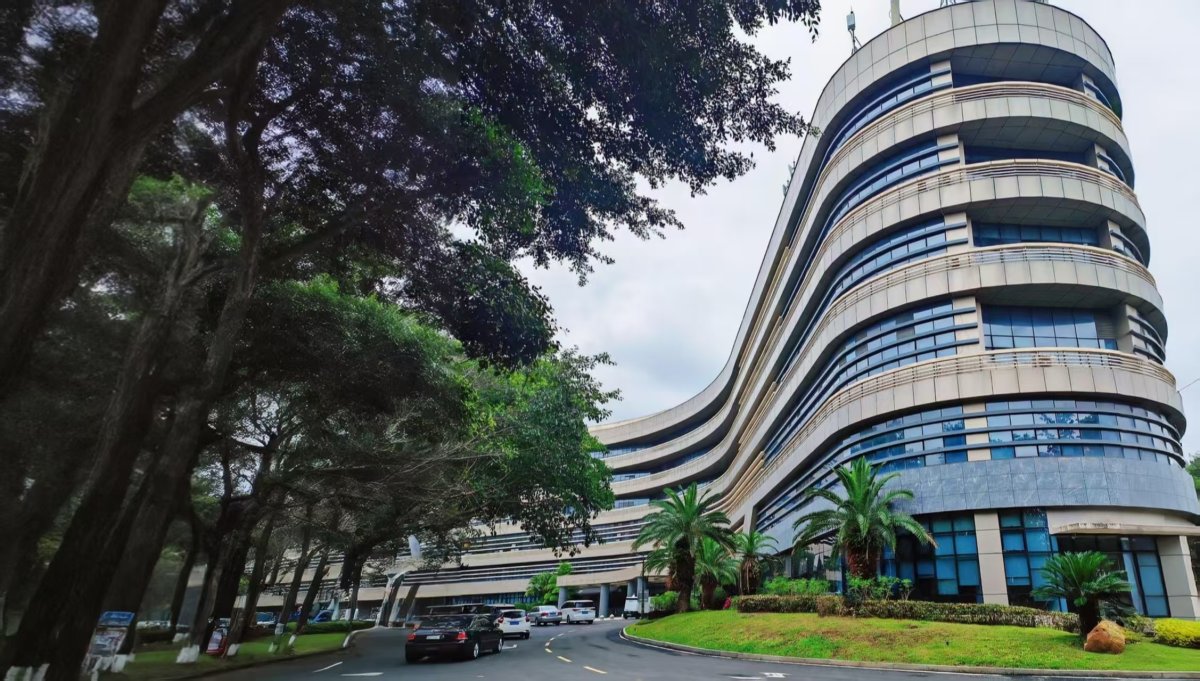
Boao International Medical Center
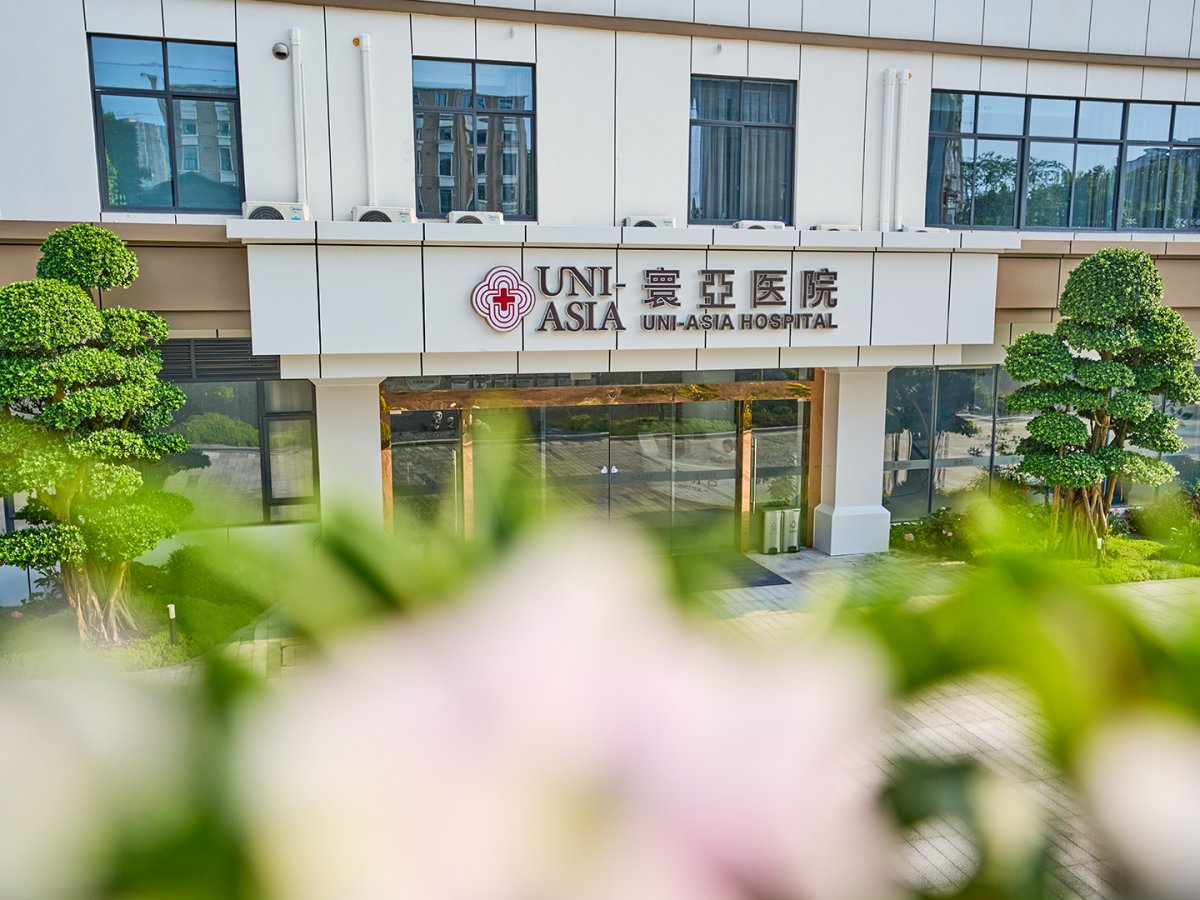
uni-asia hospital
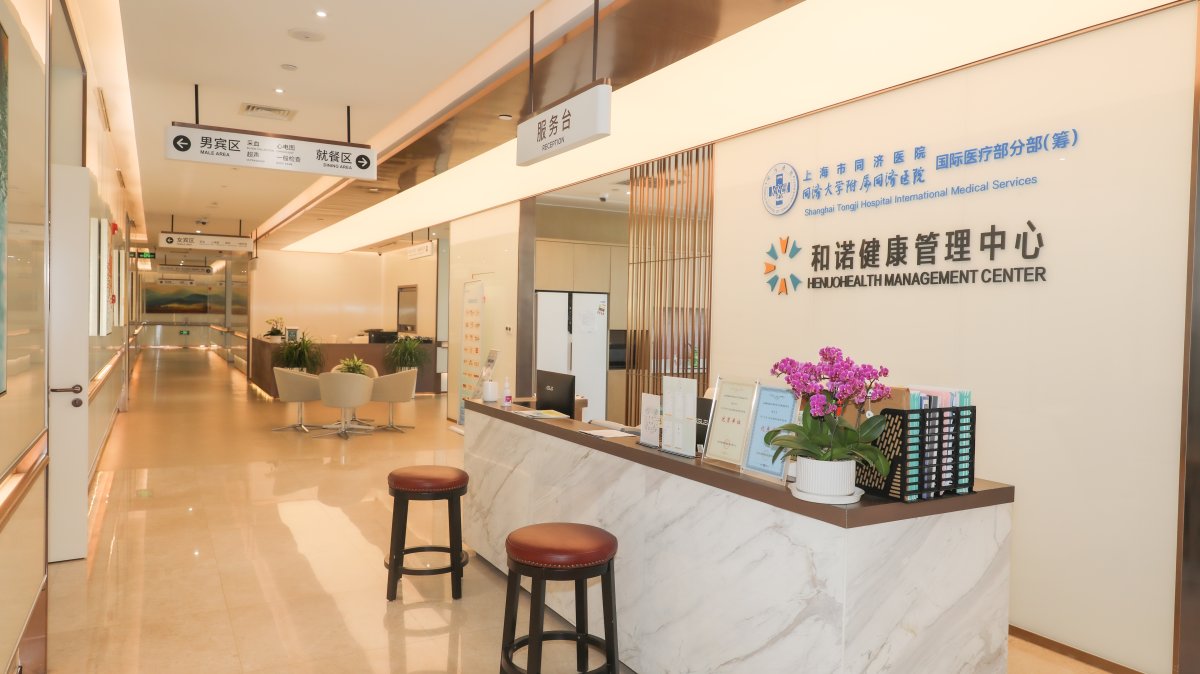
مركز أمراض الدم والعلاج الخلوي Shanghai Tongji Hospital
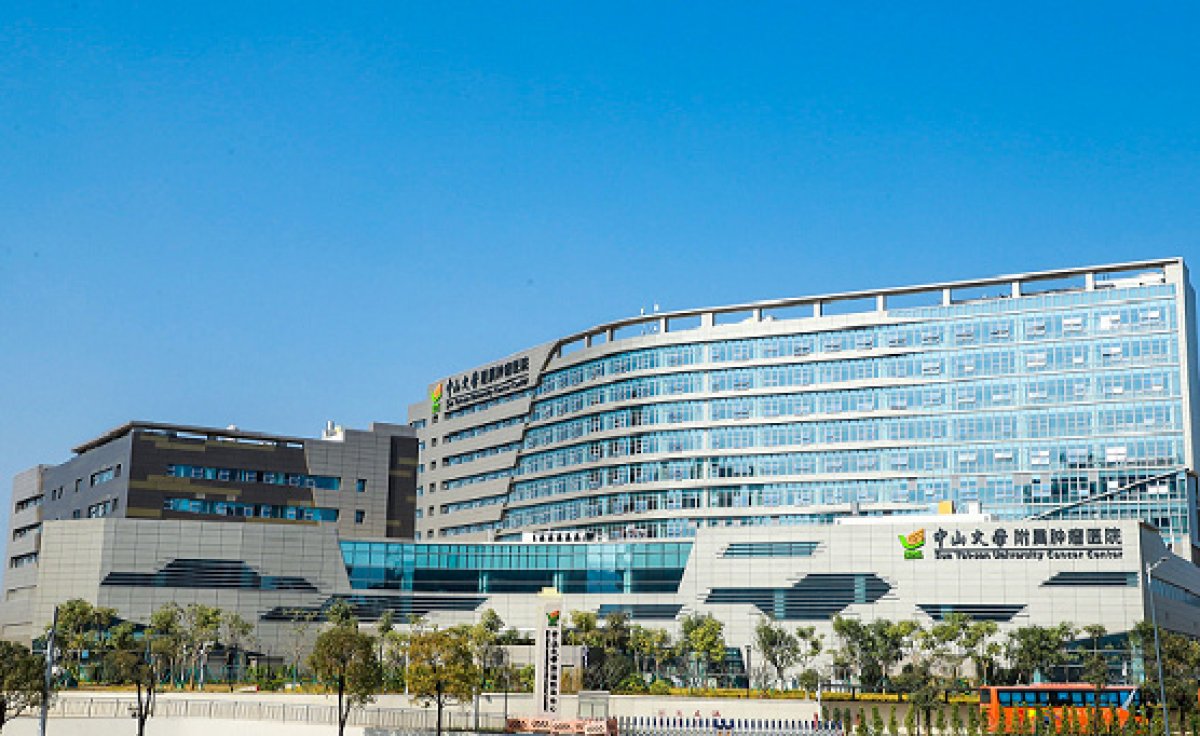


احصل على تقييم طبي لـ في الصين. استشر الآن 23 أطباء ذوي الخبرة.
عرض جميع الأطباء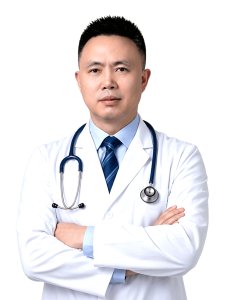
Liao Zhengyin
كبير الأطباء وأستاذ. خبير من الدرجة الأولى في مركز السرطان بمستشفى غرب الصين، جامعة سيتشوان (المرتبة الثانية في الصين). أنهى زمالة ما بعد الدكتوراه في الأشعة التداخلية بالمستشفى العام لجيش التحرير الشعبي الصيني. يقود رعاية فريق متعدد التخصصات (MDT) للأورام المعقدة. خبير في طب الأورام التداخلي طفيف التوغل لأورام الكبد والرئة والبنكرياس.
الاعتمادات: عضو مجلس في WATA. عضو في لجان CACA وCMDA للتدخلات، والاستئصال الحراري، والبذور المشعة، وعلاج الألم. في 2023، عضو مجلس مؤسِّس في لجنة الرعاية
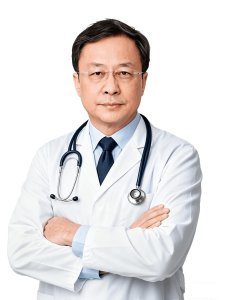
Luo Xiaoping
البروفيسور لوو شياوبينغ اختصاصي أشعة تداخلية معترف به على المستوى الوطني ومن أبرز الخبراء في غرب الصين. بدأ ريادة التدخلات الوعائية في أوائل التسعينيات، وأسهم في تأسيس فريق الأشعة التداخلية في المستشفى الثاني الملحق بجامعة تشونغتشينغ الطبية.
أجرى أكثر من 100 ألف إجراء تداخلي، بينها نحو 4 آلاف حالة معقدة. تشمل مهاراته الأساسية الانصمام الكيميائي عبر الشريان الكبدي (TACE) لعلاج سرطان الخلايا الكبدية، وتداخلات متلازمة بود–كياري، وإجراء TIPS، وتركيب دعامتين في مرحلة واحدة لعلاج انسداد القن

He Weibing
الدكتور هي ويبينغ رائد الاستئصال بالتبريد بالأرجون–الهيليوم في الصين، وله أكثر من 20 عاماً من الممارسة السريرية المباشرة. كان عضواً مؤسِّساً لمستشفى فودا للسرطان (قوانغتشو)، وشارك في تأسيس مركز علاج الأورام طفيفة التوغل فيه وتولى منصب نائب المدير التنفيذي. كما أسهم في تأسيس مجموعة الاستئصال التابعة للجمعية الصينية لمكافحة السرطان. وكان المنفّذ الرئيسي في أكثر من 10,000 إجراء.
يتخصص في الاستئصال بالتبريد للأورام، وهو متمرّس في العلاج الإشعاعي الموضعي ببذور اليود‑125، مع تركيز على سرطاني

Xiao Yueyong
الأستاذ شياو يويونغ هو كبير الأطباء في قسم التشخيص الإشعاعي بالمستشفى العام لجيش التحرير الشعبي الصيني، وخبير بارز في طب الأورام التداخلي طفيف التوغل. يشغل منصب الرئيس المؤسس لـWATA (2025–). ويرأس الجمعية الدولية (2020–) والجمعية الآسيوية (2012–) للعلاج بالتجميد. كما أنه نائب رئيس مجموعة الخبراء بهيئة الصحة الوطنية (NHC) للوائح استئصال الأورام (2009–).
أجرى أكثر من 100,000 إجراء طفيف التوغل موجهًا بالتصوير المقطعي/الرنين المغناطيسي. يشمل عمله الاستئصال الكيميائي، والاستئصال بالترددات ا
المراجعات
جميع المراجعات
مواد ذات صلة
عرض المزيد من التفاصيل
أسئلة يتكرر طرحها عن سرطان البنكرياس
كتب بواسطة Veronika Kazina

مراحل سرطان البنكرياس
كتب بواسطة Veronika Kazina

تشخيص سرطان البنكرياس
كتب بواسطة Veronika Kazina

أولى علامات الإصابة بسرطان البنكرياس
كتب بواسطة Veronika Kazina

سرطان البنكرياس: الأسباب والأعراض
كتب بواسطة Veronika Kazina
مشاركة المحتوى
قصص فيديو من مرضى Bookimed
 Anna Leonova
أسئلة متكررة حول علاج سرطان البنكرياس في الصين
ما هي العلاجات المتقدمة لسرطان البنكرياس المتوفرة في المستشفيات الصينية؟
تستخدم الصين أحدث أساليب العلاج، بما في ذلك الاستئصال الجراحي طفيف التوغل، والجراحة الروبوتية، والعلاج الإشعاعي عالي الدقة للأورام المتقدمة. وتقدم المراكز المعتمدة من قبل اللجنة الدولية المشتركة (JCI) تقنية الاستئصال الكهربائي غير القابل للعكس باستخدام جهاز نانو نايف، والجراحة بالتبريد للأورام غير القابلة للجراحة. وتجمع هذه المراكز بين التقنيات الطبية الغربية وأساليب العلاج الشاملة لتحسين نتائج العلاج وجودة حياة المرضى.
- العلاجات الاستئصالية: تستهدف تقنية النانو نايف والجراحة البردية الأورام دون التأثير على الأوعية الدموية الحيوية المجاورة.
- الأنظمة الروبوتية: يستخدم الجراحون نظام دافنشي لإجراء عمليات ويبل المعقدة ذات التدخل الجراحي البسيط.
- الأساليب الحديثة للعلاج الإشعاعي: يوفر نظام CyberKnife M6 والعلاج بالبروتونات علاجًا عالي الدقة لآفات البنكرياس.
- التخصص في علم الأورام: أجرى مستشفى فودا للسرطان أكثر من 10000 عملية جراحية بالتبريد لمراحل مختلفة من السرطان.
رأي خبراء بوكيمد: أصبحت الصين رائدة عالميًا في مجال الاستئصال غير الحراري، لا سيما لعلاج الأورام القريبة من الأعضاء الحيوية. وبينما يقتصر استخدام تقنية نانو نايف في العديد من المراكز الغربية على التجارب السريري
كيف تكون فترة التعافي بعد الجراحة للمرضى الأجانب الذين خضعوا لجراحة البنكرياس في الصين؟
في الصين، تتم فترة التعافي بعد العمليات الجراحية وفقًا لبروتوكولات التعافي المُعزز بعد الجراحة (ERAS) وبروتوكولات الفريق متعدد التخصصات (MDT). عادةً ما يمكث المرضى الدوليون في المستشفى لمدة تتراوح بين 10 و14 يومًا. يجمع العلاج بين المراقبة الجراحية الحديثة والطب الصيني التقليدي لتسريع التعافي البدني وتخفيف الآثار الجانبية الشائعة، مثل الغثيان.
- التعبئة المبكرة: يبدأ المرضى بممارسة التمارين في السرير أو المشي في اليوم الأول.
- استئناف تناول الطعام: عادة ما يتم استئناف تناول السوائل عن طريق الفم في غضون 24 ساعة بعد العملية.
- إدارة أنابيب التصريف: يقوم الجراحون بإزالة قسطرات التصريف وأنابيب التغذية الأنفية المعدية مبكراً لتقليل مدة الإقامة في المستشفى.
- جدول المتابعة والفحص: يتم إجراء المراقبة القياسية كل 3-6 أشهر باستخدام التصوير المقطعي المحوسب واختبار علامات الورم.
رأي خبراء بوكيمد: على الرغم من أن مراكز علاج السرطان الصينية، مثل مستشفى فودا للسرطان، معتمدة من قبل اللجنة الدولية المشتركة (JCI)، إلا أن تجربة التعافي للمرضى الدوليين تختلف. وقد أجرى أخصائيون ذوو كفاءة عالية، مثل الدكتور نيو ليتشي، أكثر من 10000 عملية جراحية بالتبريد. وتؤدي هذه الخبرة في كثير من الأحيان إل
هل يمتلك جراحو البنكرياس الصينيون اعتماداً دولياً وخبرة في إجراء العمليات الجراحية المعقدة؟
يتمتع جراحو البنكرياس الصينيون في مراكز علاج السرطان الكبرى بخبرة واسعة ويحظون بتقدير دولي. ويعالج كبار المتخصصين عددًا هائلاً من المرضى، وقد أجرى بعض أفضل الجراحين أكثر من 10,000 عملية جراحية. ويعمل العديد منهم في مؤسسات معتمدة من اللجنة الدولية المشتركة (JCI). وغالبًا ما يستخدمون أحدث التقنيات لعلاج الحالات المعقدة في المراحل المتقدمة من المرض.
- حجم العمليات الجراحية المرتفع: تم علاج أكثر من 30000 حالة من سرطان البنكرياس في المراكز الصينية الرائدة.
- الاعتماد الدولي: تلتزم مؤسسات مثل مستشفى فودا للسرطان بمعايير السلامة الصارمة الصادرة عن اللجنة الدولية المشتركة (JCI).
- الخبرة المتخصصة: يقوم جراحون مثل الدكتور نيو ليتشي بإجراء عمليات جراحية متطورة باستخدام السكاكين النانوية والجراحة بالتبريد.
- القيادة الأكاديمية: يقود العديد منهم منظمات عالمية مثل الجمعية الدولية للجراحة البردية.
رأي خبراء بوكيمد: توفر المراكز الكبيرة في الصين ميزة واضحة لإجراء عمليات استئصال معقدة. إذ يُجري الجراحون المتخصصون مئات العمليات الجراحية للبنكرياس سنويًا. على سبيل المثال، أجرى الدكتور نيو ليتشي أكثر من 500 عملية جراحية باستخدام تقنية النانو نايف. تضمن هذه الخبرة الواسعة في الحالات النادرة
ما هي المدة النموذجية للإقامة في الصين بعد جراحة سرطان البنكرياس، وكم من الوقت يجب أن أبقى بالقرب من المستشفى بعد الخروج؟
في الصين، تتراوح مدة الإقامة في المستشفى بعد جراحة سرطان البنكرياس عادةً بين 13 و20 يومًا. ويمكن لبروتوكولات التعافي المتخصصة في المراكز الرائدة أن تقلل هذه المدة إلى 10 أيام في الحالات غير المعقدة. بعد الخروج من المستشفى، ينبغي إبقاء المرضى تحت الملاحظة لمدة أسبوع إلى أسبوعين للوقاية من المضاعفات الجراحية المحتملة.
- البقاء بعد عملية ويبل: بعد جراحة استئصال البنكرياس المعقدة (استئصال البنكرياس والاثني عشر)، توقع البقاء في المستشفى لمدة 20 يومًا تقريبًا.
- مدة الإقامة بعد استئصال الجزء البعيد من البنكرياس: تستغرق فترة التعافي عادةً 13.5 يومًا في وحدة جراحية متخصصة.
- المتابعة بعد الخروج من المستشفى: البقاء بالقرب من المستشفى لمدة 7-14 يومًا لإزالة أنبوب التصريف.
- الجدول الزمني الإضافي: يتم إجراء فحص جراحي بعد أسبوعين من الخروج من المستشفى للحصول على إذن بالسفر.
رأي خبراء بوكيمد: بينما تُشير المراكز الكبرى إلى أن مدة الإقامة في المستشفى قد تصل إلى 20 يومًا، فإن مستشفيات الأورام المتخصصة، مثل مستشفى فودا للسرطان، تتخصص في الجراحة البردية طفيفة التوغل وتقنية نانو نايف. هذه التقنيات المتقدمة، التي يُجريها جراحون مثل الدكتور نيو ليزي، تُتيح في كثير من الأحيان استعادة الحركة ب
كيف تعمل المستشفيات الصينية على تقليل الحواجز اللغوية والثقافية أمام المرضى الدوليين المصابين بسرطان البنكرياس؟
تُقلل مراكز علاج السرطان الصينية من العوائق بفضل أقسامها الدولية المتخصصة وفرقها متعددة التخصصات. مؤسسات مثل مستشفى فودا للسرطان معتمدة من قبل اللجنة الدولية المشتركة (JCI) وتوظف منسقين ثنائيي اللغة يتولون الرد على الاستفسارات الطبية وتقديم خدمات الترجمة الفورية. كما توفر الأقسام المتخصصة السجلات الطبية باللغة الإنجليزية، مما يُسهل متابعة المرضى الدوليين.
- الأقسام الدولية: تضم أقسام كبار الشخصيات المتخصصة أطباء مدربين على الطراز الغربي ومترجمين للغة الأم.
- الأدوات الرقمية: يستخدم الموظفون أكشاك الترجمة المدعومة بالذكاء الاصطناعي وتطبيقات الهاتف المحمول باللغة الإنجليزية.
- التكيف الثقافي: تنسق المستشفيات مع العائلات عند التعامل مع الأخبار الصعبة والتفضيلات الغذائية.
- الدعم اللوجستي: تتولى مكاتب متخصصة إجراءات التأشيرات الطبية، وخدمات النقل من وإلى المطار، وحجوزات الفنادق.
رأي خبراء بوكيمد: تتمتع المراكز الكبيرة، مثل مستشفى فودا للسرطان الذي عالج أكثر من 30,000 مريض من 100 دولة، بذاكرة مؤسسية راسخة فيما يتعلق بالاحتياجات الثقافية الخاصة. فعلى سبيل المثال، أجرى البروفيسور نيو ليتشي أكثر من 10,000 عملية جراحية بالتبريد على مرضى من مختلف أنحاء العالم. هذا الكم الهائل من ال
ما هي متطلبات التأشيرة والسفر للمرضى الذين يسعون لإجراء جراحة البنكرياس في الصين؟
يحتاج المرضى الذين يخضعون لجراحة البنكرياس في الصين عادةً إلى تأشيرة طبية من فئة S1 أو S2. أما تأشيرات السياحة العادية فتُمنح فقط للخدمات الطبية البسيطة. ويُشترط الحصول على دعوة رسمية من مستشفى متخصص. كما يجب على المتقدمين تقديم ما يثبت قدرتهم المالية على تغطية 120% من التكاليف المُقدّرة.
- اختيار التأشيرة: اختر S2 للإقامة لمدة تقل عن 180 يومًا أو S1 للإقامة لفترة أطول.
- دعوة من المستشفى: الحصول على خطاب مختوم من مؤسسة من الفئة أ، المستوى 3.
- المتطلبات المالية: الحفاظ على رصيد مصرفي لا يقل عن 10000 دولار - 15000 دولار.
- إعداد الوثائق: ترجمة جميع السجلات الطبية إلى اللغة الصينية باستخدام خدمة معتمدة.
رأي خبراء بوكيمد: على الرغم من أن العديد من المستشفيات تشترط الدفع النقدي الفوري، فإن اختيار مراكز معتمدة من اللجنة الدولية المشتركة (JCI) مثل مستشفى فودا للسرطان يُسهّل إجراءات القبول للمرضى الدوليين. فخبرتهم في التعامل مع أكثر من 30,000 مريض من مختلف أنحاء العالم تجعلهم أكثر استعدادًا للتعامل مع الوثائق اللازمة لتأشيرات من النوع S. علاوة على ذلك، غالبًا ما تتضمن باقات مثل سايبر نايف في مستشفى جينشاتشو خدمة النقل من المستشفى. وهذا تفصيل مهم، إذ نادرًا ما تُناسب وسائل النقل
ما هي المدن التي تقدم أفضل مراكز علاج سرطان البنكرياس الشاملة للمرضى الدوليين؟
تُعدّ مدن غوانزو وهايدلبرغ وتل أبيب من أبرز المدن التي تُقدّم رعاية شاملة لسرطان البنكرياس. وتضمّ هذه المراكز مرافق طبية معتمدة من اللجنة الدولية المشتركة (JCI) وتُجري عمليات جراحية كثيرة. كما تُقدّم أحدث أساليب العلاج، مثل تقنية نانو نايف، وتقنية سايبر نايف M6، والجراحة البردية. وتضمن الأقسام المتخصصة التنسيق بين مختلف التخصصات الطبية للمرضى الدوليين.
- قوانغتشو، الصين: يقدم مستشفى فودا للسرطان تقنية النانو والجراحة بالتبريد لعلاج السرطان المتقدم.
- هايدلبرغ، ألمانيا: يجري المركز الأوروبي للبنكرياس أكثر من 700 عملية جراحية متخصصة في البنكرياس سنوياً.
- تل أبيب، إسرائيل: توفر المراكز خدمات تحديد الجينوم الشخصية وتقنية NanoKnife المبتكرة.
- إسطنبول، تركيا: يتبع مركز الأناضول الطبي بروتوكولات أمريكية صارمة لإجراء العمليات الجراحية المعقدة.
رأي خبراء بوكيمد: تتفوق مدينة قوانغتشو في علاج سرطان البنكرياس المتقدم باستخدام الجراحة البردية طفيفة التوغل. وقد أجرى البروفيسور نيو ليتشي من مستشفى فودا للسرطان ما يقارب 10,000 عملية جراحية بردية، وهو معدل مرتفع نادر في العالم. وبينما تركز العديد من المراكز على الجراحة التقليدية، تُعطي هذه المؤسسات الصينية الأولوية لتقنيات الحفاظ على ال