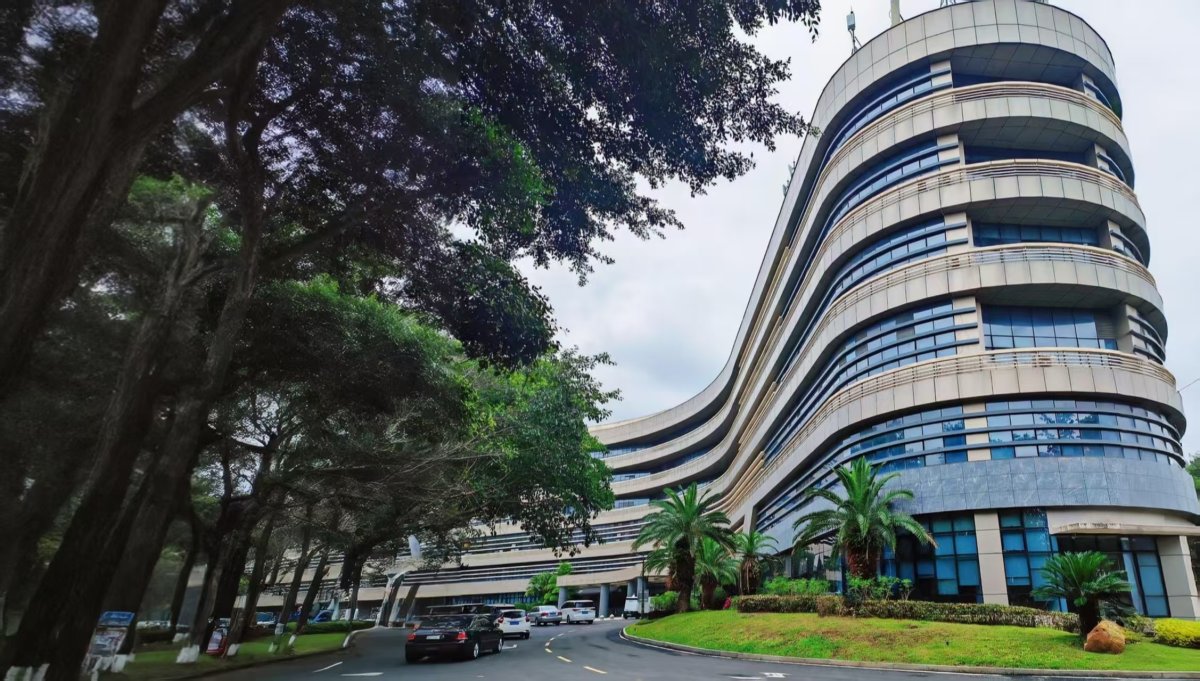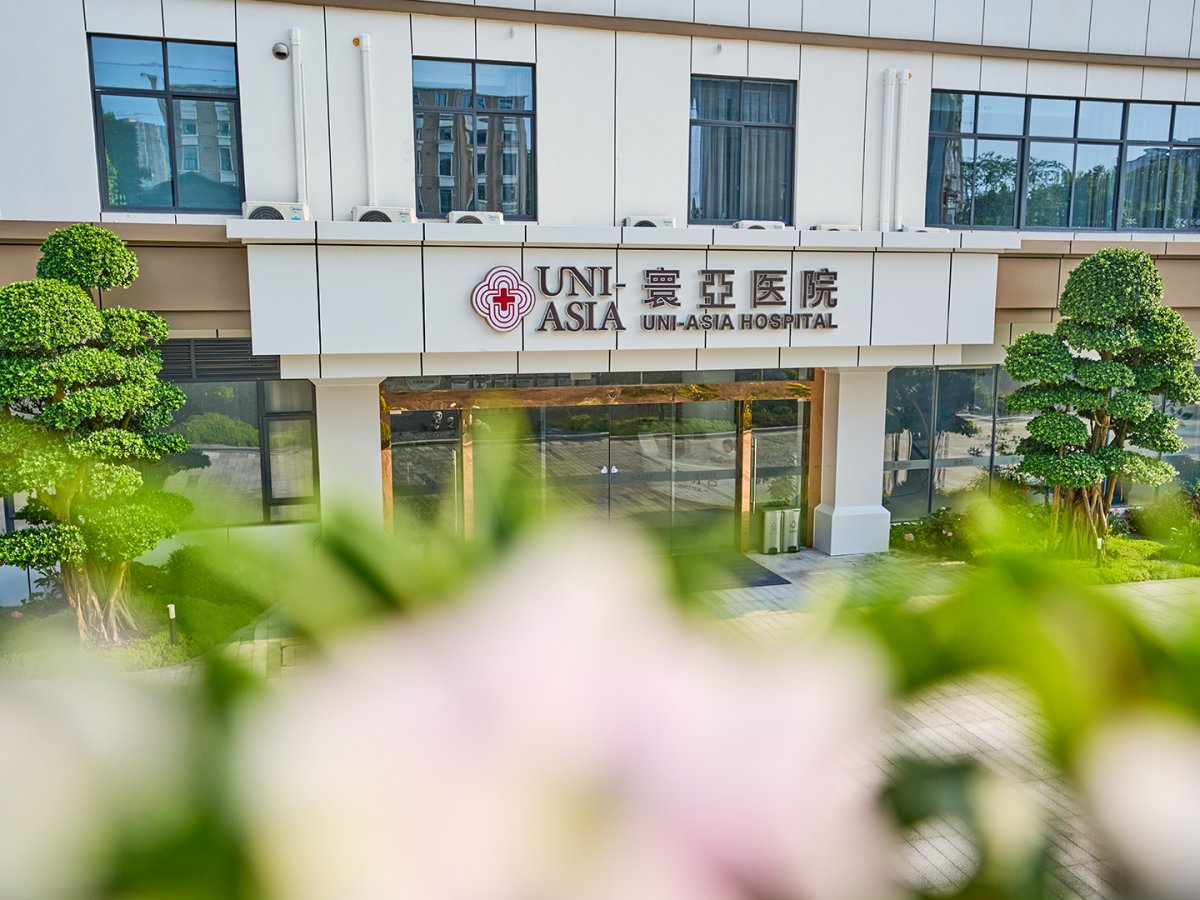
uni-asia hospital
الصين, تشنغدو


تمت مراجعة المقالة طبيا من قبل
فهد مولود
من $250. تبلغ تكلفة خيارات العلاج الأولية مثل العلاج الكيميائي لسرطان الثدي من $14,800 إلى $31,000، بينما يتراوح العلاج الإشعاعي لسرطان القولون والمستقيم من $11,500 إلى $27,500. تعتمد النفقات الإجمالية على النهج الجراحي ومستوى المستشفى، مما يوفر وفورات بنسبة 50-70% مقارنة بالولايات المتحدة. تشمل مراكز العلاج الرائدة بكين وشنغهاي وقوانغتشو.
تكاليف علاج سرطان الكبد في المرحلة الثانية النموذجية في الصين
رؤية خبراء Bookimed: يجب على المرضى الذين يبحثون عن بدائل متقدمة للعلاج الكيميائي التقليدي التفكير في المراكز المتخصصة في قوانغتشو. مستشفى فودا للسرطان (Fuda Cancer Hospital) هو منشأة معتمدة من اللجنة الدولية المشتركة (JCI) تقدم تقنيات فريدة طفيفة التوغل مثل نانو نايف (NanoKnife) والجراحة بالتبريد. عالجت هذه العيادة أكثر من 30,000 مريض دولي، وهي متخصصة في تحقيق النجاح في الحالات المتأخرة. بالنسبة لأولئك الذين يحتاجون إلى رعاية متكاملة، يقدم خبراء مثل ليويينغ (Liuying) خبرة متخصصة في الاستئصال الحراري لأورام الكبد.
| الصين | تركيا | إسبانيا | |
|---|---|---|---|
| العلاج الكيميائي لسرطان الثدي | ≈ $14,800 | من $3,000 | من $1,700 |
| العلاج الإشعاعي لسرطان القولون والمستقيم | ≈ $11,500 | من $5,000 | من $7,500 |
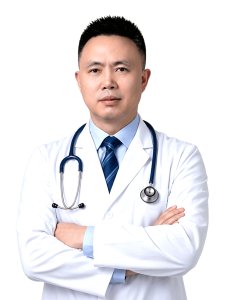
كبير الأطباء وأستاذ. خبير من الدرجة الأولى في مركز السرطان بمستشفى غرب الصين، جامعة سيتشوان (المرتبة الثانية في الصين). أنهى زمالة ما بعد الدكتوراه في الأشعة التداخلية بالمستشفى العام لجيش التحرير الشعبي الصيني. يقود رعاية فريق متعدد التخصصات (MDT) للأورام المعقدة. خبير في طب الأورام التداخلي طفيف التوغل لأورام الكبد والرئة والبنكرياس.
الاعتمادات: عضو مجلس في WATA. عضو في لجان CACA وCMDA للتدخلات، والاستئصال الحراري، والبذور المشعة، وعلاج الألم. في 2023، عضو مجلس مؤسِّس في لجنة الرعاية
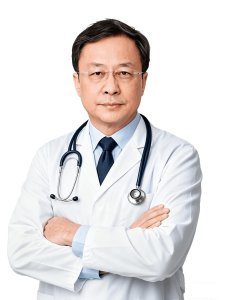
البروفيسور لوو شياوبينغ اختصاصي أشعة تداخلية معترف به على المستوى الوطني ومن أبرز الخبراء في غرب الصين. بدأ ريادة التدخلات الوعائية في أوائل التسعينيات، وأسهم في تأسيس فريق الأشعة التداخلية في المستشفى الثاني الملحق بجامعة تشونغتشينغ الطبية.
أجرى أكثر من 100 ألف إجراء تداخلي، بينها نحو 4 آلاف حالة معقدة. تشمل مهاراته الأساسية الانصمام الكيميائي عبر الشريان الكبدي (TACE) لعلاج سرطان الخلايا الكبدية، وتداخلات متلازمة بود–كياري، وإجراء TIPS، وتركيب دعامتين في مرحلة واحدة لعلاج انسداد القن
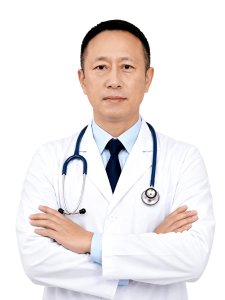
الدكتور هي ويبينغ رائد الاستئصال بالتبريد بالأرجون–الهيليوم في الصين، وله أكثر من 20 عاماً من الممارسة السريرية المباشرة. كان عضواً مؤسِّساً لمستشفى فودا للسرطان (قوانغتشو)، وشارك في تأسيس مركز علاج الأورام طفيفة التوغل فيه وتولى منصب نائب المدير التنفيذي. كما أسهم في تأسيس مجموعة الاستئصال التابعة للجمعية الصينية لمكافحة السرطان. وكان المنفّذ الرئيسي في أكثر من 10,000 إجراء.
يتخصص في الاستئصال بالتبريد للأورام، وهو متمرّس في العلاج الإشعاعي الموضعي ببذور اليود‑125، مع تركيز على سرطاني
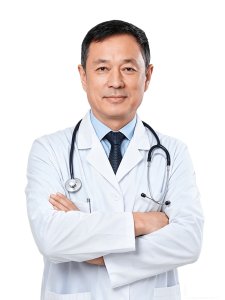
الأستاذ شياو يويونغ هو كبير الأطباء في قسم التشخيص الإشعاعي بالمستشفى العام لجيش التحرير الشعبي الصيني، وخبير بارز في طب الأورام التداخلي طفيف التوغل. يشغل منصب الرئيس المؤسس لـWATA (2025–). ويرأس الجمعية الدولية (2020–) والجمعية الآسيوية (2012–) للعلاج بالتجميد. كما أنه نائب رئيس مجموعة الخبراء بهيئة الصحة الوطنية (NHC) للوائح استئصال الأورام (2009–).
أجرى أكثر من 100,000 إجراء طفيف التوغل موجهًا بالتصوير المقطعي/الرنين المغناطيسي. يشمل عمله الاستئصال الكيميائي، والاستئصال بالترددات ا
 Anna Leonova
يُعرّف نظام سرطان الكبد الصيني (CNLC) المرحلة الثانية بأنها مستوى متوسط من سرطان الكبد. يتطلب ذلك وظائف كبد محفوظة (Child-Pugh A أو B). يجب أن يظل المرض محصوراً في الكبد. لا يوجد انتشار للأوعية الرئيسية أو العقد الليمفاوية أو الأعضاء البعيدة.
رؤية خبير Bookimed: غالبًا ما تعطي مراكز الأورام الصينية الأولوية للقدرة على الاستئصال السريري على ملصقات تصنيف TNM التقليدية. على سبيل المثال، يدير الدكتور ليويينغ في مستشفى جينشاتشو حالات تؤثر فيها وظائف الكبد على الخطة أكثر من حجم الورم. يعالج مستشفى فودا للسرطان بنجاح حالات المرحلة الثانية باستخدام الجراحة بالتبريد طفيفة التوغل. يساعد هذا النهج المرضى الذين لا يستطيعون تحمل العلاج الكيميائي القياسي أو الاستئصال الجراحي الكبير.
إجماع المرضى: يشير المرضى إلى أن ملصقات التصنيف في الصين قد تتغير بعد الجراحة أو الخزعة. ويؤكدون على أهمية التأكد مما إذا كان السرطان قابلاً للاستئصال أو يتطلب علاجات بديلة مثل TACE.
تعد الجراحة خيارًا علاجيًا أساسيًا لسرطان الكبد في المرحلة الثانية في الصين. تعطي المبادئ التوجيهية الوطنية الأولوية للاستئصال الجراحي أو الزرع للأورام الموضعية. يستخدم المتخصصون الصينيون نظام تصنيف سرطان الكبد الصيني لتحديد مدى قابلية الجراحة. يعتمد النجاح على وظائف الكبد وموقع الورم بعد إجراء فحوصات دقيقة.
رؤية خبير Bookimed: غالبًا ما تطبق مراكز الأورام الصينية معايير جراحية أكثر عدوانية من المستشفيات الغربية. تتخصص بعض المرافق في علاج السرطان في مراحل متأخرة لأكثر من 30,000 مريض دولي. تجمع هذه المراكز بانتظام بين الاستئصال والتقنيات المتخصصة مثل العلاج التداخلي الوعائي. يسمح هذا النهج للجراحين بإجراء عمليات على أورام كانت تعتبر سابقًا محفوفة بالمخاطر أو غير قابلة للجراحة.
إجماع المرضى: يشير المرضى إلى أن صحة الكبد غالبًا ما تكون أكثر أهمية من تسمية المرحلة نفسها. يؤكد الكثيرون أن رأي خبير جراح الكبد والقنوات الصفراوية حيوي قبل اتخاذ قرار ضد الجراحة.
تجمع الصين بين العلاج المناعي والعلاجات الموضعية من خلال دمج مثبطات نقاط التفتيش مع إجراءات مثل TACE أو الجراحة بالتبريد أو NanoKnife. تحول هذه الاستراتيجية متعددة الوسائط الأورام المستجيبة مناعياً إلى أورام "ساخنة" لزيادة معدلات الاستجابة. تستخدم المراكز بشكل متكرر حقن الشريان الكبدي والاستئصال لتحفيز استجابات مضادة للأورام على مستوى الجسم من خلال إطلاق المستضدات.
رؤية خبير Bookimed: نمط مميز في الصين هو الاستخدام القوي لاستراتيجيات خفض المرحلة (downstaging) لسرطان الكبد في المرحلة الثانية. تستخدم عيادات مثل مستشفى فودا للسرطان مرافق معتمدة من JCI للجمع بين العلاج التداخلي الوعائي المتخصص والعلاج المناعي. تهدف هذه التسلسلات إلى تقليص الآفات بما يكفي لإجراء جراحة علاجية بدلاً من الاعتماد فقط على الأدوية الجهازية. يركز متخصصون مثل الدكتور ليويينغ على الاستئصال بالموجات الدقيقة لتقليل عبء الورم قبل بدء دورات العلاج المناعي.
إجماع المرضى: يشير المرضى إلى أن الأطباء يعطون الأولوية لاستقرار وظائف الكبد قبل البدء بهذه المجمو
لا يمكن للطب الصيني التقليدي علاج سرطان الكبد في المرحلة الثانية بمفرده. تتطلب إزالة الأورام تدخلات حديثة مثل الاستئصال الجراحي أو الكي. تستخدم مراكز الأورام الصينية عادةً الرعاية التكامليّة، حيث تجمع بين الجراحة الغربية والتركيبات العشبية لإدارة الآثار الجانبية.
رؤية خبير Bookimed: تُظهر المراكز ذات الحجم الكبير مثل مستشفى فودا للسرطان أن النتائج الناجحة تعتمد على مناهج متعددة الوسائط. يستخدمون تقنية NanoKnife والجراحة بالتبريد إلى جانب العلاجات الداعمة لأكثر من 30,000 مريض دولي. اختيار عيادة حاصلة على اعتماد JCI يضمن أن هذه الأساليب التكاملية تلبي معايير السلامة العالمية الصارمة. هذا أمر حيوي لأن الجرعات العشبية غير الصحيحة يمكن أن تسبب سمية كبدية.
إجماع المرضى: يشير المرضى إلى أن الشعور بالتحسن بفضل الأعشاب لا يعني دائمًا أن الورم يتقلص. ويؤكدون على تتبع التقدم من خلال الأشعة المقطعية أو التصوير بالرنين المغناطيسي بدلاً من الاعتماد فقط على الراحة الجسدية.