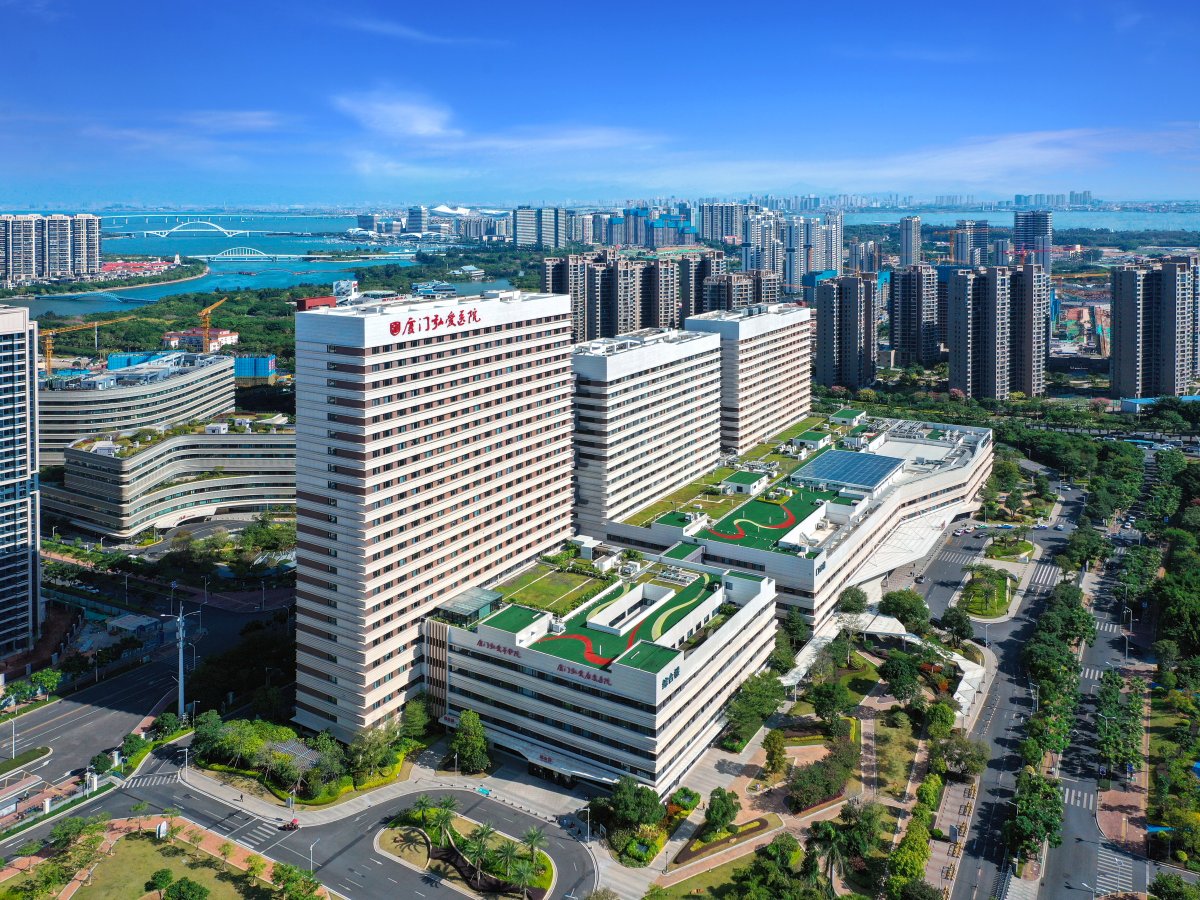
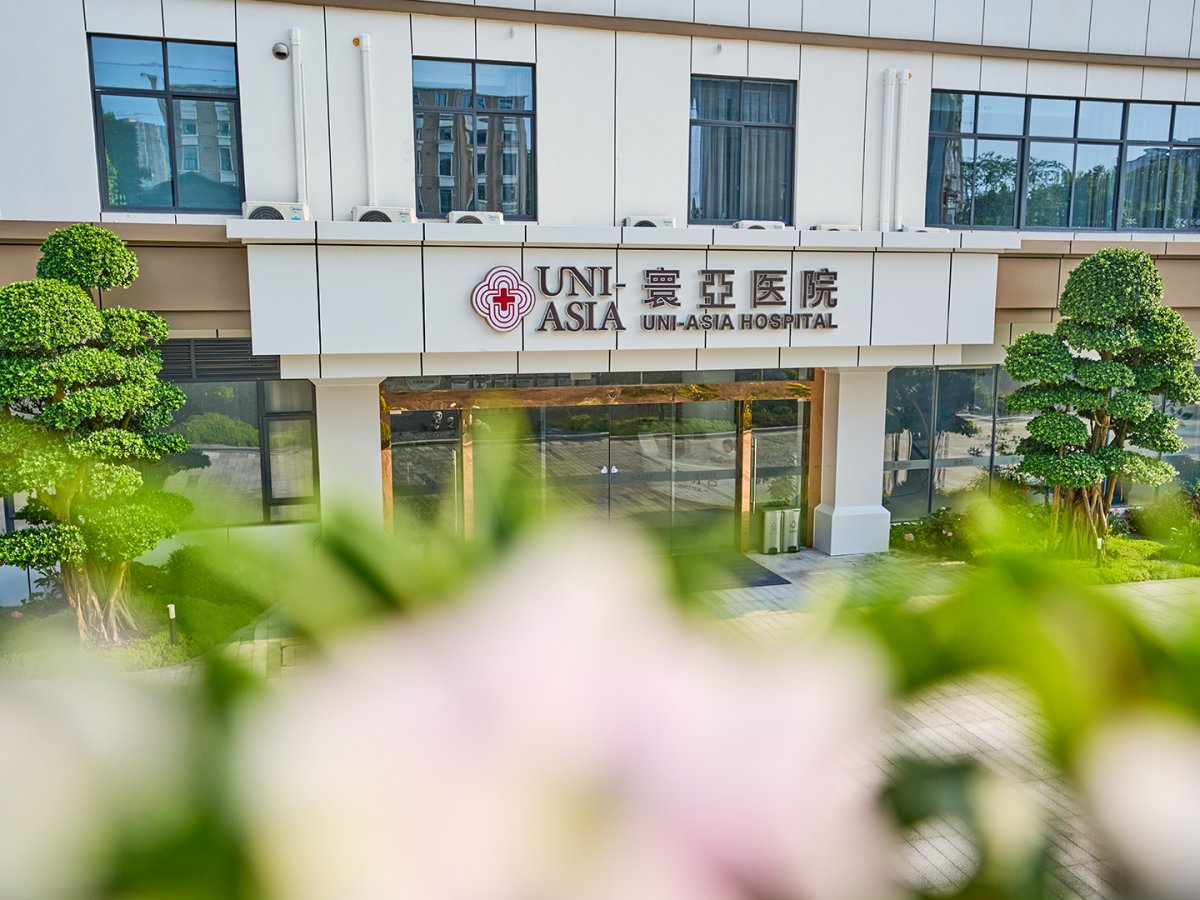
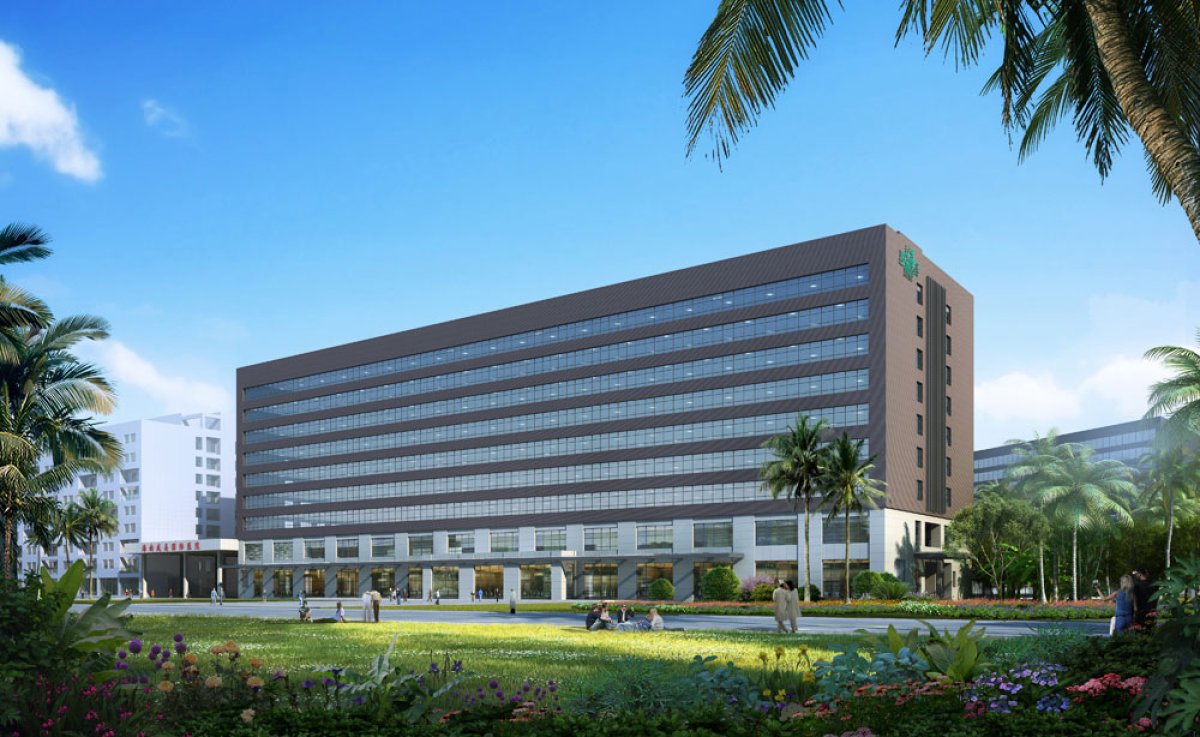
Fuda Hospital
الصين, قوانغتشو


تمت مراجعة المقالة طبيا من قبل
فهد مولود
Larynx cancer treatment cost in China typically includes diagnostics like CT of the chest, which runs السعر عند الطلب to السعر عند الطلب, and surgical interventions like a laryngectomy costing $11,000 to $18,500. Total expenses depend on the cancer stage, hospital tier, and chosen therapy approach. International patients often save approximately 75-80% compared to the United States. Guangzhou and Xiamen are the primary medical hubs for this treatment.
Typical Larynx Cancer Treatment Costs in China
Bookimed Expert Insight: Advanced stage patients seeking alternatives to traditional chemotherapy find high value in China. Fuda Cancer Hospital specializes in cryosurgery and NanoKnife technologies for late-stage cases. For those requiring precise radiation, Xiamen Humanity Hospital offers expert IMRT and SBRT protocols. This is overseen by highly decorated oncologists like Professor Liu Shi Xin. Multi-day packages at JCI-accredited centers often include surgery, diagnostics, and translation services. These facilities provide comprehensive care at a fraction of Western costs.
| الصين | تركيا | إسبانيا | |
|---|---|---|---|
| جراحة الليزر لسرطان الحنجرة | ≈ $7,500 | من $6,000 | من $8,000 |
| العلاج بالبروتون (انظر العلاج بحزم البروتون) | ≈ $28,000 | من $25,000 | من $43,300 |
| العلاج الكيميائي لسرطان الحنجرة | ≈ $4,500 | ≈ $2,800 | من $1,600 |
| العلاج الإشعاعي لسرطان الحنجرة | ≈ $14,000 | من $5,000 | من $14,000 |
| استئصال سرطان الحنجرة | ≈ $9,500 | من $10,000 | من $25,000 |
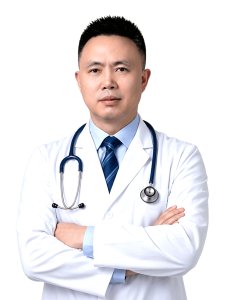
كبير الأطباء وأستاذ. خبير من الدرجة الأولى في مركز السرطان بمستشفى غرب الصين، جامعة سيتشوان (المرتبة الثانية في الصين). أنهى زمالة ما بعد الدكتوراه في الأشعة التداخلية بالمستشفى العام لجيش التحرير الشعبي الصيني. يقود رعاية فريق متعدد التخصصات (MDT) للأورام المعقدة. خبير في طب الأورام التداخلي طفيف التوغل لأورام الكبد والرئة والبنكرياس.
الاعتمادات: عضو مجلس في WATA. عضو في لجان CACA وCMDA للتدخلات، والاستئصال الحراري، والبذور المشعة، وعلاج الألم. في 2023، عضو مجلس مؤسِّس في لجنة الرعاية
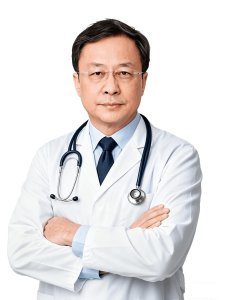
البروفيسور لوو شياوبينغ اختصاصي أشعة تداخلية معترف به على المستوى الوطني ومن أبرز الخبراء في غرب الصين. بدأ ريادة التدخلات الوعائية في أوائل التسعينيات، وأسهم في تأسيس فريق الأشعة التداخلية في المستشفى الثاني الملحق بجامعة تشونغتشينغ الطبية.
أجرى أكثر من 100 ألف إجراء تداخلي، بينها نحو 4 آلاف حالة معقدة. تشمل مهاراته الأساسية الانصمام الكيميائي عبر الشريان الكبدي (TACE) لعلاج سرطان الخلايا الكبدية، وتداخلات متلازمة بود–كياري، وإجراء TIPS، وتركيب دعامتين في مرحلة واحدة لعلاج انسداد القن
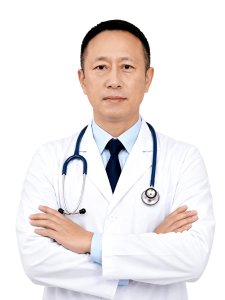
الدكتور هي ويبينغ رائد الاستئصال بالتبريد بالأرجون–الهيليوم في الصين، وله أكثر من 20 عاماً من الممارسة السريرية المباشرة. كان عضواً مؤسِّساً لمستشفى فودا للسرطان (قوانغتشو)، وشارك في تأسيس مركز علاج الأورام طفيفة التوغل فيه وتولى منصب نائب المدير التنفيذي. كما أسهم في تأسيس مجموعة الاستئصال التابعة للجمعية الصينية لمكافحة السرطان. وكان المنفّذ الرئيسي في أكثر من 10,000 إجراء.
يتخصص في الاستئصال بالتبريد للأورام، وهو متمرّس في العلاج الإشعاعي الموضعي ببذور اليود‑125، مع تركيز على سرطاني
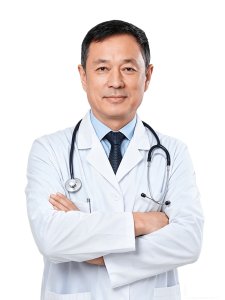
الأستاذ شياو يويونغ هو كبير الأطباء في قسم التشخيص الإشعاعي بالمستشفى العام لجيش التحرير الشعبي الصيني، وخبير بارز في طب الأورام التداخلي طفيف التوغل. يشغل منصب الرئيس المؤسس لـWATA (2025–). ويرأس الجمعية الدولية (2020–) والجمعية الآسيوية (2012–) للعلاج بالتجميد. كما أنه نائب رئيس مجموعة الخبراء بهيئة الصحة الوطنية (NHC) للوائح استئصال الأورام (2009–).
أجرى أكثر من 100,000 إجراء طفيف التوغل موجهًا بالتصوير المقطعي/الرنين المغناطيسي. يشمل عمله الاستئصال الكيميائي، والاستئصال بالترددات ا
 Anna Leonova
تستخدم المستشفيات الصينية التصوير بضيق النطاق (NBI) وتنظير الحنجرة عالي الدقة للكشف عن سرطان الحنجرة في مراحله المبكرة. ولتحديد المرحلة، تستخدم المراكز التصوير بالرنين المغناطيسي 3T، والتصوير المقطعي المحوسب ثنائي الطاقة، ومسح PET/CT. تتبع هذه البروتوكولات إرشادات الجمعية الصينية لعلم الأورام السريري (CSCO) لضمان رسم خرائط دقيقة للورم.
رؤية خبير Bookimed: تعتمد دقة التشخيص في الصين على حجم المرضى الكبير في المراكز المتخصصة. يخدم مستشفى شيامن الإنساني حوالي 1,000,000 مريض سنويًا. يسمح هذا النطاق الهائل للمتخصصين مثل الدكتور ليو شي شين بتحسين دقة تحديد المرحلة. غالبًا ما تدمج المراكز الكبرى تصوير PET/CT والرنين المغناطيسي المتقدم للحالات المعقدة قبل تحديد ما إذا كانت جراحة الحفاظ على الصوت ممكنة.
إجماع المرضى: يشير المرضى إلى أن تنظير الحنجرة المرن عبر الأنف هو عادة الخطوة الأولى. ويؤكدون أنه على الرغم من فائدة الفحوصات، فإن تنظير الحنجرة المباشر تحت التخدير أمر حيوي لرسم الخرائط والخزعة.
يعد الحفاظ على الحنجرة معياراً في الصين من خلال تقنيات جراحية متقدمة. تستخدم المرافق الرائدة استئصال الحنجرة الجزئي وجراحة الليزر عبر الفم لإزالة الأورام مع حماية القدرة على الكلام. كما تقوم فرق متخصصة للغاية بإجراء عمليات زراعة الحنجرة وإعادة البناء الجزئي. تعطي هذه الطرق الأولوية للحفاظ على وظائف التنفس والبلع الطبيعية.
رؤية خبير Bookimed: يؤثر حجم المرضى بشكل كبير على الدقة الجراحية في الصين. يخدم مستشفى شيامن الإنساني (Xiamen Humanity Hospital) حوالي 1,000,000 مريض سنوياً. غالباً ما تمتلك المراكز ذات الحجم الكبير خبرة أكبر في عمليات إعادة بناء الرأس والرقبة المعقدة. تركز المرافق المعتمدة من اللجنة الدولية المشتركة (JCI) مثل مستشفى فودا للسرطان (Fuda Cancer Hospital) على بدائل طفيفة التوغل للجراحة الجذرية. يساعد هذا العدد الكبير من الحالات الجراحين على صقل تقنيات الحفاظ على الأعضاء التي قد لا تتقنها العيادات الصغيرة.
إجماع المرضى: يؤكد المرضى أن الحفاظ على الحنجرة ممكن ولكنه غالباً ما يؤدي إلى صوت أضعف أو أجش.
العلاج بحزمة البروتونات متاح وآمن سريريًا لسرطان الحنجرة في مراكز الأورام الصينية المتخصصة. يستهدف هذا الإشعاع المتقدم الأورام بدقة متناهية باستخدام تأثير ذروة براج (Bragg Peak). يتوقف الإشعاع عند عمق محدد، مما يمنع خروجه عبر أنسجة الحلق السليمة أو الأحبال الصوتية.
رؤية خبير Bookimed: القيادة المهنية هي مؤشر الجودة الأكثر موثوقية في الصين. يرأس مستشفى شيامن الإنساني (Xiamen Humanity Hospital) الدكتور ليو شي شين، وهو نائب رئيس لجنة العلاج بالجسيمات في الصين. يؤكد هذا أن العيادة تعمل على أعلى مستوى وطني لعلاجات البروتونات والجسيمات. غالبًا ما يفوق هذا التكامل السريري مجرد وجود التكنولوجيا نفسها.
إجماع المرضى: يؤكد المرضى أن الحفاظ على الصوت والتغذية هما أولوياتهم القصوى. يوصي الكثيرون بالسؤال عن كيفية تحسين العلاج بالبروتونات لخطة العلاج التشريحية الخاصة بهم مقارنة بـ IMRT القياسي قبل البدء.
تتضمن إعادة تأهيل الصوت بعد استئصال الحنجرة الكلي بشكل أساسي ثلاثة خيارات: الثقب الرغامي المريئي (TEP)، أو الحنجرة الإلكترونية، أو الكلام المريئي. يعتبر الثقب الرغامي المريئي مع طرف اصطناعي للصوت هو المعيار الذهبي للحصول على صوت طبيعي. يعتمد النجاح على التشريح، والشفاء، والوصول إلى أخصائيي أمراض النطق واللغة المتخصصين.
رؤية خبير Bookimed: بينما يوفر الثقب الرغامي المريئي أكثر الكلام طبيعية، تركز مراكز مثل مستشفى شيامن الإنساني (Xiamen Humanity Hospital) على الأورام المتكاملة. غالبًا ما تتمتع المرافق الكبيرة التي تخدم 1,000,000 مريض سنويًا بوصول أكبر إلى فرق متعددة التخصصات. من الضروري مراجعة ما إذا كان المركز يقدم خيارات طفيفة التوغل مثل الجراحة بالتبريد أو NanoKnife. تشير هذه التقنيات في مستشفى فودا للسرطان (Fuda Cancer Hospital) إلى التركيز على الحفاظ على الأنسجة مما يساعد في التعافي.
إجماع المرضى: يشير المرضى إلى أن الحنجرة الإلكترونية هي دعم حيوي خلال فترة التعافي المبكرة المحبطة. يؤكد الكثيرون أن إتقان العناية بالصوت، بما في ذلك تنظيف الطر
العلاج المناعي معتمد ومتاح لسرطان الحنجرة في الصين. وقد أجازت الإدارة الوطنية للمنتجات الطبية (NMPA) العديد من مثبطات نقاط التفتيش المناعية. تستهدف هذه العلاجات سرطان الخلايا الحرشفية في الرأس والرقبة المتكرر أو النقيلي. يشمل هذا التصنيف سرطانات الخلايا الحرشفية في الحنجرة.
رؤية خبير Bookimed: أصبحت الصين رائدة عالمياً في تطوير أدوية PD-1 المحلية. حتى أن عيادات مثل مستشفى شيامن الإنساني معتمدة لتجارب الأدوية السريرية من المرحلة الأولى إلى الرابعة. وهذا يعني أن المرضى غالباً ما يحصلون على أحدث بروتوكولات العلاج المناعي من خلال التجارب السريرية أو الأدوية المحلية المتاحة مبكراً. غالباً ما تكلف هذه الأدوية المحلية ما يصل إلى 85% أقل من العلامات التجارية الدولية، بما في ذلك نيفولوماب.
إجماع المرضى: يشير المرضى إلى أن العلاج المناعي غالباً ما يدخل في المحادثة بسرعة بمجرد استنفاد خيارات الجراحة أو الإشعاع. ويؤكدون على أهمية زيارة المراكز الرئيسية مثل قوانغتشو أو بكين للعثور على أطباء أ