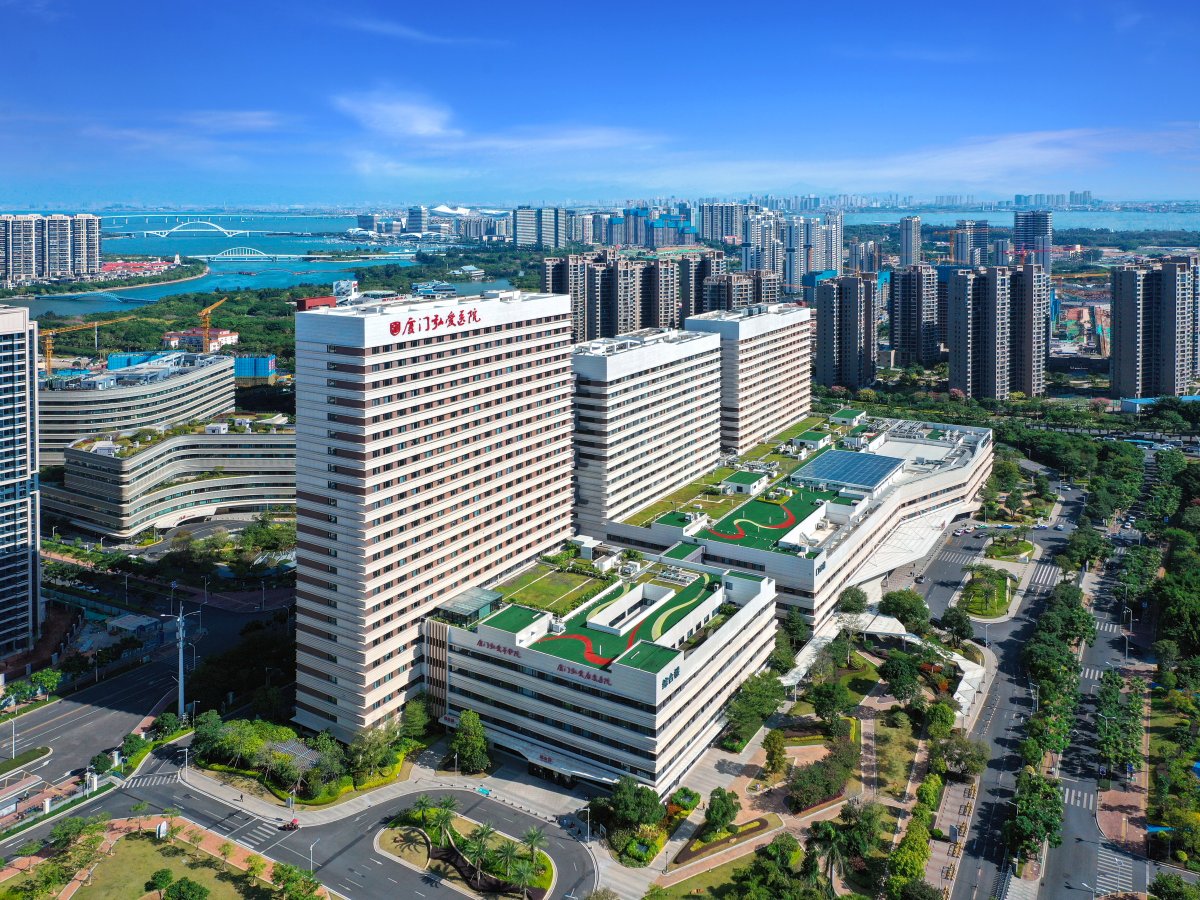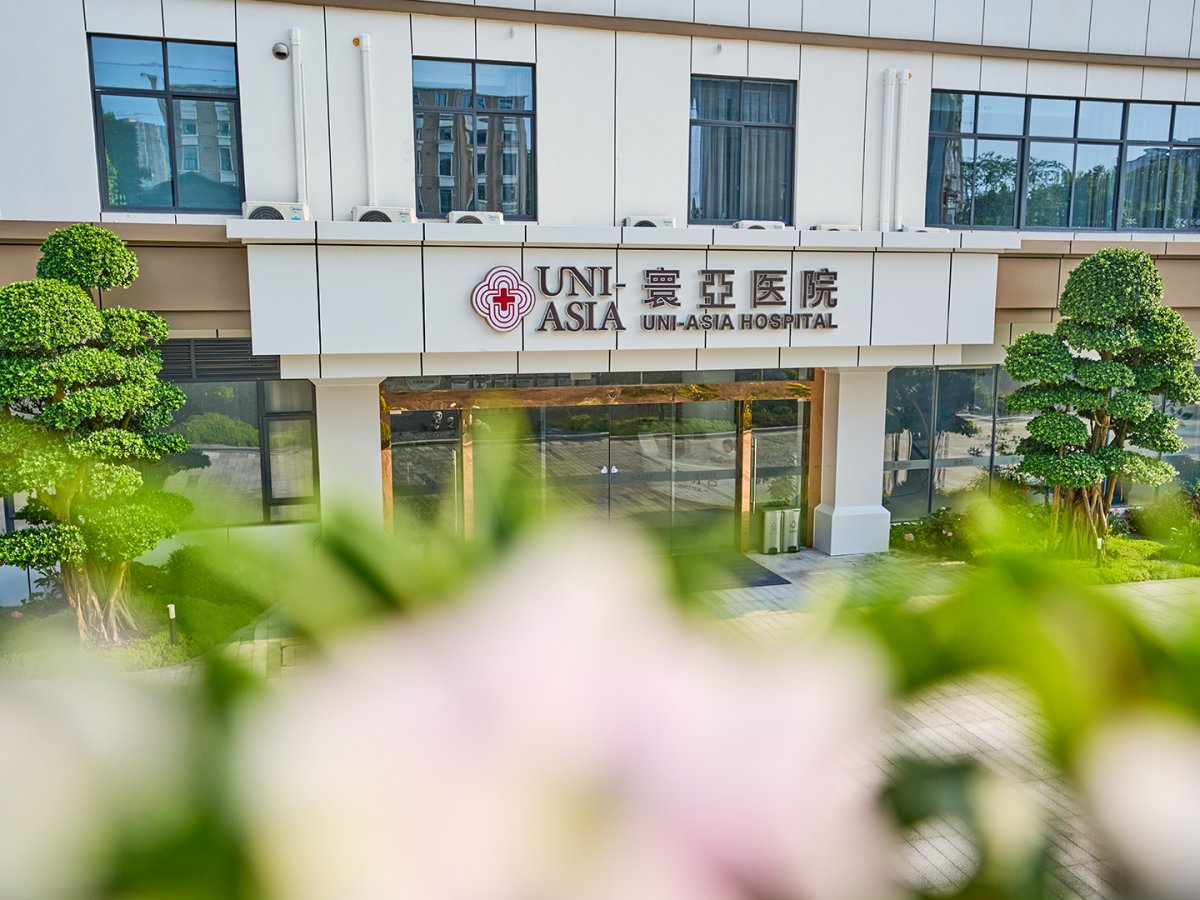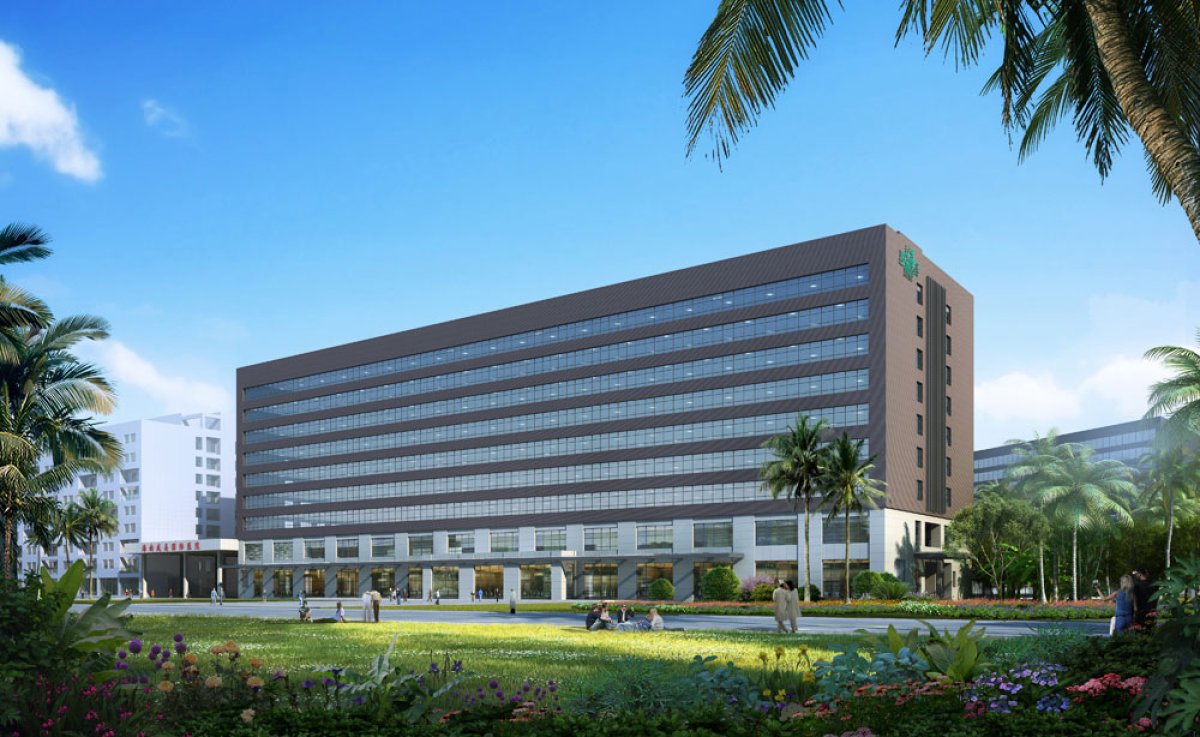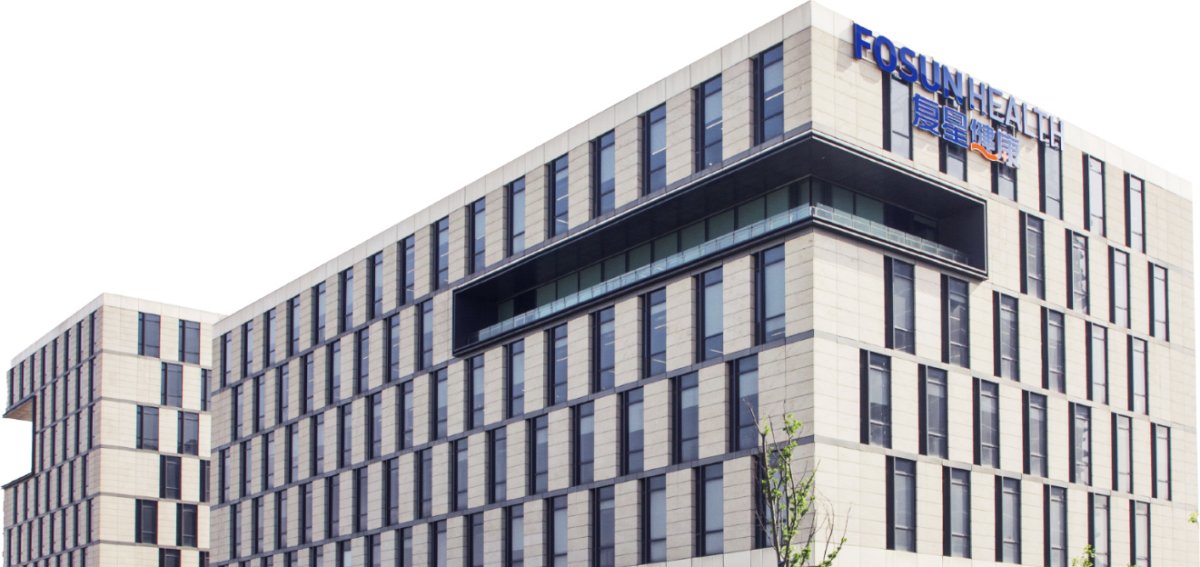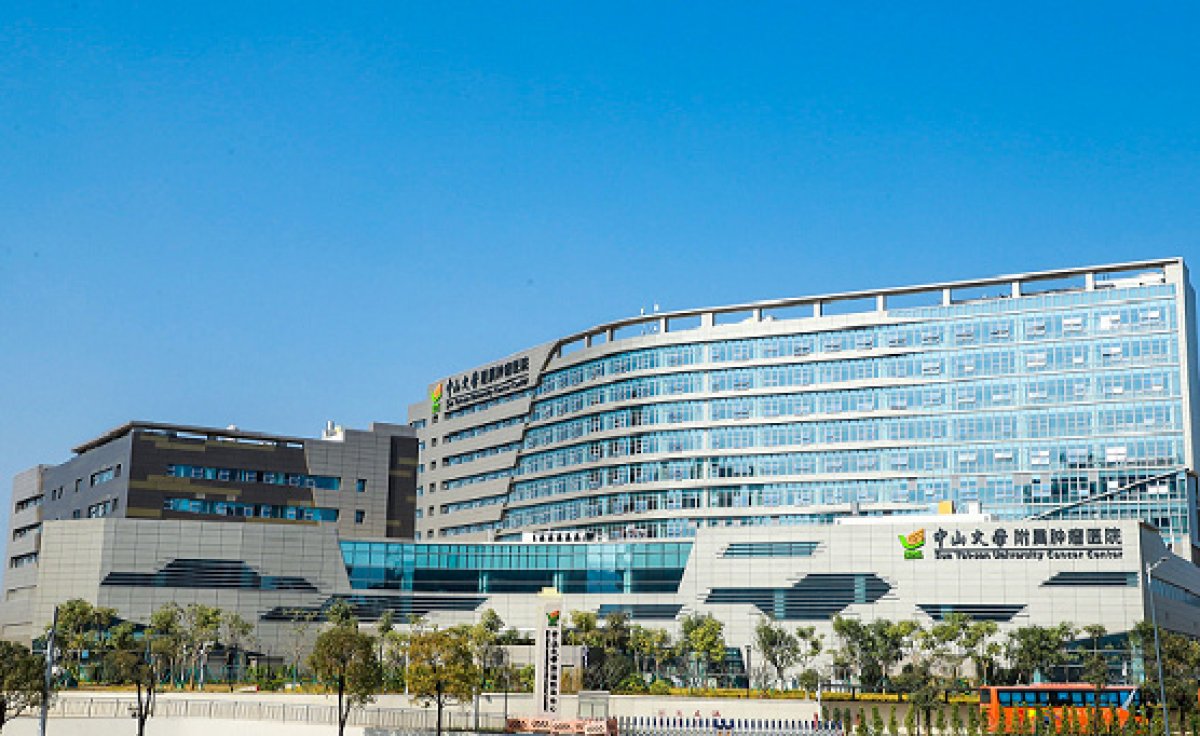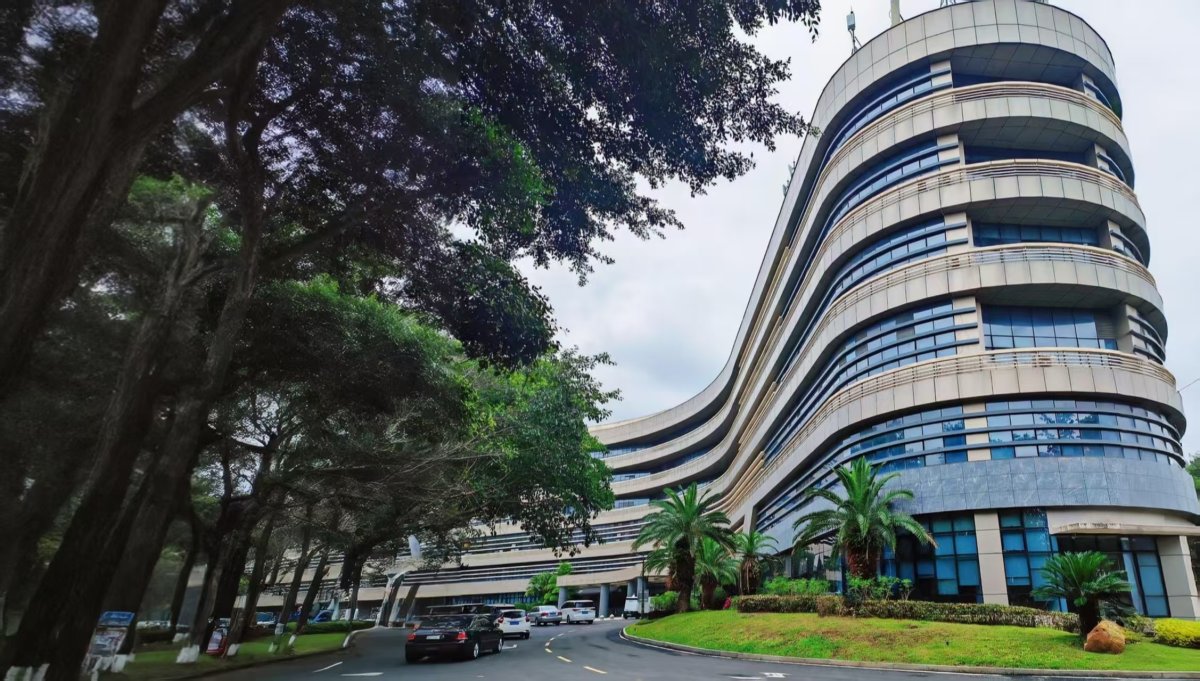
Boao International Medical Center
الصين, تشيونغهاي


تمت مراجعة المقالة طبيا من قبل
فهد مولود
تتضمن تكلفة علاج سرطان الدماغ في الصين عادةً التشخيصات الأساسية مثل التصوير بالرنين المغناطيسي للدماغ مع التباين، والتي تتراوح تكلفتها من السعر عند الطلب إلى السعر عند الطلب. من $7,000. تعتمد النفقات الإجمالية على مرحلة الورم ومستوى العيادة. وغالباً ما يحقق المرضى وفورات تتراوح بين 85-89% مقارنة بالولايات المتحدة. وتعد بكين، وقوانغتشو، وشيامن من أهم الوجهات للرعاية العصبية.
تكاليف علاج سرطان الدماغ النموذجية في الصين
رؤية خبراء Bookimed: يستفيد المرضى الذين يحتاجون إلى علاج إشعاعي متقدم من المراكز المتخصصة في تقنيات عالية الدقة. يوفر مستشفى شيامن هيومانيتي (Xiamen Humanity Hospital) إمكانية الوصول إلى كبار المتخصصين مثل البروفيسور ليو شي شين، الخبير في تقنيات VMAT وSBRT. يدير هذا المستشفى التعليمي أكثر من 1,000,000 مريض سنوياً ويوفر إمكانية الوصول إلى التجارب الدوائية. كما توفر مراكز الأورام الكبيرة في قوانغتشو فرقاً متعددة التخصصات لاستئصال الأورام المعقدة بأسعار تنافسية.
| الصين | تركيا | إسبانيا | |
|---|---|---|---|
| سايبر نايف CyberKnife | من $7,000 | من $4,900 | من $14,800 |
| حج القحف | ≈ $9,500 | من $8,900 | من $32,400 |
| جراحة التجسيمي | ≈ $7,500 | من $6,400 | من $18,100 |
| المعالجة المقطعية | ≈ $7,500 | من $6,700 | ≈ $7,500 |
| العلاج بالبروتون (انظر العلاج بحزم البروتون) | ≈ $28,000 | من $25,000 | من $43,300 |
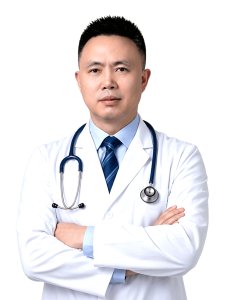
كبير الأطباء وأستاذ. خبير من الدرجة الأولى في مركز السرطان بمستشفى غرب الصين، جامعة سيتشوان (المرتبة الثانية في الصين). أنهى زمالة ما بعد الدكتوراه في الأشعة التداخلية بالمستشفى العام لجيش التحرير الشعبي الصيني. يقود رعاية فريق متعدد التخصصات (MDT) للأورام المعقدة. خبير في طب الأورام التداخلي طفيف التوغل لأورام الكبد والرئة والبنكرياس.
الاعتمادات: عضو مجلس في WATA. عضو في لجان CACA وCMDA للتدخلات، والاستئصال الحراري، والبذور المشعة، وعلاج الألم. في 2023، عضو مجلس مؤسِّس في لجنة الرعاية
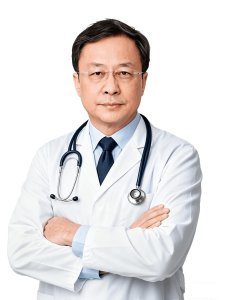
البروفيسور لوو شياوبينغ اختصاصي أشعة تداخلية معترف به على المستوى الوطني ومن أبرز الخبراء في غرب الصين. بدأ ريادة التدخلات الوعائية في أوائل التسعينيات، وأسهم في تأسيس فريق الأشعة التداخلية في المستشفى الثاني الملحق بجامعة تشونغتشينغ الطبية.
أجرى أكثر من 100 ألف إجراء تداخلي، بينها نحو 4 آلاف حالة معقدة. تشمل مهاراته الأساسية الانصمام الكيميائي عبر الشريان الكبدي (TACE) لعلاج سرطان الخلايا الكبدية، وتداخلات متلازمة بود–كياري، وإجراء TIPS، وتركيب دعامتين في مرحلة واحدة لعلاج انسداد القن
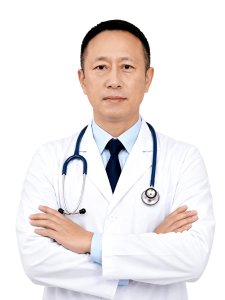
الدكتور هي ويبينغ رائد الاستئصال بالتبريد بالأرجون–الهيليوم في الصين، وله أكثر من 20 عاماً من الممارسة السريرية المباشرة. كان عضواً مؤسِّساً لمستشفى فودا للسرطان (قوانغتشو)، وشارك في تأسيس مركز علاج الأورام طفيفة التوغل فيه وتولى منصب نائب المدير التنفيذي. كما أسهم في تأسيس مجموعة الاستئصال التابعة للجمعية الصينية لمكافحة السرطان. وكان المنفّذ الرئيسي في أكثر من 10,000 إجراء.
يتخصص في الاستئصال بالتبريد للأورام، وهو متمرّس في العلاج الإشعاعي الموضعي ببذور اليود‑125، مع تركيز على سرطاني
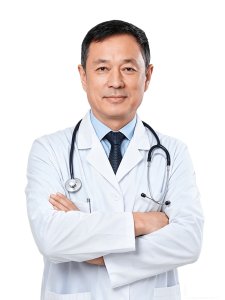
الأستاذ شياو يويونغ هو كبير الأطباء في قسم التشخيص الإشعاعي بالمستشفى العام لجيش التحرير الشعبي الصيني، وخبير بارز في طب الأورام التداخلي طفيف التوغل. يشغل منصب الرئيس المؤسس لـWATA (2025–). ويرأس الجمعية الدولية (2020–) والجمعية الآسيوية (2012–) للعلاج بالتجميد. كما أنه نائب رئيس مجموعة الخبراء بهيئة الصحة الوطنية (NHC) للوائح استئصال الأورام (2009–).
أجرى أكثر من 100,000 إجراء طفيف التوغل موجهًا بالتصوير المقطعي/الرنين المغناطيسي. يشمل عمله الاستئصال الكيميائي، والاستئصال بالترددات ا

كتب بواسطة Veronika Kazina

كتب بواسطة Veronika Kazina

كتب بواسطة Veronika Kazina

كتب بواسطة Veronika Kazina

كتب بواسطة Veronika Kazina
 Anna Leonova
تقدم الصين علاجات إشعاعية متقدمة لأورام الدماغ مثل علاج التقاط النيوترون بالبورون (BNCT) والعلاج بالبروتونات المطور محلياً. توفر هذه العلاجات دقة دون مليمتر للحالات المعقدة. تستخدم مرافق مثل مستشفى جينشاتشو أنظمة CyberKnife M6 لعلاج الأورام الدبقية العدوانية بشكل غير جراحي.
رؤية خبير Bookimed: بينما تقدم العديد من الدول إشعاعاً قياسياً، أصبحت الصين مركزاً للرعاية المتخصصة ذات الحجم الكبير. يخدم مستشفى شيامن الإنساني وحده 1,000,000 مريض سنوياً. تظهر بياناتنا أن المراكز المتخصصة مثل مستشفى جينشاتشو تقدم باقات CyberKnife M6 مقابل حوالي 7,850 دولاراً. غالباً ما يشمل هذا السعر التنقلات والاستشارات، مما يجعل التكنولوجيا المتقدمة أكثر سهولة في الوصول إليها مقارنة بالدول الغربية.
إجماع المرضى: يشير المرضى إلى أن خبرة المركز في الحالات الخاصة بالدماغ أكثر أهمية من مجرد امتلاك آلات جديدة. يؤكد الكثيرون على أهمية التأكد مما إذا كان المركز يستخدم أنظمة بدون إطار أو قائمة على إطار قبل السفر.
حقق الباحثون السريريون الصينيون اختراقات في علاج الورم الأرومي الدبقي عن طريق تجاوز الحاجز الدموي الدماغي باستخدام خزانات أومايا والموجات فوق الصوتية المركزة. تستهدف خلايا CAR-T ثنائية النوعية المتقدمة الآن مستضدات متعددة في وقت واحد. أدت هذه الابتكارات إلى خفض معدلات هروب الورم بنحو 60% في التجارب السريرية.
رؤية خبير Bookimed: تعد الصين مركزاً استراتيجياً لطب الأورام العصبية التجريبي لأن مؤسسات مثل مستشفى شيامن الإنساني معتمدة خصيصاً للتجارب السريرية من المرحلة الأولى إلى الرابعة. بينما تركز المراكز الغربية على علاجات CAR-T التجارية، تدير المرافق الصينية ما بين 300 إلى 700 حالة ورم أرومي دبقي سنوياً. يسمح هذا الحجم الهائل من المرضى لأطباء مثل الدكتور ليو شي شين بتحسين بروتوكولات الدقة بشكل أسرع من العيادات الدولية الأصغر.
إجماع المرضى: يشير المرضى إلى أن التوصيل المباشر للدماغ أكثر واعدة من الطرق الوريدية، لكنهم يحذرون من أن العلاج المناعي يمكن أن يسبب تورم الدماغ. يؤكد الكثيرون على أهمية التحقق من المستضد المستهدف المحدد ودعم طب الأورام العصبية في المستشفى قبل
يتبع علاج الخط الأول القياسي لأورام المخ الخبيثة في الصين بروتوكول ستوب (Stupp) المعترف به دولياً. يشمل هذا النهج متعدد الوسائط الاستئصال الجراحي الآمن إلى أقصى حد، يليه العلاج الكيميائي الإشعاعي المتزامن وعلاج الصيانة باستخدام تيموزولوميد. تستخدم المراكز الصينية المتخصصة تقنيات الملاحة المتقدمة والتصوير أثناء الجراحة لزيادة إزالة الورم مع الحفاظ على الوظائف العصبية.
رؤية خبير Bookimed: على الرغم من اتساق البروتوكولات القياسية، فإن الحجم السريري في المستشفيات الصينية المتخصصة يعد عاملاً مميزاً مهماً. يخدم مستشفى شيامن الإنساني 1,000,000 مريض سنوياً. غالباً ما يترجم هذا الحجم الكبير إلى كفاءة جراحية أكبر في عمليات تقليل حجم الأورام المعقدة. بالإضافة إلى ذلك، قد تكلف باقات العلاج الإشعاعي المتخصصة، مثل تلك التي يشرف عليها الدكتور تشانغ يانجون، حوالي 7,900 دولار (56,000 يوان صيني) وغالباً ما تشمل الأدوية والتنقلات في السعر الأساسي.
إجماع المرضى: يشير المرضى إلى أن الوصول إلى مركز متخصص ذي حجم كبير أمر حيوي لجراحة الأعصاب المتخصصة. وغالبا
تختلف الجودة الجراحية في الصين بشكل كبير عبر المراكز الإقليمية. تتركز الموارد الطبية النخبوية وكبار الجراحين في المدن الكبرى مثل بكين وشانغهاي وقوانغتشو. يضمن اختيار مركز وطني معتمد من الفئة 3A الوصول إلى تكنولوجيا متخصصة في سرطان الدماغ وخبرة جراحية عصبية عالية الحجم.
رؤية خبير Bookimed: تظهر البيانات أن تصنيف المستشفى أكثر أهمية من حجم المدينة وحدها. على سبيل المثال، يقدم مستشفى جينشاتشو التابع لجامعة قوانغتشو للطب الصيني تقنية CyberKnife M6 الموجهة خصيصًا لأورام الدماغ. وفي الوقت نفسه، يخدم مستشفى شيامن الإنساني 1,000,000 مريض سنويًا ويحمل أوراق اعتماد لتجارب الأدوية المتقدمة. يوضح هذا أن البحث عن مراكز ذات برامج متخصصة في طب الأورام العصبي في مدن المستوى الأول أو المدن الإقليمية القوية يوفر أعلى مستويات الأمان.
إجماع المرضى: يشير المرضى إلى أنه من المهم اختيار جراح بناءً على خبرته في أنواع معينة من الأورام مثل الأورام الدبقية. يوصي الكثيرون بالسفر إلى المراكز ذات المستوى الوطني للحصول على تشخيص مرضي موثوق والوصول إلى مجالس الأورا
يبدأ المرضى الدوليون عادةً علاج سرطان الدماغ في الصين في غضون 3 إلى 14 يومًا بعد مراجعة الملف الطبي. تستغرق التقييمات التشخيصية من 5 إلى 10 أيام. يتطلب التعافي الجراحي من أسبوعين إلى 4 أسابيع. قد تؤدي علاجات الإشعاع المتقدمة مثل CyberKnife أو العلاج بحزمة البروتون إلى تمديد الإقامة لعدة أشهر.
رؤية خبير Bookimed: تُظهر البيانات أن المراكز الثالثية الكبيرة مثل مستشفى Xiamen Humanity تدير أكثر من 1,000,000 مريض سنويًا. غالبًا ما يؤدي هذا الحجم الهائل إلى تبسيط مسارات التشخيص. ومع ذلك، يجب على المرضى ملاحظة أنه على الرغم من أن باقات CyberKnife قد تغطي الأدوية والتنقلات، إلا أنها غالبًا ما تستثني الإقامة في الفنادق. تحقق دائمًا مما إذا كانت باقتك المحددة تتضمن 5 إلى 7 أيام من الإقامة المحلية اللازمة للمراقبة بعد الإجراء.
إجماع المرضى: يؤكد المرضى أن العملية لا تبدأ حقًا إلا بمجرد تلقي المستشفى صورًا رقمية عالية الجودة. يوصي الكثيرون بالسفر مع مقدم رعاية للمساعدة في التعامل مع التواصل والاحتياجات بعد الجراحة خلال الأسابيع العديدة
يعمل الطب الصيني التقليدي (TCM) كعلاج داعم إلى جانب جراحة الأعصاب والعلاج الكيميائي والعلاج الإشعاعي لرعاية سرطان الدماغ. ويركز على تقليل الآثار الجانبية العصبية وتقوية المناعة. يستخدم الخبراء بصرامة نماذج تكاملية لإدارة الضغط داخل الجمجمة وتجنب التفاعلات الخطيرة بين الأعشاب والأدوية.
رؤية خبير Bookimed: غالبًا ما يدمج التكامل السريري في الصين الطب الصيني التقليدي مع تقنيات متقدمة مثل نظام CyberKnife M6. يوضح مستشفى جينشاتشو التابع لجامعة قوانغتشو للطب الصيني ذلك من خلال الجمع بين الجراحة الإشعاعية عالية الدقة ومجموعات الإشعاع الأورامي المتخصصة. يضمن هذا النهج الهجين أنه بينما تستهدف الأنظمة الحديثة الورم، تركز بروتوكولات الطب الصيني التقليدي على الحفاظ على القدرة البدنية للمريض لإكمال مسار العلاج الكامل.
إجماع المرضى: يشير المرضى إلى أن الطب الصيني التقليدي يكون أكثر فعالية عندما يتم إدارته من قبل فرق مستشفيات مرخصة بدلاً من العيادات الخاصة. ويؤكدون أنه على الرغم من أن الأعشاب تساعد في الشهية والن
توفر المستشفيات الصينية الكبرى دعمًا لغويًا للمرضى الذين لا يتحدثون الصينية من خلال أقسام طبية دولية مخصصة. تتميز هذه المراكز بوجود موظفين ثنائيي اللغة ومنسقين للمساعدة في التواصل. تخدم مرافق مثل مستشفى شيامن الإنساني (Xiamen Humanity Hospital) مجموعات متنوعة من المرضى الدوليين من أوروبا وآسيا باستخدام بروتوكولات ترجمة متخصصة.
رؤية خبير Bookimed: بينما توفر مستشفيات الدرجة 3A من المستوى الأول دعمًا باللغة الإنجليزية، غالبًا ما تتضمن الحزمة المتخصصة مثل علاج CyberKnife في قوانغتشو مقابل 7800 دولار تنسيقًا شخصيًا. تظهر بياناتنا أن المراكز ذات الحجم الكبير مثل مستشفى شيامن الإنساني، التي تعالج أكثر من 1,000,000 مريض سنويًا، تعتمد على أجنحة دولية منظمة للحفاظ على السلامة أثناء التجارب الدوائية المعقدة وجراحات الأعصاب. يجب على المرضى التأكد من أن حزمتهم المحددة تغطي صراحةً عمليات النقل والتنسيق الطبي لسد فجوات التواصل المحتملة خارج المناطق السريرية.
إجماع المرضى: يؤكد المرضى أن وجود مرافق ثنائي اللغة أو مترجم رسمي هو ا