عيادات طب الأورام في المكسيك

تمت مراجعة المقالة طبيا من قبل
Yesim Yildirim
ما هي تكلفة طب الأورام في المكسيك؟ اكتشف الآن
تتراوح تكلفة علاج الأورام في المكسيك عادةً ما بين $10,500 و $22,500. تعتمد النفقات الإجمالية على نوع السرطان، ومرحلة المرض، والبروتوكولات العلاجية المحددة المطلوبة، مثل العلاج المناعي المخصص أو الجراحة المتقدمة. عادةً ما يوفر المرضى ما بين 40-70% مقارنة بتكاليف العلاجات المماثلة في الولايات المتحدة.
تكاليف علاج الأورام النموذجية في المكسيك
- استشارة طبيب أورام: السعر عند الطلب
- التصوير المقطعي بالإصدار البوزيتروني (PET/CT): $1,100 – $1,800
- خزعة: السعر عند الطلب
- العلاج المناعي: السعر عند الطلب
- العلاج الكيميائي: $2,500 – $5,000
- العلاج الإشعاعي: السعر عند الطلب
- سايبر نايف (CyberKnife): السعر عند الطلب
- زراعة نخاع العظم: السعر عند الطلب
- استئصال الرحم: السعر عند الطلب
- الاستئصال بالترددات الراديوية: السعر عند الطلب
تشمل المراكز الطبية الرئيسية لعلاج الأورام مدينة مكسيكو، وتيخوانا، ومونتيري، وغوادالاخارا. وفي حين أن مدينة مكسيكو غالباً ما تتميز بأعلى الأسعار نظراً لتركز العيادات المتخصصة فيها، فقد تقدم المدن الحدودية مثل تيخوانا هياكل تسعير مختلفة. استشر أخصائياً للحصول على تسعير دقيق لحالتك.
| المكسيك | تركيا | إسبانيا | |
|---|---|---|---|
| العلاج الكيميائي | ≈ $2,500 | من $1,800 | من $2,200 |
| العلاج الإشعاعي الموضعي | ≈ $5,500 | من $6,500 | من $8,100 |
| استئصال سرطان الكبد | من $20,000 | من $12,000 | من $24,000 |
| استئصال سرطان القولون | من $25,000 | من $7,500 | من $20,800 |
| استئصال الكلية بالمنظار | ≈ $12,000 | من $8,000 | من $14,000 |
جميع أمراض طب الأورام
مزاياك وضماناتك مع Bookimed
أسعار مباشرة
Bookimed لا يضيف رسوماً إضافية على أسعار علاج طب الأورام. الأسعار مأخوذة من قوائم الأسعار الرسمية للعيادات. تدفع مباشرة في العيادة مقابل علاجك عند وصولك إلى البلد.
عيادات وأطباء معتمدون فقط
Bookimed ملتزم بسلامتك. نحن نعمل فقط مع المؤسسات الطبية التي تحافظ على معايير دولية عالية في علاج طب الأورام ولديها التراخيص اللازمة لخدمة المرضى الدوليين في جميع أنحاء العالم.
مساعدة مجانية على مدار الساعة
Bookimed يقدم مساعدة خبراء مجانية. منسق طبي شخصي يدعمك قبل وأثناء وبعد العلاج، ويحل أي مشاكل. لن تكون وحيداً أبداً في رحلة علاج طب الأورام.

منسقك الطبي الشخصي في Bookimed
- يدعمك في كل مرحلة
- المساعدة في اختيار العيادة الطبية المناسبة والطبيب المناسب
- يضمن الوصول السريع والمريح إلى المعلومات
اكتشف أفضل عيادات طب الأورام: 39 خيارات معتمدة والأسعار


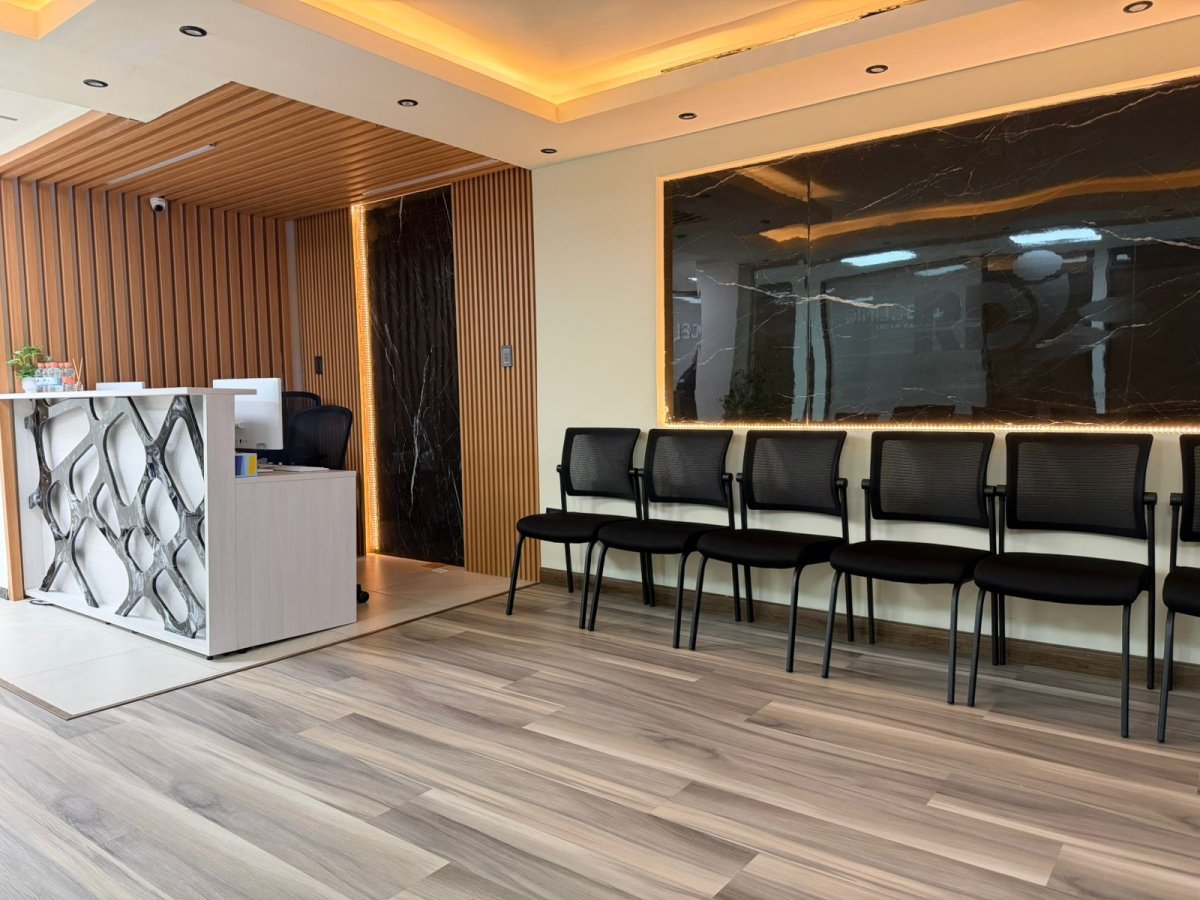
CellsClinic
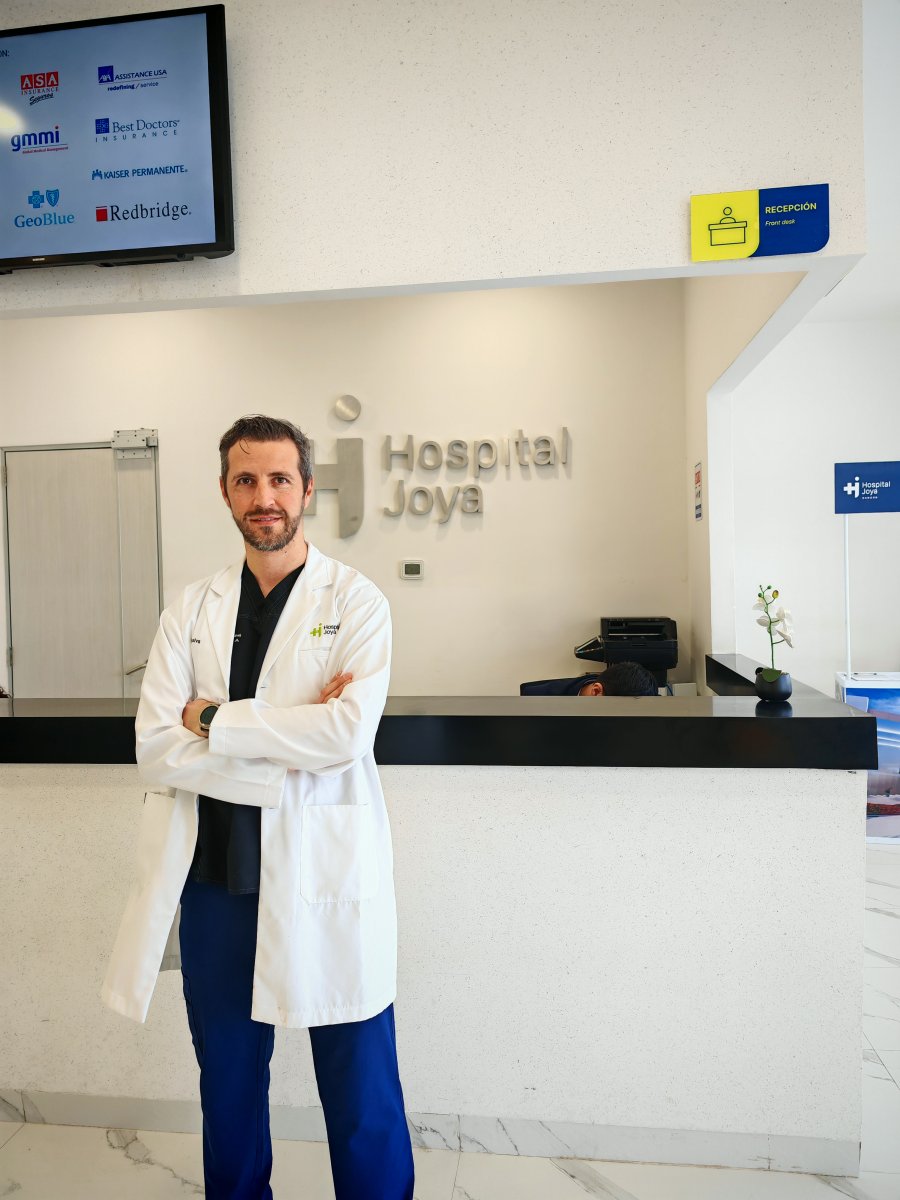

Stem Solutions

Advance Health Medical Center


Advanced Fertility Center Cancun
أفضل مراكز طب الأورام في المكسيك
- Hospital de la Familia, المكسيك
- CellsClinic, المكسيك
- عيادة الدكتور إنريكي بلييغو الخاصة, المكسيك
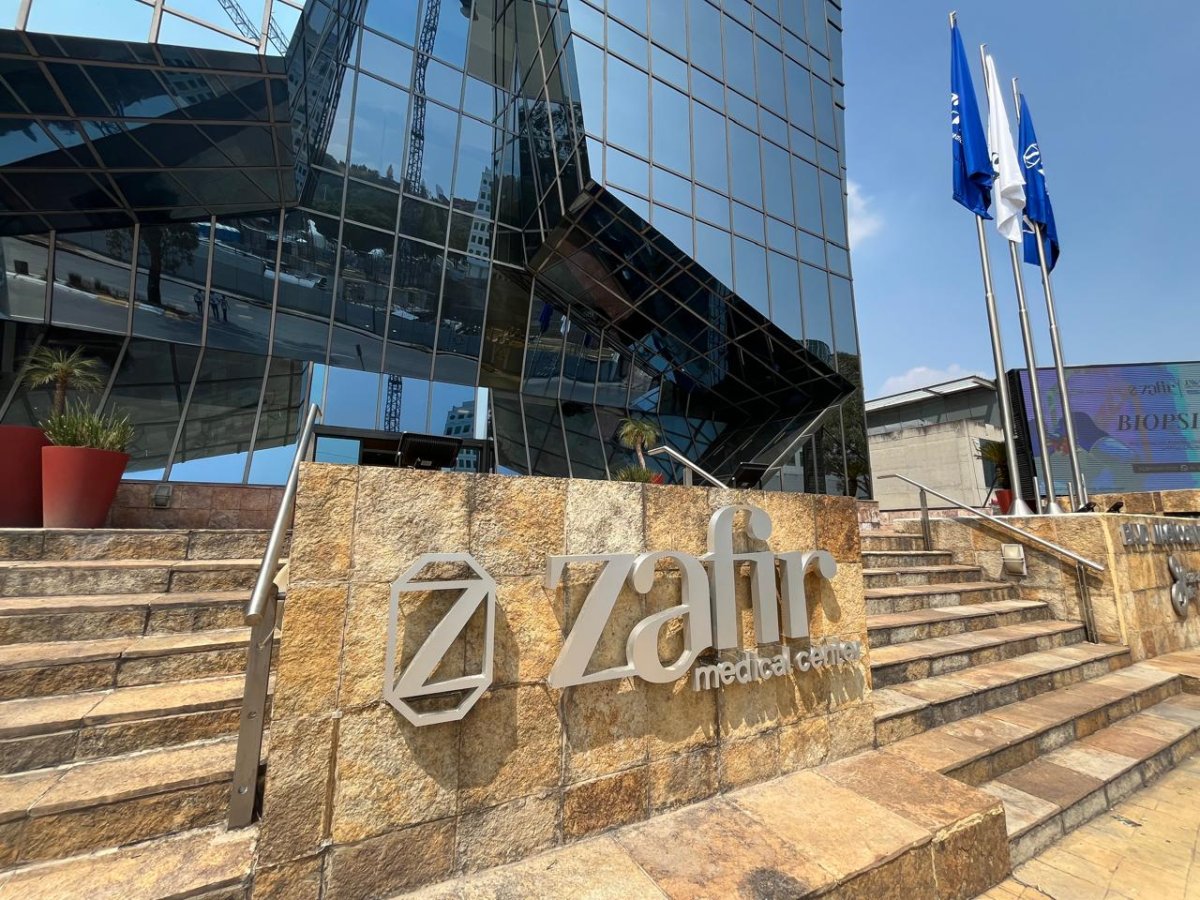
- Zafir Medical Center, المكسيك
- Stem Solutions, المكسيك
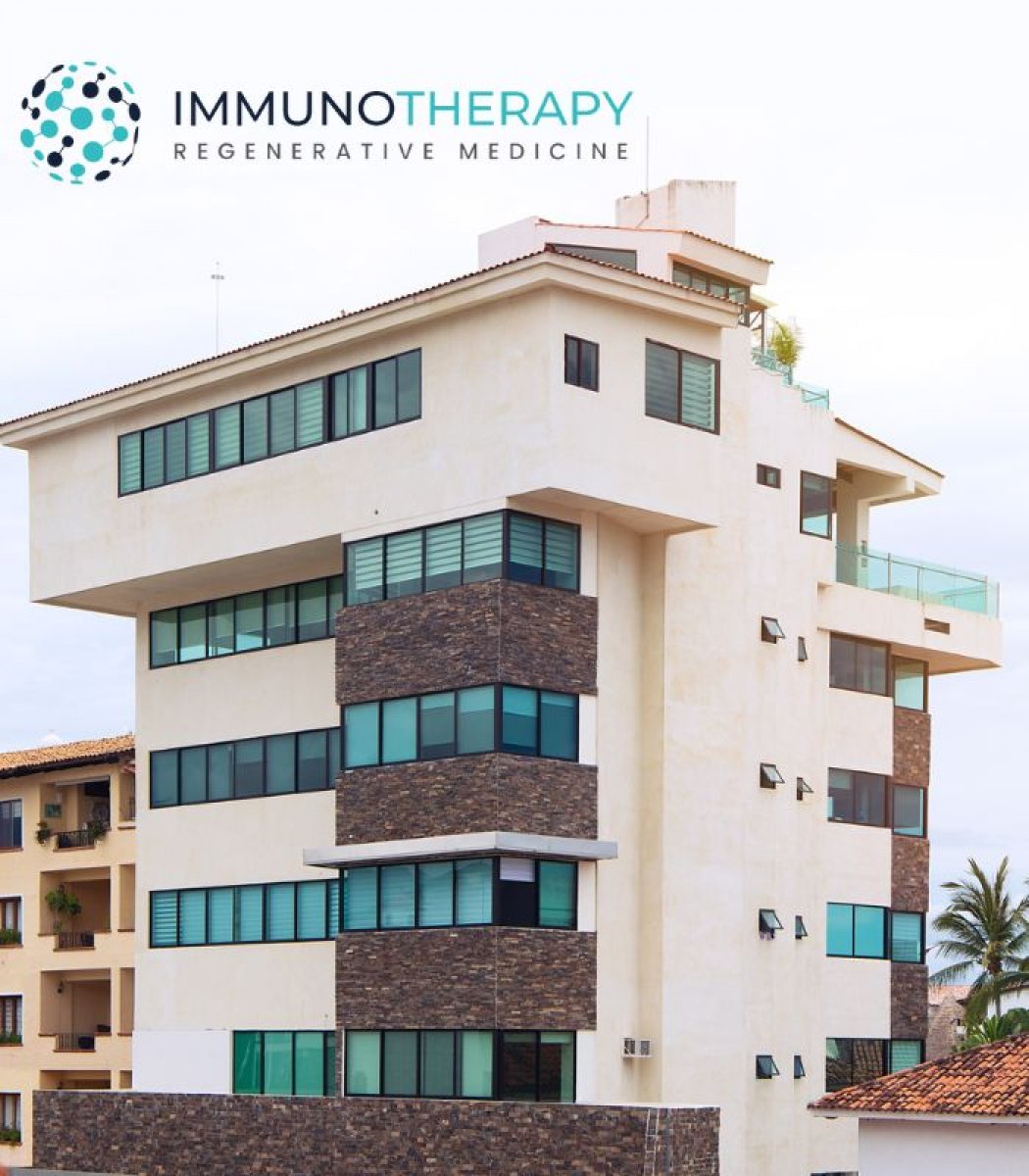
- Immunotherapy Regenerative Medicine, المكسيك
- Alice Beauty Clinic, المكسيك
- Advance Health Medical Center, المكسيك
- Dentavida Clinic, المكسيك
- Advanced Fertility Center Cancun, المكسيك
احصل على تقييم طبي لـ طب الأورام في المكسيك. استشر الآن 9 أطباء ذوي الخبرة.
عرض جميع الأطباء
Brenda Pastrana
الدكتورة بريندا باسترانا هي جراحة أورام معتمدة في مستشفى غالينيا، متخصصة في جراحات السرطان المعقدة مع التركيز على العلاجات الدقيقة.
- تلقّت تدريبها في المركز الطبي الوطني 20 نوفمبر (Centro Medico Nacional 20 de Noviembre) – المركز الوطني الرائد للأورام في المكسيك
- عضوة في الجمعية المكسيكية للأورام (SMEO) – الجمعية الرائدة للأورام في المكسيك
- أستاذة جامعية في جامعة أناواك، لتدريب أطباء المستقبل
- حاصلة على شهادة البورد من كونايم (أعلى اعتماد طبي في المكسيك) حتى عام 2030

Daniel Garza
يجمع الدكتور دانيال غارزا بين الطب التجديدي والخبرة في علم الأورام، مع التركيز على علاجات الخلايا الجذعية المبتكرة في Giostar Stem Cell Therapy.
- متخصص في تطبيقات الخلايا الجذعية الوسيطة لرعاية مرضى السرطان
- حاصل على درجات علمية متقدمة في علوم الأعصاب والتشريح العصبي
- شارك في مؤتمرات دولية حول الطب التجديدي
- طبيب مرخص من كلية الطب بجامعة UNAM
Alejandro Garcia Irigoyen
قصص فيديو من مرضى Bookimed
المراجعات
جميع المراجعاتمواد ذات صلة
عرض المزيد من التفاصيل
فعالية تكلفة العلاج بالخلايا التائية CAR T-Cell Therapy CAR T-Cell
كتب بواسطة Anna Leonova
علاج مبتكر للسرطان: الانصمام الإشعاعي لفلورين لعلاج نقائل الكبد
كتب بواسطة Kateryna Zamkovska
رحلة أماندا في استئصال الثدي المزدوج: خطوة شجاعة نحو الوقاية
كتب بواسطة Kateryna Zamkovska
رحلة نيكولسيا مع العلاج باللوتيتيوم-177: خطوة نحو الأمل في علاج السرطان
كتب بواسطة Kateryna Zamkovska

علاج السرطان في الخارج: أفضل المراكز والتكاليف في عام 2025
كتب بواسطة Mariia Mytrofankina
مشاركة المحتوى
 Anna Leonova
أسئلة متكررة حول طب الأورام في المكسيك
ما هي معايير الجودة والمؤهلات لمراكز الأورام والأطباء في المكسيك؟
تحافظ مراكز الأورام المكسيكية على معايير عالية من خلال اعتماد مجلس الصحة العامة (CSG) وشهادة اللجنة المشتركة الدولية (JCI). يخضع الأطباء لتدريب صارم يشمل شهادات طبية لمدة 6 سنوات وتخصصات لمدة 4 سنوات. العديد من الأخصائيين يحملون شهادات مجلس أمريكية أو زمالات من مؤسسات مرموقة مثل Mayo Clinic.
- اعتماد المستشفى: يضمن اعتماد CSG الجودة وسلامة المريض والمعايير الصارمة للرعاية الصحية.
- المعايير الدولية: مؤسسات مثل مستشفى Galenia تحمل اعتماد JCI لمعايير السلامة العالمية.
- مجالس التخصص: يحتفظ أطباء الأورام مثل الدكتورة بريندا باسترانا بشهادة مجلس Conacem.
- الخلفية الأكاديمية: غالبًا ما يتدرب الخبراء الرائدون في مؤسسات مرموقة مثل UNAM أو مراكز أمريكية.
رأي خبير Bookimed: تُشير البيانات إلى أن مراكز الأورام المكسيكية التي تتعامل مع أكثر من 10,000 مريض سنويًا، مثل مستشفى Galenia، تُعطي الأولوية للاعتماد المزدوج. غالبًا ما يجمعون بين معايير CSG المحلية وعلامات JCI الدولية. يسمح لهم هذا الحجم بالحفاظ على بنية تحتية عالية التقنية مع توفير رعاية شخصية في الوحدات المتخصصة.
توافق المريض: يلاحظ المرضى أنه من المفيد أن يبقى أفراد الأسرة في الغرفة أثناء فترة التعافي. هم يقدّرون الرعاية العاطفية من الموظفين، ولكنهم يقترحون التحقق من مؤهلات الأطباء عبر أدلة مستقلة قبل الوصول.
ما مدى أمان علاج السرطان في المكسيك؟
تحافظ مراكز الأورام في المكسيك على السلامة من خلال شهادتي JCI و CSG. تتطلب هذه المعايير معالجة صارمة ومعقمة للعلاج الكيميائي. تستخدم المرافق مثل مستشفى Galenia التحقق من الجرعات للتأكد من دقة الإشعاع. تتضمن البروتوكولات الدولية فحوصات ما قبل العلاج وفرق الطوارئ في الموقع. تقدم معظم العيادات المتخصصة الخدمات لأكثر من 5,000 مريض سنويًا.
- معايير الاعتماد: تضمن CSG و JCI رعاية عالية الجودة وسلامة المرضى.
- فحوصات ما قبل العلاج: التحاليل الدموية الإلزامية والفحوصات الشعاعية تحدد المخاطر قبل البدء في العلاج.
- الجاهزية للطوارئ: تم تدريب الفرق للاستجابة الفورية للحساسية المفرطة أو العدوى.
- مراقبة العلاج: تنطبق فحوصات العلامات الحيوية اليومية والمحاليل الوريدية وفقًا للمعايير الدولية للأورام.
رؤية خبير Bookimed: تقدم المراكز ذات الحجم الكبير في كانكون ومكسيكالي سلامة أكثر اتساقًا من العيادات الصغيرة. يخدم مستشفى Galenia حوالي 10,000 مريض كل عام. يتيح لهم هذا الحجم الكبير الاستثمار في البنية التحتية المتخصصة. يحافظون على بروتوكولات معتمدة من JCI، والتي قد تفتقر إليها المراكز الصغيرة. دائماً تحقق مما إذا كان لدى المرفق فريق طوارئ للأورام متاح على مدار 24/7.
إجماع المرضى: يلاحظ المرضى أن الطاقم الطبي مهتم جدًا ومتعاون خلال فترة التعافي. يقترح العديد من المرضى جلب سجلاتهم الطبية الخاصة واستخدام تطبيق مترجم لضمان التواصل الواضح مع الفريق الطبي.
كيف تبدو عملية التعافي بعد جراحات الأورام الكبرى في المكسيك؟
يعتمد التعافي بعد الجراحة الكبرى للأورام في المكسيك على جدول زمني منظم يتألف من ثلاث مراحل تركز على التحرك المبكر والمراقبة المكثفة. عادةً ما يبقى المرضى في المستشفى من 1 إلى 5 أيام حسب الإجراء. تشمل الرعاية بعد العملية إدارة المصارف، والتصوير المتخصص مثل PET/CT، والمتابعة طويلة الأجل من خلال البوابات الرقمية أو الزيارات المقررة.
- المرحلة الفورية: يستمر البقاء في المستشفى 1-2 يوم للعمليات الجراحية لاستئصال الثدي و3-5 أيام لاستئصال القولون المعقدة.
- التحرك المبكر: يبدأ المرضى بالمشي خلال 12 ساعة بعد الجراحة لتقليل مخاطر تجلط الدم.
- تشخيص المتابعة: تستخدم العيادات التصوير PET/CT وMRI لمراقبة استجابة العلاج ورصد تكرار المرض.
- الرعاية طويلة الأمد: تشمل الدعم غالبًا استشارات عن بُعد لمدة 6 شهور وفحوصات أورام ربع سنوية.
نظرة خبيرة من Bookimed: تُظهر البيانات من مراكز مثل مستشفى Galenia ارتفاع حجم المرضى الدوليين، حيث يصل إلى 10,000 سنويًا. فائدة غير واضحة لهذه المراكز المكسيكية ذات الحجم الكبير هي قدرتها التشخيصية المتكاملة. نظرًا لأن المرافق تحتوي غالبًا على PET/CT ومختبرات متخصصة في الموقع، يمكن للمرضى الدوليين إتمام الفحوصات الإلزامية للمتابعة لمدة 3 أشهر في يوم واحد بدلاً من الانتظار لأسابيع للمواعيد المجزأة.
إجماع المرضى: يشير المرضى إلى أن التعافي يتم مراقبته جيدًا مع قيام الممرضين بفحص المصارف كل 4 ساعات، رغم أن التنقل في الحرارة المحلية يتطلب الترطيب المكثف باستخدام الكهارل. يشدد الكثيرون على أن وجود منسق متحدث بال
ما هي أفضل المدن في المكسيك لعلاج السرطان؟
تقدم كل من كانكون وتيجوانا أكثر خدمات الأورام شمولاً للمرضى الدوليين. تتميز هذه المدن بمرافق معتمدة من JCI مثل مستشفى جالينيا. توفر هذه المرافق رعاية شاملة تشمل العلاج المناعي والعلاج الإشعاعي والجراحة المعقدة. ويسهل القرب من المطارات الكبرى وتوافر الفرق الطبية التي تتحدث الإنجليزية جعل هذه المراكز مثالية للعلاج على المدى الطويل.
- العلاجات المتاحة: تقدم المراكز علاجات العلاج المناعي, والـ CyberKnife، وزرع نخاع العظام للحالات المعقدة.
- الخبرة المتخصصة: يتخصص جراحو الأورام مثل الدكتورة بريندا باسترانا في استئصال الثدي وجراحة الأورام.
- التشخيصات المتقدمة: توفر المرافق فحوصات PET/CT وتصوير الرنين المغناطيسي للجسم بالكامل لتحديد مراحل السرطان بدقة.
- معايير الاعتماد: تحتفظ المستشفيات الرائدة بشهادات JCI وCSG للتحقق من سلامة المرضى.
رؤية خبراء Bookimed: تتعامل مستشفيات كانكون مثل مستشفى جالينيا مع 10,000 مريض سنويًا وتقدم أقسام متكاملة للأورام والثدييات. هذه الكمية العالية تسمح للعيادات بالحفاظ على نسب نجاح تصل إلى 50٪ لإجراءات محددة مثل استئصال الثدي. ينبغي للمرضى البحث عن مرافق تجمع بين الجراحة التقليدية والخيارات التجديدية مثل العلاج بالخلايا الجذعية من أجل التعافي.
إجماع المرضى: يقدر المرضى وجود أحد أفراد العائلة معهم في الغرفة خلال فترة التعافي. كما يشددون على أنه بالرغم من وجود حواجز لغوية، فإن الرعاية المتعاطفة ونظافة الغرف الخاصة تجعل التجربة رائعة.
ما هي خيارات الإقامة ومدة البقاء للعلاج الكيميائي في المكسيك؟
يبقى المرضى في غرف مستشفى خاصة، أو بيوت تعافي قريبة، أو شقق طبية متخصصة خلال دورات العلاج الكيميائي في المكسيك. تتطلب معظم الزيارات الأولية من 2 إلى 3 أسابيع للتشخيص وأول عملية تسريب. بينما تتضمن الدورات اللاحقة عادة من 3 إلى 7 أيام في البلد للعلاج والرقابة.
- خيارات الإقامة: تقدم عيادات مثل مستشفى دي لا فاميليا 32 غرفة خاصة لراحة المرضى.
- الجدول الزمني الأولي: خطط لمدة 14 إلى 21 يومًا لإجراء الفحوصات الأساسية، التصوير، والدورة الأولى.
- دورات المتابعة: خصص ميزانية لمدة 3 إلى 7 أيام لكل زيارة لتسريب العلاج والشفاء الفوري.
- اختيار الموقع: يساعد البقاء على بعد 10 إلى 15 دقيقة من العيادة في إدارة التعب بعد العلاج.
نظرة خبراء بوكيميد: تشير البيانات إلى أن العيادات في المراكز الرئيسية مثل كانكون، مثل مستشفى جالينيا، تخدم أكثر من 10,000 مريض سنويًا. غالبًا ما تكون لدى هذه المراكز عالية الحجم شراكات راسخة مع الفنادق المحلية. اختيار هذه المرافق يمكن أن يسهم في تبسيط اللوجستيات. يمكنك غالبًا تأمين أسعار مخفضة للإقامات الطويلة التي لا تتوفر للجمهور العام.
توافق المريض: يؤكد المرضى على أهمية بقاء أحد أفراد العائلة معهم في غرفة المستشفى. كما يقترحون حجز أماكن إقامة مرفقًا بمطبخ لإدارة الاحتياجات الغذائية بين العلاجات.
ما هي خيارات علاج السرطان المتقدمة المتاحة في المكسيك؟
تقدم المكسيك علاجات متقدمة لعلاج السرطان تشمل علاج الخلايا CAR-T، ولقاحات الخلايا المتغصنة، وتطبيقات الخلايا الجذعية الوسيطة. يحصل المرضى على بروتوكولات الطب التجديدي والعلاج المناعي التي غالبًا ما تكون مقيدة أو تحت التجارب السريرية في أماكن أخرى. توفر المراكز المتخصصة العلاج الحراري المتزامن مع العلاج الصوتي الضوئي الديناميكي SPDT للحالات المعقدة.
- العلاجات الخلوية: استفادة من علاج الخلايا CAR-T وتطبيقات الخلايا الجذعية الوسيطة لعلاج السرطانات المتقدمة.
- البروتوكولات البديلة: يشمل الرعاية الشاملة لقاحات الخلايا المتغصنة المخصصة للورم المحدد للمريض.
- التكنولوجيا المتقدمة: تقدم مرافق مثل مستشفى غالينيا رعاية معتمدة من JCI وجراحة الأورام المتخصصة.
- الطب التجديدي: توفر عيادات جيوستار أبحاث وعلاجات مكثفة للخلايا الجذعية لأكثر من 5000 مريض.
رؤية خبراء بوكيميد: يتميز مشهد علاج الأورام في المكسيك بمزيج من التميز الجراحي المعتمد من JCI والطب التجديدي المتخصص. بينما يخدم مستشفى غالينيا 10000 مريض سنويًا برعاية تقليدية عالية الجودة، تقدم مراكز أصغر مثل هوليستيك بيو سبا® تكنولوجيا متخصصة مثل علاج الخلايا NK وعلاجات الإكسوسومات. هذا يسمح للمرضى بمزج الجراحة التقليدية مع العلاجات البيولوجية التجريبية في رحلة واحدة.
إجماع المرضى: يعبر المرضى عن إيجاد الأمل في المكسيك بعد رفضهم العلاج في بلدانهم الأصلية. يؤكد العديد منهم أن هذه المراكز المتخصصة تقدم أوقات انتظار أقصر بشكل كبير للعلاجات المتقدمة مثل شعاع البروتون أو لقاحات الخلايا.<
كيف تدعم الفرق الطبية ثنائية اللغة المرضى أثناء علاج السرطان في المكسيك؟
تقدم فرق الرعاية ثنائية اللغة في المكسيك وساطة لغوية وثقافية أساسية خلال علاجات الأورام. تترجم هذه الفرق تقارير الأمراض المعقدة وتنسق العلاجات المكثفة مثل العلاج المناعي أو زرع نخاع العظام. تقوم بتسهيل التواصل الواضح بين المرضى الدوليين والأخصائيين لإدارة الآثار الجانبية وخطط العلاج.
- تنسيق التشخيص: تشرح الفرق نتائج PET/CT و MRI باللغة الإنجليزية لتوضيح النتائج.
- إرشاد العلاج: يوجه الموظفون المرضى خلال بروتوكولات العلاج الكيميائي والإشعاعي مستخدمين مصطلحات طبية مألوفة.
- الدعوة السريرية: يقوم المنسقون بترجمة استشارات الأطباء كلمة بكلمة لضمان فهم المرضى لكل التفاصيل.
- الدعم اللوجستي: يدير الموظفون ثنائي اللغة استمارات القبول والمتطلبات الغذائية والتحديثات لأفراد الأسرة.
رأي خبير بوكيميد: تُظهر البيانات من مراكز ذات نشاط كبير مثل مستشفى جالينيا، الذي يخدم 10,000 مريض سنوياً، أن الفرق ثنائية اللغة تقوم بأكثر من مجرد الترجمة. غالباً ما تسد الفجوة بين أنظمة الرعاية الصحية المختلفة بتقديم ملخصات خروج مترجمة مخصصة لأطباء الدول الأم. هذا التوثيق الاستباقي أساسي للمرضى الذين يستمرون في تلقي علاج الهرمونات طويل الأجل أو العلاج المناعي بعد العودة إلى الوطن.
توافق المرضى: يلاحظ المرضى أنه من المهم أن يكون هناك وجه مألوف خلال فترة التعافي. يقدّر الكثيرون عندما تستخدم الفرق مجموعات الواتساب لتحديثات فورية باللغة الإنجليزية وتنسيق كل شيء بدءاً من التحاليل قبل الوصول إلى نقل المطار.