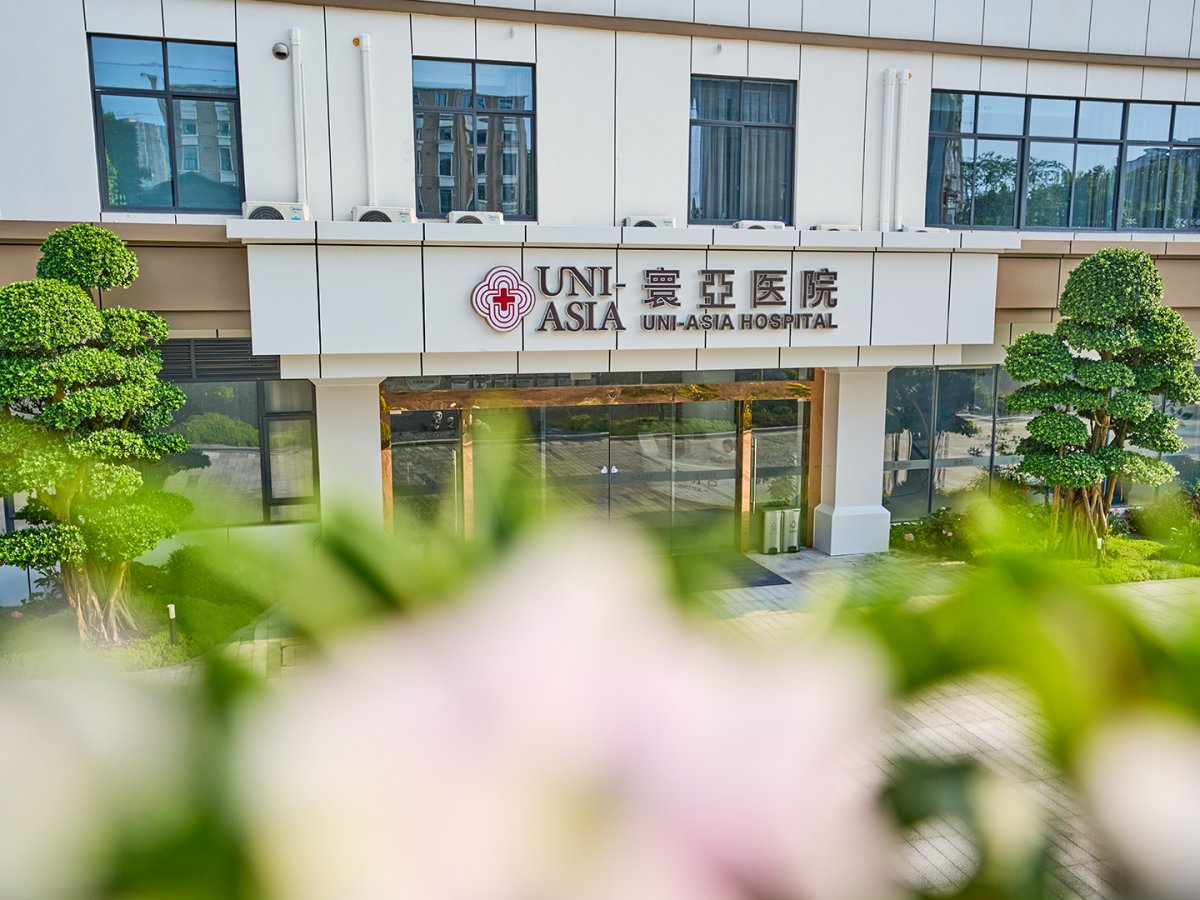
Fuda Hospital
الصين, قوانغتشو


تمت مراجعة المقالة طبيا من قبل
فهد مولود
تتضمن تكلفة علاج الساركوما العظمية في الصين عادةً إجراءات التصوير والعلاجات المتخصصة. تتراوح تكلفة مسح PET-CT من السعر عند الطلب إلى السعر عند الطلب، بينما تتراوح تكلفة خيارات الحفاظ على الأطراف مثل استئصال العظم مع استبداله بغرسة من السعر عند الطلب إلى السعر عند الطلب. تعتمد النفقات الإجمالية على مرحلة الورم، ودورات العلاج الكيميائي اللازمة، وتصنيف المستشفى. يمكن للمرضى تحقيق وفورات تتراوح بين 40-70% مقارنة بالولايات المتحدة. تشمل مراكز العلاج الرائدة قوانغتشو وشيامن.
تكاليف علاج الساركوما العظمية النموذجية في الصين
رؤية خبير Bookimed: يستفيد المرضى الذين يعانون من الساركوما العظمية المتقدمة أو في مراحلها المتأخرة من البدائل العلاجية طفيفة التوغل. يُعد مستشفى فودا للسرطان (Fuda Cancer Hospital) في قوانغتشو أول مركز للسرطان معتمد من اللجنة الدولية المشتركة (JCI) في الصين. وهو متخصص في تقنيات الجراحة بالتبريد (Cryosurgery) وNanoKnife للحالات المعقدة. توفر هذه الخيارات قيمة مضافة لأولئك الذين يبحثون عن بدائل للعلاج الكيميائي التقليدي. بالنسبة للعلاج الإشعاعي الدقيق، يقدم الدكتور ليو شي شين في مستشفى شيامن هيومانيتي (Xiamen Humanity Hospital) بروتوكولات متخصصة في العلاج الإشعاعي المعدل الشدة (IMRT) والعلاج الإشعاعي التجسيمي للجسم (SBRT).
| الصين | تركيا | إسبانيا | |
|---|---|---|---|
| العلاج الكيميائي لسرطان الثدي | ≈ $14,800 | من $3,000 | من $1,700 |
| العلاج الإشعاعي للساركوما | ≈ $9,000 | من $5,000 | من $9,000 |
| العلاج الإشعاعي لسرطان القولون والمستقيم | ≈ $11,500 | من $5,000 | من $7,500 |
| Gamma Knife جاما نايف | من $4,000 | من $5,500 | من $24,900 |
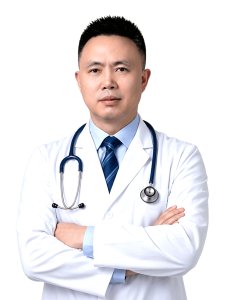
كبير الأطباء وأستاذ. خبير من الدرجة الأولى في مركز السرطان بمستشفى غرب الصين، جامعة سيتشوان (المرتبة الثانية في الصين). أنهى زمالة ما بعد الدكتوراه في الأشعة التداخلية بالمستشفى العام لجيش التحرير الشعبي الصيني. يقود رعاية فريق متعدد التخصصات (MDT) للأورام المعقدة. خبير في طب الأورام التداخلي طفيف التوغل لأورام الكبد والرئة والبنكرياس.
الاعتمادات: عضو مجلس في WATA. عضو في لجان CACA وCMDA للتدخلات، والاستئصال الحراري، والبذور المشعة، وعلاج الألم. في 2023، عضو مجلس مؤسِّس في لجنة الرعاية
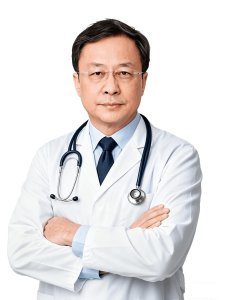
البروفيسور لوو شياوبينغ اختصاصي أشعة تداخلية معترف به على المستوى الوطني ومن أبرز الخبراء في غرب الصين. بدأ ريادة التدخلات الوعائية في أوائل التسعينيات، وأسهم في تأسيس فريق الأشعة التداخلية في المستشفى الثاني الملحق بجامعة تشونغتشينغ الطبية.
أجرى أكثر من 100 ألف إجراء تداخلي، بينها نحو 4 آلاف حالة معقدة. تشمل مهاراته الأساسية الانصمام الكيميائي عبر الشريان الكبدي (TACE) لعلاج سرطان الخلايا الكبدية، وتداخلات متلازمة بود–كياري، وإجراء TIPS، وتركيب دعامتين في مرحلة واحدة لعلاج انسداد القن
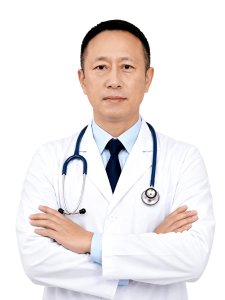
الدكتور هي ويبينغ رائد الاستئصال بالتبريد بالأرجون–الهيليوم في الصين، وله أكثر من 20 عاماً من الممارسة السريرية المباشرة. كان عضواً مؤسِّساً لمستشفى فودا للسرطان (قوانغتشو)، وشارك في تأسيس مركز علاج الأورام طفيفة التوغل فيه وتولى منصب نائب المدير التنفيذي. كما أسهم في تأسيس مجموعة الاستئصال التابعة للجمعية الصينية لمكافحة السرطان. وكان المنفّذ الرئيسي في أكثر من 10,000 إجراء.
يتخصص في الاستئصال بالتبريد للأورام، وهو متمرّس في العلاج الإشعاعي الموضعي ببذور اليود‑125، مع تركيز على سرطاني
الأستاذ شياو يويونغ هو كبير الأطباء في قسم التشخيص الإشعاعي بالمستشفى العام لجيش التحرير الشعبي الصيني، وخبير بارز في طب الأورام التداخلي طفيف التوغل. يشغل منصب الرئيس المؤسس لـWATA (2025–). ويرأس الجمعية الدولية (2020–) والجمعية الآسيوية (2012–) للعلاج بالتجميد. كما أنه نائب رئيس مجموعة الخبراء بهيئة الصحة الوطنية (NHC) للوائح استئصال الأورام (2009–).
أجرى أكثر من 100,000 إجراء طفيف التوغل موجهًا بالتصوير المقطعي/الرنين المغناطيسي. يشمل عمله الاستئصال الكيميائي، والاستئصال بالترددات ا
 Anna Leonova
تستخدم الصين بروتوكولاً متعدد الوسائط للساركوما العظمية. تجمع هذه الاستراتيجية بين العلاج الكيميائي المساعد قبل الجراحة، وجراحة إنقاذ الأطراف، والعلاج الكيميائي المساعد بعد الجراحة. يتبع الأطباء إرشادات الجمعية الصينية لعلم الأورام السريري. تعطي هذه البروتوكولات الأولوية لأنظمة الأدوية عالية الجرعة والجراحة الدقيقة لزيادة فرص البقاء على قيد الحياة. غالباً ما يتضمن العلاج الناجح رعاية مكثفة للمرضى الداخليين.
رؤية خبير Bookimed: غالباً ما تفضل مراكز الأورام الصينية نموذج العلاج الكيميائي المكثف للمرضى الداخليين. يتميز مستشفى فودا للسرطان بتقديم أكثر من 10 أنواع من العلاجات طفيفة التوغل. يسمح هذا التنوع للأطباء بعلاج الحالات المتقدمة التي قد تكون فيها الجراحة القياسية صعبة. يوفر تركيزهم على التكنولوجيا مثل NanoKnife خيارات للمرضى في المراحل المتأخرة من أكثر من 100 دولة.
إجماع المرضى: يشير المرضى إلى أن العلاج يعتمد بشكل صارم على البروتوكول، لكنهم يؤكدون على أهمية الحصول على آراء ثانية قبل الجراحة. ويؤكدون أن الوصول إلى أفضل النتائج يتطلب غالباً السفر
توفر الصين علاجات متقدمة للساركوما العظمية بما في ذلك العوامل الموجهة والعلاجات المناعية القائمة على الخلايا. تستخدم المراكز المتخصصة مثبطات الكيناز المتعددة والاستئصال بالتبريد للحالات النقيلية. تستضيف البلاد 14% من التجارب السريرية العالمية للساركوما العظمية. تدمج المرافق الرائدة التنميط الجيني مع بروتوكولات الأورام الدقيقة لأورام العظام المقاومة للعلاجات التقليدية.
رؤية خبراء Bookimed: تشير البيانات السريرية من المرافق المعتمدة من JCI مثل مستشفى فودا للسرطان إلى تحول نحو الإدارة متعددة الوسائط. يستخدم نهجهم أكثر من 10 أنواع من العلاجات طفيفة التوغل لإدارة السرطان في مراحل متأخرة. نلاحظ أن المراكز ذات الحجم الكبير التي تخدم أكثر من 30,000 مريض دولي تجمع غالباً بين العلاج المناعي والعلاج التداخلي الوعائي. تهدف هذه الاستراتيجية إلى تحسين استجابة الورم عندما يصل العلاج الكيميائي التقليدي إلى حدوده.
إجماع المرضى: يؤكد المرضى أن العثور على فريق أورام عظام ذي خبرة أكثر أهمية من السمعة العامة للمستشفى. يوصي الكثيرون بالتحقق مما إذا كان المر
تضم الصين مراكز أورام عالية التصنيف مثل مستشفى فودا للسرطان ومستشفى شيامن الإنساني. تتخصص هذه المرافق في جراحات إنقاذ الأطراف والاستئصال المتقدم. يحمل العديد منها اعتماد JCI ويعمل بها فرق متعددة التخصصات. إنهم يعالجون الساركوما المعقدة باستخدام العلاج الإشعاعي الدقيق والبروتوكولات الموجهة.
رؤية خبير Bookimed: يعد حجم المرضى مؤشراً رئيسياً للجودة في الصين. يعالج مستشفى فودا للسرطان أكثر من 30,000 مريض سنوياً ويحافظ على تصنيف 4.6 نجوم. غالباً ما يرتبط هذا الحجم الكبير بنتائج جراحية أفضل في سرطانات العظام النادرة. نوصي باختيار المراكز التي تحتوي على أقسام مخصصة لأورام العظام بدلاً من العيادات العامة.
إجماع المرضى: يؤكد المرضى على أهمية العثور على جراحين يجرون إجراءات الحفاظ على الأطراف أسبوعياً. ويشيرون إلى أن وجود علم الأمراض والتصوير والعلاج الكيميائي تحت سقف واحد أمر ضروري للنجاح.
يعمل الطب الصيني التقليدي (TCM) كعلاج مساعد داعم إلى جانب الجراحة والعلاج الكيميائي متعدد العوامل في الصين. وهو يحسن النتائج من خلال تخفيف الآثار الجانبية ودعم جهاز المناعة. غالبًا ما تتضمن البروتوكولات المتكاملة الوخز بالإبر والتركيبات العشبية لتحسين جودة حياة المريض وتحمله للأنظمة العلاجية الأورام المكثفة.
رؤية خبير Bookimed: بينما تركز المراكز الكبرى مثل مستشفى شيامن الإنساني على العلاج الإشعاعي عالي الدقة، تُظهر مرافق مثل مستشفى فودا للسرطان في قوانغتشو الاتجاه الإقليمي لتقديم أكثر من 10 أنواع من العلاجات طفيفة التوغل لتقليل الاعتماد على العلاج الكيميائي الجهازي القوي. يسمح هذا التحول للطب الصيني التقليدي بلعب دور أكثر استباقية في التعافي لأن المرضى يحافظون على قوة أساسية أعلى من أولئك الذين يخضعون للبروتوكولات القياسية ذات الجرعات العالية.
إجماع المرضى: يشير المرضى إلى أن الطب الصيني التقليدي هو الأكثر فعالية لاستعادة الشهية والنوم أثناء التعافي. ويؤكدون أن
يمكن للمرضى الدوليين الوصول بفعالية إلى رعاية الأورام المتخصصة في الصين من خلال الاستفادة من المرافق المعتمدة من قبل JCI والأجنحة الطبية الدولية المخصصة. توفر المراكز الحديثة تشخيصاً سريعاً وعلاجات متقدمة. يتطلب التنقل في النظام تأشيرات طبية مرتبة مسبقاً، وإعداد الدفع الرقمي، والتنسيق عبر أقسام المرضى الدوليين.
رؤية خبير Bookimed: تظهر بيانات مستشفى فودا للسرطان أنهم عالجوا أكثر من 30,000 مريض من 100 دولة. يشير هذا الحجم الدولي الكبير إلى أن اختيار المراكز الثالثية الكبرى في مدن مثل قوانغتشو أو شيامن يبسط عملية الأوراق. هذه العيادات مجهزة بشكل أفضل للتعامل مع جوازات السفر الأجنبية وتوفير خطابات الدعوة الرسمية اللازمة للموافقة على التأشيرة.
إجماع المرضى: يشير المرضى إلى أنه من الضروري إحضار جميع سجلات التصوير وعلم الأمراض في شكل رقمي. إن وجود مترجم ثنائي اللغة أو استخدام مكتب دولي مخصص يجعل التنقل في مهام المستشفى اليومية أكثر سلاسة.