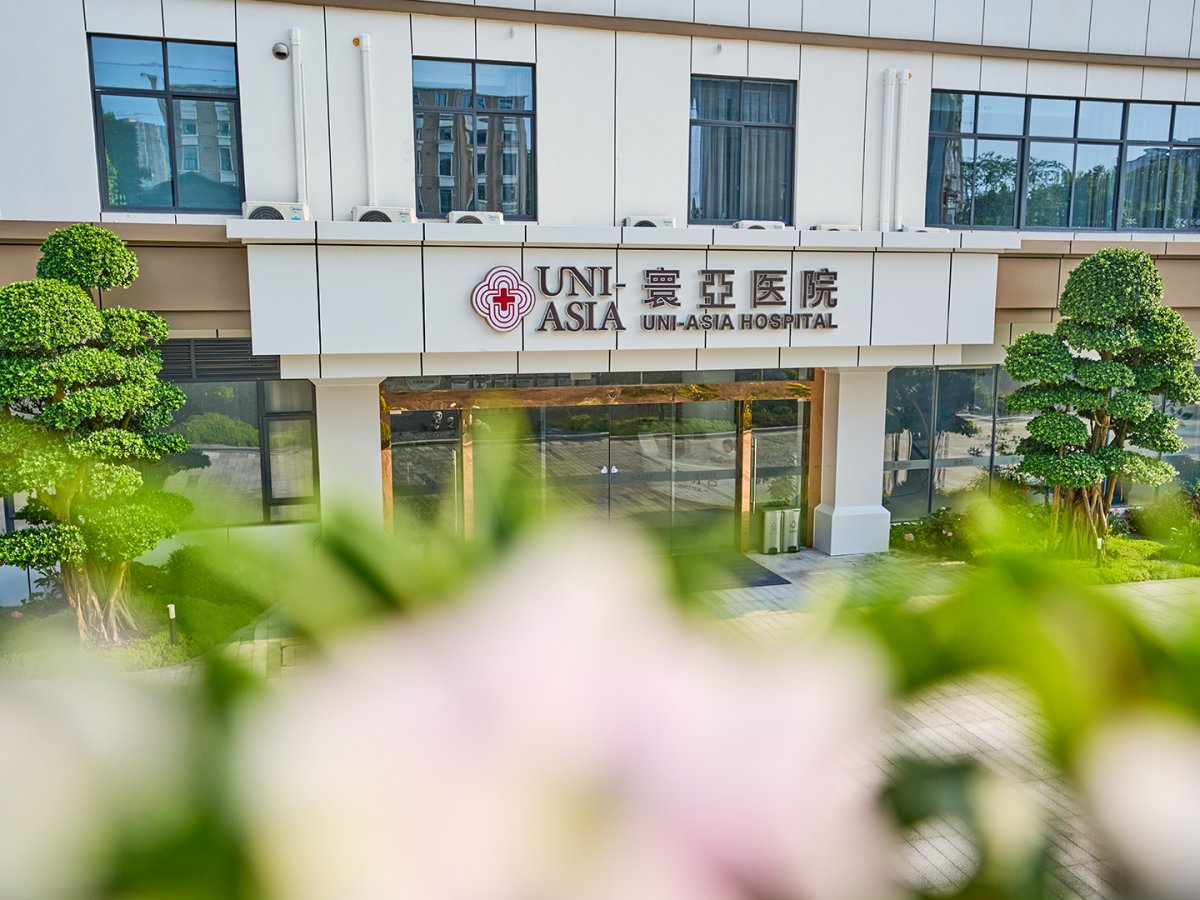
Fuda Hospital
الصين, قوانغتشو


تمت مراجعة المقالة طبيا من قبل
فهد مولود
تتراوح تكلفة علاج سرطان الأمعاء الدقيقة في الصين عادةً ما بين $6,500 و $12,000 للتدخلات الجراحية الأولية. تعتمد النفقات على مرحلة المرض، وبروتوكولات العلاج المحددة، ومستوى المستشفى. يمكن للمرضى الدوليين توقع توفير ما بين 60% إلى 80% مقارنة بالولايات المتحدة. تعد قوانغتشو وشيامن من المدن الرائدة التي تقدم رعاية أورام متخصصة لهذه الحالة.
تكاليف علاج سرطان الأمعاء الدقيقة النموذجية في الصين
رؤية خبراء Bookimed: يجد المرضى في المراحل المتأخرة أفضل قيمة في المراكز المتخصصة مثل مستشفى فودا للسرطان (Fuda Cancer Hospital). حيث يقدمون أكثر من 10 خيارات طفيفة التوغل، بما في ذلك تقنية النانو نايف (NanoKnife) والجراحة بالتبريد. وهذا مثالي لأولئك الذين يبحثون عن بدائل للعلاج الكيميائي التقليدي. بالنسبة للحالات التي تتطلب علاجاً إشعاعياً معقداً، يوفر مستشفى شيامن هيومانيتي (Xiamen Humanity Hospital) تقنيات متقدمة مثل VMAT وSBRT. توفر هذه المرافق المعتمدة من قبل اللجنة الدولية المشتركة (JCI) رعاية عالية التقنية بأسعار تنافسية دولياً.
| الصين | تركيا | إسبانيا | |
|---|---|---|---|
| العلاج الكيميائي لسرطان الثدي | ≈ $14,800 | من $3,000 | من $1,700 |
| العلاج الكيميائي داخل الصفاق مفرط الحرارة (HIPEC) | ≈ $9,000 | من $18,000 | من $81,800 |
| العلاج الإشعاعي لسرطان القولون والمستقيم | ≈ $11,500 | من $5,000 | من $7,500 |
| العلاج الإشعاعي لسرطان الأمعاء | ≈ $10,500 | ≈ $5,800 | من $5,000 |
| استئصال الأمعاء الدقيقة | ≈ $6,500 | من $6,500 | من $12,300 |
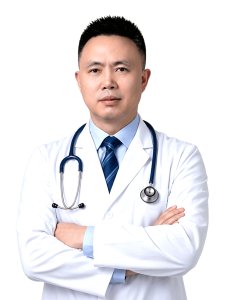
كبير الأطباء وأستاذ. خبير من الدرجة الأولى في مركز السرطان بمستشفى غرب الصين، جامعة سيتشوان (المرتبة الثانية في الصين). أنهى زمالة ما بعد الدكتوراه في الأشعة التداخلية بالمستشفى العام لجيش التحرير الشعبي الصيني. يقود رعاية فريق متعدد التخصصات (MDT) للأورام المعقدة. خبير في طب الأورام التداخلي طفيف التوغل لأورام الكبد والرئة والبنكرياس.
الاعتمادات: عضو مجلس في WATA. عضو في لجان CACA وCMDA للتدخلات، والاستئصال الحراري، والبذور المشعة، وعلاج الألم. في 2023، عضو مجلس مؤسِّس في لجنة الرعاية
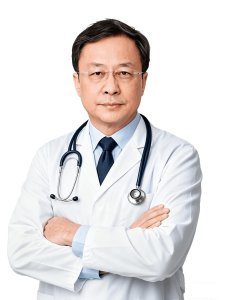
البروفيسور لوو شياوبينغ اختصاصي أشعة تداخلية معترف به على المستوى الوطني ومن أبرز الخبراء في غرب الصين. بدأ ريادة التدخلات الوعائية في أوائل التسعينيات، وأسهم في تأسيس فريق الأشعة التداخلية في المستشفى الثاني الملحق بجامعة تشونغتشينغ الطبية.
أجرى أكثر من 100 ألف إجراء تداخلي، بينها نحو 4 آلاف حالة معقدة. تشمل مهاراته الأساسية الانصمام الكيميائي عبر الشريان الكبدي (TACE) لعلاج سرطان الخلايا الكبدية، وتداخلات متلازمة بود–كياري، وإجراء TIPS، وتركيب دعامتين في مرحلة واحدة لعلاج انسداد القن
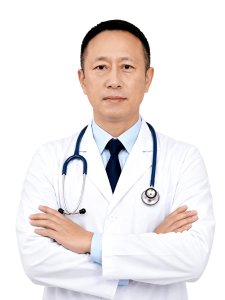
الدكتور هي ويبينغ رائد الاستئصال بالتبريد بالأرجون–الهيليوم في الصين، وله أكثر من 20 عاماً من الممارسة السريرية المباشرة. كان عضواً مؤسِّساً لمستشفى فودا للسرطان (قوانغتشو)، وشارك في تأسيس مركز علاج الأورام طفيفة التوغل فيه وتولى منصب نائب المدير التنفيذي. كما أسهم في تأسيس مجموعة الاستئصال التابعة للجمعية الصينية لمكافحة السرطان. وكان المنفّذ الرئيسي في أكثر من 10,000 إجراء.
يتخصص في الاستئصال بالتبريد للأورام، وهو متمرّس في العلاج الإشعاعي الموضعي ببذور اليود‑125، مع تركيز على سرطاني
الأستاذ شياو يويونغ هو كبير الأطباء في قسم التشخيص الإشعاعي بالمستشفى العام لجيش التحرير الشعبي الصيني، وخبير بارز في طب الأورام التداخلي طفيف التوغل. يشغل منصب الرئيس المؤسس لـWATA (2025–). ويرأس الجمعية الدولية (2020–) والجمعية الآسيوية (2012–) للعلاج بالتجميد. كما أنه نائب رئيس مجموعة الخبراء بهيئة الصحة الوطنية (NHC) للوائح استئصال الأورام (2009–).
أجرى أكثر من 100,000 إجراء طفيف التوغل موجهًا بالتصوير المقطعي/الرنين المغناطيسي. يشمل عمله الاستئصال الكيميائي، والاستئصال بالترددات ا
 Anna Leonova
يركز العلاج الأولي لسرطان الأمعاء الدقيقة في الصين على الاستئصال الجراحي والعلاجات المتقدمة طفيفة التوغل. تعطي مراكز الأورام ذات الحجم الكبير الأولوية لاستئصال R0، وغالبًا ما تستخدم تقنيات تنظير البطن أو الروبوت لتعافي أسرع. كما تستخدم المرافق المتخصصة الاستئصال الموضعي والعلاج الكيميائي المفرط الحرارة داخل الصفاق لإدارة الحالات المتقدمة.
رؤية خبير Bookimed: تسلط بيانات المرضى الضوء على اتجاه مهم في مرافق متخصصة مثل مستشفى فودا للسرطان في قوانغتشو. بينما تتبع البروتوكولات القياسية الجراحة بالعلاج الكيميائي، تستبدل هذه المراكز بنجاح الأدوية الجهازية بتقنيات استئصال طفيفة التوغل. هذا النهج فعال بشكل خاص للمرضى في المرحلة 3 أو 4 الذين لا يستطيعون تحمل سمية أنظمة العلاج الكيميائي التقليدية.
إجماع المرضى: يؤكد المرضى على أهمية اختيار مراكز السرطان الثالثية ذات الخبرة الجراحية العالية في أورام الجهاز الهضمي النادرة. ويشيرون إلى أن الحصول على مراجعة ثانية لعلم الأمراض واختبارات جزيئية مفصلة أمر حيوي لتحديد ما إذا
يحدد موقع الورم داخل الأمعاء الدقيقة بشكل مباشر النهج الجراحي ومدى تعقيده. غالبًا ما تتطلب الأورام الموجودة في الجزء العلوي من الاثني عشر إجراءات جراحية معقدة تشمل أعضاء متعددة مثل عملية ويبل (Whipple). وعلى العكس من ذلك، تسمح الأورام الموجودة في الصائم أو اللفائفي عادةً بإجراء عمليات استئصال الأمعاء القياسية وإعادة التوصيل المباشر.
رؤية خبير Bookimed: تستخدم المراكز ذات الحجم الكبير مثل مستشفى فودا للسرطان في قوانغتشو تقنيات متقدمة مثل نانو نايف (NanoKnife) للأورام الموجودة في مناطق معقدة تشريحيًا. تظهر بياناتنا أن هذه المرافق تدير غالبًا أكثر من 30,000 مريض دولي. هذه الخبرة المتخصصة ضرورية لحالات الاثني عشر حيث تكون الجراحة التقليدية عالية المخاطر.
إجماع المرضى: يشير المرضى إلى أن الأورام الموجودة في مكان أعلى في الأمعاء تسبب أعراض الانسداد في وقت أبكر بكثير. ويؤكدون على أهمية سؤال الجراحين بالضبط عن عدد السنتيمترات التي سيتم استئصالها من الأمعاء.
تتخصص مراكز الأورام الصينية الرائدة في قوانغتشو وبكين في علاج سرطان الأمعاء الدقيقة المتقدم أو غير القابل للاستئصال. تستخدم هذه المرافق المعتمدة من قبل JCI الجراحة بالتبريد وNanoKnife لاستهداف الأورام غير القابلة للجراحة. تدمج الفرق المتعددة التخصصات المتخصصة العلاج الكيميائي داخل الصفاق مفرط الحرارة (HIPEC) مع التدخل الوعائي للحالات المعقدة.
رؤية خبير Bookimed: تظهر البيانات أن مستشفى فودا للسرطان قد عالج أكثر من 30,000 مريض من 100 دولة. يتحول تركيزهم من الجراحة التقليدية إلى الحرارة المفرطة بالميكروويف والجراحة بالتبريد للحالات المتأخرة. هذا التركيز المحدد على التدمير الموضعي طفيف التوغل هو عامل تمييز رئيسي للأورام غير القابلة للاستئصال.
إجماع المرضى: يشير المرضى إلى أنه من الضروري إحضار شرائح علم الأمراض الأصلية وأقراص التصوير لإعادة تحديد المرحلة. يساعد طلب آراء ثانية في المستشفيات الأكاديمية ذات الحجم الكبير في التأكد مما إذا كان الورم غير قا
نموذج 3C+P لسرطانات الجهاز الهضمي في الصين هو استراتيجية إدارة شاملة ومتعددة التخصصات. فهو يدمج العلاج الكيميائي التقليدي، والطب الصيني التقليدي، والرعاية الداعمة مع الطب الدقيق. يهدف هذا البروتوكول إلى تقليل الآثار الجانبية للعلاج مع استهداف علامات جزيئية محددة في الأورام المتقدمة.
رؤية خبير Bookimed: على الرغم من وجود إصدارات مختلفة من 3C+P، تؤكد المرافق المعتمدة من JCI مثل مستشفى فودا للسرطان على التكامل التكنولوجي. فهي تجمع بين الركائز التقليدية والعلاجات المتقدمة طفيفة التوغل مثل الجراحة بالتبريد أو NanoKnife. تعد هذه الخبرة ذات الحجم الكبير أمراً بالغ الأهمية للحالات النادرة مثل سرطان الأمعاء الدقيقة. تعمل مراكز مثل مستشفى شيامن الإنساني على تحسين النموذج بشكل أكبر. فهي تستخدم تقنيات العلاج الإشعاعي الدقيق بما في ذلك IMRT وVMAT للأورام الخبيثة في البطن. يجب على المرضى التأكد من التقنيات المحددة المدرجة في بروتوكول 3C+P الخاص بالمركز قبل الحجز.
إجماع المرضى: يشير المرضى إلى أن سرطان الأمعاء الدقيقة يتطلب خبرة جراحية
يتم دمج الطب الصيني التقليدي في رعاية سرطان الأمعاء الدقيقة كعلاج داعم إلى جانب الجراحة والعلاج الكيميائي. فهو يساعد في إدارة أعراض مثل الغثيان والتعب. تركز العيادات المعتمدة من قبل اللجنة الدولية المشتركة (JCI) مثل مستشفى فودا للسرطان على طب الأورام التكاملي. تعطي البروتوكولات القياسية الأولوية لاستئصال الورم قبل إضافة الدعم العشبي.
رؤية خبير Bookimed: في حين تخدم المستشفيات الصينية آلاف المرضى الدوليين، تختلف مستويات التكامل حسب المنشأة. تجمع المراكز النخبوية مثل مستشفى فودا للسرطان بين التدخلات البسيطة مثل الجراحة بالتبريد واستشارات الطب الصيني التقليدي. غالبًا ما يجذب هذا النهج الهجين المرضى الذين يبحثون عن بدائل عندما يبدو العلاج الكيميائي الجهازي القياسي مرهقًا للغاية.
إجماع المرضى: يشير المرضى إلى أن الطب الصيني التقليدي حيوي للراحة العاطفية وتحسين الشهية أثناء التعافي. يؤكد معظمهم على استخدام الأعشاب فقط كإضافة للجراحة لتجنب التأخيرات الخطيرة.