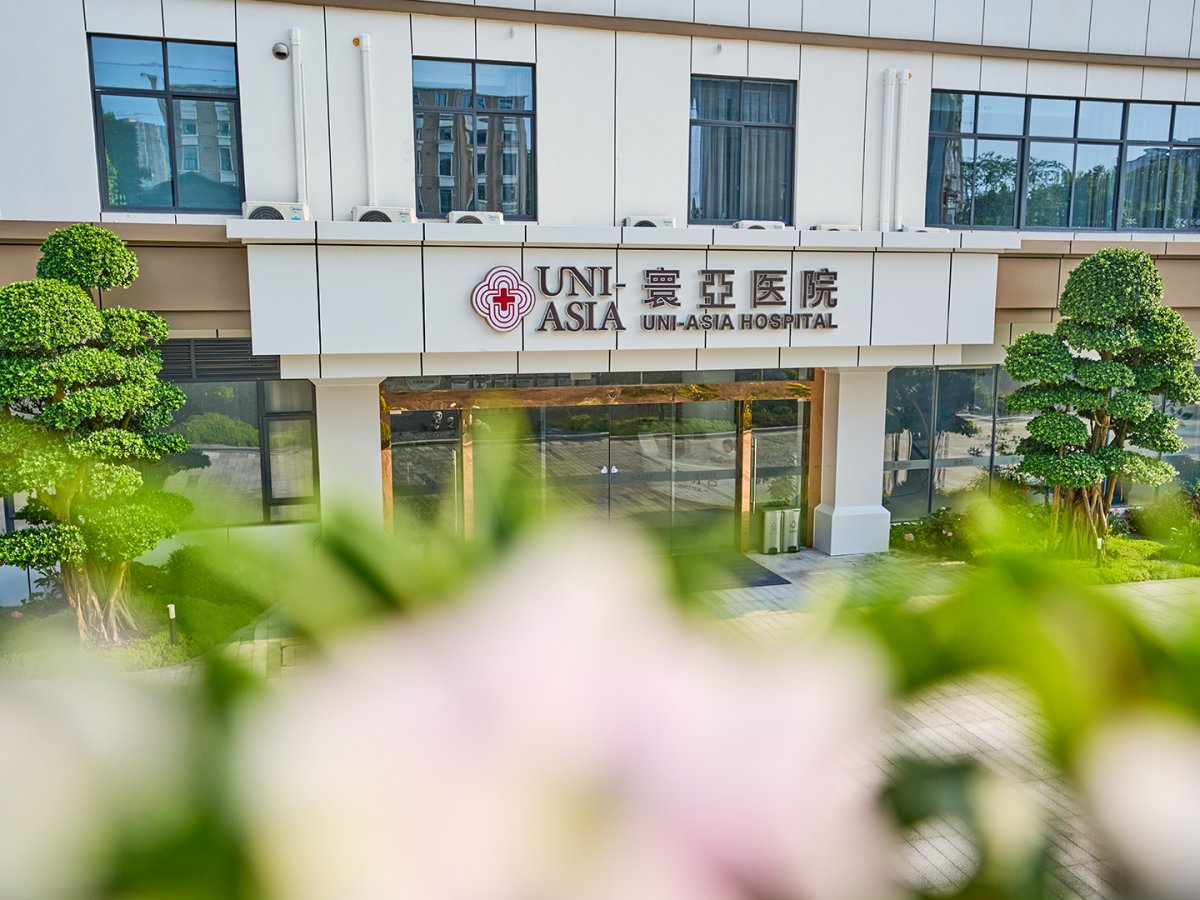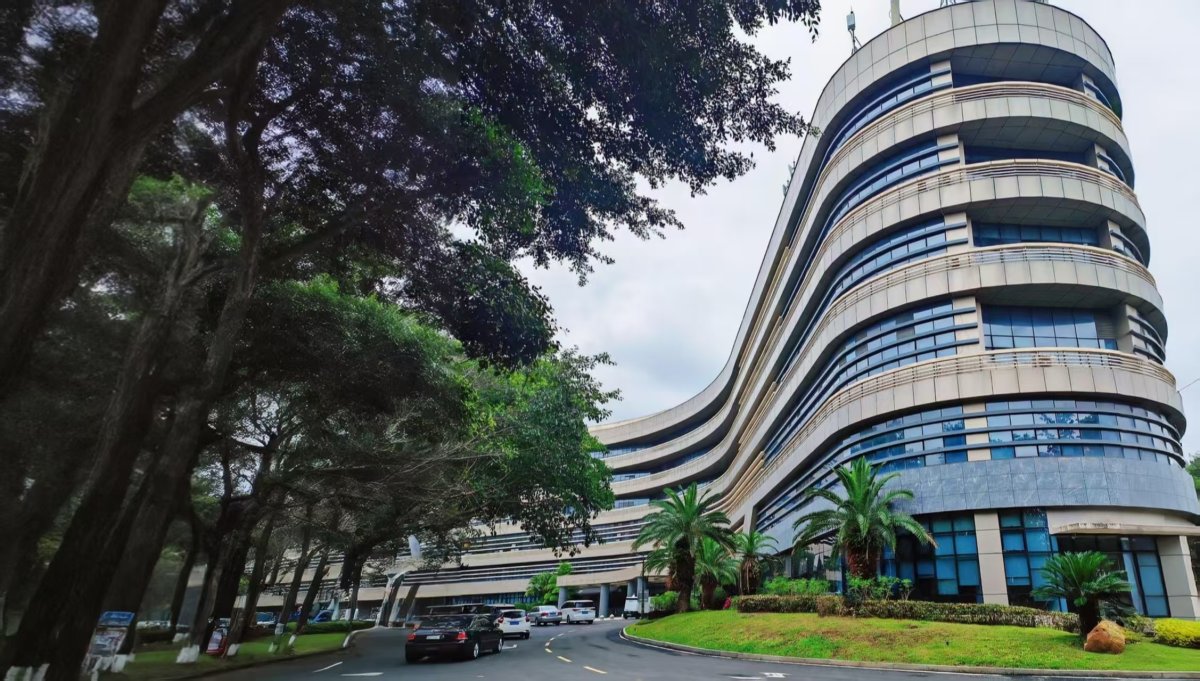
Boao International Medical Center
الصين, تشيونغهاي


تمت مراجعة المقالة طبيا من قبل
فهد مولود
تعتمد تكلفة علاج سرطان القولون في المرحلة الرابعة في الصين عادةً على استخدام العلاجات المتقدمة، حيث تتراوح بروتوكولات العلاج الكيميائي من $14,800 إلى $31,000. أما التدخلات الجراحية مثل استئصال القولون فتبلغ تكلفتها عمومًا من $9,500 إلى $17,500. تتقلب النفقات الإجمالية بناءً على مرحلة السرطان، ودرجة المستشفى، والتقنيات المتخصصة مثل العلاج الكيميائي المسخن داخل الصفاق (HIPEC)، والذي تتراوح تكلفته من $9,000 إلى $19,000. غالبًا ما يوفر المرضى ما بين 30-50% مقارنة بالولايات المتحدة. تشمل مراكز العلاج الرائدة قوانغتشو وشنغهاي.
تكاليف علاج سرطان القولون في المرحلة الرابعة المعتادة في الصين
رؤية خبراء Bookimed: يستفيد مرضى السرطان في مراحل متقدمة من المراكز المتخصصة في أورام المراحل المتأخرة مثل مستشفى فودا للسرطان (Fuda Cancer Hospital). توفر هذه المنشأة الحاصلة على اعتماد اللجنة الدولية المشتركة (JCI) بدائل طفيفة التوغل مثل تقنية النانو نايف (NanoKnife) والجراحة بالتبريد لحالات المرحلة الرابعة. يركز فريقهم متعدد التخصصات، والذي يضم متخصصين مثل سونغ شيجون، على المرضى من أكثر من 100 دولة. توفر هذه الخيارات عالية التقنية قيمة مضافة لأولئك الذين يبحثون عن بدائل للعلاج الكيميائي الجهازي التقليدي.
| الصين | تركيا | إسبانيا | |
|---|---|---|---|
| العلاج الكيميائي لسرطان الثدي | ≈ $14,800 | من $3,000 | من $1,700 |
| العلاج الكيميائي داخل الصفاق مفرط الحرارة (HIPEC) | ≈ $9,000 | من $18,000 | من $81,900 |
| استئصال القولون | ≈ $9,500 | من $5,000 | من $15,300 |
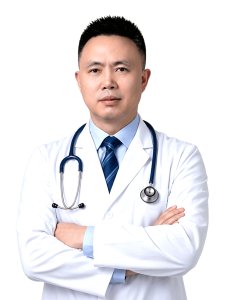
كبير الأطباء وأستاذ. خبير من الدرجة الأولى في مركز السرطان بمستشفى غرب الصين، جامعة سيتشوان (المرتبة الثانية في الصين). أنهى زمالة ما بعد الدكتوراه في الأشعة التداخلية بالمستشفى العام لجيش التحرير الشعبي الصيني. يقود رعاية فريق متعدد التخصصات (MDT) للأورام المعقدة. خبير في طب الأورام التداخلي طفيف التوغل لأورام الكبد والرئة والبنكرياس.
الاعتمادات: عضو مجلس في WATA. عضو في لجان CACA وCMDA للتدخلات، والاستئصال الحراري، والبذور المشعة، وعلاج الألم. في 2023، عضو مجلس مؤسِّس في لجنة الرعاية
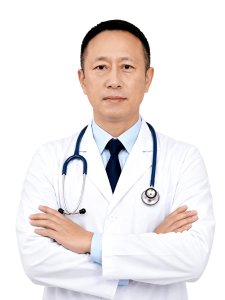
الدكتور هي ويبينغ رائد الاستئصال بالتبريد بالأرجون–الهيليوم في الصين، وله أكثر من 20 عاماً من الممارسة السريرية المباشرة. كان عضواً مؤسِّساً لمستشفى فودا للسرطان (قوانغتشو)، وشارك في تأسيس مركز علاج الأورام طفيفة التوغل فيه وتولى منصب نائب المدير التنفيذي. كما أسهم في تأسيس مجموعة الاستئصال التابعة للجمعية الصينية لمكافحة السرطان. وكان المنفّذ الرئيسي في أكثر من 10,000 إجراء.
يتخصص في الاستئصال بالتبريد للأورام، وهو متمرّس في العلاج الإشعاعي الموضعي ببذور اليود‑125، مع تركيز على سرطاني
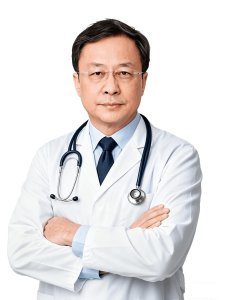
البروفيسور لوو شياوبينغ اختصاصي أشعة تداخلية معترف به على المستوى الوطني ومن أبرز الخبراء في غرب الصين. بدأ ريادة التدخلات الوعائية في أوائل التسعينيات، وأسهم في تأسيس فريق الأشعة التداخلية في المستشفى الثاني الملحق بجامعة تشونغتشينغ الطبية.
أجرى أكثر من 100 ألف إجراء تداخلي، بينها نحو 4 آلاف حالة معقدة. تشمل مهاراته الأساسية الانصمام الكيميائي عبر الشريان الكبدي (TACE) لعلاج سرطان الخلايا الكبدية، وتداخلات متلازمة بود–كياري، وإجراء TIPS، وتركيب دعامتين في مرحلة واحدة لعلاج انسداد القن
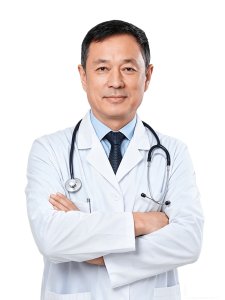
الأستاذ شياو يويونغ هو كبير الأطباء في قسم التشخيص الإشعاعي بالمستشفى العام لجيش التحرير الشعبي الصيني، وخبير بارز في طب الأورام التداخلي طفيف التوغل. يشغل منصب الرئيس المؤسس لـWATA (2025–). ويرأس الجمعية الدولية (2020–) والجمعية الآسيوية (2012–) للعلاج بالتجميد. كما أنه نائب رئيس مجموعة الخبراء بهيئة الصحة الوطنية (NHC) للوائح استئصال الأورام (2009–).
أجرى أكثر من 100,000 إجراء طفيف التوغل موجهًا بالتصوير المقطعي/الرنين المغناطيسي. يشمل عمله الاستئصال الكيميائي، والاستئصال بالترددات ا
 Anna Leonova
تتبع العلاجات الجهازية الصينية لسرطان القولون في المرحلة الرابعة إرشادات الجمعية الصينية لعلم الأورام السريري. يعتمد العلاج على المؤشرات الحيوية الجينية مثل حالة KRAS وNRAS وBRAF. تجمع البروتوكولات القياسية بين أساسيات العلاج الكيميائي والأجسام المضادة وحيدة النسيلة الموجهة أو العلاج المناعي للأورام ذات عدم الاستقرار العالي في الساتل الميكروي.
رؤية خبير Bookimed: تجمع المرافق المتخصصة مثل مستشفى فودا للسرطان بين العلاج الكيميائي الجهازي وتقنيات فريدة طفيفة التوغل. غالبًا ما يدمج نهجهم العلاج التدخلي الوعائي أو الجراحة بالتبريد لنقائل الكبد. تخدم هذه الاستراتيجية متعددة الوسائط أكثر من 30,000 مريض دولي يبحثون عن خيارات تتجاوز بروتوكولات الأدوية القياسية.
إجماع المرضى: يؤكد المرضى على الحاجة إلى طلب اختبارات شاملة للمؤشرات الحيوية في وقت مبكر. وغالبًا ما يلاحظون أن المراكز المتميزة أكثر عرضة لتقديم خيارات العلاج المناعي الحديثة مقارنة بالمستشفيات المحلية الصغيرة.
تستخدم مراكز الأورام الصينية تقنيات استئصالية وتداخلية متقدمة لإدارة سرطان القولون في المرحلة الرابعة غير القابل للجراحة. تشمل العلاجات الرئيسية NanoKnife، والجراحة بالتبريد، والعلاج الحراري بالموجات الدقيقة المدمج مع العلاج الإشعاعي الدقيق مثل SBRT. تستهدف هذه الأدوات الأقل بضعاً النقائل في الكبد أو الرئتين لإطالة فترة البقاء على قيد الحياة.
رؤية خبير Bookimed: بينما تتبع معظم المراكز العالمية بروتوكولات العلاج الكيميائي القياسية، يوفر مستشفى فودا للسرطان في قوانغتشو أكثر من 10 علاجات مختلفة طفيفة التوغل. تظهر بياناتنا أنهم غالباً ما يستخدمونها كبدائل أو مكملات للعلاج الكيميائي التقليدي للحالات المتقدمة. وقد جذب هذا التركيز المتخصص أكثر من 30,000 مريض دولي يبحثون عن السيطرة المحلية على الأورام الخبيثة في مراحلها المتأخرة.
إجماع المرضى: يقدر المرضى هذه الإجراءات لتخفيف الأعراض السريع، ويذكرون بشكل خاص دعامات القولون لتجنب الجراحة الطارئة. يلاحظ الكثيرون أن وجود مرافق في غرفة المستشفى يوفر دعماً عاطفياً أساسياً أثناء العلاج.
العلاج المناعي متاح على نطاق واسع لسرطان القولون في المرحلة الرابعة من نوع dMMR أو MSI-H في الصين. تعتمد الإدارة الوطنية للمنتجات الطبية (NMPA) عقار بيمبروليزوماب ومثبطات PD-1 المحلية مثل تيسليزوماب. يوصى بهذه العلاجات سريريًا كعلاجات قياسية من قبل الجمعية الصينية لعلم الأورام السريري. يتم التحقق من الحالة السريرية باستخدام مجموعات تشخيصية معتمدة من NMPA.
رؤية خبير Bookimed: على الرغم من توفر الأدوية الدولية مثل بيمبروليزوماب، غالبًا ما يتم تفضيل مثبطات PD-1 المحلية مثل تيسليزوماب في الصين بسبب إدراجها في القائمة الوطنية للأدوية القابلة للسداد. تحافظ هذه الخيارات المحلية على فعالية عالية مع تقليل النفقات الشخصية بشكل كبير مقارنة بالعلاجات المستوردة. تخدم مرافق مثل مستشفى فودا للسرطان في قوانغتشو أكثر من 30,000 مريض دولي وتتخصص في الجمع بين هذه العلاجات المناعية والإجراءات طفيفة التوغل لإدارة المراحل المتقدمة.
إجماع المرضى: يشير المرضى إلى أن حالة MSI-H يمكن أن تؤدي إلى تقلص كبير في الورم ويؤكدون على
تدمج الصين الطب الصيني التقليدي (TCM) كإطار داعم إلى جانب طب الأورام الغربي القياسي لعلاج سرطان القولون في المرحلة الرابعة. يستخدم هذا النموذج ثنائي النظام مغلي الأعشاب والوخز بالإبر لإدارة الآثار الجانبية للعلاج الكيميائي. ويركز على تحسين جودة الحياة ووظيفة المناعة في المرافق المعتمدة من قبل اللجنة الدولية المشتركة (JCI).
رؤية خبير Bookimed: تكشف البيانات السريرية من مراكز متخصصة مثل مستشفى فودا للسرطان في قوانغتشو عن تحول استراتيجي. على الرغم من شهرتهم بتقنيات مثل الجراحة بالتبريد وNanoKnife، فإنهم يستخدمون الطب الصيني التقليدي خصيصاً لمساعدة المرضى على التأهل لهذه الإجراءات. من خلال استخدام الأعشاب المغذية لـ Qi لتثبيت تعداد الدم، يضمن الأطباء استيفاء المرضى للمتطلبات الجسدية للتدخلات المكثفة طفيفة التوغل.
إجماع المرضى: يشير المرضى إلى أن وجود مقدم رعاية في الجناح يعد ميزة كبيرة في المستشفيات الصينية. ويؤكدون على أهمية استخدام الطب الصيني التقليدي داخل المستشفى بدلاً من العلاجات الخارجية لضمان السلام
تستقبل مراكز الأورام الرائدة في الصين في قوانغتشو وبكين وشنغهاي معظم إحالات سرطان القولون المتقدم. تمتلك المستشفيات الرائدة مثل مستشفى فودا للسرطان (Fuda Cancer Hospital) اعتماد اللجنة الدولية المشتركة (JCI). وهي متخصصة في علاج أمراض المرحلة الرابعة باستخدام تقنية NanoKnife، والجراحة بالتبريد، والعلاج الكيميائي داخل الصفاق مفرط الحرارة (HIPEC) للحالات المعقدة.
رؤية خبير Bookimed: تظهر بيانات حجم المرضى أن مستشفى فودا للسرطان هو المركز الرئيسي للإحالات العالمية في الصين. بينما تعالج العديد من المستشفيات العامة السرطان، يتخصص فودا حصرياً في أورام المراحل المتأخرة. سعة المستشفى البالغة 400 سرير مخصصة للعلاجات طفيفة التوغل مثل العلاج التدخلي الوعائي. هذا التركيز يجعلهم الخيار المفضل للمرضى من أكثر من 100 دولة.
إجماع المرضى: يقدر المرضى إمكانية بقاء أفراد الأسرة في الجناح أثناء العلاج. ويؤكدون أنه بينما قد ترفض العيادات الروسية الحالات المعقدة، يقدم المتخصصون الصينيون الأمل والرعاية المهنية.