طب الأورام في كوريا الجنوبية — التكاليف 2026

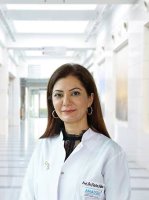
تمت مراجعة المقالة طبيا من قبل
Yesim Yildirim
ما هي تكلفة طب الأورام في كوريا الجنوبية؟ اكتشف الآن
تتراوح تكلفة علاج الأورام في كوريا الجنوبية عادةً ما بين $9,700 و $16,700. تعتمد التكاليف الإجمالية على مرحلة السرطان، وبروتوكول العلاج المختار، ومدة الإقامة في المستشفى المطلوبة للتعافي. يمكن للمرضى الذين يسعون للحصول على الرعاية هنا توقع توفير ما بين 30-50% مقارنة بالولايات المتحدة للحصول على الخدمات الطبية المتقدمة.
تكاليف علاج الأورام النموذجية في كوريا الجنوبية
- استشارة طبيب أورام: السعر عند الطلب
- تصوير مقطعي بالإصدار البوزيتروني (PET-CT): $1,100 – $1,300
- تصوير بالرنين المغناطيسي لمنطقة واحدة: $480 – $530
- زراعة نخاع العظم: السعر عند الطلب
- العلاج الكيميائي: من $1,900
- العلاج الإشعاعي: السعر عند الطلب
- استئصال ورم في المخ: من $19,000
- استئصال الثدي: من $6,800
- استئصال الغدة الدرقية: السعر عند الطلب
- استئصال الكلية: السعر عند الطلب
تقع معظم مراكز الأورام المتخصصة في سيول، وإنتشون، ودايغو. وفي حين تضم سيول أكبر المستشفيات الجامعية، قد تقدم العيادات في جيونجي-دو أو إنتشون أسعاراً أكثر تنافسية لخطط علاج مماثلة. استشر أخصائياً للحصول على تسعير دقيق لتشخيصك الخاص.
| كوريا الجنوبية | تركيا | إسبانيا | |
|---|---|---|---|
| العلاج الكيميائي | من $1,900 | من $1,800 | من $2,200 |
| العلاج الإشعاعي الموضعي | ≈ $6,500 | من $6,500 | من $8,100 |
| استئصال سرطان الكبد | من $15,000 | من $12,000 | من $24,000 |
| استئصال سرطان القولون | من $16,000 | من $7,500 | من $20,700 |
| استئصال الكلية بالمنظار | من $13,000 | من $8,000 | من $14,000 |
جميع أمراض طب الأورام
مزاياك وضماناتك مع Bookimed
أسعار مباشرة
Bookimed لا يضيف رسوماً إضافية على أسعار علاج طب الأورام. الأسعار مأخوذة من قوائم الأسعار الرسمية للعيادات. تدفع مباشرة في العيادة مقابل علاجك عند وصولك إلى البلد.
عيادات وأطباء معتمدون فقط
Bookimed ملتزم بسلامتك. نحن نعمل فقط مع المؤسسات الطبية التي تحافظ على معايير دولية عالية في علاج طب الأورام ولديها التراخيص اللازمة لخدمة المرضى الدوليين في جميع أنحاء العالم.
مساعدة مجانية على مدار الساعة
Bookimed يقدم مساعدة خبراء مجانية. منسق طبي شخصي يدعمك قبل وأثناء وبعد العلاج، ويحل أي مشاكل. لن تكون وحيداً أبداً في رحلة علاج طب الأورام.

منسقك الطبي الشخصي في Bookimed
- يدعمك في كل مرحلة
- المساعدة في اختيار العيادة الطبية المناسبة والطبيب المناسب
- يضمن الوصول السريع والمريح إلى المعلومات
اكتشف أفضل عيادات طب الأورام: 28 خيارات معتمدة والأسعار












أفضل مراكز طب الأورام في كوريا الجنوبية
- Samsung Medical Center, كوريا الجنوبية
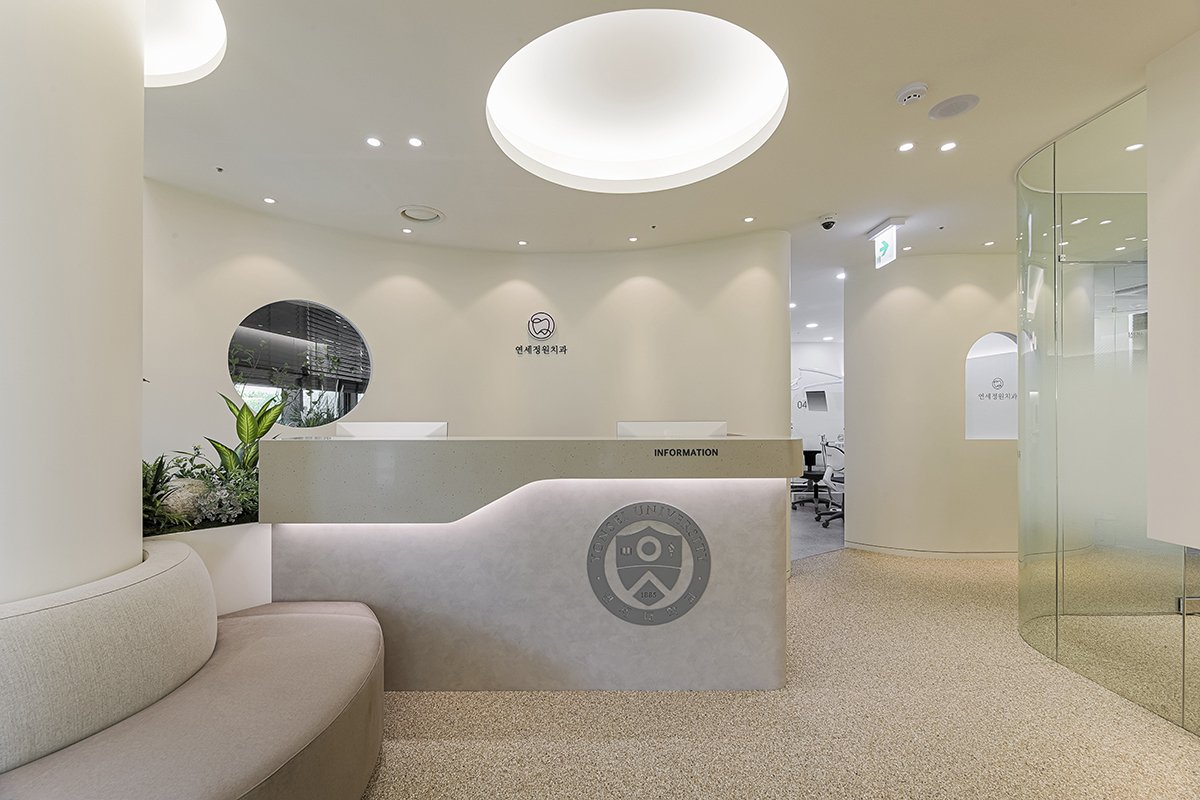
- Yonsei JW Dental Clinic, كوريا الجنوبية
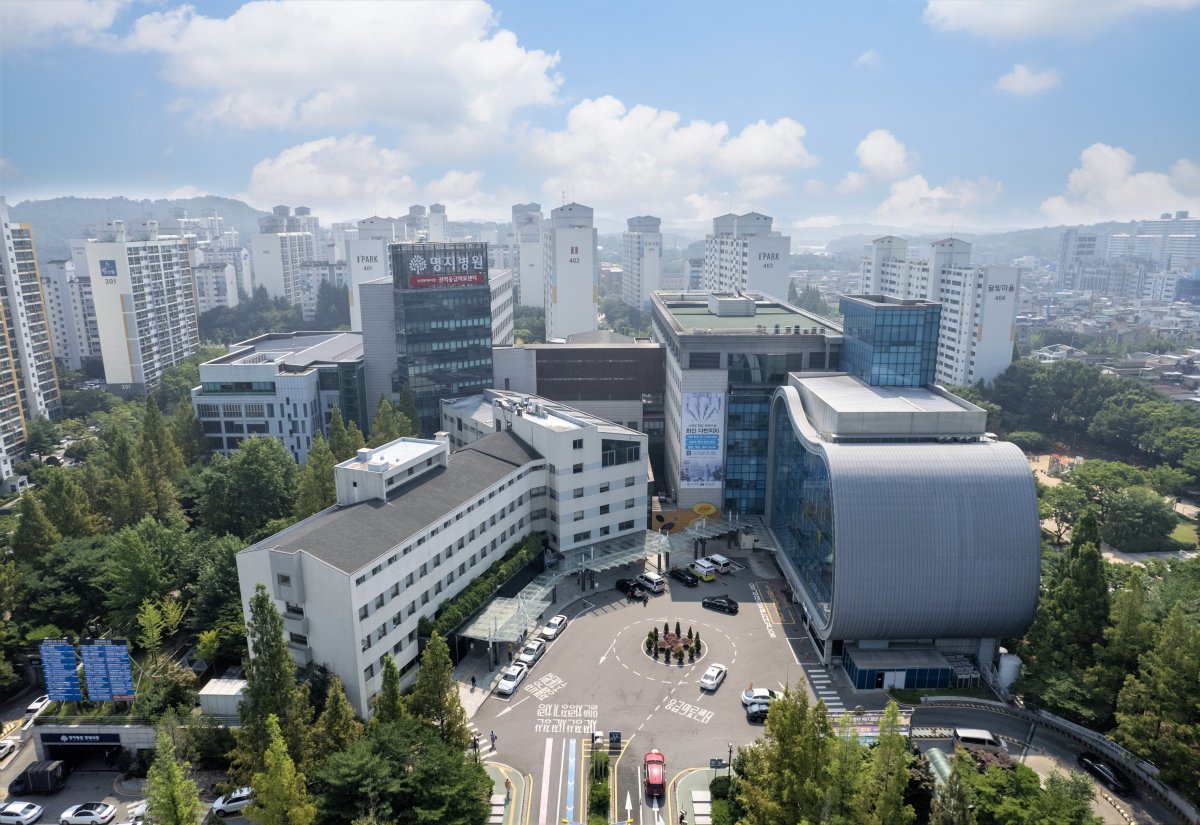
- Myongji Hospital, كوريا الجنوبية
- VG Plastic Surgery, كوريا الجنوبية
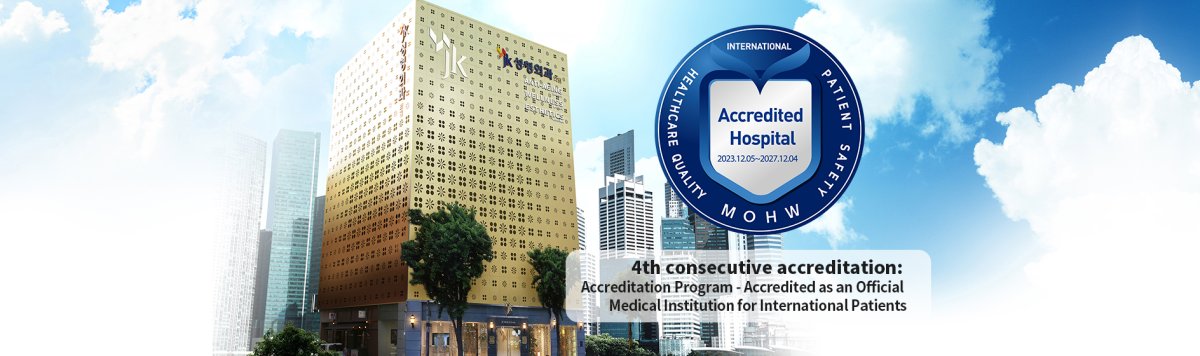
- JK Plastic Surgery Center, كوريا الجنوبية
- Ewha Womans University Medical Center, كوريا الجنوبية
- Asan Medical Center, كوريا الجنوبية
- Seoul National University Bundang Hospital (SNUBH), كوريا الجنوبية
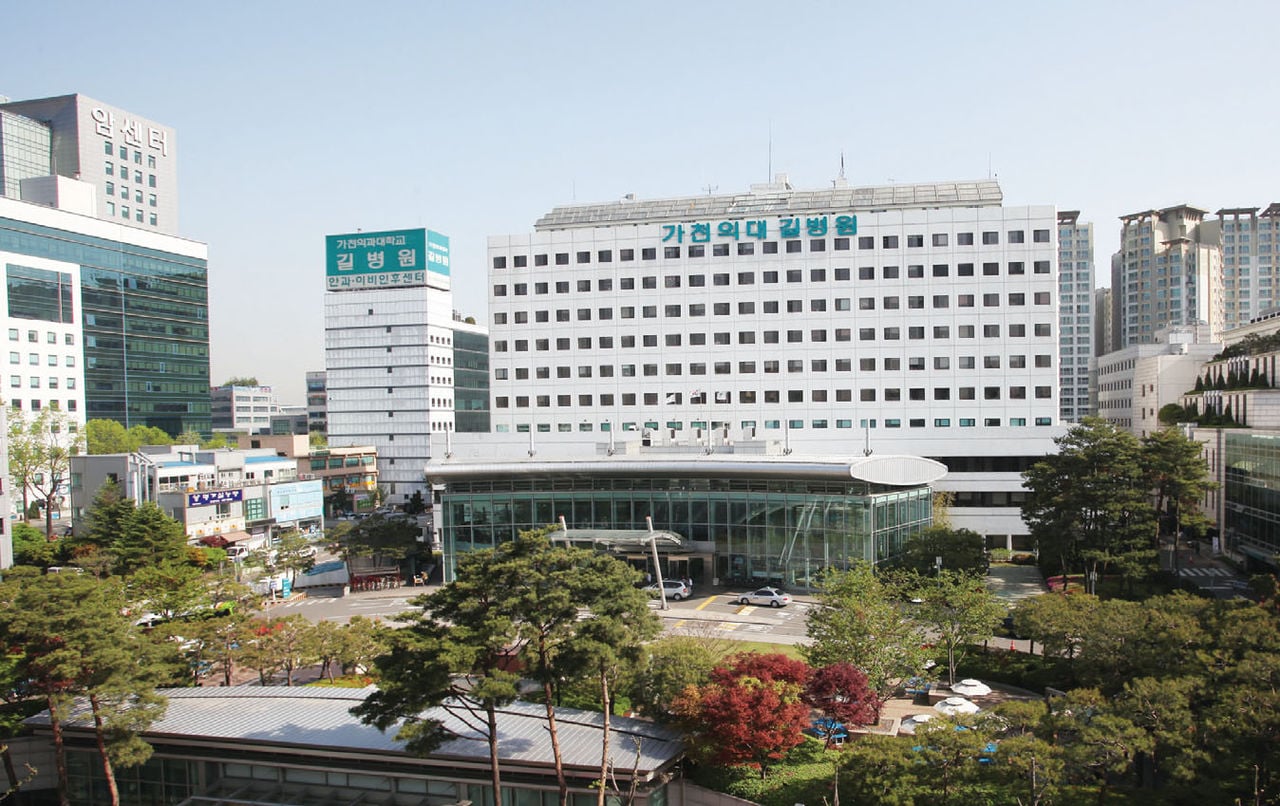
- Gachon University Gil Medical Center, كوريا الجنوبية
- Severance Hospital, كوريا الجنوبية
احصل على تقييم طبي لـ طب الأورام في كوريا الجنوبية. استشر الآن 54 أطباء ذوي الخبرة.
عرض جميع الأطباء
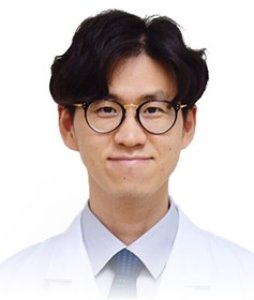
Lee Jihyeon
الدكتور لي جيهيون جرّاح ثدي ودرقية. يمتلك خبرة في أمراض الثدي الحميدة والخبيثة، وجراحة الثدي الأونكوبلاستيكية، وخزعة ماموتوم. كما يعالج أمراض الغدة الدرقية وجارات الدرق، ويمارس العناية المركزة الرئوية (طب العناية الحرجة).
حصل على دكتوراه في الطب (MD) من كلية الطب بجامعة يونسي. أنهى برنامج الامتياز وإقامة الجراحة العامة في مستشفى سيفرانس بجامعة يونسي. كما أتمّ زمالة قصيرة الأمد في مستشفى معهد السرطان التابع لـ JFCR في اليابان.
شملت مناصبه السابقة: رئيس قسم الجراحة في مستشفى إنشيو
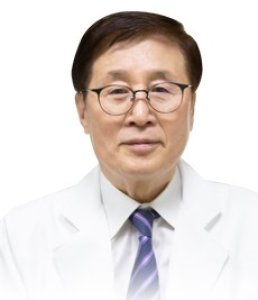
Yu Yeonghun
الدكتور يو يونغهون جرّاح جهاز هضمي ويحمل دكتوراه في الطب. يختص بأمراض وأورام الكبد والبنكرياس والقنوات الصفراوية (HPB). يتركز عمله على سرطانات الكبد والبنكرياس والقنوات الصفراوية والمرارة، إضافة إلى حصوات المرارة وأمراض المرارة الأخرى.
أتمّ فترة الامتياز وإقامة الجراحة العامة في مركز تشا بوندانغ الطبي، ثم أنهى زمالة جراحة HPB في مركز سامسونغ الطبي. عمل أستاذاً مساعداً سريرياً للجراحة في مستشفى جامعة كونكوك تشونغجو وفي مركز سامسونغ الطبي، ثم أصبح أستاذاً للجراحة في مستشفى جامعة أولجي.
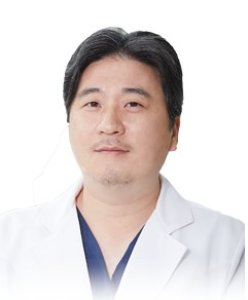
Lee Chunyong
الدكتور لي تشونيونغ طبيب مسالك بولية حاصل على دكتوراه في الطب من كلية الطب بجامعة هانيانغ. يتركز عمله السريري على حصى الكلى والمسالك البولية، بما في ذلك تفتيت الحصى بالموجات الصادمة خارج الجسم (ESWL)، وأمراض البروستات (تضخّم البروستات الحميد BPH، سرطان البروستات، التهاب البروستات)، والضعف الجنسي، وقطع القناة المنوية، والتهاب المثانة، وسلس البول، واضطرابات التبوّل.
شغل منصب مدير مستشفى جامعة هانيانغ. وكان أستاذًا ورئيس قسم المسالك البولية بكلية الطب في جامعة هانيانغ. وتولّى رئاسة الجمعي
Park Sundo
الدكتور بارك سوندو اختصاصي في جراحة الجهاز الهضمي والجراحة العامة في مستشفى نايون. تشمل خبرته جراحة القولون والمستقيم، وجراحة الشرج والمستقيم، وجراحة الثدي، والغدة الدرقية، والجراحة بالمنظار، وجراحة الجهاز الصفراوي، والبنكرياس، وجراحة الأطفال.
تشمل العلاجات الرئيسية جراحة الشرج والمستقيم مثل استئصال البواسير وعلاج البواسير والناسور الشرجي. يجري جراحات بالمنظار لحصوات المرارة (تحصّي المرارة) والتهاب الزائدة الدودية. يشمل علاجه الأورامي سرطان المعدة والقولون والمستقيم. كما يجري إصلاح الف
قصص فيديو من مرضى Bookimed
المراجعات
جميع المراجعاتمواد ذات صلة
عرض المزيد من التفاصيل
فعالية تكلفة العلاج بالخلايا التائية CAR T-Cell Therapy CAR T-Cell
كتب بواسطة Anna Leonova
علاج مبتكر للسرطان: الانصمام الإشعاعي لفلورين لعلاج نقائل الكبد
كتب بواسطة Kateryna Zamkovska
رحلة أماندا في استئصال الثدي المزدوج: خطوة شجاعة نحو الوقاية
كتب بواسطة Kateryna Zamkovska
رحلة نيكولسيا مع العلاج باللوتيتيوم-177: خطوة نحو الأمل في علاج السرطان
كتب بواسطة Kateryna Zamkovska

علاج السرطان في الخارج: أفضل المراكز والتكاليف في عام 2025
كتب بواسطة Mariia Mytrofankina
مشاركة المحتوى
 Anna Leonova
أسئلة متكررة حول طب الأورام في كوريا الجنوبية
هل العلاج الإشعاعي آمن في كوريا الجنوبية؟
العلاج الإشعاعي في كوريا الجنوبية آمن بسبب التقنيات عالية الدقة والمعايير الدولية الصارمة للجودة. وتملك مرافق مثل مستشفى سيفرانس اعتماد لجنة الاعتماد الدولية المشتركة (JCI) لضمان سلامة المرضى. تستهدف الطرق المتقدمة مثل العلاج الإشعاعي الموجه بالتصوير (IGRT) والعلاج الإشعاعي المعدل الشدة (IMRT) الأورام بدقة تصل إلى الملليمترات.
- التكنولوجيا المتقدمة: تستخدم العيادات العلاج الإشعاعي المعدل الشدة والعلاج بالبروتون لتقليل الآثار الجانبية على الأنسجة السليمة.
- القيادة الخبيرة: يقود متخصصون مثل الدكتور ليم دو هون الأقسام في المراكز الأكاديمية المعتمدة من JCI.
- منع الأخطاء: تستخدم أنظمة مثل BESTcare في SNUBH الأتمتة الرقمية لمنع الأخطاء الطبية.
- المعايير الدولية: تحتل المستشفيات الكبرى تصنيفات نيوزويك وتحصل على شهادات ISO للتميز السريري.
رؤية خبير بوكيميد: تُظهر البيانات أن أكثر النتائج أمانًا تأتي غالبًا من المستشفيات التي تحتوي على مراكز متخصصة في علاج السرطان، مثل مركز سامسونج الطبي. تتعامل هذه المراكز مع أكثر من 2,000,000 مريض سنويًا. يسمح هذا الحجم الكبير للأطباء بالتخصص في الأنواع الفرعية النادرة. كما يضمن أن فريق العمل الفني يمتلك خبرة لا مثيل لها في التعامل مع المعدات الإشعاعية المعقدة.
إجماع المرضى: يشير المرضى إلى أن المعدات عالية التقنية تجعل من الإجراءات أكثر سهولة لتحملها مما كان متوقعًا. بينما يمكن أن تكون اللغة مصدر قلق، يتوفر مترجمون طبيون محترفون لشرح كل خطوة من خطة العلاج.
كم من الوقت يستغرق الحصول على نتائج الخزعة في مراكز الأورام في كوريا الجنوبية؟
عادةً ما تصدر نتائج الخزعة في مراكز الأورام في كوريا الجنوبية في غضون 3 إلى 7 أيام. بينما تتطلب التقارير الكاملة لعلم الأمراض الجزيئي عادةً من 7 إلى 14 يومًا للاكتمال. هذه الجداول الزمنية السريعة تتيح لمعظم المرضى بدء العلاج الموجه أو العلاج المناعي خلال 1 إلى 3 أسابيع من إجراء التشخيص الأولي.
- علم الأمراض القياسي: غالبًا ما تكون نتائج الخزعة بالإبرة الأساسية متاحة في غضون 3 إلى 5 أيام.
- الفحص الجزيئي: تقارير الكيمياء النسيجية المناعية الأساسية (IHC) تستغرق عادةً 5 إلى 7 أيام للتكملة.
- التسلسل الجينومي: عادةً ما تتطلب ملفات التشكيل الجزيئي الشاملة من 10 إلى 14 يومًا للحصول على النتائج النهائية.
- الحالات العاجلة: يمكن أحيانًا إصدار التقارير الأولية للأورام الخبيثة العدوانية في غضون 48 ساعة.
رؤية خبير من Bookimed: المراكز ذات الأداء العالي مثل مركز سامسونج الطبي أو مستشفى سيرنس تعالج ملايين المرضى سنويًا. يخلق هذا الحجم الكبير كفاءة شبيهة بالمصنع في مختبرات علم الأمراض الخاصة بهم لا يمكن للعيادات الأصغر مواكبتها. بالنسبة للمرضى الدوليين، يعني هذا أن أوقات الانتظار للتشخيص غالباً ما تكون أقصر بنسبة 50% مما هو عليه في الدول الغربية، مما يسرع مباشرة بدء العلاج الكيميائي المتخصص أو الجراحة الروبوتية.
إجماع المرضى: غالبًا ما يلاحظ المرضى أن المختبرات في سيول تعالج الاختبارات بشكل أسرع بكثير من تلك التي مروا بها في موطنهم. من المفيد إحضار نسخ رقمية للشرائح السابقة لتجنب تكرار الخزعات الأساسية وتوفير عدة أيام خلال الفحص الأو
ما هي أفضل مراكز الأورام في كوريا الجنوبية؟
تتمتع المراكز الكورية الجنوبية الكبرى لعلاج السرطان باعتماد اللجنة الدولية المشتركة (JCI) وشهادة KOIHA. يقود هذا المجموعة مركز سامسونغ الطبي، ومستشفى سيفيرانس، ومركز أسان الطبي. تحافظ هذه المنشآت على معايير أمان عالية. تدمج الجراحة الروبوتية وعلاج بروتون الحزم للحالات المعقدة في علاج الأورام.
- مركز سامسونغ الطبي: منشأة معتمدة من JCI تقوم بإجراء 45,800 عملية جراحية سنويًا مع مركز سرطان شامل.
- مستشفى سيفيرانس: تابع لجامعة يونسي معتمد من JCI يعالج 1.6 مليون مريض خارجي سنويًا من معاناتهم مع السرطان.
- مركز أسان الطبي: مركز متعدد التخصصات معتمد من JCI يحقق معدل نجاح 90% في زراعة الأعضاء.
- مستشفى إس إن يو بوندانغ: مستشفى رقمي معتمد من GHA يستخدم نظام BESTcare لمنع الأخطاء الطبية.
رؤية الخبراء من بوكيميد: يعد حجم المرضى إشارة موثوقة لجودة الرعاية الصحية في سيول. تتعامل العيادات مثل سيفيرانس وسامسونغ مع أكثر من مليوني مريض سنويًا. تُظهر بياناتنا أن هذه الأحجام الكبيرة تسمح للمستشفيات بالاستثمار في تقنيات نادرة مثل أنظمة نوفاليس ودا فينشي. غالبًا ما تؤدي هذه البنية التحتية إلى نتائج جراحية أكثر دقة للمرضى الدوليين.
إجماع المرضى: يشدد المرضى على قيمة وجود مترجمين ناطقين باللغة الإنجليزية في كل اختبار. يلاحظون أنه رغم انشغال المستشفيات الكبيرة، فإن الطاقم المحترف والمعدات المتقدمة توفر تطمينًا كبيرًا أثناء العلاج.
ما هي مدة الإقامة في المستشفى بعد جراحة الأورام الكبرى في كوريا الجنوبية؟
عادةً ما تتطلب الجراحة الأورام الكبرى في جمهورية كوريا إقامة في المستشفى لمدة 7 أيام لعمليات مثل استئصال البروستاتا أو الكلى باستخدام الروبوت. تتيح بعض الحالات البسيطة الخروج من المستشفى خلال 3-5 أيام. تركز المراكز ذات الأعداد الكبيرة من الحالات مثل مستشفى سيفيرانس ومركز أسان الطبي على التعافي الفعال من خلال تقنيات الحد الأدنى من التدخل الجراحي.
- مدة الإقامة في المستشفى: الإقامات القياسية لعمليات السرطان الروبوتية أو البطنية تدوم عادةً 7 أيام.
- خدمات الدعم: تقدم المراكز الدولية مترجمين طبيين محترفين ومنسقين مخصصين للمرضى الأجانب.
- الأجنحة: الأجنحة المشتركة هي الشائعة، لكن تتوفر غرف خاصة لتحسين جودة التعافي.
- المتابعة: غالبًا ما ينتقل المرضى إلى فنادق قريبة لمتابعة الرعاية الخارجية بعد الخروج المبكر من المستشفى.
رؤية خبراء بوكيميد: تُظهر البيانات من المستشفيات الرائدة في سيول تركيزًا عاليًا على الأنظمة الروبوتية المتخصصة، حيث يخدم مستشفى سيفيرانس وحده 1.6 مليون مريض خارجي سنويًا. يسمح هذا الحجم الضخم للجراحين الكوريين بتحسين بروتوكولات التعافي السريع. يجب على المرضى ملاحظة أنه رغم أن الرعاية السريرية ذات مستوى عالمي، فإن المهام الشخصية الأساسية غالباً ما تتطلب أحد أفراد الأسرة أو راعي مستأجر، حيث يركز التمريض بشكل صارم على الاحتياجات الطبية.
إجماع المرضى: يلاحظ المرضى أن سرعة الخروج يمكن أن تكون مفاجئة، لذا من الضروري حجز فندق قريب للتعافي ما بعد العملية. رغم أن الأقسام الدولية مفيدة، إلا أن التواصل اليومي مع الممرضات
هل يمكن للمرضى الدوليين المشاركة في التجارب السريرية والعلاج المناعي في كوريا الجنوبية؟
يمكن للمرضى غير الكوريين الوصول إلى التجارب السريرية والعلاج المناعي المتقدم في جمهورية كوريا. مراكز الأكاديمية الكبرى مثل مستشفى سيفيرانس ومركز سامسونغ الطبي تجند بشكل نشط المشاركين الدوليين لمرحلة 2 ومرحلة 3 من التجارب. يتطلب الوصول مطابقة معايير طبية محددة وغالباً ما يتضمن تمويلاً ذاتياً للبروتوكولات التجريبية.
- العلاجات المتاحة: الخيارات تشمل Keytruda (Pembrolizumab)، علاجات خلايا NK، وعلاجات خلايا CAR-T.
- المؤسسات الرائدة: يدير مستشفى سيفيرانس ومركز أسامي الطبي حجمًا كبيرًا من حالات الأورام الدولية.
- التجارب السريرية: يشارك المرضى الدوليون في تجارب لسرطانات نادرة ودمج مثبطات PD-1.
- الإشراف الخبير: يتخصص الدكتور جو بيونغ تشول في مستشفى سيفيرانس في التجارب الخاصة بالأدوية السريرية الجديدة.
رؤية خبراء Bookimed: تُظهر البيانات أن المستشفيات الرقمية الكبرى مثل مستشفى جامعة سيول الوطني بوندانج (SNUBH) تستخدم أنظمة EHR متقدمة لمطابقة المرضى مع التجارب بشكل أسرع. بينما بعض التجارب مجانية، غالبًا ما يدخل المرضى الدوليون من خلال برامج استخدام 'الرحمة' المدفوعة. تقدم هذه البرامج وصولاً أسرع إلى العلاجات التجريبية مثل علاج TIL مقارنة بقوائم الانتظار الغربية.
إجماع المرضى: يلاحظ المرضى أن توظيف مساعدة ثنائية اللغة أمر حيوي لاجتياز الفحوص الطبية. يؤكد العديد من المرضى أنه رغم توافر التجارب، ينبغي عليك الاستعداد للدفع الذاتي وطلب خطابات دعم خاصة بالتأشيرة من المستشفى.
كيف تدير مراكز الأورام في كوريا الجنوبية الأدوية والآثار الجانبية للمرضى بعد الخروج من المستشفى؟
توفر مراكز الأورام في جمهورية كوريا مراقبة منتظمة للآثار الجانبية من خلال تطبيقات الهواتف المحمولة المخصصة وخطوط المساعدة المتوفرة على مدار الساعة. يحصل المرضى على مجموعات شاملة من الأدوية المنزلية. تشمل هذه الأدوية مضادات التقيؤ والمسكنات. غالبًا ما يقوم الممرضات المتخصصات بإجراء مكالمات متابعة خلال الأسبوع الأول لتتبع الأعراض مثل الغثيان أو الإرهاق.
- المراقبة الرقمية: تستخدم المستشفيات التطبيقات وكاكاو توك لتتبع الأعراض يوميًا واستشارات الممرضات.
- مجموعات الأدوية: تشمل المستلزمات المنزلية بأريحية مضادات التقيؤ مثل الأوندانسيترون والعلاج الكيماوي الفموي المخصص.
- الدعم المهني: توفر مراكز المرضى الدوليين في مستشفى سيفرانس قوائم الأدوية والتعليمات المترجمة.
- خدمات الصيدلية: تقدم العديد من أقسام الأورام خدمة توصيل الأدوية إلى المنزل لتبسيط الرعاية بعد الخروج من المستشفى.
رؤية خبير من بوكيميد: تُظهر البيانات من مراكز كبرى في سيول مثل مركز سامسونغ الطبي اتجاهًا نحو الصحة الرقمية المتكاملة. تستخدم هذه المستشفيات "الذكية" نظام BESTcare لمزامنة بيانات المراقبة المنزلية مباشرة مع السجلات الإلكترونية للمستشفى. يمنع هذا الأخطاء الطبية ويسمح للأطباء بتعديل الوصفات المنزلية في الوقت الفعلي بناءً على الأعراض المبلغ عنها.
توافق المرضى: يُلاحظ من قبل المرضى أنه من المهم توضيح الأدوية التي تستخدم يوميًا مقابل الأدوية 'عند الحاجة'. يقدّر الكثيرون المترجمين المخصصين الذين يشرحون جداول الجرعات المعقدة قبل مغادرتهم العيادة.
ما هي متطلبات التأشيرة للسياح الطبيين ومرافقيهم في كوريا الجنوبية؟
عادةً ما يحصل السياح الطبيون في جمهورية كوريا على تأشيرة C-3-10 أو G-1-10 لمدة تصل إلى 90 يومًا. يمكن أن تصل التمديدات لعلاجات الأورام إلى 6 أشهر مع وثائق من المستشفى. يجب على مقدمي الرعاية إثبات الروابط الأسرية المباشرة. غالبًا ما يحصلون على إقامة أقصر لمدة 90 يومًا تتطلب الدوران أو التجديد.
- مدة الإقامة: تأشيرات السفر الطبية العادية تسمح لمدة 90 يومًا. التمديدات تصل إلى 180 يومًا ممكنة.
- قيود مقدمي الرعاية: عادةً ما يحصل المرافقون على تأشيرات سياحية لمدة 90 يومًا. قد يحتاجون إلى الخروج والدخول من جديد.
- الوثائق المطلوبة: تزود المستشفيات رسائل دعوة. تدعم هذه الرسائل تمديد التأشيرات للبروتوكولات المكثفة لعلاج الأورام.
- إثبات العلاقة: يجب على مقدمي الرعاية تقديم شهادات عائلية رسمية. تقوم دائرة الهجرة بالتحقق الدقيق من هذه الشهادات للإقامات الطويلة.
رؤية خبيرة من Bookimed: بينما يحصل المرضى غالبًا على مدة سماح تصل إلى 6 أشهر لرعاية السرطان، يواجه مقدمو الرعاية قيودًا أشد في حدود 90 يومًا. تقدم المراكز الكبيرة مثل مستشفى سيفرانس أو مركز سامسونغ الطبي رسائل الدعوة اللازمة، ولكن لا يمكنهم ضمان تمديد تأشيرات مقدمي الرعاية. نوصي بالتخطيط لدوران أفراد العائلة لمدة تتجاوز 3 أشهر لتفادي الثغرات اللوجستية.
إجماع المرضى: يلاحظ المرضى أنه بينما تكون عملية تأشيرات السفر الطبية ميسرة، يواجه مقدمو الرعاية صعوبة مع قيود الإقامة الأقصر. أشار أحد المرضى إلى أن وجود مترجم من القسم الدولي يساعد في تخطي هذه الزيارات للهجرة دون ضغوط.