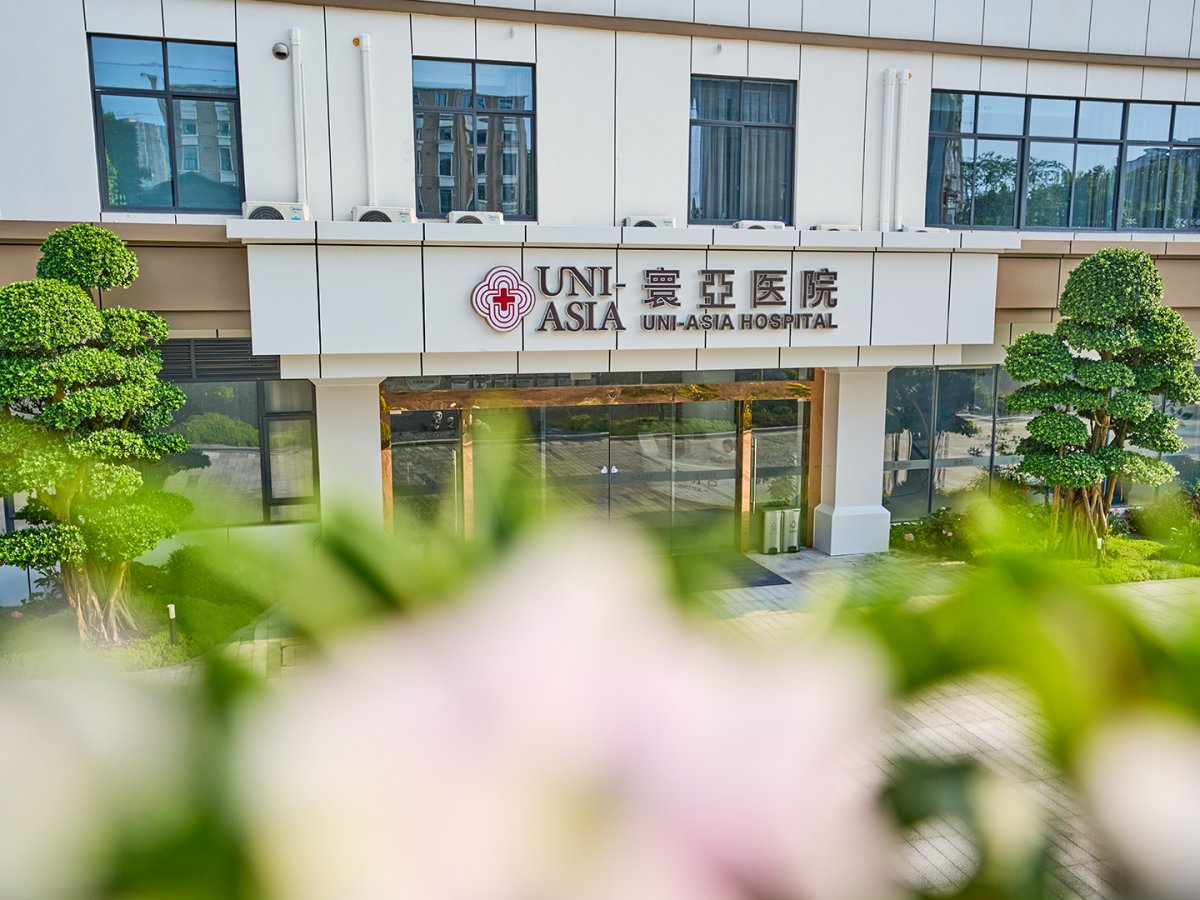
Fuda Hospital
الصين, قوانغتشو


تمت مراجعة المقالة طبيا من قبل
فهد مولود
| الصين | تركيا | إسبانيا | |
|---|---|---|---|
| Halcyon (هالسيون) | ≈ $9,000 | ≈ $9,500 | ≈ $6,500 |
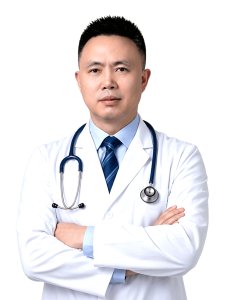
كبير الأطباء وأستاذ. خبير من الدرجة الأولى في مركز السرطان بمستشفى غرب الصين، جامعة سيتشوان (المرتبة الثانية في الصين). أنهى زمالة ما بعد الدكتوراه في الأشعة التداخلية بالمستشفى العام لجيش التحرير الشعبي الصيني. يقود رعاية فريق متعدد التخصصات (MDT) للأورام المعقدة. خبير في طب الأورام التداخلي طفيف التوغل لأورام الكبد والرئة والبنكرياس.
الاعتمادات: عضو مجلس في WATA. عضو في لجان CACA وCMDA للتدخلات، والاستئصال الحراري، والبذور المشعة، وعلاج الألم. في 2023، عضو مجلس مؤسِّس في لجنة الرعاية
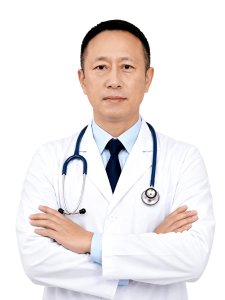
الدكتور هي ويبينغ رائد الاستئصال بالتبريد بالأرجون–الهيليوم في الصين، وله أكثر من 20 عاماً من الممارسة السريرية المباشرة. كان عضواً مؤسِّساً لمستشفى فودا للسرطان (قوانغتشو)، وشارك في تأسيس مركز علاج الأورام طفيفة التوغل فيه وتولى منصب نائب المدير التنفيذي. كما أسهم في تأسيس مجموعة الاستئصال التابعة للجمعية الصينية لمكافحة السرطان. وكان المنفّذ الرئيسي في أكثر من 10,000 إجراء.
يتخصص في الاستئصال بالتبريد للأورام، وهو متمرّس في العلاج الإشعاعي الموضعي ببذور اليود‑125، مع تركيز على سرطاني
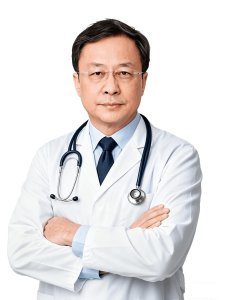
البروفيسور لوو شياوبينغ اختصاصي أشعة تداخلية معترف به على المستوى الوطني ومن أبرز الخبراء في غرب الصين. بدأ ريادة التدخلات الوعائية في أوائل التسعينيات، وأسهم في تأسيس فريق الأشعة التداخلية في المستشفى الثاني الملحق بجامعة تشونغتشينغ الطبية.
أجرى أكثر من 100 ألف إجراء تداخلي، بينها نحو 4 آلاف حالة معقدة. تشمل مهاراته الأساسية الانصمام الكيميائي عبر الشريان الكبدي (TACE) لعلاج سرطان الخلايا الكبدية، وتداخلات متلازمة بود–كياري، وإجراء TIPS، وتركيب دعامتين في مرحلة واحدة لعلاج انسداد القن
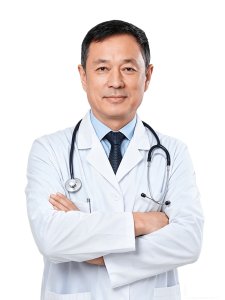
الأستاذ شياو يويونغ هو كبير الأطباء في قسم التشخيص الإشعاعي بالمستشفى العام لجيش التحرير الشعبي الصيني، وخبير بارز في طب الأورام التداخلي طفيف التوغل. يشغل منصب الرئيس المؤسس لـWATA (2025–). ويرأس الجمعية الدولية (2020–) والجمعية الآسيوية (2012–) للعلاج بالتجميد. كما أنه نائب رئيس مجموعة الخبراء بهيئة الصحة الوطنية (NHC) للوائح استئصال الأورام (2009–).
أجرى أكثر من 100,000 إجراء طفيف التوغل موجهًا بالتصوير المقطعي/الرنين المغناطيسي. يشمل عمله الاستئصال الكيميائي، والاستئصال بالترددات ا
 Anna Leonova
يختار المرضى الصين لرعاية سرطان البلعوم الأنفي بسبب حجم الحالات المرتفع والخبرة السريرية في البلاد. تدير مراكز الأورام الصينية ما يقرب من نصف الحالات العالمية سنويًا. تسمح هذه الخبرة للجراحين وأطباء الأورام بالإشعاع بتنفيذ بروتوكولات موحدة ومصقولة للغاية. غالبًا ما تبلغ هذه المرافق المتخصصة عن معدلات بقاء على قيد الحياة لمدة 5 سنوات تتجاوز 80٪.
رؤية خبير Bookimed: تظهر البيانات أن المراكز في قوانغتشو وشيامن توفر ميزة خبرة كبيرة لسرطانات الرأس والرقبة. عالج مستشفى فودا للسرطان أكثر من 30,000 مريض دولي باستخدام أدوات متخصصة طفيفة التوغل. الدكتور ليو شي شين في شيامن هو حاصل على بدل حكومي خاص من مجلس الدولة. تشير أوراق الاعتماد هذه إلى مستوى من الخبرة نادرًا ما يوجد في المناطق التي يكون فيها سرطان البلعوم الأنفي نادرًا.
إجماع المرضى: يؤكد المرضى أنه نظرًا لأن هذا السرطان نادر في أماكن أخرى، فإنهم يبحثون عن فرق صينية لخبرتهم الروتينية. يلاحظ الكثيرون أنه من الضروري العثور على مركز ذي خبرة في الحفاظ على الغدد ال
تُبلغ الصين عن معدل بقاء على قيد الحياة لمدة 5 سنوات لسرطان البلعوم الأنفي (NPC) يلبي أو يتجاوز المعايير الغربية في المراكز المتميزة. تستخدم المرافق المتخصصة أحجامًا كبيرة من المرضى والعلاج الإشعاعي المتقدم لتحقيق هذه النتائج. تعتمد نتائج البقاء على قيد الحياة عالميًا بشكل كبير على الكشف المبكر وسير عمل الإشعاع الحديث.
رؤية خبير Bookimed: حجم المرضى هو مؤشر جودة رئيسي لهذا النوع المحدد من السرطان. قدمت مراكز مثل مستشفى فودا للسرطان الخدمة لأكثر من 30,000 مريض دولي. يسمح هذا التدفق العالي للجراحين بصقل تقنيات معقدة مثل NanoKnife والجراحة بالتبريد. غالبًا ما يؤدي اختيار مرفق لديه حجم حالات سنوي ضخم إلى نتائج بقاء أفضل من العيادات الأصغر.
إجماع المرضى: يشير المرضى إلى أن التخصص في أورام الرأس والرقبة أمر حيوي للتعافي. وغالبًا ما يؤكدون أن الإحالة المركزية إلى مراكز ذات حجم كبير تساعد في اكتشاف المرض في مراحل مبكرة وأكثر قابلية للعلاج.
يُعد العلاج الإشعاعي المعدل الشدة (IMRT) هو المعيار الذهبي لعلاج سرطان البلعوم الأنفي غير النقيلي في الصين. وغالباً ما يدمج المتخصصون هذا العلاج مع العلاج الكيميائي الجهازي في المراحل المتقدمة. يؤدي هذا النهج القائم على الإشعاع إلى معدلات بقاء على قيد الحياة لمدة 5 سنوات تتجاوز 90% لمرضى المرحلة الأولى داخل مراكز الأورام الصينية.
رؤية خبير Bookimed: بينما تركز معظم البروتوكولات الدولية فقط على الإشعاع، تؤكد المراكز الصينية مثل مستشفى فودا للسرطان (Fuda Cancer Hospital) المعتمد من اللجنة الدولية المشتركة (JCI) على الخبرة المتخصصة في دمج العلاجات طفيفة التوغل. تُظهر بياناتنا أن مقدمي الخدمات ذوي الحجم الكبير غالباً ما يفضلون الأطباء الحاصلين على شهادات محددة، مثل الدكتور ليو شي شين، الذي يشغل مناصب قيادية متعددة في الجمعية الصينية للأورام السريرية. يعد هذا التخصص العميق في العلاج الإشعاعي الدقيق أمراً بالغ الأهمية نظراً لأن البروتوكولات الصينية تعد من بين الأكثر عدوانية على مستوى العالم بسبب ارتفاع
تشمل العلاجات المتقدمة لسرطان البلعوم الأنفي في الصين مثبطات PD-1 مثل توريباليماب وسينتيليماب. غالبًا ما يتم دمج هذه العلاجات المناعية مع العلاج الكيميائي أو الإشعاع الدقيق. توفر المرافق المعتمدة من JCI استئصالًا من الجيل التالي مثل NanoKnife والجراحة بالتبريد. تحافظ مراكز الأورام الصينية على معدلات بقاء عالية لمدة 5 سنوات من خلال هذه البروتوكولات متعددة الوسائط.
رؤية خبير Bookimed: تظهر البيانات أن مستشفيات قوانغتشو غالبًا ما تعطي الأولوية للجمع بين العلاج المناعي وارتفاع الحرارة بالميكروويف أو العلاج التداخلي الوعائي. عالج مستشفى فودا للسرطان أكثر من 30,000 مريض دولي باستخدام هذه الأساليب المشتركة طفيفة التوغل. هذا النهج متعدد الجوانب فعال بشكل خاص للحالات في المراحل المتأخرة حيث لا تكون الجراحة التقليدية قابلة للتطبيق. كما يقوم أطباء مثل البروفيسور ليو شي شين بدمج العلاج الإشعاعي الدقيق لتحسين النتائج في الأورام الخبيثة الصدرية وأورام الرأس والرقبة.
إجماع المرضى: يؤكد المرضى أن خطط العلاج فردية للغاية بناءً على علامات ال
تعد الجراحة طفيفة التوغل خياراً قابلاً للتطبيق لعلاج سرطان البلعوم الأنفي المتكرر في الصين. يعتمد ذلك على موقع الورم وتاريخ الإشعاع السابق. يستخدم المتخصصون غالباً مناهج تنظيرية عبر الأنف لإزالة الأورام المتكررة الصغيرة والموضعية. هذا يتجنب الشقوق الكبيرة مع الحفاظ على هياكل قاعدة الجمجمة الحيوية.
رؤية خبير Bookimed: تُظهر مراكز الأورام الصينية مثل مستشفى فودا للسرطان تركيزاً فريداً على العلاجات المتخصصة غير الدوائية. فهي تطبق أكثر من 10 أنواع من العلاجات طفيفة التوغل، بما في ذلك التدخل الوعائي وفرط الحرارة بالموجات الدقيقة. يسمح هذا التنوع للأطباء بعلاج الحالات المتقدمة التي ربما فشل فيها العلاج الكيميائي القياسي بالفعل.
إجماع المرضى: يشير المرضى إلى أن الإشعاع السابق غالباً ما يجعل الأنسجة هشة. ويؤكدون أن جراحة قاعدة الجمجمة بالمنظار معقدة وتتطلب فرقاً جراحية ذات خبرة عالية.
تعمل مراكز الأورام الصينية على تقليل الآثار الجانبية للإشعاع من خلال الجمع بين العلاج الإشعاعي الدقيق والطب الصيني التقليدي لحماية الأنسجة السليمة. تستخدم المرافق ذات الحجم الكبير العلاج الإشعاعي المعدل الشدة والتخطيط التكيفي لنحت الحزم حول الأورام. يقلل هذا النهج من الضرر الذي يلحق بالغدد اللعابية والأعضاء الحيوية المجاورة.
رؤية خبير Bookimed: يعمل حجم المرضى كمؤشر جودة حاسم في طب الأورام الصيني. قدم مستشفى فودا للسرطان الخدمة لأكثر من 30,000 مريض دولي. يسمح هذا الحجم الكبير للمتخصصين مثل الدكتور ليو شي شين في مستشفى شيامن الإنساني بتحسين التثبيت وتتبع السمية. غالبًا ما تحافظ المراكز ذات الخبرة الواسعة على بروتوكولات أكثر اتساقًا لإدارة الآثار الجانبية الحادة.
إجماع المرضى: يشير المرضى إلى أنه على الرغم من استمرار حدوث آثار جانبية مثل جفاف الفم والتعب، فإن تقنيات الدقة تجعلها أكثر قابلية للإدارة. ويؤكدون أن الحفاظ على وظائف الكلام والبلع على المدى الطويل هو الهدف الأساسي لهذه البروتوكولات المتقدمة.