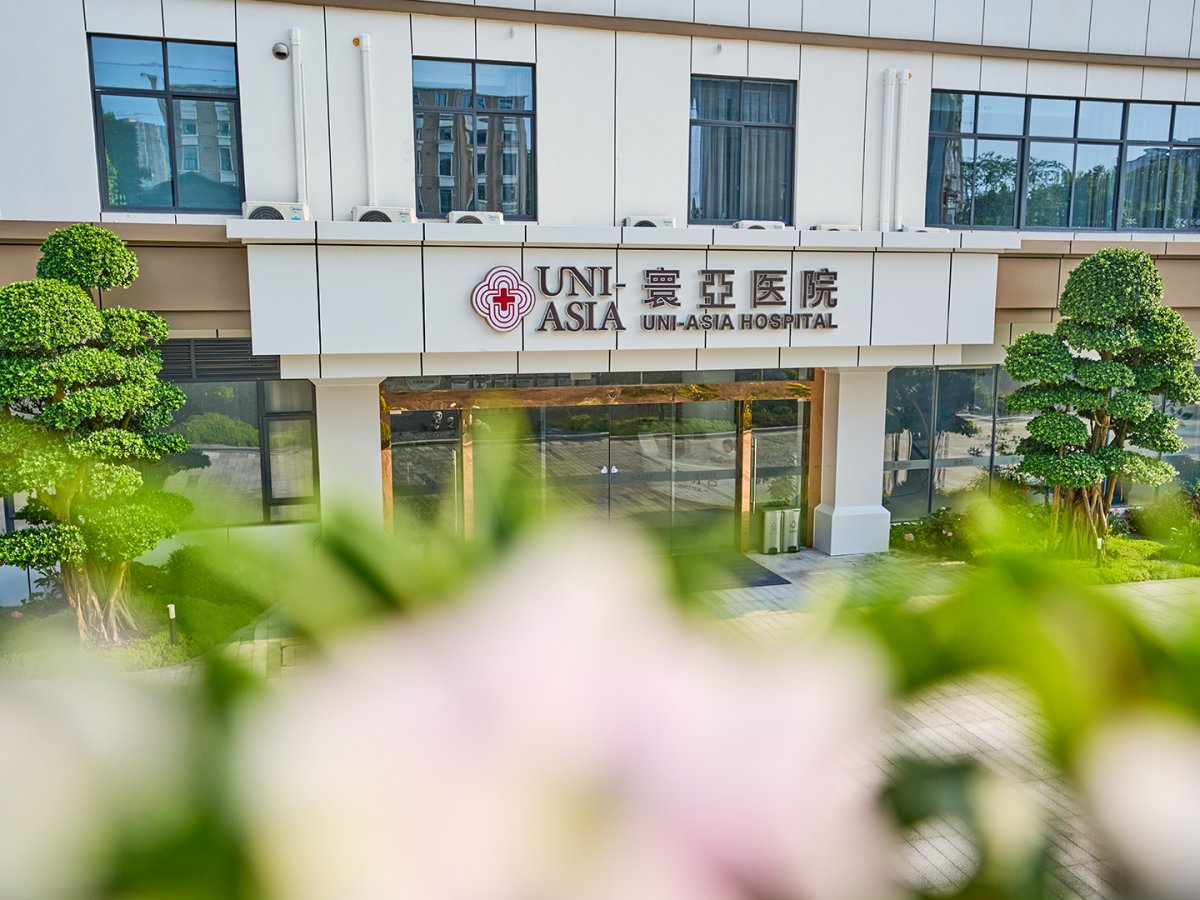
Fuda Hospital
الصين, قوانغتشو


تمت مراجعة المقالة طبيا من قبل
فهد مولود
تتراوح تكلفة علاج سرطان القولون السيني في الصين من $9,500 إلى $17,500 للاستئصال الجراحي الأولي. أما العلاج الإشعاعي المتخصص لسرطان القولون والمستقيم فيتراوح عمومًا من $11,500 إلى $27,500. تعتمد التكاليف الإجمالية على مرحلة السرطان، والتكنولوجيا المستخدمة، والعلاجات المساعدة المطلوبة. يمكن للمرضى توقع توفير ما بين 50-70% مقارنة بالولايات المتحدة. تشمل المراكز الطبية الرائدة قوانغتشو وبكين وشنغهاي.
تكاليف علاج سرطان القولون السيني النموذجية في الصين
رؤية خبراء Bookimed: يستفيد المرضى الذين يعانون من حالات متقدمة أو معقدة من المراكز التي تقدم علاجات متعددة الوسائط وبأقل تدخل جراحي. يوفر مستشفى فودا للسرطان في قوانغتشو أكثر من 10 خيارات مبتكرة، بما في ذلك الجراحة بالتبريد وNanoKnife. وقد عالجت هذه المنشأة الحاصلة على اعتماد اللجنة الدولية المشتركة (JCI) أكثر من 30,000 مريض دولي. وللحصول على علاج إشعاعي دقيق، يضم مستشفى شيامن هيومانيتي متخصصين مثل البروفيسور ليو شي شين، الذي يتميز في تقنيات VMAT وSBRT لسرطانات البطن.
| الصين | تركيا | إسبانيا | |
|---|---|---|---|
| العلاج الكيميائي لسرطان الثدي | ≈ $14,800 | من $3,000 | من $1,700 |
| العلاج الإشعاعي لسرطان القولون والمستقيم | ≈ $11,500 | من $5,000 | من $7,500 |
| استئصال القولون | ≈ $9,500 | من $5,000 | من $20,000 |
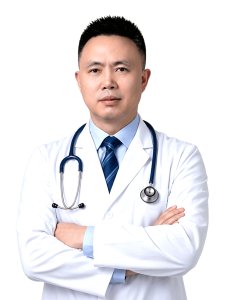
كبير الأطباء وأستاذ. خبير من الدرجة الأولى في مركز السرطان بمستشفى غرب الصين، جامعة سيتشوان (المرتبة الثانية في الصين). أنهى زمالة ما بعد الدكتوراه في الأشعة التداخلية بالمستشفى العام لجيش التحرير الشعبي الصيني. يقود رعاية فريق متعدد التخصصات (MDT) للأورام المعقدة. خبير في طب الأورام التداخلي طفيف التوغل لأورام الكبد والرئة والبنكرياس.
الاعتمادات: عضو مجلس في WATA. عضو في لجان CACA وCMDA للتدخلات، والاستئصال الحراري، والبذور المشعة، وعلاج الألم. في 2023، عضو مجلس مؤسِّس في لجنة الرعاية
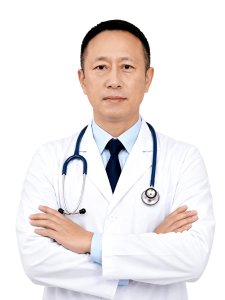
الدكتور هي ويبينغ رائد الاستئصال بالتبريد بالأرجون–الهيليوم في الصين، وله أكثر من 20 عاماً من الممارسة السريرية المباشرة. كان عضواً مؤسِّساً لمستشفى فودا للسرطان (قوانغتشو)، وشارك في تأسيس مركز علاج الأورام طفيفة التوغل فيه وتولى منصب نائب المدير التنفيذي. كما أسهم في تأسيس مجموعة الاستئصال التابعة للجمعية الصينية لمكافحة السرطان. وكان المنفّذ الرئيسي في أكثر من 10,000 إجراء.
يتخصص في الاستئصال بالتبريد للأورام، وهو متمرّس في العلاج الإشعاعي الموضعي ببذور اليود‑125، مع تركيز على سرطاني
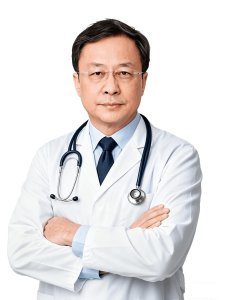
البروفيسور لوو شياوبينغ اختصاصي أشعة تداخلية معترف به على المستوى الوطني ومن أبرز الخبراء في غرب الصين. بدأ ريادة التدخلات الوعائية في أوائل التسعينيات، وأسهم في تأسيس فريق الأشعة التداخلية في المستشفى الثاني الملحق بجامعة تشونغتشينغ الطبية.
أجرى أكثر من 100 ألف إجراء تداخلي، بينها نحو 4 آلاف حالة معقدة. تشمل مهاراته الأساسية الانصمام الكيميائي عبر الشريان الكبدي (TACE) لعلاج سرطان الخلايا الكبدية، وتداخلات متلازمة بود–كياري، وإجراء TIPS، وتركيب دعامتين في مرحلة واحدة لعلاج انسداد القن
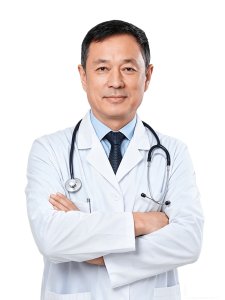
الأستاذ شياو يويونغ هو كبير الأطباء في قسم التشخيص الإشعاعي بالمستشفى العام لجيش التحرير الشعبي الصيني، وخبير بارز في طب الأورام التداخلي طفيف التوغل. يشغل منصب الرئيس المؤسس لـWATA (2025–). ويرأس الجمعية الدولية (2020–) والجمعية الآسيوية (2012–) للعلاج بالتجميد. كما أنه نائب رئيس مجموعة الخبراء بهيئة الصحة الوطنية (NHC) للوائح استئصال الأورام (2009–).
أجرى أكثر من 100,000 إجراء طفيف التوغل موجهًا بالتصوير المقطعي/الرنين المغناطيسي. يشمل عمله الاستئصال الكيميائي، والاستئصال بالترددات ا
 Anna Leonova
تعالج المستشفيات الصينية سرطان الغدة السيني باستخدام مبادئ الجمعية الصينية لعلم الأورام السريري (CSCO) ولجنة الصحة الوطنية (NHC). تتماشى هذه المعايير مع أطر NCCN وESMO الدولية. وهي تؤكد على العلاج الموجه بالمؤشرات الحيوية وبروتوكولات الفريق متعدد التخصصات (MDT) للحالات المعقدة أو النقيلية.
رؤية خبير Bookimed: تظهر البيانات أن مراكز الأورام الصينية مثل مستشفى فودا للسرطان المعتمد من JCI تؤكد على العلاجات المتخصصة طفيفة التوغل للمراحل المتقدمة. في حين توصي المبادئ التوجيهية المحلية بالعلاج الكيميائي القياسي، غالبًا ما تدمج هذه المراكز ذات الحجم الكبير بروتوكولات مستهدفة مثل NanoKnife أو الجراحة بالتبريد للانبثاث. تجذب هذه الخبرة المتخصصة مرضى من أكثر من 100 دولة يبحثون عن بدائل لسرطان السيني في مراحل متأخرة.
إجماع المرضى: يشير المرضى إلى أن المستشفيات الأكاديمية الكبرى تتبع بروتوكولات على الطراز الدولي، لذا فهم يوصون بطلب آراء من مراكز ثالثية ذات حجم كبير. ويؤكدون على السؤال صرا
يحدد أطباء الأورام مرحلة الورم قبل العلاج باستخدام التقييم السريري للمرحلة. يحدد هذا الأساس حجم الورم الأولي وانتشاره من خلال التصوير والخزعة. في الصين، تستخدم مراكز مثل مستشفى فودا للسرطان (Fuda Cancer Hospital) فحوصات PET/CT والأشعة المقطعية للتصوير الدقيق. ثم يطبق الأطباء إطار TNM لتصنيف السرطان من المرحلة 0 إلى IV.
رؤية خبير Bookimed: غالباً ما يرتبط حجم المرضى بدقة التشخيص في طب الأورام الصيني. قدم مستشفى فودا للسرطان الخدمة لأكثر من 30,000 مريض دولي وهو متخصص في السرطان في مراحل متقدمة. يسمح هذا الحجم الكبير للمتخصصين مثل الدكتور ليو شي شين بتفسير فحوصات التصوير الدقيقة بشكل أفضل والتي قد تغفل عنها البروتوكولات القياسية.
إجماع المرضى: يشير المرضى إلى أن تقييم المرحلة قبل العلاج غالباً ما يكون تقديراً يعتمد على التصوير. ويؤكدون على أهمية السؤال عما إذا كان التقرير يعكس نتائج سريرية أم مرضية، حيث تكشف الجراحة غالباً عن انتشار مجهري لم تكتشفه الأشعة المقطعية.
تشمل الخيارات طفيفة التوغل القياسية لسرطان القولون السيني في الصين استئصال القولون السيني الجذري بالمنظار وبمساعدة الروبوت. تجري المراكز ذات الحجم الكبير هذه الإجراءات وفقًا لإرشادات الجمعية الصينية لعلم الأورام السريري (CSCO). كما تُستخدم تقنيات مثل استخراج العينات عبر الفتحات الطبيعية (NOSE) على نطاق واسع في أقسام الأورام الصينية المتخصصة.
رؤية خبير Bookimed: بينما يركز الكثيرون على التكنولوجيا الروبوتية، فإن المؤشر الحقيقي للجودة في الصين هو حجم عمليات الجراح في المرافق المعتمدة من قبل JCI مثل مستشفى فودا للسرطان (Fuda Cancer Hospital). عالج هذا المستشفى أكثر من 30,000 مريض دولي. يعتمد النجاح السريري هنا غالبًا على علاجات طفيفة التوغل متخصصة تعمل كبدائل للعلاج الكيميائي الجهازي التقليدي.
إجماع المرضى: يؤكد المرضى على أهمية العثور على أخصائي قولون ومستقيم يقوم بهذه الاستئصالات يوميًا بدلاً من التركيز على العلامة التجارية للروبوت. غالبًا ما يشيرون إلى أن الجراحة طفيفة التوغل تتطلب فترة تعافٍ حقيقية بما في ذلك تحضير الأمعاء.
تتبع الصين إرشادات CSCO لعلاج سرطان الغدة في القولون السيني. تتكون أنظمة الخط الأول من CapeOx أو FOLFOX للمرحلتين الثانية والثالثة. تستخدم الحالات النقيلية تلك الركائز بالإضافة إلى FOLFIRI أو FOLFOXIRI. يحدد وضع المؤشرات الحيوية إضافة العوامل الموجهة مثل Cetuximab أو Bevacizumab.
رؤية خبير Bookimed: يخلق حجم المرضى في المراكز المتخصصة مثل مستشفى فودا للسرطان مستوى عالٍ من توحيد البروتوكولات. تظهر بياناتنا أن مرضى الأورام غالباً ما يختارون هذه المرافق المعتمدة من JCI لأنها توفر الوصول إلى فرق متعددة التخصصات. تجمع هذه الفرق بين العلاج الكيميائي الجهازي والتقنيات المتقدمة مثل NanoKnife أو العلاج التدخلي الوعائي لإدارة الحالات المعقدة.
إجماع المرضى: يشير المرضى إلى أن الاختيار بين FOLFOX أو CapeOx يعتمد غالباً على الراحة مقابل زيارات المستشفى. في حين أن الخيارات الفموية توفر الوقت، فإن إدارة الآثار الجانبية مثل متلازمة اليد والقدم تتطلب تنسيقاً وثيقاً مع الطاقم الطبي.
تتوفر العلاجات الموجهة والمبنية على المناعة لسرطان الغدية السيني على نطاق واسع في الصين. يعتمد الاختيار على التنميط الجزيئي لأنسجة الورم أو الدم. يستخدم الأطباء التصوير المقطعي بالإصدار البوزيتروني (PET/CT) والخزعات لتحديد علامات جينية محددة مثل حالة KRAS وNRAS وMSI قبل وصف هذه العلاجات الدقيقة.
رؤية خبير Bookimed: بينما يربط الكثيرون اعتماد JCI بالرعاية الجراحية القياسية، فإنه في الصين غالبًا ما يشير إلى الوصول إلى بدائل متقدمة غير كيميائية. يخدم مستشفى فودا للسرطان في قوانغتشو، الذي يحمل حالة JCI، أكثر من 30,000 مريض دولي. وهو يجمع بشكل فريد بين النهج الموجه وفرط الحرارة بالموجات الدقيقة وتقنيات NanoKnife للحالات في مراحل متأخرة.
إجماع المرضى: يؤكد المرضى أن هذه العلاجات ليست تلقائية وتتطلب تقارير جزيئية رسمية. يلاحظ الكثيرون أن العلاج المناعي فعال للغاية، ولكن فقط للمجموعة الفرعية المحددة MSI-high.
يعمل الطب الصيني التقليدي (TCM) كعلاج داعم إلى جانب الأورام القياسية في الصين. وهو يكمل إجراءات مثل استئصال القولون والعلاج الكيميائي لسرطان الغدة في القولون السيني. تدمج المرافق المعتمدة من قبل JCI الوخز بالإبر والطب العشبي لتخفيف الغثيان والتعب. تعمل هذه الطرق على تحسين التعافي ولكنها لا تحل محل البروتوكولات الجراحية أو الطبية القياسية أبدًا.
رؤية خبير Bookimed: يكشف تحليل المراكز المعتمدة من قبل JCI في الصين، مثل مستشفى فودا للسرطان، عن نهج فريد للرعاية في المراحل المتأخرة. غالبًا ما تضم هذه المستشفيات خدمات الطب الصيني التقليدي مباشرة داخل قسم الأورام. يسمح هذا الهيكل للجراحين مثل الدكتور ما شياو يينغ بمراقبة فحوصات الكبد في الوقت الفعلي. يستفيد المرضى عندما يتم تعديل العلاجات العشبية فورًا بناءً على التعافي الجراحي أو دورات العلاج الكيميائي.
إجماع المرضى: يؤكد المرضى أن الطب الصيني التقليدي هو الأكثر فعالية لتحسين الشهية والنوم أثناء التعافي. ويشيرون إلى أنه من الضروري مشاركة جميع المكملات العشبية مع طبيب الأورام لتجنب مضاعفات الكبد.