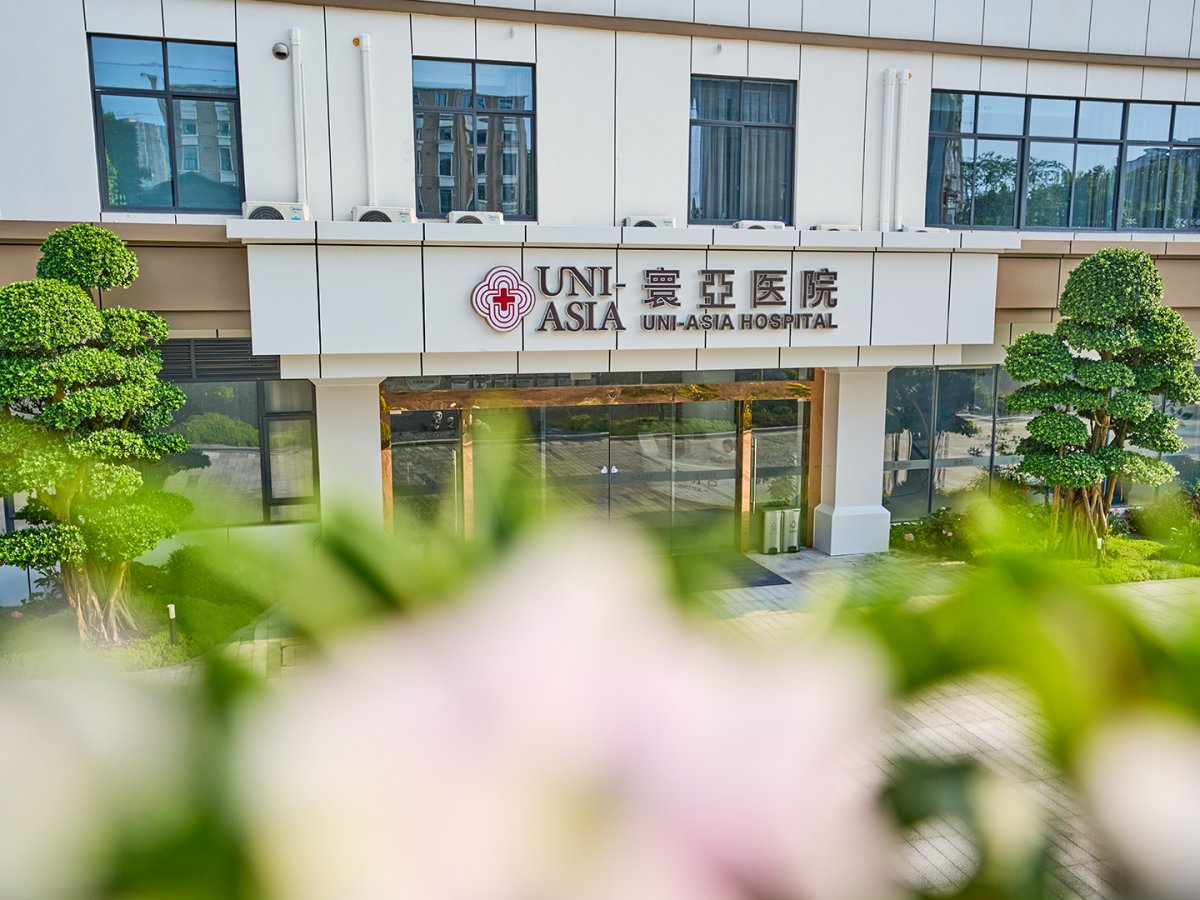
Fuda Hospital
الصين, قوانغتشو


تمت مراجعة المقالة طبيا من قبل
فهد مولود
من $24,000. تعتمد النفقات الإجمالية على المرحلة السريرية، والنهج التكنولوجي المختار، ومستوى المستشفى. وغالبًا ما يوفر المرضى الدوليون حوالي 50-70% مقارنة بأسعار الخدمات الطبية في الولايات المتحدة. تشمل المراكز الطبية الرئيسية لهذه العلاجات قوانغتشو، وشيامن، وبكين.
تكاليف علاج سرطان اللوزتين النموذجية في الصين
رؤية خبراء Bookimed: يستفيد المرضى الذين يعانون من سرطان اللوزتين المتقدم أو المعقد جراحيًا من مراكز الأورام المتخصصة مثل مستشفى فودا للسرطان (Fuda Cancer Hospital). تتخصص هذه المنشأة الحاصلة على اعتماد اللجنة الدولية المشتركة (JCI) في الخيارات طفيفة التوغل مثل تقنية النانو نايف والعلاج التداخلي الوعائي. وبالنسبة لأولئك الذين يحتاجون إلى إشعاع دقيق، يقدم البروفيسور ليو شي شين في مستشفى شيامن هيومانيتي (Xiamen Humanity Hospital) بروتوكولات متخصصة في العلاج الإشعاعي المعدل الشدة (IMRT) والعلاج الإشعاعي المعدل حجميًا (VMAT). توفر هذه التقنيات المتقدمة قيمة كبيرة للحالات المتأخرة التي قد تكون فيها الجراحة التقليدية عالية المخاطر.
| الصين | تركيا | إسبانيا | |
|---|---|---|---|
| نانو نايف NanoKnife | من $24,000 | ≈ $9,500 | ≈ $9,500 |
| العلاج الكيميائي لسرطان الثدي | ≈ $14,800 | من $3,000 | من $1,700 |
| العلاج الإشعاعي لسرطان القولون والمستقيم | ≈ $11,500 | من $5,000 | من $7,500 |
| Halcyon (هالسيون) | ≈ $9,000 | ≈ $9,500 | ≈ $6,500 |
| Cryodestruction | ≈ $2,200 | من $500 | ≈ $900 |
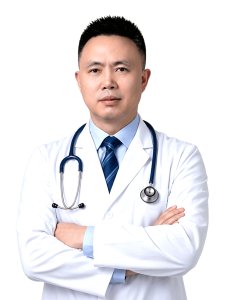
كبير الأطباء وأستاذ. خبير من الدرجة الأولى في مركز السرطان بمستشفى غرب الصين، جامعة سيتشوان (المرتبة الثانية في الصين). أنهى زمالة ما بعد الدكتوراه في الأشعة التداخلية بالمستشفى العام لجيش التحرير الشعبي الصيني. يقود رعاية فريق متعدد التخصصات (MDT) للأورام المعقدة. خبير في طب الأورام التداخلي طفيف التوغل لأورام الكبد والرئة والبنكرياس.
الاعتمادات: عضو مجلس في WATA. عضو في لجان CACA وCMDA للتدخلات، والاستئصال الحراري، والبذور المشعة، وعلاج الألم. في 2023، عضو مجلس مؤسِّس في لجنة الرعاية
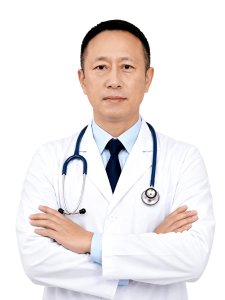
الدكتور هي ويبينغ رائد الاستئصال بالتبريد بالأرجون–الهيليوم في الصين، وله أكثر من 20 عاماً من الممارسة السريرية المباشرة. كان عضواً مؤسِّساً لمستشفى فودا للسرطان (قوانغتشو)، وشارك في تأسيس مركز علاج الأورام طفيفة التوغل فيه وتولى منصب نائب المدير التنفيذي. كما أسهم في تأسيس مجموعة الاستئصال التابعة للجمعية الصينية لمكافحة السرطان. وكان المنفّذ الرئيسي في أكثر من 10,000 إجراء.
يتخصص في الاستئصال بالتبريد للأورام، وهو متمرّس في العلاج الإشعاعي الموضعي ببذور اليود‑125، مع تركيز على سرطاني
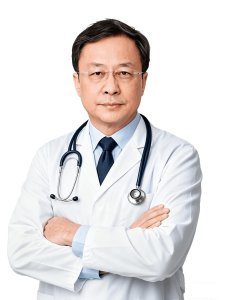
البروفيسور لوو شياوبينغ اختصاصي أشعة تداخلية معترف به على المستوى الوطني ومن أبرز الخبراء في غرب الصين. بدأ ريادة التدخلات الوعائية في أوائل التسعينيات، وأسهم في تأسيس فريق الأشعة التداخلية في المستشفى الثاني الملحق بجامعة تشونغتشينغ الطبية.
أجرى أكثر من 100 ألف إجراء تداخلي، بينها نحو 4 آلاف حالة معقدة. تشمل مهاراته الأساسية الانصمام الكيميائي عبر الشريان الكبدي (TACE) لعلاج سرطان الخلايا الكبدية، وتداخلات متلازمة بود–كياري، وإجراء TIPS، وتركيب دعامتين في مرحلة واحدة لعلاج انسداد القن
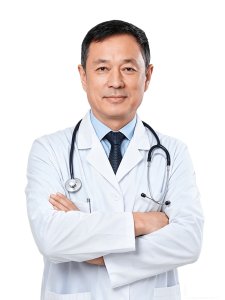
الأستاذ شياو يويونغ هو كبير الأطباء في قسم التشخيص الإشعاعي بالمستشفى العام لجيش التحرير الشعبي الصيني، وخبير بارز في طب الأورام التداخلي طفيف التوغل. يشغل منصب الرئيس المؤسس لـWATA (2025–). ويرأس الجمعية الدولية (2020–) والجمعية الآسيوية (2012–) للعلاج بالتجميد. كما أنه نائب رئيس مجموعة الخبراء بهيئة الصحة الوطنية (NHC) للوائح استئصال الأورام (2009–).
أجرى أكثر من 100,000 إجراء طفيف التوغل موجهًا بالتصوير المقطعي/الرنين المغناطيسي. يشمل عمله الاستئصال الكيميائي، والاستئصال بالترددات ا
 Anna Leonova
يستخدم علاج سرطان اللوزتين في الصين المعايير الدولية لعلم الأورام والتكنولوجيا الحيوية المحلية المتقدمة لتحقيق معدلات نجاح عالية. تشمل الرعاية القياسية العلاج الإشعاعي المعدل الشدة (IMRT) الدقيق والعلاج الكيميائي الإشعاعي المتزامن. تشمل البروتوكولات المتقدمة تقنية NanoKnife (التثقيب الكهربائي غير القابل للعكس) والجراحة بالتبريد داخل مرافق معتمدة من JCI للحالات المعقدة أو المتأخرة.
رؤية خبير Bookimed: بينما تتبع العديد من المراكز العلاج الكيميائي القياسي، يتخصص مستشفى فودا للسرطان في قوانغتشو في علاج الأورام في أي مرحلة. تظهر بياناتهم خدمة أكثر من 30,000 مريض دولي باستخدام علاج تدخلي وعائي فريد وعلاج حراري بالموجات الدقيقة. وهذا يجعلهم وجهة رئيسية للحالات المتقدمة التي فشلت فيها البروتوكولات التقليدية.
إجماع المرضى: يؤكد المرضى أن تخطيط الإشعاع الحديث مثل IMRT أمر بالغ الأهمية للحفاظ على القدرة على البلع. ويشيرون إلى أن الفرق متعددة التخصصات بما في ذلك الدعم الغذائي ضرورية لإدارة فقدان الوزن أثناء العلاج.
تقدم الصين نموذجاً هيكلياً للأورام التكاملي لسرطان اللوزتين يجمع بين المعايير الطبية الغربية والطب الصيني التقليدي. يستخدم هذا النظام المزدوج الجراحة أو الإشعاع لاستهداف الأورام، بينما يستخدم علاجات عشبية صينية قائمة على الأدلة لتخفيف السمية ودعم تعافي المناعة خلال دورات العلاج المكثفة.
رؤية خبير Bookimed: بينما يعتقد الكثيرون أن الرعاية التكاملية مخصصة للمراحل المتأخرة فقط، تظهر بيانات مستشفى فودا للسرطان أن هذا النموذج يخدم أكثر من 30,000 مريض في جميع المراحل. النهج الأكثر فعالية الذي لوحظ في مراكز قوانغتشو يستخدم الطب الصيني التقليدي تحديداً خلال نافذة الـ 7 أيام بعد العلاج الإشعاعي. يساعد هذا التكامل الموقوت بدقة في الحفاظ على جدول الإشعاع من خلال منع التأخيرات الالتهابية الشائعة.
إجماع المرضى: يؤكد المرضى أن الطب الغربي يقوم بالعمل العلاجي الأساسي بينما تدير الأعشاب والوخز بالإبر الآثار الجانبية مثل التعب والغثيان. يشير معظمهم إلى أن تنسيق كل مكمل مع فريق الأورام أمر حيوي لمنع التفاعلات الدوائية.
تعد قوانغتشو وبكين وشنغهاي المراكز الرئيسية في الصين لأورام الرأس والرقبة المتقدمة. تستضيف هذه المدن مؤسسات معتمدة من اللجنة الدولية المشتركة (JCI) مثل مستشفى فودا للسرطان. وغالباً ما تتخصص في التقنيات طفيفة التوغل بما في ذلك NanoKnife والجراحة بالتبريد. تستهدف هذه الطرق الأورام الخبيثة في اللوزتين مع الحفاظ على وظائف البلع الحيوية.
رؤية خبير Bookimed: تظهر البيانات أن مراكز الأورام المتخصصة في قوانغتشو، مثل مستشفى فودا للسرطان، تجذب حجماً دولياً هائلاً حيث تم علاج أكثر من 30,000 مريض من 100 دولة. في حين يبحث العديد من المرضى عن مستشفيات عامة، فإن اختيار منشأة حاصلة على اعتماد JCI وذات حجم كبير من الحالات في مراحل متأخرة يوفر غالباً وصولاً أفضل إلى تقنيات متخصصة مثل NanoKnife التي قد لا تستخدمها المراكز الثالثية العامة بشكل متكرر.
إجماع المرضى: يؤكد المرضى على اختيار
تُجرى الجراحة طفيفة التوغل لأورام اللوزتين في الصين بشكل أساسي عن طريق الفم. يصل الجراحون إلى الورم عبر الفم لتجنب الشقوق الخارجية في الرقبة. تحافظ طرق مثل الجراحة الروبوتية عبر الفم (TORS) وجراحة البلازما على القدرة على الكلام والبلع. تتم الإجراءات في مرافق معتمدة من قبل اللجنة الدولية المشتركة (JCI).
رؤية خبير Bookimed: تركز مراكز الأورام الرائدة في الصين مثل مستشفى فودا للسرطان بشكل كبير على علاج الحالات المتقدمة. غالباً ما يجمع نهجهم بين الجراحة عبر الفم وتقنيات فريدة مثل NanoKnife أو العلاج التداخلي الوعائي. بينما تركز العديد من العيادات الدولية على الاستئصال الروبوتي في المراحل المبكرة، يستخدم المتخصصون الصينيون بشكل متكرر تقنيات الاستئصال "البارد" هذه. وهذا مفيد بشكل خاص للأورام القريبة من الأوعية الدموية الحساسة حيث قد تكون الليزرات التقليدية المعتمدة على الحرارة محفوفة بالمخاطر.
إجماع المرضى: يشير المرضى إلى أنه على الرغم من أن غياب ندبات الرقبة يعد ميزة، إلا أن البلع يظل صعباً لعدة أسابيع. يؤكد الكثيرون أن اختيار فريق مت
تحل مراكز الأورام الصينية حالات سرطان اللوزتين المعقدة من خلال مجالس الأورام متعددة التخصصات. تجمع هذه اللجان بين مدخلات أطباء الأورام الإشعاعيين والجراحين وأطباء الأشعة للتحقق من دقة تحديد المرحلة. تضمن هذه المراجعة التعاونية تخطيطًا دقيقًا للعلاج للأورام التي تكون قابلة للاستئصال بشكل حدودي أو نتائج الخزعة الغامضة.
رؤية خبير Bookimed: تظهر بيانات مستشفى فودا للسرطان أن المرافق المعتمدة من قبل JCI تركز غالبًا على حالات المرحلة المتأخرة. يؤدي هذا الحجم الكبير إلى خبرة متخصصة في الأساليب طفيفة التوغل مثل NanoKnife. يستفيد المرضى الذين يعانون من مرحلة حدودية من هذه الخبرة عندما تعتبر العمليات الجراحية القياسية محفوفة بالمخاطر.
إجماع المرضى: يؤكد المرضى أن مراجعة مرضية ثانية من قبل متخصصين في الرأس والرقبة غالبًا ما تغير تشخيصهم. كما ينصحون بتأكيد حالة فيروس الورم الحليمي البشري (HPV) مبكرًا لأنها تؤثر بشكل كبير على استراتيجية العلاج الشاملة.
يتبع المرضى الدوليون مساراً طبياً موحداً للوصول إلى رعاية سرطان اللوزتين في الصين. تتضمن العملية التحقق الرقمي من التاريخ الطبي، والحصول على تأشيرات متخصصة، وتخطيط العلاج بدقة. تستخدم المرافق المتخصصة المعتمدة من قبل اللجنة الدولية المشتركة (JCI) مثل مستشفى فودا للسرطان تقنيات طفيفة التوغل لعلاج الأورام الخبيثة في مراحلها المتأخرة.
رؤية خبير Bookimed: يعمل حجم المرضى كمؤشر جودة حاسم للأورام المعقدة. عالج مستشفى فودا للسرطان أكثر من 30,000 مريض من 100 دولة. تشير هذه الخبرة الدولية الهائلة إلى أن فرق التنسيق لديهم فعالة للغاية في إدارة الخدمات اللوجستية عبر الحدود وأنظمة الدفع المتخصصة مثل WeChat أو Alipay.
إجماع المرضى: يؤكد المرضى على أهمية العثور على مستشفى ثالثي يدير جراحة الأنف والأذن والحنجرة والإشعاع في موقع واحد. ويشيرون إلى أن وجود منسق يتحدث الإنجليزية وعلى دراية بمفردات الأورام أمر ضروري لتلبية احتياجات التعافي اليومية.
يمكن إدارة حواجز اللغة في مراكز الأورام الصينية الكبرى من خلال أقسام دولية متخصصة في المرافق المعتمدة من قبل اللجنة الدولية المشتركة (JCI). تستخدم المراكز المركزية في قوانغتشو وشيامن منسقين مخصصين للمرضى الأجانب. غالبًا ما يكون التواصل إجرائيًا. المترجمون ضروريون لإدارة الآثار الجانبية المعقدة مثل عسر البلع.
رؤية خبير Bookimed: غالبًا ما يؤدي الحجم السريري إلى استشارات فعالة للغاية، وإن كانت قصيرة. يعالج مستشفى فودا للسرطان أكثر من 30,000 مريض باستخدام علاجات طفيفة التوغل متخصصة مثل NanoKnife. هذا الإنتاج المرتفع يعني أن الأطباء يعطون الأولوية للبيانات الطبية الفورية على حساب استشارات الآثار الجانبية طويلة المدى. يجب على المرضى إعداد أسئلة مكتوبة مسبقًا لتحقيق أقصى استفادة من هذه التفاعلات الموجزة.
إجماع المرضى: يشير المرضى إلى أن التعامل مع لوجستيات المستشفى أصعب من تلقي الرعاية الطبية نفسها. يعد إحضار مرافق للتعامل مع النماذج والجدولة أمرًا حيويًا لتجربة سلسة.