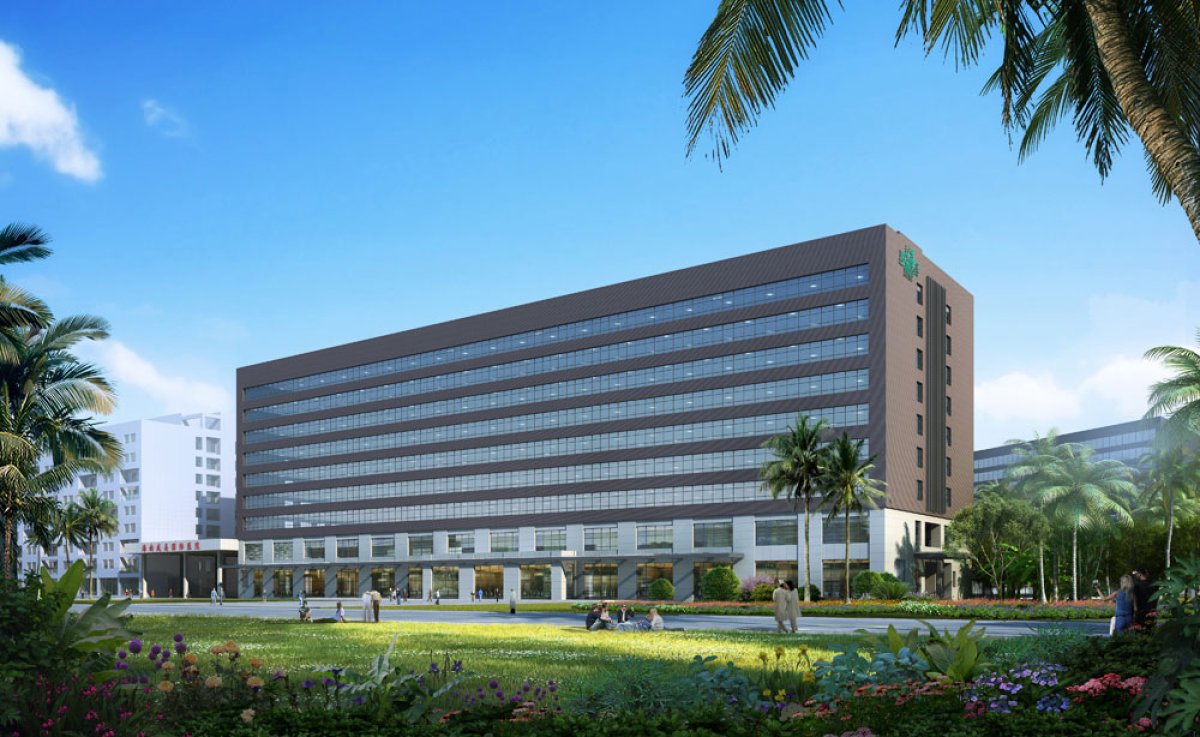
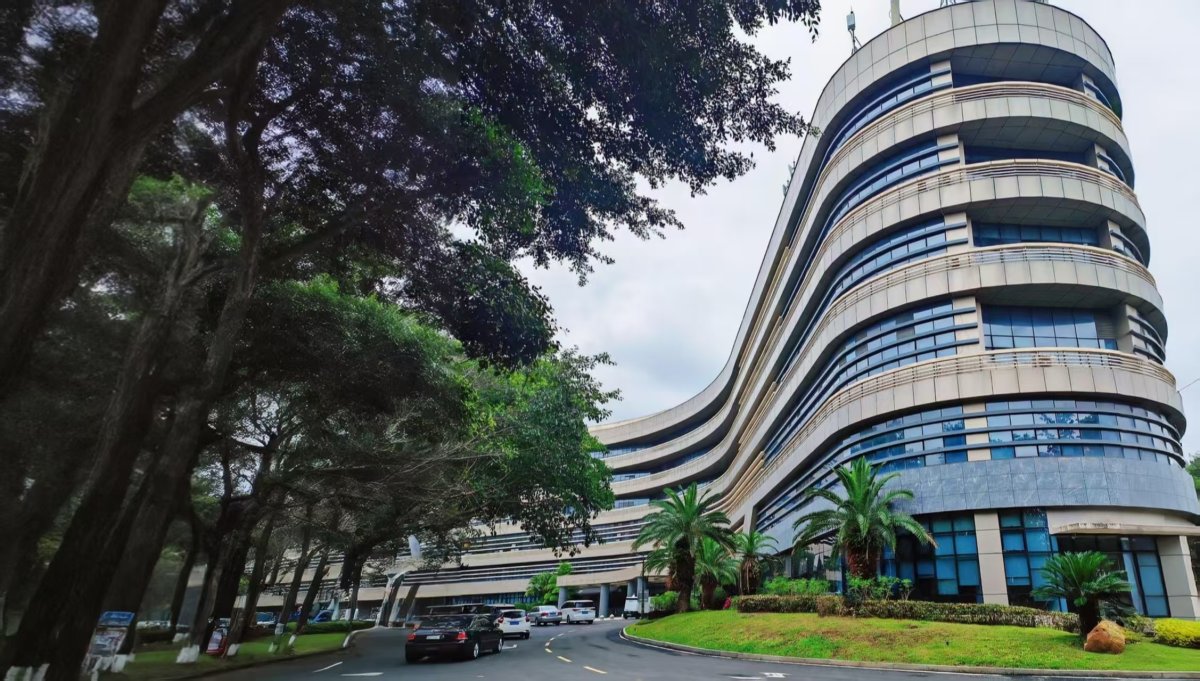
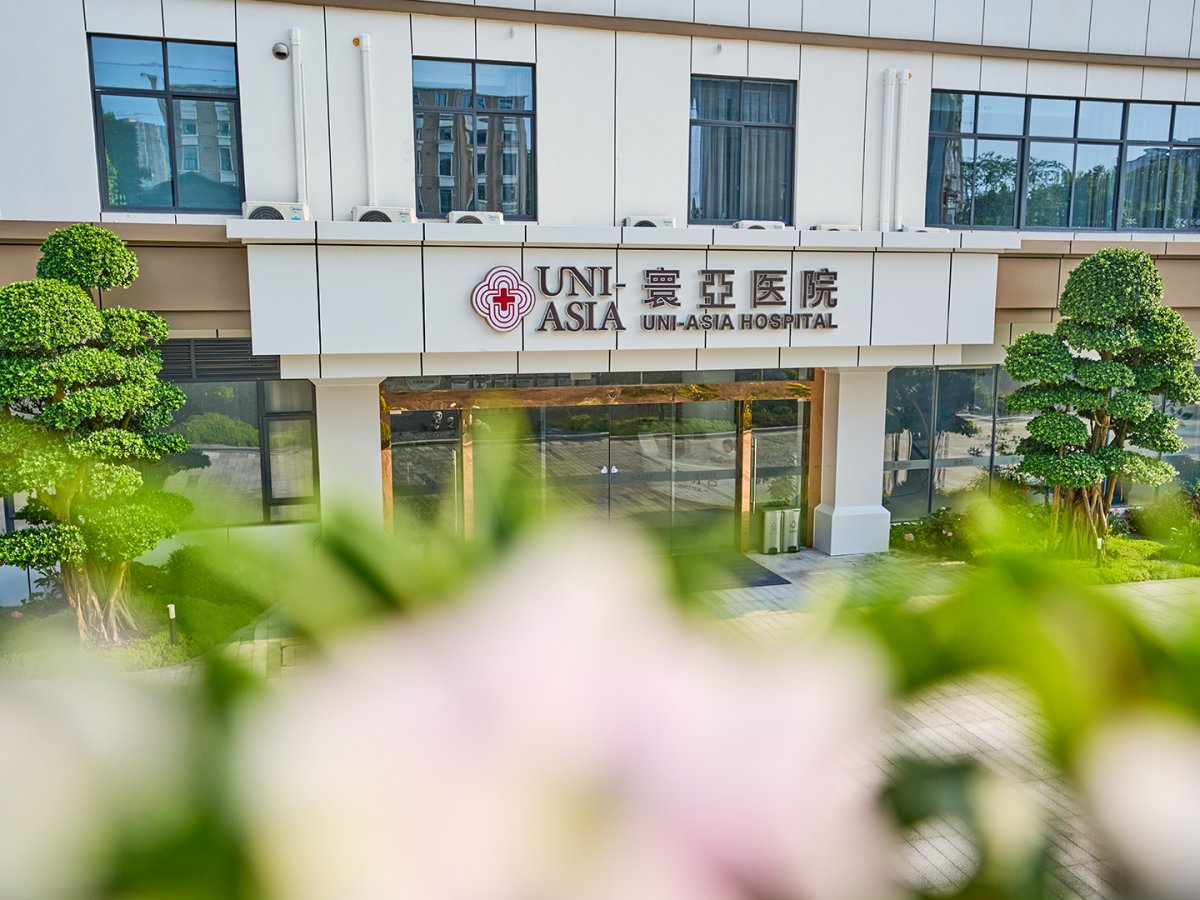
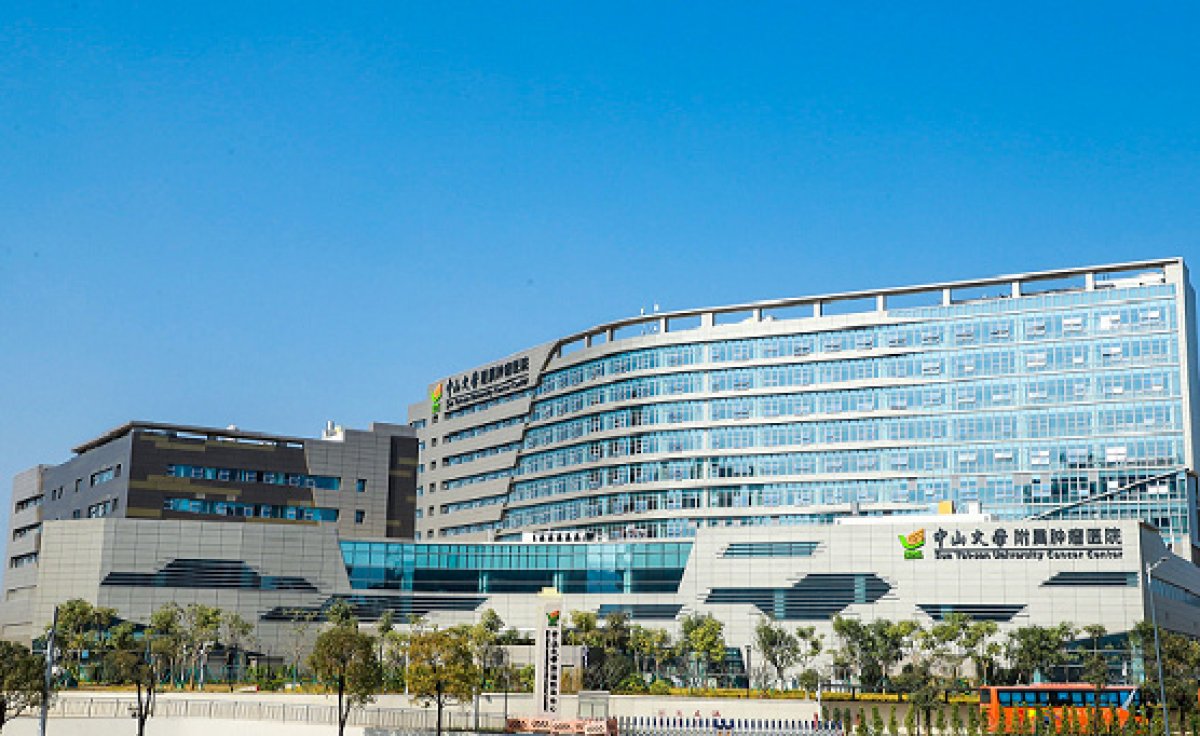
Fuda Hospital
الصين, قوانغتشو


تمت مراجعة المقالة طبيا من قبل
فهد مولود
من $400. تعتمد النفقات الإجمالية على مرحلة السرطان، وتعقيد العلاجات المركبة، وما إذا كانت المنشأة عامة أم خاصة. يوفر المرضى الدوليون عادةً ما بين 50-70% مقارنة بالتكاليف في الولايات المتحدة. تشمل أهم مراكز العلاج قوانغتشو وشيامن.
تكاليف علاج سرطان المريء النموذجية في الصين
رؤية خبراء Bookimed: يستفيد المرضى الذين يعانون من أورام صدرية متقدمة من العلاج الإشعاعي الدقيق في مراكز مثل مستشفى شيامن الإنساني (Xiamen Humanity Hospital). يتخصص البروفيسور ليو شيكسين في بروتوكولات العلاج الإشعاعي المعدل الشدة (IMRT) والعلاج الإشعاعي الموجه حجمياً (VMAT) لحالات المريء المعقدة. بالنسبة لأولئك الذين يبحثون عن خيارات غير تقليدية، يوفر مستشفى فودا للسرطان (Fuda Cancer Hospital) أكثر من 10 أنواع من العلاجات طفيفة التوغل. وهذا مثالي للمرضى الذين لا يستطيعون تحمل العلاج الكيميائي القياسي. تقدم المنشآت الحاصلة على اعتماد اللجنة الدولية المشتركة (JCI) في الصين رعاية أورام متخصصة للحالات المتأخرة، وتستقبل أكثر من 30,000 مريض دولي.
| الصين | تركيا | إسبانيا | |
|---|---|---|---|
| العلاج الكيميائي لسرطان المريء | ≈ $3,500 | من $1,700 | من $1,100 |
| العلاج الكيميائي لسرطان الثدي | ≈ $14,800 | من $3,000 | من $1,700 |
| العلاج الإشعاعي لسرطان المريء | ≈ $6,500 | من $6,000 | من $6,000 |
| العلاج الإشعاعي لسرطان القولون والمستقيم | ≈ $11,500 | من $5,000 | من $7,500 |
| استئصال المريء | ≈ $14,000 | من $12,000 | من $26,000 |
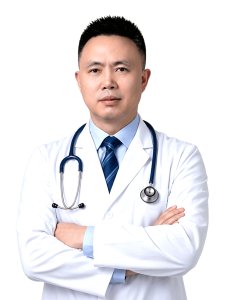
كبير الأطباء وأستاذ. خبير من الدرجة الأولى في مركز السرطان بمستشفى غرب الصين، جامعة سيتشوان (المرتبة الثانية في الصين). أنهى زمالة ما بعد الدكتوراه في الأشعة التداخلية بالمستشفى العام لجيش التحرير الشعبي الصيني. يقود رعاية فريق متعدد التخصصات (MDT) للأورام المعقدة. خبير في طب الأورام التداخلي طفيف التوغل لأورام الكبد والرئة والبنكرياس.
الاعتمادات: عضو مجلس في WATA. عضو في لجان CACA وCMDA للتدخلات، والاستئصال الحراري، والبذور المشعة، وعلاج الألم. في 2023، عضو مجلس مؤسِّس في لجنة الرعاية
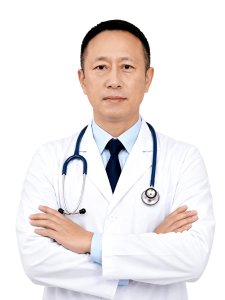
الدكتور هي ويبينغ رائد الاستئصال بالتبريد بالأرجون–الهيليوم في الصين، وله أكثر من 20 عاماً من الممارسة السريرية المباشرة. كان عضواً مؤسِّساً لمستشفى فودا للسرطان (قوانغتشو)، وشارك في تأسيس مركز علاج الأورام طفيفة التوغل فيه وتولى منصب نائب المدير التنفيذي. كما أسهم في تأسيس مجموعة الاستئصال التابعة للجمعية الصينية لمكافحة السرطان. وكان المنفّذ الرئيسي في أكثر من 10,000 إجراء.
يتخصص في الاستئصال بالتبريد للأورام، وهو متمرّس في العلاج الإشعاعي الموضعي ببذور اليود‑125، مع تركيز على سرطاني
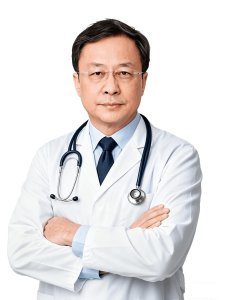
البروفيسور لوو شياوبينغ اختصاصي أشعة تداخلية معترف به على المستوى الوطني ومن أبرز الخبراء في غرب الصين. بدأ ريادة التدخلات الوعائية في أوائل التسعينيات، وأسهم في تأسيس فريق الأشعة التداخلية في المستشفى الثاني الملحق بجامعة تشونغتشينغ الطبية.
أجرى أكثر من 100 ألف إجراء تداخلي، بينها نحو 4 آلاف حالة معقدة. تشمل مهاراته الأساسية الانصمام الكيميائي عبر الشريان الكبدي (TACE) لعلاج سرطان الخلايا الكبدية، وتداخلات متلازمة بود–كياري، وإجراء TIPS، وتركيب دعامتين في مرحلة واحدة لعلاج انسداد القن
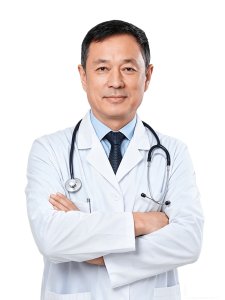
الأستاذ شياو يويونغ هو كبير الأطباء في قسم التشخيص الإشعاعي بالمستشفى العام لجيش التحرير الشعبي الصيني، وخبير بارز في طب الأورام التداخلي طفيف التوغل. يشغل منصب الرئيس المؤسس لـWATA (2025–). ويرأس الجمعية الدولية (2020–) والجمعية الآسيوية (2012–) للعلاج بالتجميد. كما أنه نائب رئيس مجموعة الخبراء بهيئة الصحة الوطنية (NHC) للوائح استئصال الأورام (2009–).
أجرى أكثر من 100,000 إجراء طفيف التوغل موجهًا بالتصوير المقطعي/الرنين المغناطيسي. يشمل عمله الاستئصال الكيميائي، والاستئصال بالترددات ا
 Anna Leonova
تعالج الصين سرطان المريء المتقدم محلياً بنهج متعدد التخصصات يجمع بين العلاج المساعد الجديد والجراحة الجذرية. أكثر من 90% من الحالات هي سرطان الخلايا الحرشفية. تتضمن الرعاية القياسية العلاج الكيميائي قبل الجراحة، أو العلاج الكيميائي الإشعاعي، أو العلاج المناعي لتقليل حجم الأورام. ثم يقوم الجراحون بإجراء استئصال المريء مع تشريح واسع للعقد الليمفاوية.
رؤية خبراء Bookimed: تُظهر مراكز الأورام الصينية كفاءة عالية في علاج سرطان الخلايا الحرشفية بسبب الأعداد الكبيرة للحالات محلياً. يدير مستشفى فودا للسرطان أكثر من 30,000 مريض دولي. يركز أساتذة متخصصون مثل الدكتور ليو شي شين في مستشفى شيامن الإنساني بشكل خاص على العلاج الإشعاعي الدقيق. غالباً ما يترجم هذا التخصص إلى بروتوكولات أكثر عدوانية لتطهير العقد الليمفاوية مقارنة بالعيادات الغربية.
إجماع المرضى: يؤكد المرضى أن إدارة فقدان الوزن والتغذية أمر حيوي مثل علاج السرطان نفسه. يشير الكثيرون إلى أن التعافي بعد الجراحة عملية طويلة تتطلب تعديلات غذائية كبيرة.
يُعد العلاج المناعي حجر الزاوية الحديث لعلاج سرطان المريء المتقدم في الصين. وهو بمثابة الرعاية الأولية للخط الأول للحالات النقيلية. تجمع البروتوكولات الصينية بين مثبطات PD-1 والعلاج الكيميائي لتحسين معدلات البقاء على قيد الحياة. يستهدف هذا النهج سرطان الخلايا الحرشفية في المريء، وهو منتشر للغاية في المنطقة.
رؤية خبراء Bookimed: بينما يركز العديد من المرضى العالميين على الأدوية ذات العلامات التجارية، تستخدم المراكز المعتمدة من JCI مثل مستشفى فودا للسرطان (Fuda Cancer Hospital) كميات هائلة من مثبطات PD-1 المحلية المتخصصة. تدير هذه المراكز أكثر من 30,000 مريض دولي. يسمح هذا الحجم الكبير لأطباء الأورام الصينيين بتحسين بروتوكولات الجمع خصيصاً لسرطان الخلايا الحرشفية. وغالباً ما يدمجون العلاج المناعي مع علاجات محلية متخصصة مثل العلاج الحراري بالموجات الدقيقة أو الجراحة بالتبريد.
إجماع المرضى: يؤكد المرضى أن اختبار المؤشرات الحيوية لـ PD-L1 هو خطوة أولى حيوية للأهلية. يلاحظ الكثيرون أنه على الرغم من أن الآثار الج
تتوفر الجراحة طفيفة التوغل على نطاق واسع في أفضل المستشفيات والمراكز المتخصصة في الصين. تستخدم هذه المؤسسات أنظمة روبوتية وتنظيرًا متقدمًا للحالات المعقدة. يسمح حجم المرضى الكبير للفرق الجراحية بصقل تقنيات الدقة هذه. تبلغ بعض المراكز عن نتائج مهمة لرعاية مرضى السرطان في مراحل متأخرة.
رؤية خبير Bookimed: تركز مستشفيات الأورام المتخصصة في الصين مثل مستشفى فودا للسرطان بشكل متكرر على أكثر من 10 أنواع مختلفة من العلاجات طفيفة التوغل. يشير هذا التنوع إلى أن المراكز الصينية غالبًا ما تجمع بين علاجات موضعية متعددة بدلاً من الاعتماد على نهج جراحي واحد. هذه الاستراتيجية شائعة بشكل خاص لحالات السرطان المتقدمة أو في مراحل متأخرة.
إجماع المرضى: يقدر المرضى أوقات التعافي الأقصر للطرق طفيفة التوغل، لكنهم يؤكدون على أهمية التحقق من حجم الحالات الخاصة بالجراح. على الرغم من توفر الخيارات الروبوتية، يلاحظ الكثيرون أن التخطيط قبل الجراحة أكثر أهمية من التكنولوجيا المستخدمة.
تعتبر التجارب السريرية المتطورة لسرطان المريء في الصين سهلة الوصول للغاية للمرضى في المراكز الأكاديمية الكبرى. تدير الصين أكثر من 50% من الحالات العالمية. هذا الحجم الكبير يسرع من توظيف المرضى. تستخدم المؤسسات البحثية شبكات متخصصة لمطابقة المرشحين مع البروتوكولات المتقدمة بكفاءة.
رؤية خبير Bookimed: تشير البيانات إلى أن الرعاية المركزية في مدن مثل قوانغتشو أو شيامن حيوية لدخول التجارب. تخدم المرافق المعتمدة من JCI مثل مستشفى فودا للسرطان أكثر من 30,000 مريض دولي. ينسق متخصصون ذوو خبرة مثل الدكتور ليو شي شين في مستشفى شيامن الإنساني العلاج الإشعاعي الدقيق والمعقد. يجب على المرضى استهداف هذه المستشفيات الثالثية ذات الحجم الكبير بدلاً من العيادات المحلية للعثور على فرص تسجيل نشطة.
إجماع المرضى: يشير المرضى إلى أن نوافذ التجارب تتحرك بسرعة كبيرة أثناء عملية تحديد المرحلة. ويؤكدون على ضرورة ترجمة جميع تقارير علم الأمراض والتصوير قبل التواصل مع المراكز الحضرية الكب
يتكامل الطب الصيني التقليدي (TCM) مع علاج سرطان المريء التقليدي كعلاج داعم. فهو يساعد في إدارة الآثار الجانبية للعلاج الكيميائي أو الإشعاعي. يستخدم الممارسون الوخز بالإبر للغثيان والألم. قد يحمي طب الأعشاب وظائف الكبد. يجب على المرضى إعطاء الأولوية للجراحة أو العلاج الكيميائي الإشعاعي على العلاجات التقليدية.
رؤية خبير Bookimed: تخدم المراكز الصينية الرائدة مثل مستشفى فودا للسرطان أكثر من 30,000 مريض دولي. وغالباً ما يستبدلون العلاج الكيميائي الجهازي القياسي بأكثر من 10 أنواع من العلاجات طفيفة التوغل. وتشمل هذه الجراحة بالتبريد والعلاج التداخلي الوعائي. إذا كنت تبحث عن الطب الصيني التقليدي، فاختر المستشفيات التي تمتلك هذه التقنيات المتقدمة. فهي توفر بيئة أكثر تحكماً للرعاية التكاملية مقارنة بعيادات الأعشاب المستقلة.
إجماع المرضى: يلاحظ المرضى أن الطب الصيني التقليدي يساعد في الشهية والتعب لكنهم يحذرون من استخدامه وحده. يؤكد الكثيرون أن تأخير العلاج القياسي من أجل العلاجات العشبية غالباً ما يؤدي إلى الندم مع تقدم السرطان.