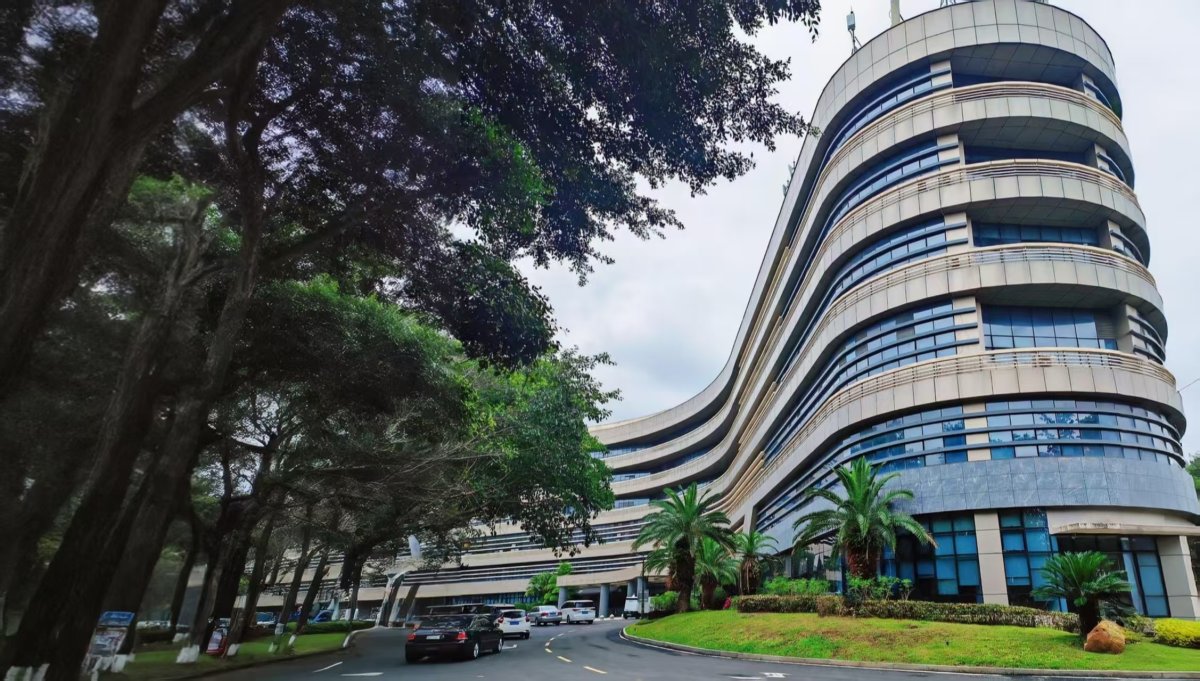
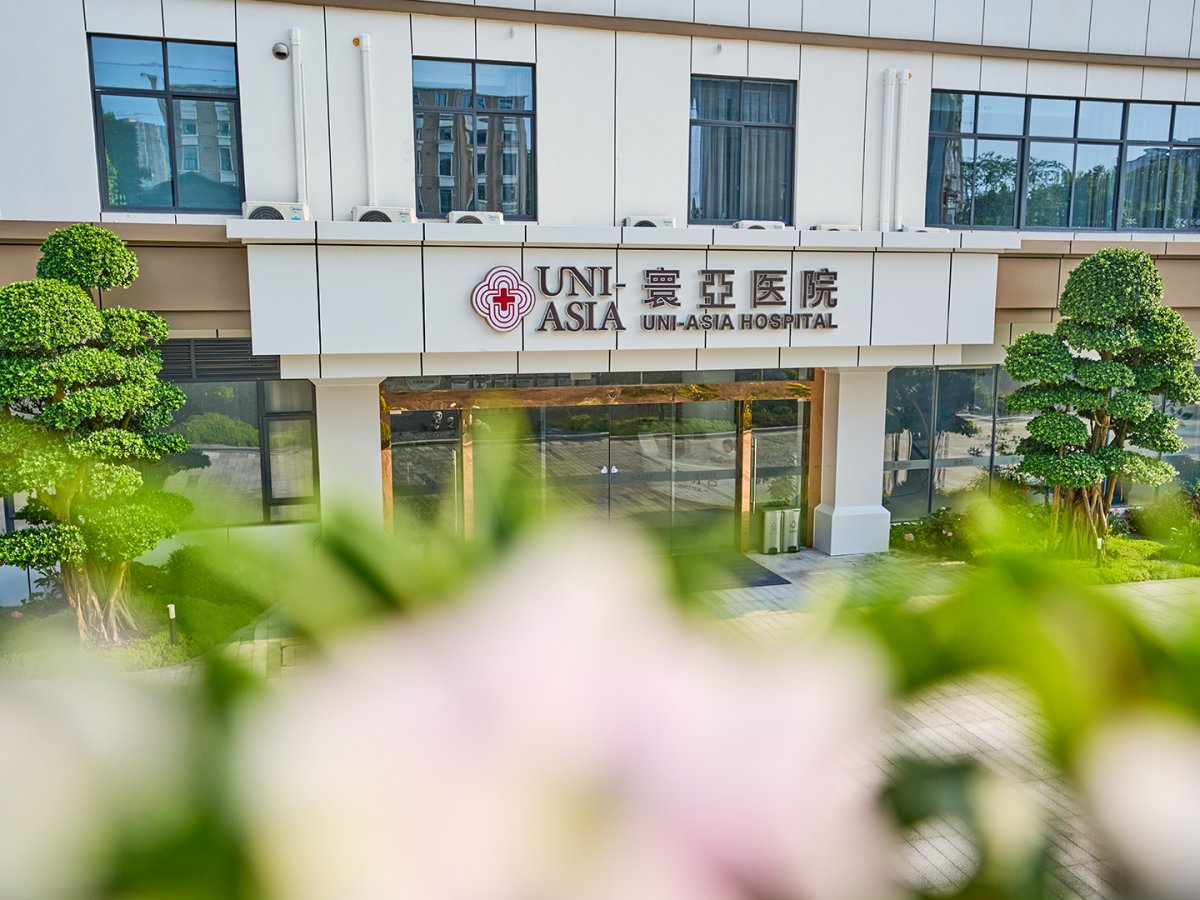
Fuda Hospital
الصين, قوانغتشو


تمت مراجعة المقالة طبيا من قبل
فهد مولود
Metastases in the liver treatment cost in China typically runs from $5,500 for chemoembolization of the liver. Surgical options like liver resection range from $18,500 to $38,500. Total expenses depend on the cancer stage, chosen technology, and hospital tier. Patients often save 40-60% compared to the US. Top cities for these advanced oncological procedures include Guangzhou and Beijing.
Typical Metastases In The Liver Treatment Costs In China
Bookimed Expert Insight: Patients with advanced or multi-focal metastases should prioritize clinics offering specialized minimally invasive technologies. Fuda Cancer Hospital in Guangzhou is a leading choice for these complex cases. They utilize JCI-accredited protocols for NanoKnife and cryosurgery to treat tumors in difficult locations. This approach is ideal for patients who are not candidates for traditional open surgery. The facility has successfully treated over 30,000 international patients using these targeted vascular interventional therapies.
| الصين | تركيا | إسبانيا | |
|---|---|---|---|
| العلاج الكيميائي لسرطان الكبد | ≈ $3,500 | من $2,400 | من $2,300 |
| استئصال سرطان الكبد | ≈ $9,500 | من $12,000 | من $24,000 |
| استئصال راديوي للكبد | من $7,000 | ≈ $3,500 | من $13,400 |
| استئصال الكبد | ≈ $18,500 | من $9,300 | من $18,700 |
| العلاجَ الكيميائي الموضعي للكبد | من $5,500 | من $7,800 | من $9,000 |
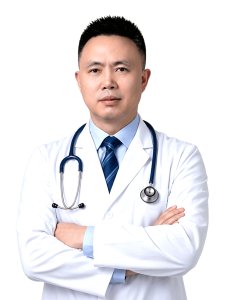
كبير الأطباء وأستاذ. خبير من الدرجة الأولى في مركز السرطان بمستشفى غرب الصين، جامعة سيتشوان (المرتبة الثانية في الصين). أنهى زمالة ما بعد الدكتوراه في الأشعة التداخلية بالمستشفى العام لجيش التحرير الشعبي الصيني. يقود رعاية فريق متعدد التخصصات (MDT) للأورام المعقدة. خبير في طب الأورام التداخلي طفيف التوغل لأورام الكبد والرئة والبنكرياس.
الاعتمادات: عضو مجلس في WATA. عضو في لجان CACA وCMDA للتدخلات، والاستئصال الحراري، والبذور المشعة، وعلاج الألم. في 2023، عضو مجلس مؤسِّس في لجنة الرعاية
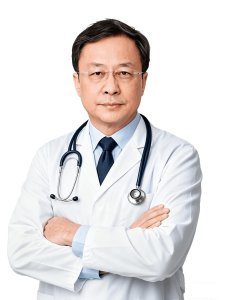
البروفيسور لوو شياوبينغ اختصاصي أشعة تداخلية معترف به على المستوى الوطني ومن أبرز الخبراء في غرب الصين. بدأ ريادة التدخلات الوعائية في أوائل التسعينيات، وأسهم في تأسيس فريق الأشعة التداخلية في المستشفى الثاني الملحق بجامعة تشونغتشينغ الطبية.
أجرى أكثر من 100 ألف إجراء تداخلي، بينها نحو 4 آلاف حالة معقدة. تشمل مهاراته الأساسية الانصمام الكيميائي عبر الشريان الكبدي (TACE) لعلاج سرطان الخلايا الكبدية، وتداخلات متلازمة بود–كياري، وإجراء TIPS، وتركيب دعامتين في مرحلة واحدة لعلاج انسداد القن
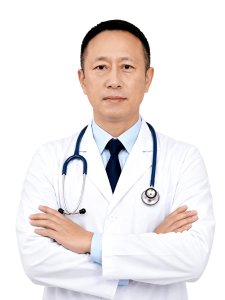
الدكتور هي ويبينغ رائد الاستئصال بالتبريد بالأرجون–الهيليوم في الصين، وله أكثر من 20 عاماً من الممارسة السريرية المباشرة. كان عضواً مؤسِّساً لمستشفى فودا للسرطان (قوانغتشو)، وشارك في تأسيس مركز علاج الأورام طفيفة التوغل فيه وتولى منصب نائب المدير التنفيذي. كما أسهم في تأسيس مجموعة الاستئصال التابعة للجمعية الصينية لمكافحة السرطان. وكان المنفّذ الرئيسي في أكثر من 10,000 إجراء.
يتخصص في الاستئصال بالتبريد للأورام، وهو متمرّس في العلاج الإشعاعي الموضعي ببذور اليود‑125، مع تركيز على سرطاني
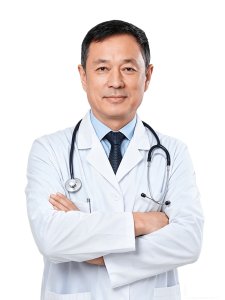
الأستاذ شياو يويونغ هو كبير الأطباء في قسم التشخيص الإشعاعي بالمستشفى العام لجيش التحرير الشعبي الصيني، وخبير بارز في طب الأورام التداخلي طفيف التوغل. يشغل منصب الرئيس المؤسس لـWATA (2025–). ويرأس الجمعية الدولية (2020–) والجمعية الآسيوية (2012–) للعلاج بالتجميد. كما أنه نائب رئيس مجموعة الخبراء بهيئة الصحة الوطنية (NHC) للوائح استئصال الأورام (2009–).
أجرى أكثر من 100,000 إجراء طفيف التوغل موجهًا بالتصوير المقطعي/الرنين المغناطيسي. يشمل عمله الاستئصال الكيميائي، والاستئصال بالترددات ا
 Anna Leonova
توفر مراكز الأورام الصينية علاجات غربية متقدمة لنقائل الكبد، مع التركيز على الاستئصال طفيف التوغل، والعلاجات الموجهة بالقسطرة، والاستئصال الجراحي. تستخدم المرافق المعتمدة مثل مستشفى فودا للسرطان بروتوكولات معيارية من اللجنة الدولية المشتركة (JCI). وتشمل هذه التقنيات نانو نايف (NanoKnife) والجراحة بالتبريد لاستهداف الأورام مع الحفاظ على أنسجة الكبد السليمة.
رؤية خبير Bookimed: تكشف البيانات الواردة من مستشفى فودا للسرطان عن تركيز متخصص على الحالات في مراحل متأخرة والتي غالباً ما تُعتبر غير قابلة للجراحة في أماكن أخرى. بينما تعطي العديد من المراكز الأولوية للاستئصال القياسي، يستخدم مستشفى فودا حجماً كبيراً من إجراءات نانو نايف غير الحرارية. هذا النهج فعال بشكل خاص للنقائل الموجودة بالقرب من الأوعية الدموية الرئيسية حيث يشكل الاستئصال القائم على الحرارة أو الجراحة مخاطر حدوث تلف داخلي. وقد جذبت هذه التخصصات مرضى من أكثر من 100 دولة يبحثون عن بدائل لمواقع الأورام المعقدة.
إجماع المرضى: يشير المرضى إلى أن المراكز الرائدة غا
تقدم الصين خيارات متقدمة للإشعاع غير الجراحي مثل علاج حزمة البروتون من خلال شبكة سريعة التوسع من مراكز الأورام المتخصصة. تستخدم المرافق في شنغهاي وقوانغتشو علاج الجسيمات عالي الدقة لعلاج نقائل الكبد المعقدة. تحافظ هذه المؤسسات على المعايير الدولية مع اعتمادات اللجنة الدولية المشتركة (JCI) وأنظمة توصيل متقدمة.
رؤية خبير Bookimed: بينما يعد علاج حزمة البروتون عامل جذب رئيسي، غالبًا ما تعطي المراكز ذات الحجم الكبير مثل مستشفى فودا للسرطان الأولوية لمزيج من NanoKnife والعلاج التدخلي الوعائي لنقائل الكبد. تظهر البيانات أن هذه التقنيات طفيفة التوغل يتم اختيارها بشكل متكرر بدلاً من الإشعاع للحالات المتأخرة. يجب على المرضى التحقق مما إذا كانت سعة 400 سرير للمنشأة تشمل مساحة مخصصة للتعافي من الأورام الدولية.
إجماع المرضى: يلاحظ المرضى أنه على الرغم من جاذبية التكنولوجيا الأحدث، غالبًا ما يوصي الأطباء بالعلاج الإشعاعي التجسيمي للجسم (SBRT) لآفات الكبد. ويؤكدون على أهمية إحضار تقارير علم الأمراض الكاملة للتأكد من أن موق
تدمج الصين الطب الصيني التقليدي (TCM) لعلاج سرطان الكبد المنتشر كعلاج داعم إلى جانب البروتوكولات الغربية. تتبع برامج الأورام الصينية إرشادات وطنية لدمج الطب الصيني التقليدي مع العلاج الكيميائي، والعلاج المناعي، والإجراءات التداخلية. تهدف هذه الأساليب التكاملية إلى تحسين التحمل، ودعم وظائف الكبد، وإدارة الآثار الجانبية للعلاج.
رؤية خبير Bookimed: في حين أن العديد من المراكز الصينية تقدم رعاية تكاملية، فإن المستشفيات الحاصلة على اعتماد JCI مثل مستشفى فودا للسرطان (Fuda Cancer Hospital) تركز على التقنيات المتخصصة. فهي تستخدم الجراحة بالتبريد (Cryosurgery) وNanoKnife لآفات الكبد إلى جانب العلاجات التداخلية الداعمة. يشارك كبار أطباء الأورام في الصين، مثل البروفيسور ليو شي شين في مستشفى شيامن الإنساني، في كل من الجمعية الطبية الصينية والجمعية الصينية لمكافحة السرطان. وهذا يضمن بقاء دمج الطب الصيني التقليدي تحت إشراف صارم من خبراء طبيين مؤهلين ومدربين على الطب الغربي.
إجماع المرضى: يلاحظ المرضى أن الطب الصيني التقليدي يساعدهم على ال