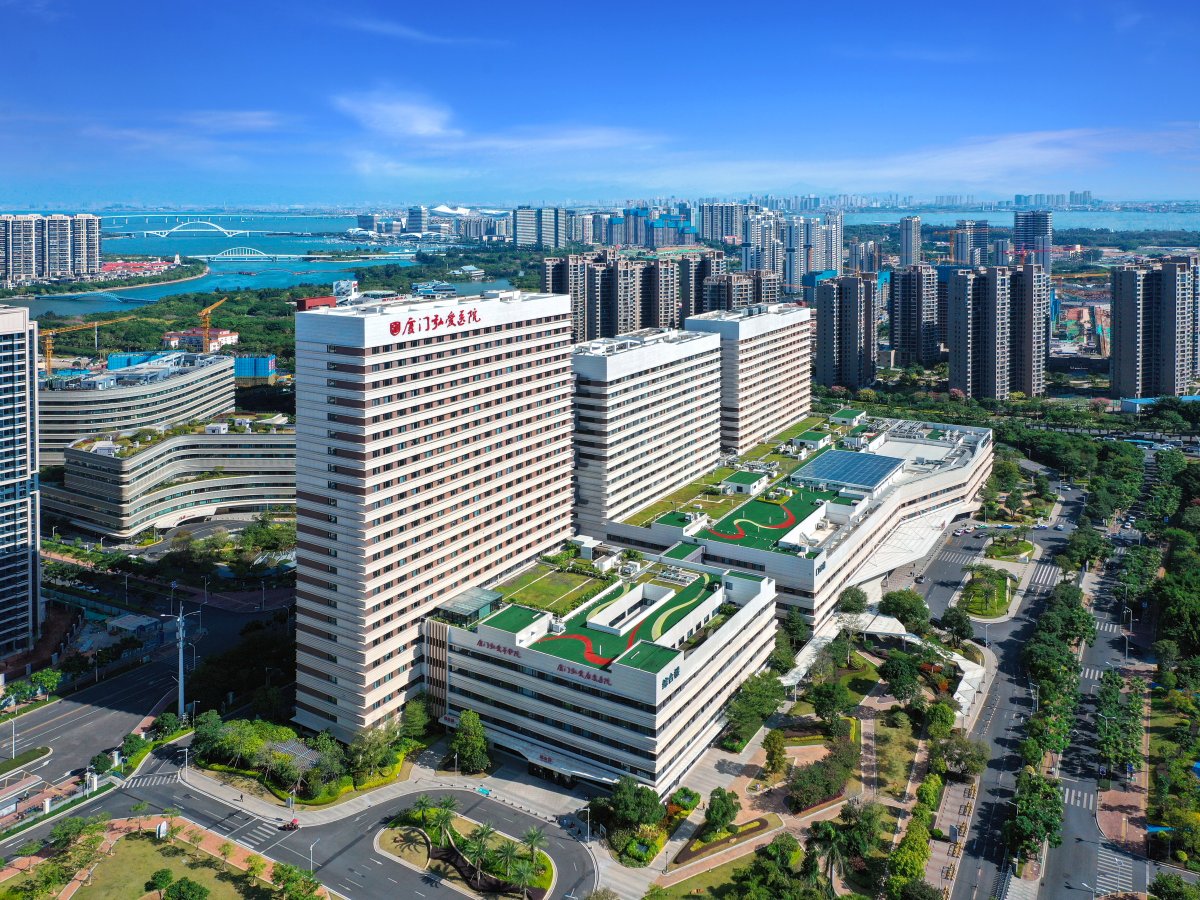
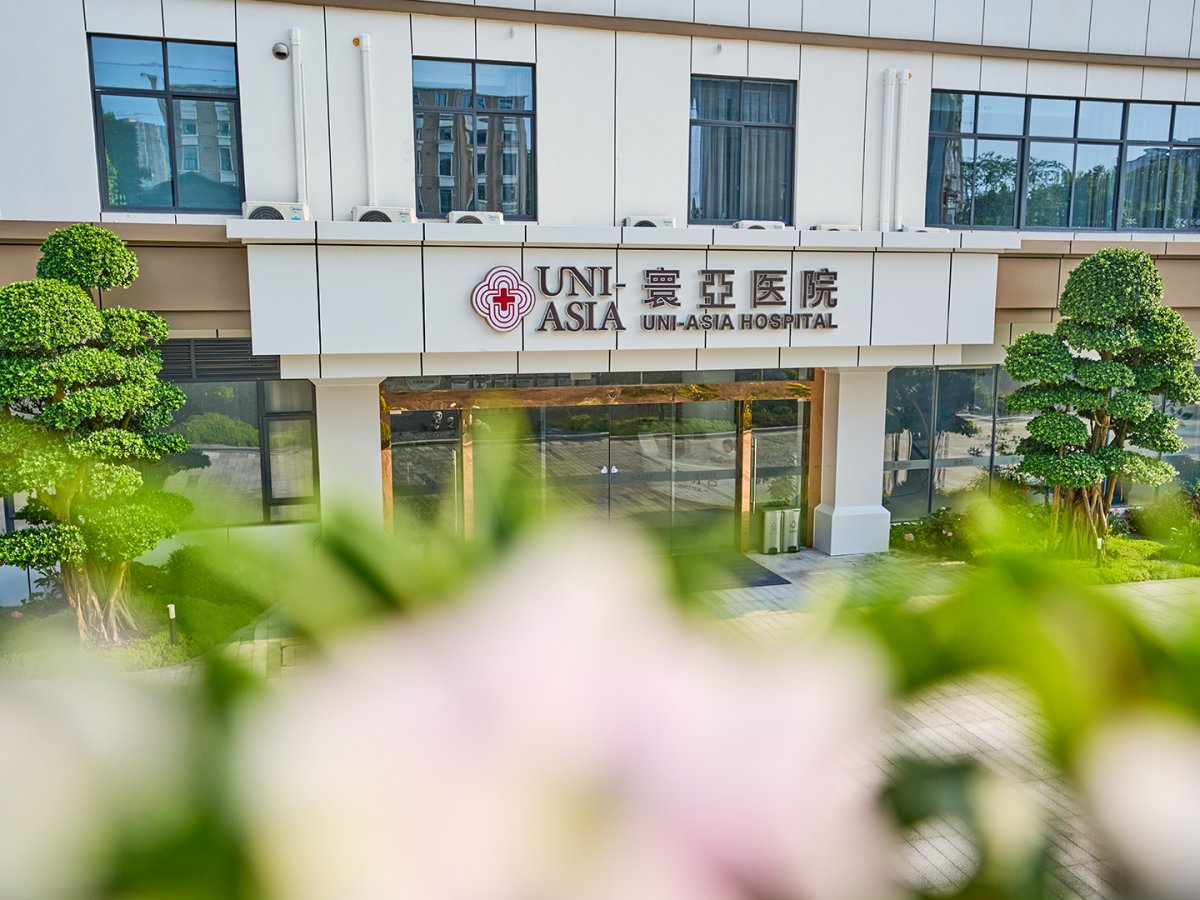
Fuda Hospital
الصين, قوانغتشو


تمت مراجعة المقالة طبيا من قبل
فهد مولود
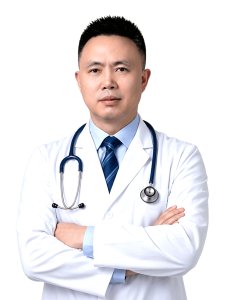
كبير الأطباء وأستاذ. خبير من الدرجة الأولى في مركز السرطان بمستشفى غرب الصين، جامعة سيتشوان (المرتبة الثانية في الصين). أنهى زمالة ما بعد الدكتوراه في الأشعة التداخلية بالمستشفى العام لجيش التحرير الشعبي الصيني. يقود رعاية فريق متعدد التخصصات (MDT) للأورام المعقدة. خبير في طب الأورام التداخلي طفيف التوغل لأورام الكبد والرئة والبنكرياس.
الاعتمادات: عضو مجلس في WATA. عضو في لجان CACA وCMDA للتدخلات، والاستئصال الحراري، والبذور المشعة، وعلاج الألم. في 2023، عضو مجلس مؤسِّس في لجنة الرعاية
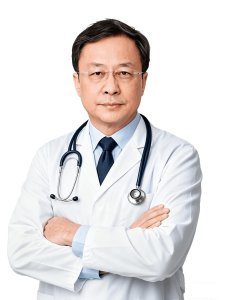
البروفيسور لوو شياوبينغ اختصاصي أشعة تداخلية معترف به على المستوى الوطني ومن أبرز الخبراء في غرب الصين. بدأ ريادة التدخلات الوعائية في أوائل التسعينيات، وأسهم في تأسيس فريق الأشعة التداخلية في المستشفى الثاني الملحق بجامعة تشونغتشينغ الطبية.
أجرى أكثر من 100 ألف إجراء تداخلي، بينها نحو 4 آلاف حالة معقدة. تشمل مهاراته الأساسية الانصمام الكيميائي عبر الشريان الكبدي (TACE) لعلاج سرطان الخلايا الكبدية، وتداخلات متلازمة بود–كياري، وإجراء TIPS، وتركيب دعامتين في مرحلة واحدة لعلاج انسداد القن
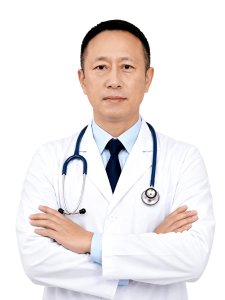
الدكتور هي ويبينغ رائد الاستئصال بالتبريد بالأرجون–الهيليوم في الصين، وله أكثر من 20 عاماً من الممارسة السريرية المباشرة. كان عضواً مؤسِّساً لمستشفى فودا للسرطان (قوانغتشو)، وشارك في تأسيس مركز علاج الأورام طفيفة التوغل فيه وتولى منصب نائب المدير التنفيذي. كما أسهم في تأسيس مجموعة الاستئصال التابعة للجمعية الصينية لمكافحة السرطان. وكان المنفّذ الرئيسي في أكثر من 10,000 إجراء.
يتخصص في الاستئصال بالتبريد للأورام، وهو متمرّس في العلاج الإشعاعي الموضعي ببذور اليود‑125، مع تركيز على سرطاني
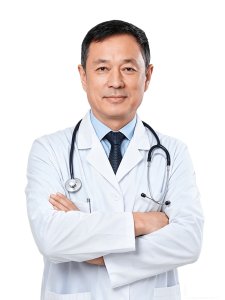
الأستاذ شياو يويونغ هو كبير الأطباء في قسم التشخيص الإشعاعي بالمستشفى العام لجيش التحرير الشعبي الصيني، وخبير بارز في طب الأورام التداخلي طفيف التوغل. يشغل منصب الرئيس المؤسس لـWATA (2025–). ويرأس الجمعية الدولية (2020–) والجمعية الآسيوية (2012–) للعلاج بالتجميد. كما أنه نائب رئيس مجموعة الخبراء بهيئة الصحة الوطنية (NHC) للوائح استئصال الأورام (2009–).
أجرى أكثر من 100,000 إجراء طفيف التوغل موجهًا بالتصوير المقطعي/الرنين المغناطيسي. يشمل عمله الاستئصال الكيميائي، والاستئصال بالترددات ا
 Anna Leonova
تعالج الصين الورم الحبلي من خلال الجراحة المكثفة والعلاج الإشعاعي المتقدم بالجسيمات داخل مراكز متخصصة متعددة التخصصات. يعطي الجراحون الأولوية للاستئصال الكامل (en bloc) للحالات الشوكية أو الجراحة التنظيرية عبر الأنف لأورام قاعدة الجمجمة. غالبًا ما تجمع خطط العلاج بين حزم أيونات الكربون أو البروتونات عالية الدقة للقضاء على أي مرض مجهري متبقي.
رؤية خبير Bookimed: يتميز مستشفى شيامن الإنساني (Xiamen Humanity Hospital) بحجمه الهائل، حيث يخدم ما يقرب من 1,000,000 مريض سنويًا. يسمح هذا الحجم الكبير عبر 47 قسمًا بتعاون سريع متعدد التخصصات. يحمل البروفيسور ليو شي شين في هذه المنشأة شهادات عالية المستوى في علاج الأورام بالإشعاع. خبرته في تقنيات VMAT و SBRT حيوية لمرضى الورم الحبلي الذين لا يستطيعون الوصول إلى مراكز أيونات الكربون.
إجماع المرضى: يشير المرضى إلى أن النتائج الناجحة تعتمد على قدرة الجر
يتضمن علاج الورم الحبلي في الصين مخاطر جراحية مثل إصابة الأعصاب، والنزيف، وردود الفعل تجاه التخدير. تشمل عقبات ما بعد الجراحة تسرب السائل النخاعي، والتهابات الجروح، وجلطات الدم. قد تشمل الآثار طويلة المدى عجزًا عصبيًا دائمًا، وألمًا عصبيًا مزمنًا، وخللًا في وظائف الأمعاء أو المثانة اعتمادًا على موقع الورم.
رؤية خبير Bookimed: تدير المستشفيات واسعة النطاق في الصين مثل مستشفى شيامن الإنساني حوالي 1,000,000 مريض كل عام. يسمح هذا الحجم السريري الهائل للجراحين هناك برؤية حالات الورم الحبلي النادرة بشكل متكرر أكثر من العديد من المراكز الغربية. عند اختيار منشأة، ابحث عن تلك الحاصلة على اعتماد JCI وفرق متخصصة في طب الأورام العصبي لضمان مطابقة بروتوكولات السلامة للمعايير الدولية على الرغم من معدل دوران المرضى المرتفع.
إجماع المرضى: يشير المرضى إلى أن استعادة الوظائف الأساسية مثل المشي أو البلع تستغرق وقتًا أطول بكثير مما كان متوقعًا. يؤكد الكثيرون أن العلاج الطبيعي طويل الأمد وإعادة تدريب الأمعاء هي أجزاء ضرورية من رحلة التعافي.
يستخدم العلاج بحزمة البروتون (PBT) جسيمات خفيفة ذات نقل طاقة منخفض لتقليل السمية. يستخدم العلاج الإشعاعي بأيونات الكربون (CIRT) جسيمات ثقيلة لتدمير خلايا الورم الحبلي المقاومة للإشعاع. بينما يستخدم كلاهما ذروة براج (Bragg peak) للدقة، يوفر CIRT فعالية بيولوجية أعلى ويدمر مناطق الورم المحرومة من الأكسجين.
رؤية خبير Bookimed: بينما يعد نوع الجهاز مهماً، فإن القيادة السريرية في الصين تعد إشارة جودة رئيسية. يعمل الدكتور ليو شي شين في مستشفى شيامن الإنساني كنائب لرئيس اللجنة المهنية للعلاج بالجسيمات. هذه الخبرة المؤسسية حاسمة للورم الحبلي، حيث يمكن للمراكز المتخصصة إدارة أكثر من 1,000,000 زيارة مريض سنوياً مع الحفاظ على معايير JCI.
إجماع المرضى: يلاحظ المرضى أنه بينما يضرب CIRT بقوة أكبر ضد الأورام المقاومة، يتم تقدير PBT بشكل أساسي لتجنيب الأنسجة السليمة بالقرب من العمود الفقري. غالباً ما يعتمد النجاح على إجراء استئصال جراحي ماهر قبل بدء أي علاج بالجسيمات.
تعمل شنغهاي وقوانغتشو كمراكز رئيسية في الصين لعلاج الأورام الحبلية داخل مدن المستوى الأول. تدمج هذه المراكز مسرعات الجسيمات الطبية مع فرق متعددة التخصصات متخصصة في أورام قاعدة الجمجمة والعجز. توفر شنغهاي بشكل خاص وصولاً فريداً إلى كل من العلاج بالبروتونات وأيونات الكربون للأورام العظمية الخبيثة المقاومة للإشعاع.
رؤية خبير Bookimed: بينما يعد الوصول إلى الآلات أمراً بالغ الأهمية، فإن القيادة المتخصصة غالباً ما تحدد النتائج. الدكتور ليو شي شين في مستشفى شيامن الإنساني هو شخصية رائدة في لجنة العلاج بالجسيمات التابعة للجمعية الصينية لمكافحة السرطان. يضمن هذا الاتصال حصول المرضى على العلاج في منشأة تتوافق فيها البنية التحتية مع الخبرة على المستوى الوطني في بروتوكولات الإشعاع الدقيقة.
إجماع المرضى: يؤكد المرضى على أهمية العثور على مركز ينسق الجراحة والإشعاع المتخصص تحت سقف واحد. ويشيرون إلى أن الجراحة الأولى حاسمة ويفضلون الفرق ذات الحجم الكبير من حالات الأورام الحبلية.
تقدم الصين مزايا فريدة لعلاج الورم الحبلي بفضل دورها كشركة رائدة عالمياً في العلاج الإشعاعي بأيونات الكربون. هذا النوع النادر من العلاج ضروري لتدمير الخلايا الورمية المقاومة للإشعاع بالقرب من العمود الفقري. يستفيد المرضى من أحجام جراحية عالية بشكل استثنائي ومسارات مبسطة للحصول على رعاية متعددة التخصصات متخصصة.
رؤية خبير Bookimed: بينما تمتلك العديد من الدول مراكز أورام متخصصة، تتميز الصين بحجمها المؤسسي. يخدم مستشفى Xiamen Humanity وحده 1,000,000 مريض سنوياً. في مستشفى Fuda للسرطان، عالج المتخصصون أكثر من 30,000 مريض دولي من أكثر من 100 دولة. هذا الحجم الهائل يعني أن الفرق متعددة التخصصات تتعامل مع حالات نادرة مثل الورم الحبلي يومياً. يشغل البروفيسور ليو شي شين في مستشفى Xiamen Humanity مناصب قيادية في اللجان الوطنية للعلاج بالجسيمات. غالباً ما يؤدي هذا المستوى من التخصص إلى تخطيط أكثر دقة للأورام القريبة من الهياكل الحيوية.
إجماع المرضى: يقدر المرضى سرعة الوصول والتكاليف المنخفضة مقارنة بالمراكز الغربية. ويؤكدون على اختيار جراحين محددين
تتراوح الجداول الزمنية للعلاج الخارجي لبروتون أو أيون الكربون في الصين عادةً من أسبوع واحد إلى 6 أسابيع. غالبًا ما ينتهي علاج أيون الكربون في غضون أسبوع إلى 4 أسابيع بسبب التأثير البيولوجي الأعلى. يتطلب علاج البروتون القياسي للورم الحبلي عادةً 5 جلسات يومية في الأسبوع لمدة 4 إلى 8 أسابيع.
رؤية خبير Bookimed: بينما يوفر علاج أيون الكربون جداول زمنية أقصر، غالبًا ما يتطلب علاج الورم الحبلي بروتوكول البروتون الكامل لمدة 6-8 أسابيع لدقة قاعدة الجمجمة. تدير مستشفيات مثل مستشفى شيامن الإنساني أحجامًا هائلة تصل إلى 1,000,000 مريض سنويًا. يضمن هذا النطاق خبرة عالية المستوى في طب الأورام الإشعاعي المعقد. البروفيسور ليو شي شين في شيامن هو قائد وطني في لجان العلاج بالجسيمات. تشير قيادته إلى أن المراكز الصينية تعطي الأولوية للرقابة الأكاديمية الصارمة لهذه التقنيات المتقدمة.
إجماع المرضى: يشير المرضى إلى أن العلاج يبدو وكأنه وظيفة يومية أكثر من كونه إجراءً طبيًا. التحدي الرئيسي هو التكرار اليومي والبقاء في سكن قريب بدلاً من وقت الشعاع القصير.