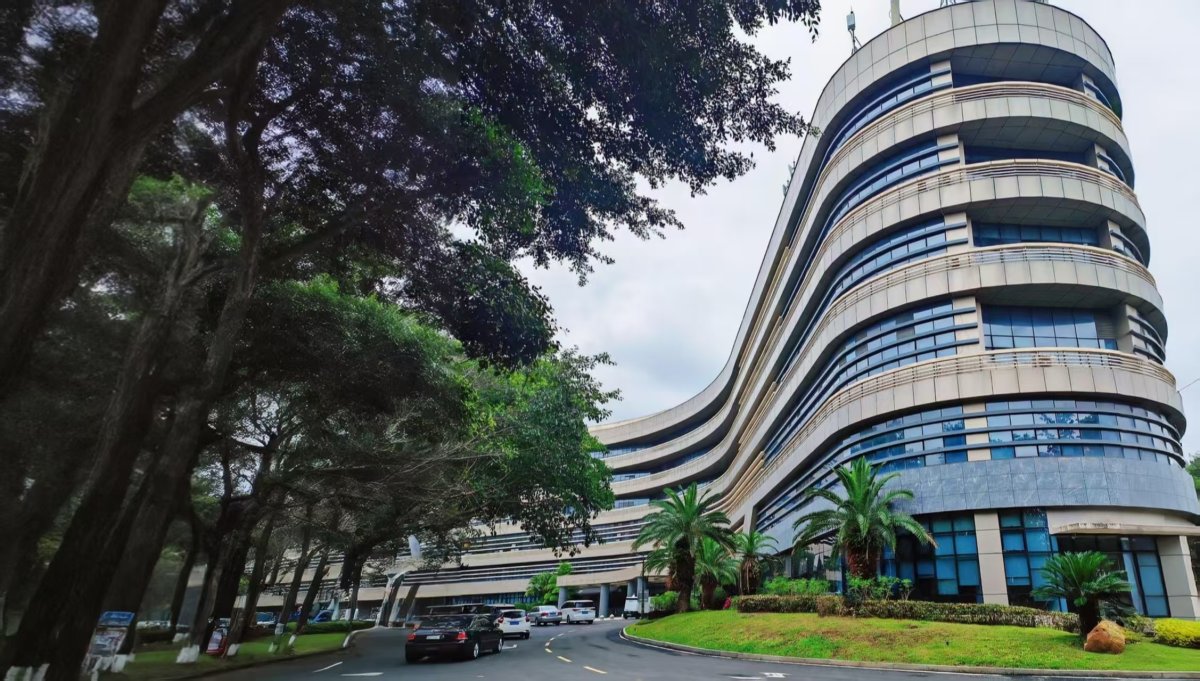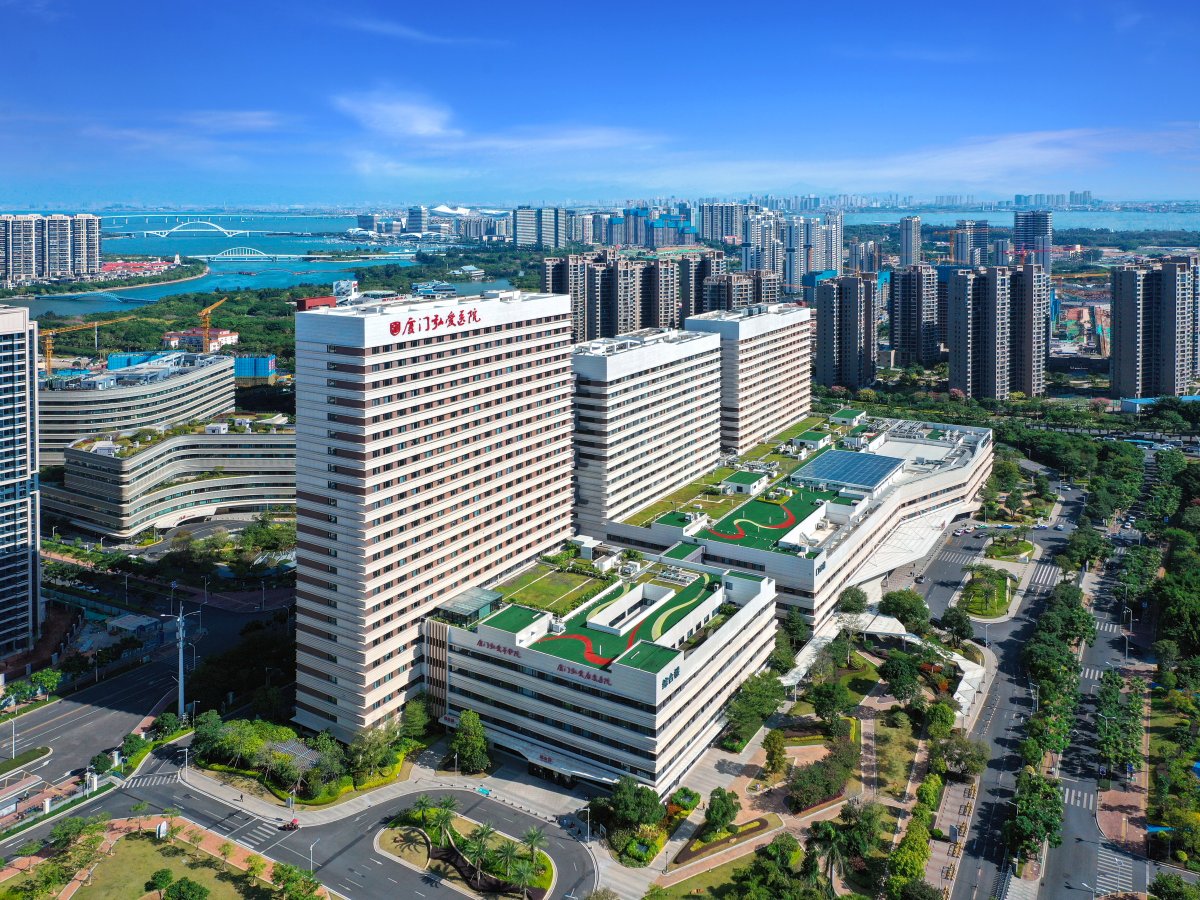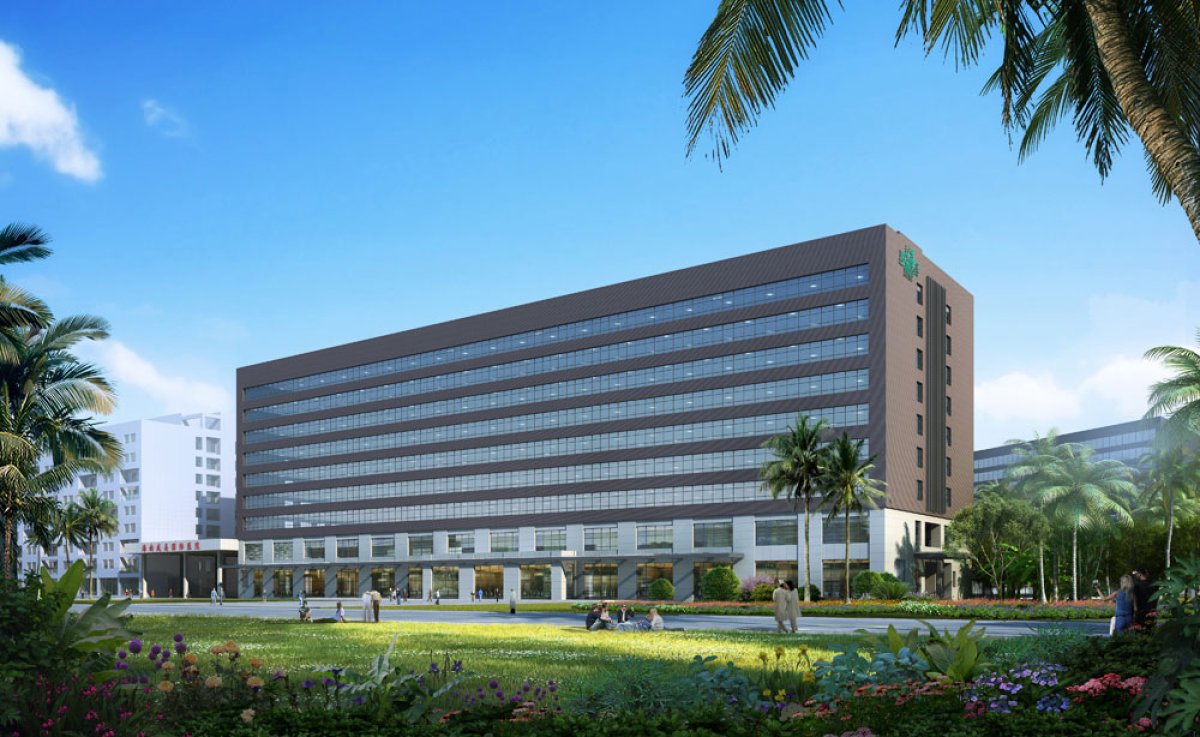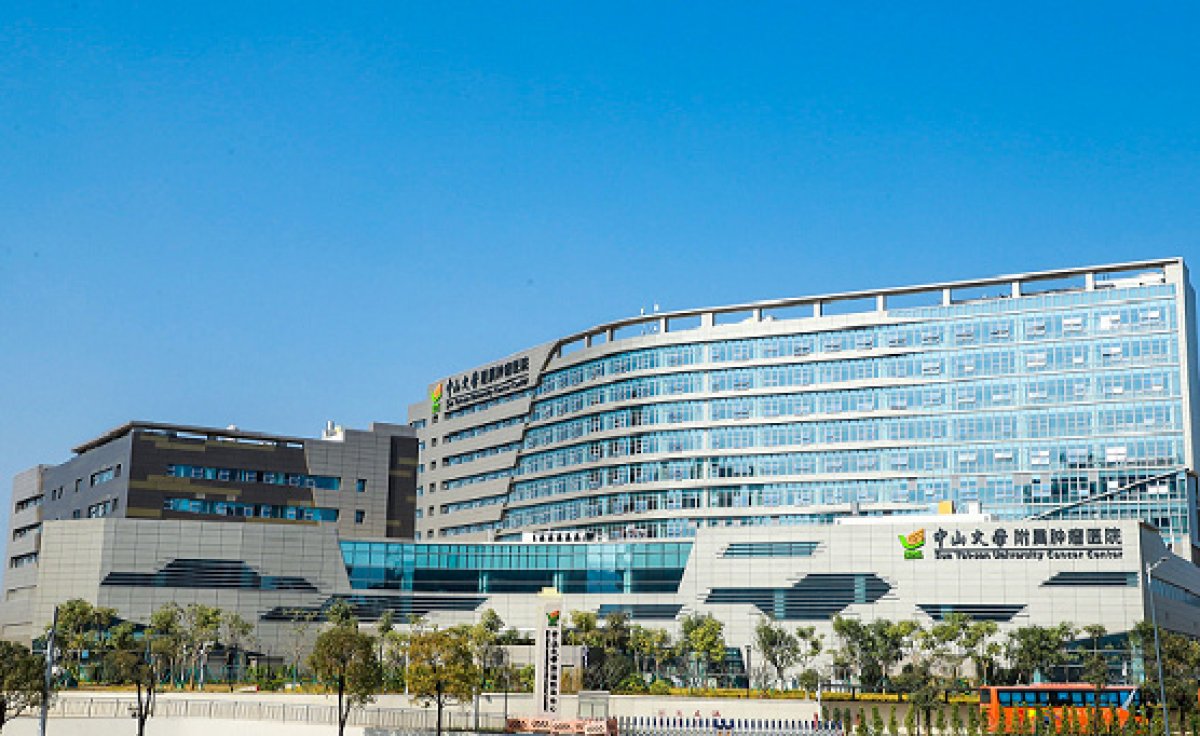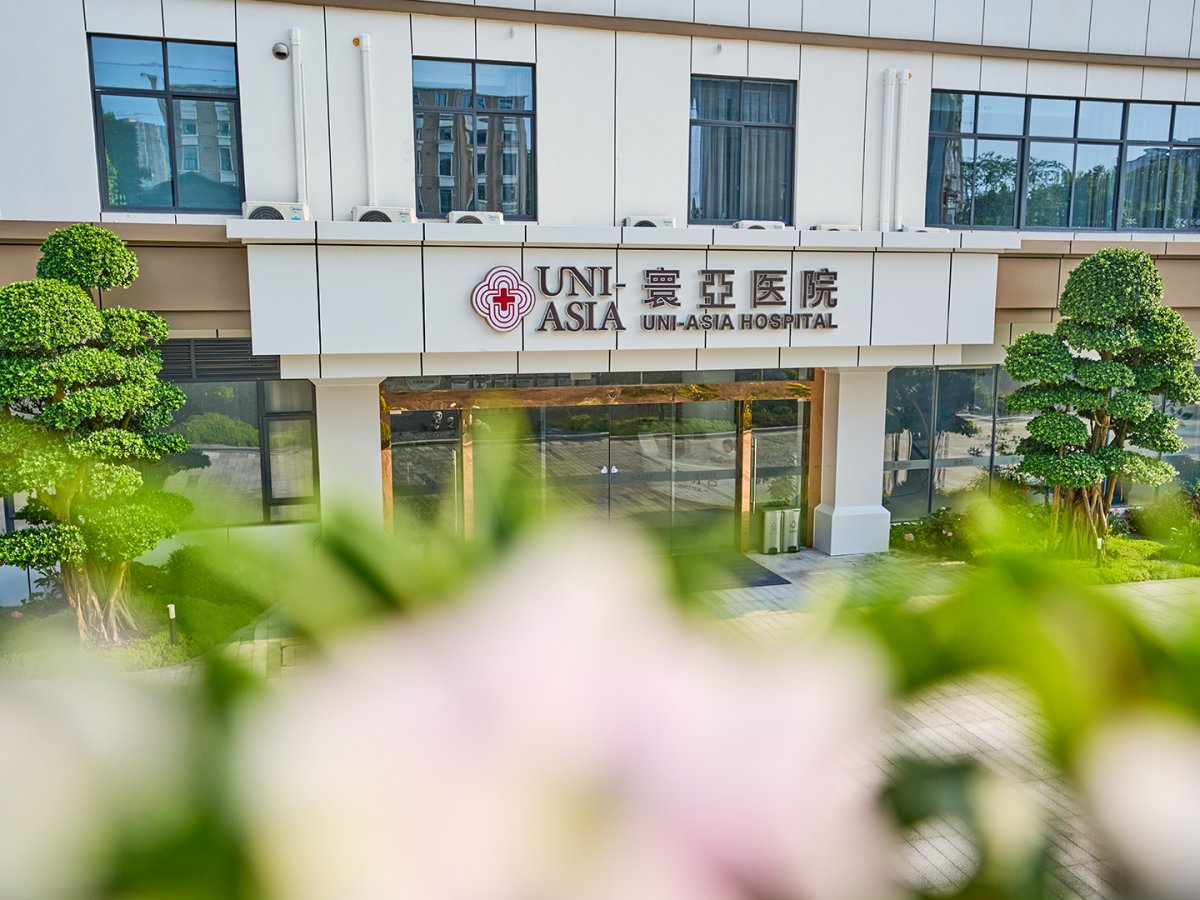
uni-asia hospital
الصين, تشنغدو


تمت مراجعة المقالة طبيا من قبل
فهد مولود
من $250. وتتراوح تكلفة التدخلات الجراحية الأولية مثل استئصال الكلية بين $9,500 و $15,500، بينما تبلغ تكلفة استئصال الكلية باستخدام روبوت دافنشي ما بين السعر عند الطلب و السعر عند الطلب. تعتمد التكاليف الإجمالية على مرحلة السرطان والتقنية الجراحية المستخدمة، مما يوفر وفورات تتراوح بين 50-70% مقارنة بالولايات المتحدة. تشمل المراكز الطبية الرئيسية قوانغتشو وشانغهاي وبكين.
تكاليف علاج سرطان الكلى النموذجية في الصين
رؤية خبراء Bookimed: يجد المرضى في المراحل المتأخرة قيمة كبيرة في العلاجات المتخصصة التي تتجاوز العلاج الكيميائي القياسي. يوفر مستشفى فودا للسرطان (Fuda Cancer Hospital) أكثر من 10 أنواع من الخيارات طفيفة التوغل، بما في ذلك تقنية نانو نايف والجراحة بالتبريد. أجرى الدكتور نيو ليتشي في مستشفى فودا ما يقرب من 10,000 جراحة بالتبريد بنتائج مشهورة عالمياً. بالنسبة للحالات المتقدمة، توفر المرافق المعتمدة من اللجنة الدولية المشتركة (JCI) في قوانغتشو رعاية متعددة التخصصات توازن بين التكنولوجيا المتقدمة والتوفير الكبير في التكاليف.
| الصين | تركيا | إسبانيا | |
|---|---|---|---|
| نانو نايف NanoKnife | من $24,000 | ≈ $9,500 | ≈ $9,500 |
| منظومة دا فينشي الجراحية | من $35,800 | من $23,900 | ≈ $9,500 |
| سايبر نايف CyberKnife | من $7,000 | من $4,900 | من $14,800 |
| العلاج بالبروتون (انظر العلاج بحزم البروتون) | ≈ $28,000 | من $25,000 | من $43,400 |
| العلاج الإشعاعي لسرطان القولون والمستقيم | ≈ $11,500 | من $5,000 | من $7,500 |
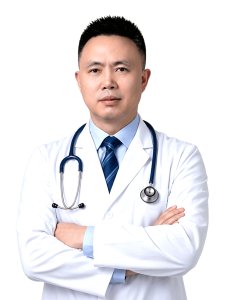
كبير الأطباء وأستاذ. خبير من الدرجة الأولى في مركز السرطان بمستشفى غرب الصين، جامعة سيتشوان (المرتبة الثانية في الصين). أنهى زمالة ما بعد الدكتوراه في الأشعة التداخلية بالمستشفى العام لجيش التحرير الشعبي الصيني. يقود رعاية فريق متعدد التخصصات (MDT) للأورام المعقدة. خبير في طب الأورام التداخلي طفيف التوغل لأورام الكبد والرئة والبنكرياس.
الاعتمادات: عضو مجلس في WATA. عضو في لجان CACA وCMDA للتدخلات، والاستئصال الحراري، والبذور المشعة، وعلاج الألم. في 2023، عضو مجلس مؤسِّس في لجنة الرعاية
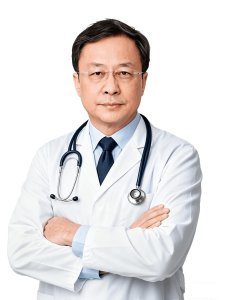
البروفيسور لوو شياوبينغ اختصاصي أشعة تداخلية معترف به على المستوى الوطني ومن أبرز الخبراء في غرب الصين. بدأ ريادة التدخلات الوعائية في أوائل التسعينيات، وأسهم في تأسيس فريق الأشعة التداخلية في المستشفى الثاني الملحق بجامعة تشونغتشينغ الطبية.
أجرى أكثر من 100 ألف إجراء تداخلي، بينها نحو 4 آلاف حالة معقدة. تشمل مهاراته الأساسية الانصمام الكيميائي عبر الشريان الكبدي (TACE) لعلاج سرطان الخلايا الكبدية، وتداخلات متلازمة بود–كياري، وإجراء TIPS، وتركيب دعامتين في مرحلة واحدة لعلاج انسداد القن
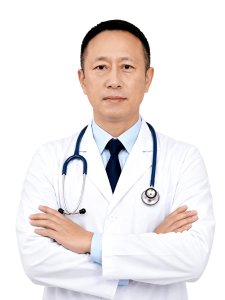
الدكتور هي ويبينغ رائد الاستئصال بالتبريد بالأرجون–الهيليوم في الصين، وله أكثر من 20 عاماً من الممارسة السريرية المباشرة. كان عضواً مؤسِّساً لمستشفى فودا للسرطان (قوانغتشو)، وشارك في تأسيس مركز علاج الأورام طفيفة التوغل فيه وتولى منصب نائب المدير التنفيذي. كما أسهم في تأسيس مجموعة الاستئصال التابعة للجمعية الصينية لمكافحة السرطان. وكان المنفّذ الرئيسي في أكثر من 10,000 إجراء.
يتخصص في الاستئصال بالتبريد للأورام، وهو متمرّس في العلاج الإشعاعي الموضعي ببذور اليود‑125، مع تركيز على سرطاني
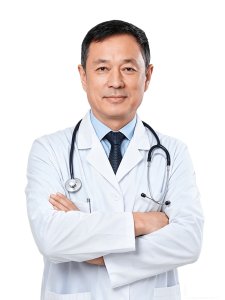
الأستاذ شياو يويونغ هو كبير الأطباء في قسم التشخيص الإشعاعي بالمستشفى العام لجيش التحرير الشعبي الصيني، وخبير بارز في طب الأورام التداخلي طفيف التوغل. يشغل منصب الرئيس المؤسس لـWATA (2025–). ويرأس الجمعية الدولية (2020–) والجمعية الآسيوية (2012–) للعلاج بالتجميد. كما أنه نائب رئيس مجموعة الخبراء بهيئة الصحة الوطنية (NHC) للوائح استئصال الأورام (2009–).
أجرى أكثر من 100,000 إجراء طفيف التوغل موجهًا بالتصوير المقطعي/الرنين المغناطيسي. يشمل عمله الاستئصال الكيميائي، والاستئصال بالترددات ا

كتب بواسطة Veronika Kazina

كتب بواسطة Veronika Kazina

كتب بواسطة Veronika Kazina

كتب بواسطة Veronika Kazina

كتب بواسطة Veronika Kazina
 Anna Leonova
تُعالج المستشفيات الصينية الرائدة سرطان الكلى باستخدام استئصال الكلية الروبوتي، والجراحة بالتبريد، والعلاج الموجه. وتجمع المراكز المتخصصة بين الجراحة طفيفة التوغل والاستئصال المتقدم للأورام الصغيرة. وتستخدم المؤسسات الأكاديمية الكبرى نظام دافنشي لإجراء عمليات دقيقة تحافظ على النيفرونات. وتهدف هذه الأساليب إلى الحفاظ على أنسجة الكلى السليمة.
رأي خبراء بوكيمد: تُعدّ الصين رائدة عالميًا في مجال الجراحة البردية لعلاج سرطان الكلى. وقد أجرى البروفيسور نيو ليتشي، من مستشفى فودا للسرطان، أكثر من 10,000 عملية جراحية بردية. يُستخدم هذا الإجراء غالبًا للأورام التي يقل حجمها عن 4 سم، ويُوفّر بديلاً آمنًا للمرضى كبار السن. المستشفى معتمد من قبل اللجنة الدولية المشتركة
تضمن أكبر مراكز علاج سرطان الكلى في الصين سلامة المرضى وتقدم رعاية متخصصة معترف بها دوليًا. وتُعدّ مؤسسات رائدة، مثل مستشفى فودا للسرطان، معتمدة من قبل اللجنة الدولية المشتركة (JCI). وتشير البيانات الوطنية إلى أن معدل البقاء على قيد الحياة لمدة خمس سنوات لمرضى سرطان الكلى يصل إلى 69.8%. وهذه المعدلات تكاد تكون مطابقة لتلك الموجودة في الدول الغربية ذات الدخل المرتفع.
رأي خبراء بوكيمد: على الرغم من ارتفاع معدلات البقاء على قيد الحياة بشكل عام، إلا أن القيمة الحقيقية في الصين تكمن في الجراحة البردية المتخصصة وتقنية نانو نايف لعلاج الحالات المتقدمة. يعالج مستشفى فودا للسرطان أكثر من 30,000 مريض دولي سنويًا. يتيح هذا الحجم الهائل من العمل للجراحين الحفاظ على مستوى عالٍ من الخبرة في التقنيات المعقدة ذات التدخل الجر
يُعدّ مستشفى قوانغتشو فودا للسرطان ومستشفى بكين يونايتد فاميلي من بين أكثر المؤسسات الطبية خبرةً في الصين في علاج مرضى سرطان الكلى الدوليين. وتتخصص هذه المراكز المعتمدة من قبل اللجنة الدولية المشتركة (JCI) في التقنيات طفيفة التوغل، حيث تُقدّم جراحة التبريد المتقدمة، والعلاج بتقنية النانو، واستئصال الكلية الروبوتي للحالات المعقدة أو المتقدمة.
رأي خبراء بوكيمد: بينما يلجأ الكثيرون إلى الجراحة الروبوتية، تكمن ميزة الصين الخاصة في علاج سرطان الكلى في الاستئصال غير الجراحي. يقدم مستشفى فودا للسرطان أكثر من 10 أنواع من العلاجات طفيفة التوغل. يُعدّ الدكتور نيو ليتشي مرجعًا عالميًا في الجراحة البردية. وهذا ما يجعل هذه العيادات الخيار الأمثل للمرضى الذين يعانون من أورام في مناطق يصعب الوصول إليها.<
يتطلب التعافي بعد جراحة سرطان الكلى في الصين عادةً الإقامة في المستشفى لمدة تتراوح بين 3 و5 أيام. أما الإجراءات طفيفة التوغل، مثل الاستئصال بالتبريد أو تقنية النانو نايف، فتتيح في كثير من الأحيان الخروج من المستشفى في غضون 48 ساعة. وتشمل بروتوكولات المتابعة إجراء فحوصات التصوير المقطعي المحوسب أو التصوير بالرنين المغناطيسي للبطن كل 3 إلى 6 أشهر خلال السنتين الأوليين.
رأي خبراء بوكيمد: يؤثر حجم العمل السريري الكبير بشكل ملحوظ على مؤهلات الأخصائيين في مجالات علاجية مثل الجراحة البردية. وقد أجرى البروفيسور الدكتور نيو ليتشي من مستشفى فودا للسرطان شخصيًا أكثر من 10000 عملية جراحية بردية. غالبًا ما يؤدي هذا العدد الكبير من العمليات في المراكز المعتمدة من قبل اللجنة الدولية المشتركة (JCI) إلى
في الصين، يُعدّ المرضى المصابون بأورام كلوية صغيرة يقل حجمها عن 4 سم (المرحلة T1a) مرشحين مثاليين للاستئصال الجراحي طفيف التوغل. يُناسب هذا الأسلوب الأفراد المعرضين لمخاطر جراحية عالية بسبب العمر أو أمراض القلب. وهو فعال بشكل خاص لمن يحتاجون إلى الحفاظ على وظائف الكلى أو علاج كلية وحيدة.
رأي خبراء بوكيمد: على الرغم من أن الكثيرين يتجاهلون مراكز علاج السرطان المتخصصة، إلا أن مستشفى فودا للسرطان في قوانغتشو يتميز بميزة فريدة، حيث أجرى أكثر من 10,000 عملية جراحية بالتبريد. وقد أجرى البروفيسور نيو ليتشي شخصيًا 500 عملية باستخدام تقنية النانو نايف، وهو مستوى من الخبرة نادر في العالم. ينبغي على المرضى إعطاء الأولوية لهذه المراكز ذات الخبرة الواسعة، حيث أن الخبرة المتخصصة في تقنية النانو نايف والاستئصال بالتبريد غالبًا ما ت
يُعدّ طب الأورام التكاملي في الصين مجالاً يركز على المريض، ويجمع بين أساليب العلاج التقليدية والعلاجات التكميلية القائمة على الأدلة. يستخدم هذا النموذج المتكامل للطب الصيني والغربي تقنيات مثل روبوت دافنشي وجهاز سايبر نايف إم 6 إلى جانب الأساليب التقليدية لتخفيف الأعراض وتحسين جودة الحياة.
رأي خبراء بوكيمد: تُظهر بياناتنا أن المراكز الصينية الرائدة غالبًا ما تستبدل العلاج الكيميائي المكثف بأكثر من عشرة أنواع من العلاجات طفيفة التوغل. على سبيل المثال، أجرى الدكتور نيو ليتشي من مستشفى فودا للسرطان أكثر من 10,000 عملية جراحية بالتبريد لحالات السرطان المتقدمة. غالبًا ما تكون هذه العيادات معتمدة من قبل اللجنة الدولية المشتركة (JCI)، مما يضمن استيفاء الأساليب التقليدية لمعا
تُعدّ مدن قوانغتشو وبكين وشنغهاي المراكز الرئيسية لعلاج سرطان الكلى المتقدم في الصين. وتضم هذه المدن مؤسسات طبية معتمدة من اللجنة الدولية المشتركة (JCI) متخصصة في جراحة الأورام طفيفة التوغل. كما يُتاح للمرضى الدوليين عادةً الوصول إلى الجراحة البردية، واستئصال الأورام بتقنية النانو، واستئصال الكلية الروبوتي. وتُقدّم المراكز المتخصصة في هذه المناطق رعاية متعددة التخصصات لأمراض الكلى المعقدة.
رأي خبراء بوكيمد: تتميز مدينة قوانغتشو بخبرتها المتخصصة في علاج أمراض الكلى في مراحلها المتقدمة. وقد أجرى الدكتور نيو ليتشي، من مستشفى ف