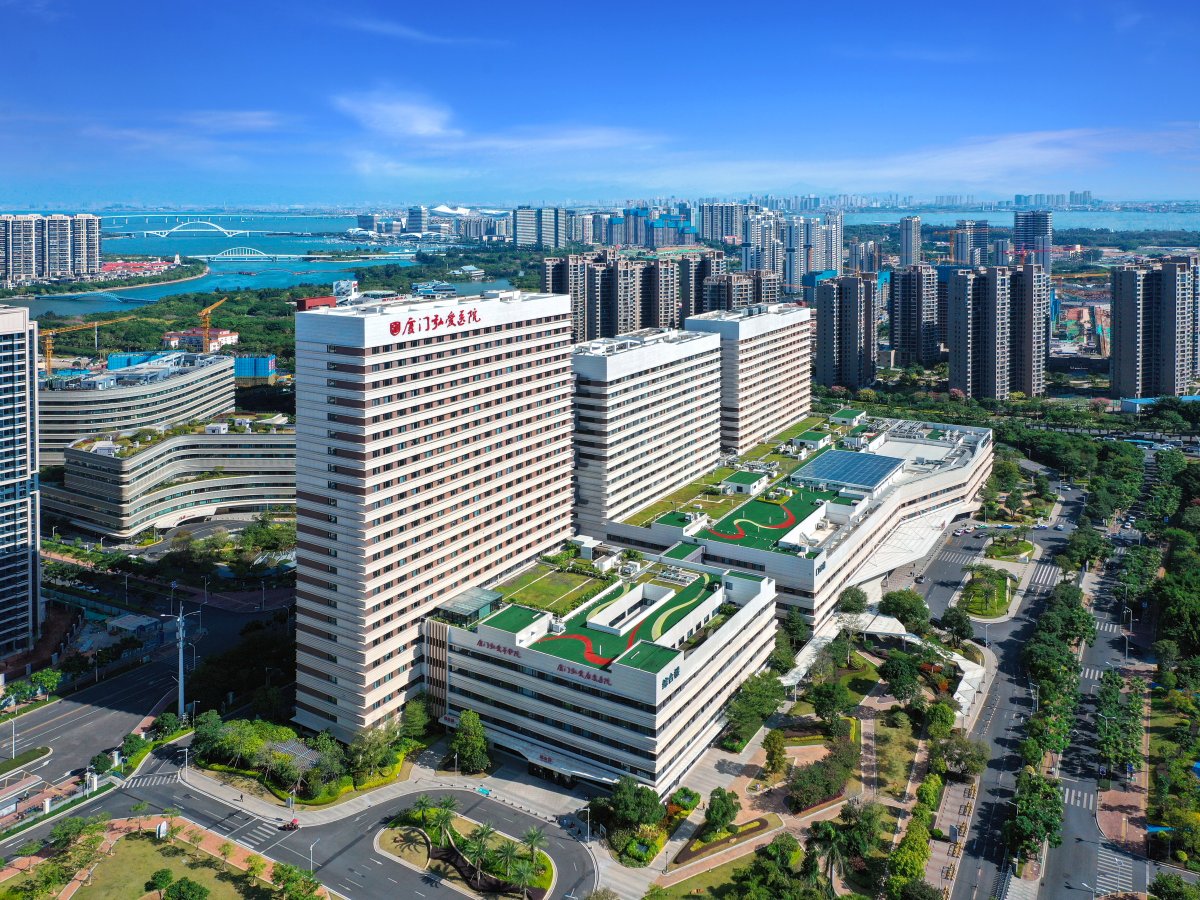
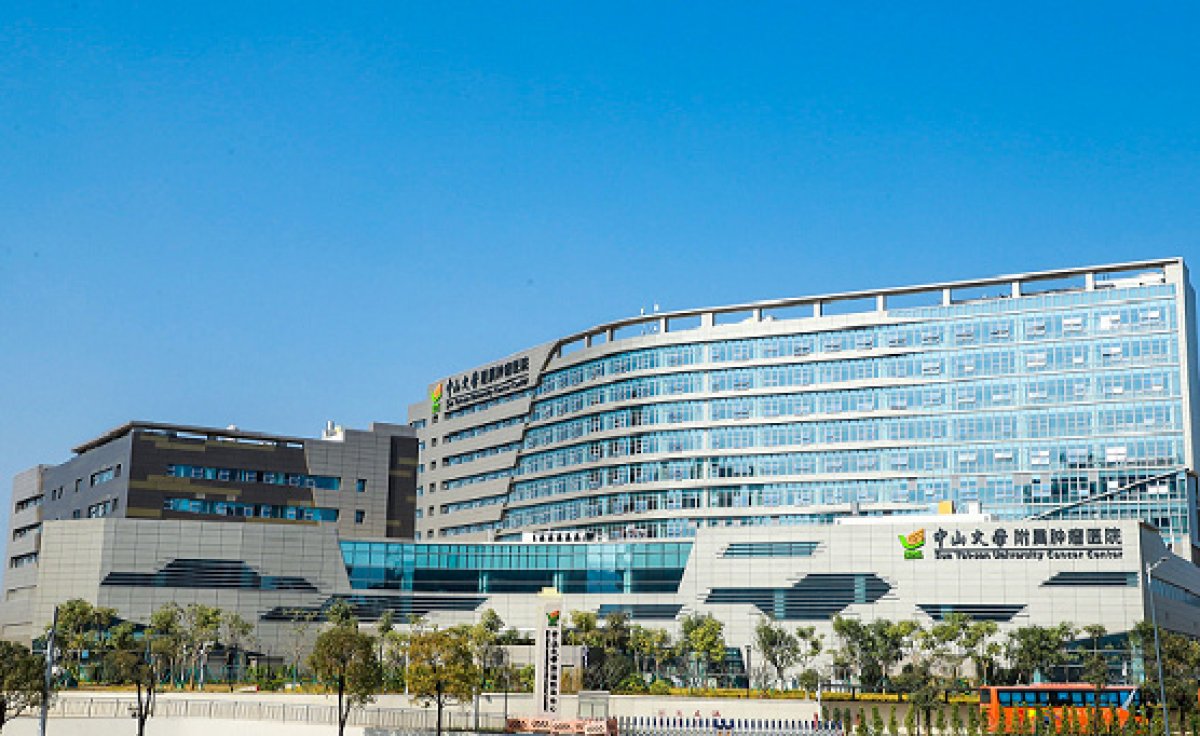
Fuda Hospital
الصين, قوانغتشو


تمت مراجعة المقالة طبيا من قبل
فهد مولود
تتضمن تكلفة علاج سرطان الثدي في الصين عادةً التشخيصات الأساسية مثل الأشعة المقطعية على الصدر، والتي تتراوح تكلفتها من السعر عند الطلب إلى السعر عند الطلب. من $8,000. تعتمد التكاليف الإجمالية على المرحلة السريرية ومستوى العيادة، وغالباً ما توفر وفورات بنسبة 50-70% مقارنة بالولايات المتحدة. تشمل أفضل المدن للعلاج قوانغتشو وشيامن.
تكاليف علاج سرطان الثدي النموذجية في الصين
رؤية خبراء Bookimed: يجد المرضى في المراحل المتقدمة قيمة عالية في المراكز المتخصصة مثل مستشفى فودا للسرطان (Fuda Cancer Hospital). فهي توفر بدائل طفيفة التوغل مثل نانو نايف (NanoKnife) والجراحة بالتبريد للحالات المعقدة. وبالنسبة لأولئك الذين يبحثون عن خبرة في مجال الإشعاع، يقدم البروفيسور ليو شي شين في مستشفى شيامن هيومانيتي (Xiamen Humanity Hospital) بروتوكولات متقدمة للعلاج الإشعاعي المعدل الشدة (IMRT) والعلاج الإشعاعي الموجه حجمياً (VMAT). يستفيد المرضى الدوليون من المعايير المعتمدة من اللجنة الدولية المشتركة (JCI) مع الحفاظ على مزايا كبيرة في التكلفة. يظل الكشف المبكر هو المسار الأكثر فعالية من حيث التكلفة للتعافي على المدى الطويل.
| الصين | تركيا | إسبانيا | |
|---|---|---|---|
| سايبر نايف CyberKnife | من $7,000 | من $4,900 | من $14,800 |
| جراحة إعادة بناء الثدي | ≈ $5,500 | من $4,000 | من $6,500 |
| المعالجة المقطعية | ≈ $7,500 | من $6,700 | ≈ $7,500 |
| العلاج المناعي مع Keytruda (Pembolizumab) | ≈ $4,500 | من $3,900 | من $10,300 |
| استئصال سرطان الثدي | ≈ $7,500 | من $4,500 | من $12,000 |
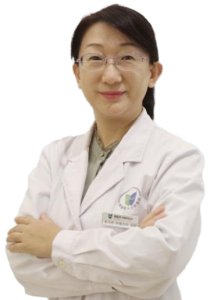
الدكتور لوان تيانيان، MD، رئيس قسم الأورام. استُقدم إلى مقاطعة هاينان ككادر رفيع المستوى. باحث زائر في معهد دانا-فاربر للسرطان (الولايات المتحدة). كما يشغل منصب مدير مكتب البحوث السريرية في مستشفى Bozheng Hengda International Hospital. وهو عضو في اللجان الدائمة لكل من لجنة إدارة البحوث السريرية (جمعية الجنوب للبحوث السريرية في الأورام)، ولجنة العلاج المناعي (جمعية هاينان لمكافحة السرطان)، ولجنة أبحاث الأدوية في مقاطعة هاينان.
لديه أكثر من 20 عامًا من الخبرة في طب الأورام. يقدّم رعاية ف
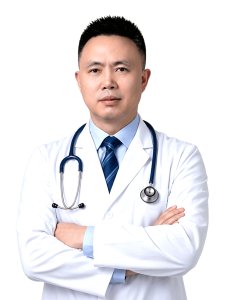
كبير الأطباء وأستاذ. خبير من الدرجة الأولى في مركز السرطان بمستشفى غرب الصين، جامعة سيتشوان (المرتبة الثانية في الصين). أنهى زمالة ما بعد الدكتوراه في الأشعة التداخلية بالمستشفى العام لجيش التحرير الشعبي الصيني. يقود رعاية فريق متعدد التخصصات (MDT) للأورام المعقدة. خبير في طب الأورام التداخلي طفيف التوغل لأورام الكبد والرئة والبنكرياس.
الاعتمادات: عضو مجلس في WATA. عضو في لجان CACA وCMDA للتدخلات، والاستئصال الحراري، والبذور المشعة، وعلاج الألم. في 2023، عضو مجلس مؤسِّس في لجنة الرعاية
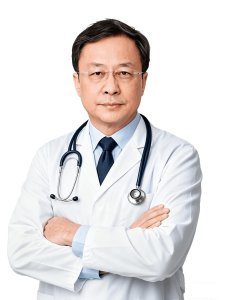
البروفيسور لوو شياوبينغ اختصاصي أشعة تداخلية معترف به على المستوى الوطني ومن أبرز الخبراء في غرب الصين. بدأ ريادة التدخلات الوعائية في أوائل التسعينيات، وأسهم في تأسيس فريق الأشعة التداخلية في المستشفى الثاني الملحق بجامعة تشونغتشينغ الطبية.
أجرى أكثر من 100 ألف إجراء تداخلي، بينها نحو 4 آلاف حالة معقدة. تشمل مهاراته الأساسية الانصمام الكيميائي عبر الشريان الكبدي (TACE) لعلاج سرطان الخلايا الكبدية، وتداخلات متلازمة بود–كياري، وإجراء TIPS، وتركيب دعامتين في مرحلة واحدة لعلاج انسداد القن
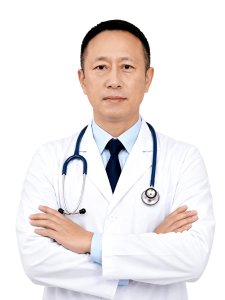
الدكتور هي ويبينغ رائد الاستئصال بالتبريد بالأرجون–الهيليوم في الصين، وله أكثر من 20 عاماً من الممارسة السريرية المباشرة. كان عضواً مؤسِّساً لمستشفى فودا للسرطان (قوانغتشو)، وشارك في تأسيس مركز علاج الأورام طفيفة التوغل فيه وتولى منصب نائب المدير التنفيذي. كما أسهم في تأسيس مجموعة الاستئصال التابعة للجمعية الصينية لمكافحة السرطان. وكان المنفّذ الرئيسي في أكثر من 10,000 إجراء.
يتخصص في الاستئصال بالتبريد للأورام، وهو متمرّس في العلاج الإشعاعي الموضعي ببذور اليود‑125، مع تركيز على سرطاني

كتب بواسطة Anna Leonova
كتب بواسطة Halina Shubala

كتب بواسطة Veronika Kazina

كتب بواسطة Veronika Kazina

كتب بواسطة Veronika Kazina
 Anna Leonova
في الصين، يتوفر علاج عالي الجودة لسرطان الثدي في مراكز حضرية معتمدة من اللجنة الدولية المشتركة (JCI). وفي أفضل العيادات، تتجاوز معدلات الشفاء في المراحل المبكرة 90%. وتعمل المستشفيات المتخصصة في بكين وشنغهاي وفقًا للبروتوكولات الدولية بفرق متعددة التخصصات. وتوفر التقنيات المتقدمة، مثل جهاز NanoKnife وجهاز CyberKnife M6، خيارات دقيقة وبأقل قدر من التدخل الجراحي للحالات المعقدة.
رأي خبراء بوكيمد: بينما يلجأ الكثيرون إلى الجراحة التقليدية، تتفوق الصين في الجمع بين العلاج المناعي وأساليب الاستئصال الفريدة. وقد عالج مستشفى فودا للسرطان أكثر من 30,000 مريض من 100 دولة باستخدام الجراحة البردية و
تستخدم الصين أحدث علاجات سرطان الثدي، بما في ذلك الجيل الجديد من الأدوية المقترنة بالأجسام المضادة (ADCs)، مثل تراستوزوماب ديروكسيتكان وساكيتوزوماب تيروموتيكان. ويتوفر للمرضى علاجات موجهة مبتكرة، وأجسام مضادة ثنائية التخصص، وجراحة إشعاعية متخصصة. وتستخدم مؤسسات مثل مستشفى فودا للسرطان تقنيات طفيفة التوغل والجراحة البردية لعلاج المراحل المتقدمة من المرض.
رأي خبراء بوكيمد: أصبحت الصين سوقًا رئيسيًا للابتكارات العالمية في مجال الأورام. تحصل بعض الأدوية المقترنة بالأجسام المضادة على الموافقات التنظيمية هنا قبل غيرها من المنظمات الدولية الكبرى. على سبيل المثال، يقدم مستشفى جينشاتشو علاج سايب
تُقدّم الصين علاجات متطورة لسرطان الثدي بأقل قدر من التدخل الجراحي، تشمل تقنية النانو، والجراحة البردية، والعلاج التداخلي للأوعية الدموية. وتستخدم مراكز متخصصة في مدينة قوانغتشو هذه التقنيات لعلاج الأورام دون الآثار الجانبية للعلاج الكيميائي التقليدي. تستهدف هذه الأساليب الخلايا السرطانية مع الحفاظ على أنسجة الثدي السليمة المحيطة بها والبنى الحيوية الأخرى.
رأي خبراء بوكيمد: تُظهر بيانات مستشفى فودا للسرطان أنه يستخدم أكثر من 10 أنواع من العلاجات طفيفة التوغل. ويكمن أحد الاختلافات الرئيسية في الصين في التدفق الكبير للمرضى الدوليين. فقد عالج مستشفى فودا وحده أكثر من 30,000 مريض من 100 دولة. وهذا يدل على مستوى عالٍ من التوحيد في بروتوكولات العلاج للمرضى الدو
تقدم المستشفيات الصينية الكبرى دعماً متخصصاً للمرضى الدوليين من خلال أقسام طبية دولية أو أجنحة لكبار الشخصيات. وتضم هذه الأقسام كوادر طبية ثنائية اللغة، وتوفر الوثائق الطبية باللغة الإنجليزية، وتقدم خدمات متميزة. غالباً ما تكون المرافق الطبية في مدن مثل قوانغتشو وشنغهاي معتمدة من قبل اللجنة الدولية المشتركة (JCI)، مما يضمن الامتثال لمعايير الرعاية الصحية العالمية.
رأي خبراء بوكيمد: تُظهر المراكز الكبيرة مثل مستشفى فودا للسرطان تركيزها الدولي، حيث تعالج 30,000 مريض من أكثر من 100 دولة. وتشير البيانات إلى أن المؤسسات الرائدة غالبًا ما توظف أطباء ذوي خبرة دولية واسعة. فعلى سبيل المثال، عمل الدكتور لينغ ين في مستشفيات كبرى في تايلاند قبل انضمامه إلى
في الصين، يُسمح عمومًا لأفراد العائلة بالبقاء مع مريضات سرطان الثدي. وتسمح معظم المستشفيات الكبيرة لمرافق واحد مُعيّن بالبقاء ليلة واحدة في غرفة المريضة. ويتم توفير كرسي قابل للطي أو سرير عادةً. وغالبًا ما يتطلب الدخول بطاقة خاصة بالمرافق وبطاقة هوية سارية المفعول، مثل جواز السفر.
رأي خبراء بوكيمد: بينما توفر المستشفيات الحكومية كراسي قابلة للطي بسيطة للمرافقين، فإن المراكز المعتمدة من قبل اللجنة الدولية المشتركة (JCI)، مثل مستشفى فودا للسرطان في قوانغتشو، تتعامل مع العدد الكبير من المرضى الدوليين في ظروف أكثر راحة. تُظهر بياناتنا أن هذه المرافق غالبًا ما تكون أنسب للعائلات، نظرًا لاعتيادها على استقبال مرضى من أكثر من 100 دولة. إذا كنتَ ب
للحصول على تأشيرة علاجية لتلقي علاج سرطان الثدي في الصين، يجب الحصول على دعوة رسمية من مستشفى من الفئة 3A. يحتاج المتقدمون عادةً إلى تأشيرة S2 قصيرة الأجل للإقامات التي تقل عن 180 يومًا. أما في حالات السرطان المعقدة التي تتجاوز مدتها ستة أشهر، فيلزم الحصول على تأشيرة S1، والتي تُحوّل إلى تصريح إقامة طبية.
رأي خبراء بوكيمد: بينما يسعى الكثيرون للحصول على تأشيرات طبية عامة، فإن التقديم إلى مؤسسات معتمدة من اللجنة الدولية المشتركة (JCI)، مثل مستشفى فودا للسرطان في قوانغتشو، يُسهّل الإجراءات. تخدم هذه المراكز عددًا كبيرًا من المرضى الدوليين - أكثر من 30,000 مريض - ولديها بروتوكولات مُعتمدة لإصدار الدعوات الخاصة المطلوبة من القنصليات. غالبًا ما تُقلّل هذه الخبرة المؤسسية من التأخيرات الإدارية، التي تستغرق عا
تشمل المستشفيات الموصى بها لعلاج سرطان الثدي في الصين مستشفى جامعة بكين ومركز فودان الجامعي لسرطان شنغهاي. وتحتل هذه المؤسسات مراكز متقدمة في التصنيفات الوطنية للرعاية الطبية متعددة التخصصات. كما تقدم مراكز متخصصة، مثل مستشفى فودان للسرطان في قوانغتشو الحاصل على اعتماد اللجنة الدولية المشتركة، علاجات متقدمة، بما في ذلك الجراحة البردية والعلاج الموجه.
رأي خبراء بوكيمد: على الرغم من المكانة المرموقة لمراكز علاج السرطان الحكومية الكبيرة، مثل مركز فودان الجامعي لسرطان شنغهاي، إلا أن فترة الانتظار فيها قد تصل إلى شهرين. يجد المرضى الدوليون خيارات علاجية أكثر فعالية في المراكز الخاصة المعتمدة من قبل اللجنة الدولية المشتركة (JCI) في قوانغتشو. تعالج مؤسسات مثل