العودة إلى الصفحة الرئيسية
820К+ مريضًا حصلوا على المساعدة منذ عام 2014
50 دول
1,500 عيادات
6K+ تقييمات
3K+ طبيب مؤهل

ما هي تكلفة سرطان العظام إجراءات التشخيص والعلاج في كوريا الجنوبية؟ اعرف الآن

السعر المتوسط لتشخيص وعلاج سرطان العظام في كوريا الجنوبية هو $2,450. الحد الأدنى للسعر هو $2,200 والحد الأقصى $2,700.
كوريا الجنوبيةتركياإسبانيا
جراحة تصحيح تشوه العظاممن $8,200من $2,500من $15,000
العلاج الكيميائي لسرطان الثديمن $19,200من $1,200من $3,500
العلاج بالأنتيوم-225-من $22,955من $45,000
العلاج الإشعاعي لسرطان القولون والمستقيم-من $7,000من $10,000
استئصال العظام-من $8,960من $20,000
تم التحقق من البيانات بواسطة Bookimed اعتبارًا من August 2026، استنادًا إلى طلبات المرضى والعروض الرسمية من 146 عيادة حول العالم. تستند التكاليف المتوسطة إلى الفواتير الحقيقية (2025–2026) ويتم تحديثها شهريًا. قد تختلف الأسعار الفعلية.

مزاياك وضماناتك مع Bookimed

أسعار مباشرة

Bookimed لا يضيف رسوماً إضافية على أسعار علاج سرطان العظام. الأسعار مأخوذة من قوائم الأسعار الرسمية للعيادات. تدفع مباشرة في العيادة مقابل علاجك عند وصولك إلى البلد.

عيادات وأطباء معتمدون فقط

Bookimed ملتزم بسلامتك. نحن نعمل فقط مع المؤسسات الطبية التي تحافظ على معايير دولية عالية في علاج سرطان العظام ولديها التراخيص اللازمة لخدمة المرضى الدوليين في جميع أنحاء العالم.

مساعدة مجانية على مدار الساعة

Bookimed يقدم مساعدة خبراء مجانية. منسق طبي شخصي يدعمك قبل وأثناء وبعد العلاج، ويحل أي مشاكل. لن تكون وحيداً أبداً في رحلة علاج سرطان العظام.

لماذا نحن؟

منسقك الطبي الشخصي في Bookimed

  • يدعمك في كل مرحلة
  • المساعدة في اختيار العيادة الطبية المناسبة والطبيب المناسب
  • يضمن الوصول السريع والمريح إلى المعلومات

اكتشف أفضل سرطان العظام العيادات في كوريا الجنوبية: 10 خيارات معتمدة والأسعار

تم تصنيف العيادات بواسطة نظام Bookimed الذكي، باستخدام تحليل علوم البيانات عبر 5 معايير رئيسية.
Samsung Medical Center
Ewha Womans University Medical Center
Asan Medical Center
Seoul National University Bundang Hospital (SNUBH)
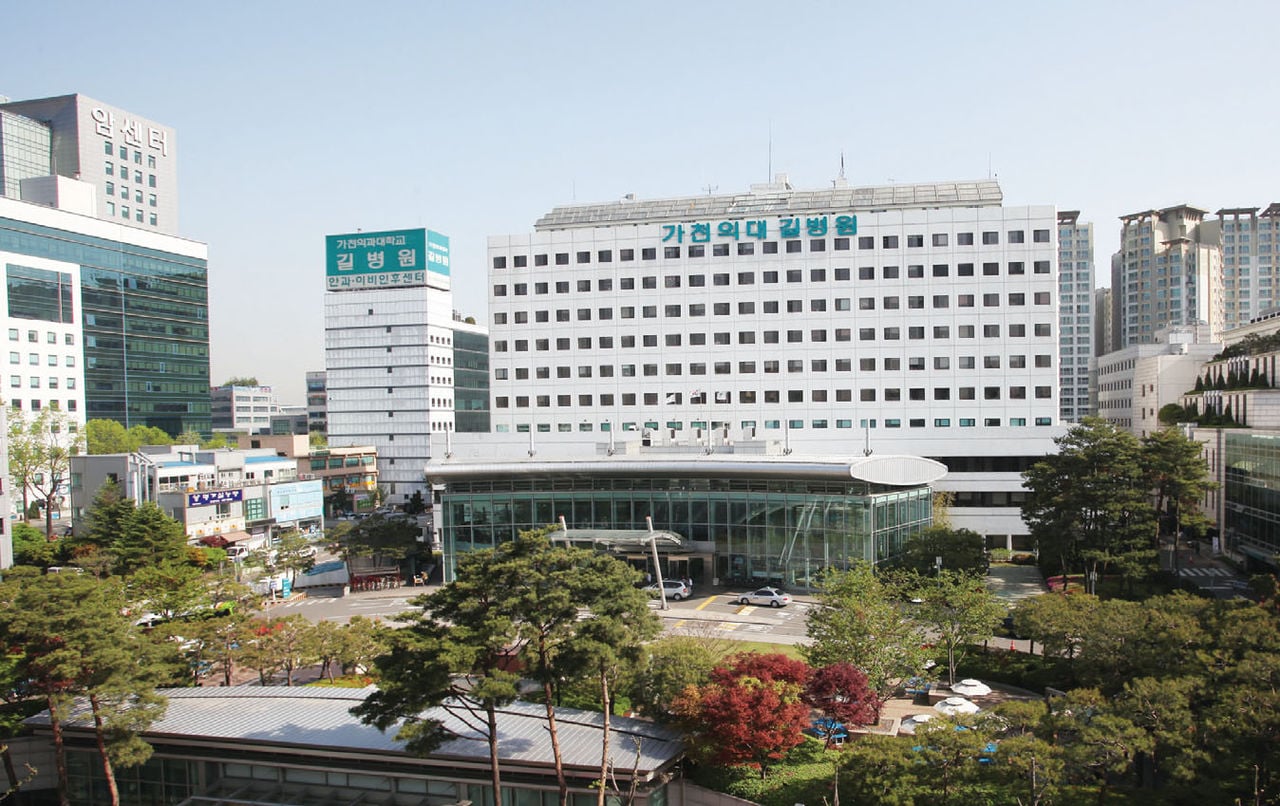
Gachon University Gil Medical Center

مشاركة المحتوى

Twitter XLinkedinFacebookWhatsAppEmail
أحصل على الرابط

قصص فيديو من مرضى Bookimed

Dayana
جمعت بين إجازتي في أنطاليا والفحص الطبي.
إجراء: فحص صحة الإناث (انظر فحص النساء)
Igor
كان رائعاً! التنقلات والإقامة والعلاج - كل شيء مشمول.
إجراء: زرع الأسنان
مستشفى: WestDent Clinic
Marina
قام Bookimed بكل شيء من أجلي. لم أضطر للقلق بشأن أي شيء.
إجراء: فحص صحة الإناث (انظر فحص النساء)
مستشفى: Severance Hospital
محدث: 05/27/2022
تأليف
Anna Leonova
Anna Leonova
رئيس فريق تسويق المحتوى
محررة طبية معتمدة لديها خبرة تزيد عن 10 سنوات، طوّرت محتوى Bookimed الموثوق، مدعومة بماجستير في علم اللغة ومقابلات مع خبراء طبيين من جميع أنحاء العالم.
تمت المراجعة من قبل المستشار الطبي في Bookimed
فهد مولود
محرر طبي وعالم بيانات
طبيب عام. حاصل على 4 جوائز علمية. خدم في غرب آسيا. رئيس الفريق الطبي الناطق بالعربية سابقا ومسؤول عن معالجة البيانات ودقة المحتوى الطبي حاليا.
فهد مولود Linkedin
قد تحتوي هذه الصفحة على معلومات تتعلق بمختلف الحالات الطبية والعلاجات وخدمات الرعاية الصحية المتوفرة في بلدان مختلفة. يرجى العلم أن المحتوى مقدم لأغراض إعلامية فقط ولا ينبغي تفسيره على أنه نصيحة أو إرشادات طبية. يرجى استشارة طبيبك أو أخصائي طبي مؤهل قبل البدء أو تغيير العلاج الطبي.

أسئلة متكررة حول علاج سرطان العظام في كوريا الجنوبية

هذه الأسئلة الشائعة مأخوذة من مرضى حقيقيين يبحثون عن رعاية طبية عبر Bookimed. يتم تقديم الإجابات من قبل منسقين طبيين ذوي خبرة وممثلين موثوقين من العيادات.

ما هي خيارات علاج سرطان العظام الرئيسية المتاحة في كوريا الجنوبية؟

توفر كوريا الجنوبية علاجات متقدمة لسرطان العظام تركز على الحفاظ على الأطراف وإعادة البناء البيولوجي. تستخدم المراكز المتخصصة علاج الأيونات الثقيلة، والجراحة الروبوتية، ومجالس الأورام متعددة التخصصات. تدمج هذه المرافق المعتمدة من JCI العلاج الكيميائي المساعد مع الدقة الجراحية لتحقيق أقصى قدر من النتائج الوظيفية لمرضى الساركوما.

  • جراحة الحفاظ على الأطراف: يستخدم الجراحون طعومًا بيولوجية أو أطرافًا صناعية لتجنب البتر.
  • علاج الأيونات الثقيلة: تعمل أيونات الكربون عالية الدقة على تدمير الأورام المقاومة للإشعاع في مستشفى سيفيرانس.
  • الأنظمة الروبوتية: يستخدم مستشفى جامعة كوريا أنام الروبوتات لإزالة الأورام مع الحد الأدنى من فقدان الدم.
  • العلاج الكيميائي المركب: غالبًا ما تتضمن البروتوكولات جرعات عالية من الميثوتريكسيت والسيسبلاتين للساركوما العدوانية.

رؤية خبير Bookimed: بينما تقدم العديد من الدول خدمات الأورام، تتميز كوريا الجنوبية بالتعافي الوظيفي. تخدم عيادات مثل مستشفى جامعة سيول الوطنية ومركز سامسونج الطبي أكثر من 1,500,000 مريض سنويًا. يسمح هذا الحجم الهائل للمتخصصين بتحسين تقنيات إعادة البناء المتخصصة التي نادرًا ما تقوم بها المستشفيات العامة.

إجماع المرضى: يعطي المرضى الأولوية للعثور على أطباء أورام العظام المتخصصين في استئصال الحفاظ على الأطراف بدلاً من البتر. غالبًا ما يسعون للحصول على آراء ثانية في المستشفيات الجامعية الكبيرة لضمان تحقيق أفضل قدرة ممكنة على المشي وإعادة التأهيل على المدى الطويل.

ما هو معدل نجاح علاج سرطان العظام في جمهورية كوريا؟

تُبلغ كوريا الجنوبية عن معدل بقاء على قيد الحياة لمدة 5 سنوات لسرطان العظام الموضعي يتراوح بين 60% و75%. وتصل معدلات النجاح إلى 80% إلى 90% بالنسبة للورم الغضروفي منخفض الدرجة. تستخدم المرافق الرائدة مثل مستشفى جامعة سيول الوطنية بروتوكولات إنقاذ الأطراف للحفاظ على الوظيفة وتجنب البتر أثناء إزالة الورم.

  • نتائج الساركوما العظمية: يُظهر المرضى الأطفال معدلات بقاء على قيد الحياة تصل إلى 78% للأورام الموضعية.
  • توقعات الورم الغضروفي: تُحقق المتغيرات منخفضة الدرجة معدلات بقاء ممتازة تتراوح بين 80% و90%.
  • ساركوما إيوينغ: تُبلغ مراكز الأطفال الكورية عن معدل بقاء إجمالي لمدة 5 سنوات بنسبة 75%.
  • النجاح الجراحي: تعطي المراكز المتخصصة الأولوية للحفاظ على الأطراف باستخدام عمليات إعادة بناء اصطناعية مخصصة.

رؤية خبير Bookimed: يتخصص مستشفى جامعة كوريا أنام في الجراحة بدون دم والتقنيات الروبوتية لعلم الأورام. غالبًا ما يؤدي هذا التركيز على الدقة إلى تعافي أسرع بعد استئصال الساركوما المعقد. تدعم خبرتهم في جراحة إنقاذ الأطراف معدلات بقاء عالية مع الحفاظ على جودة حياة المريض.

إجماع المرضى: يؤكد المرضى أن العثور على فريق متخصص لديه خبرة في الساركوما أمر حيوي. غالبًا ما يتحول التركيز من مجرد البقاء على قيد الحياة إلى تحقيق إنقاذ ناجح للأطراف وحركة وظيفية طويلة المدى.

ما هي المستشفيات في كوريا الجنوبية المتخصصة في علاج سرطان العظام؟

تشمل أفضل المستشفيات الكورية الجنوبية لعلاج سرطان العظام مركز سامسونج الطبي، ومستشفى جامعة سيول الوطنية، ومركز أسان الطبي، ومستشفى سيفيرانس. تستخدم هذه المرافق المعتمدة من قبل اللجنة الدولية المشتركة (JCI) مراكز متعددة التخصصات لأورام الجهاز العضلي الهيكلي. وهي متخصصة في جراحات إنقاذ الأطراف المعقدة والتصوير التشخيصي المتقدم.

  • مركز سامسونج الطبي: يوفر رعاية أورام متخصصة باستخدام تقنيات Novalis و IGRT للعلاج الموجه.
  • جامعة سيول الوطنية: تتعامل مع أحجام كبيرة من حالات الساركوما العظمية النادرة مع فرق متمرسة في أورام الجهاز العضلي الهيكلي.
  • مركز أسان الطبي: يقدم رعاية متكاملة لإعادة البناء المعقدة بسعة 2700 سرير للمرضى الداخليين.
  • مستشفى سيفيرانس: يوظف نهجاً متعدد التخصصات يجمع بين متخصصي العظام والإشعاع وأورام الأطفال.

رؤية خبير Bookimed: بينما تقدم العديد من المرافق خدمات العظام، تبرز مستشفى جامعة سيول الوطنية (SNUH) ومستشفى سيفيرانس لتاريخهما الذي يمتد لقرن من الزمان. كانت هذه المؤسسات رائدة في رعاية سرطان العظام في كوريا. تظهر بياناتنا أن SNUH تخدم 10,700 مريض يومياً. يضمن هذا الحجم الهائل احتفاظ الجراحين بخبرة عالية في متغيرات الساركوما النادرة.

إجماع المرضى: يشير المرضى إلى أن أفضل النتائج لسرطانات العظام النادرة تأتي من فرق الساركوما المتخصصة في سيول. ويؤكدون على أهمية البحث عن المستشفيات التي تجمع بين الجراحة والإشعاع وعلم الأمراض تحت سقف واحد.

Do hospitals in South Korea support international patients for bone cancer treatment?

South Korean hospitals provide extensive support for bone cancer patients through dedicated international healthcare centres. Major Seoul facilities hold JCI accreditation and employ full-time English-speaking coordinators. These centres specialise in limb-salvage surgeries and high-precision radiation such as proton beam therapy.

  • Expert coordination: Asan Medical Center assigns personal coordinators and provides free airport transfers.
  • Language support: Seoul National University Hospital offers 24/7 interpreter services for international patients.
  • Fast-track diagnostics: Korea University Anam Hospital provides same-day consultations and tests for new patients.
  • Global standards: Samsung Medical Center maintains a partnership with the Mayo Clinic for oncology.

Bookimed Expert Insight: South Korea's oncology landscape is dominated by massive 'digital hospitals' like Seoul National University Bundang Hospital. These centres treat up to 1.5 million patients annually. This extreme volume allows surgeons to specialise in ultra-rare bone sarcomas. A typical Australian specialist might only see these once a year.

Patient Consensus: Patients note that major university hospitals in Seoul provide excellent assistance through English-speaking staff. They recommend bringing physical pathology slides and unstained tumour material from Australia. Doing so avoids diagnostic delays.

What is the success rate of bone cancer treatment in Korea?

South Korea reports 5-year survival rates for bone cancer. Localised paediatric osteosarcoma reaches 78% survival. Chondrosarcoma outcomes range between 80% and 90%. Ewing sarcoma survival stands at 75%. Major Seoul centres specialise in limb-preserving surgeries. This prioritises function while effectively removing tumours.

  • Survival rates: Primary bone lymphoma cases show a 5-year survival rate of 54%.
  • Surgical expertise: High-volume hospitals such as Asan Medical Center perform 65,000+ operations annually.
  • Diagnostics: Clinics use 3.0T MRI and PET-CT for precise tumour staging.
  • Specialised technology: Samsung Medical Center and SNUH offer proton beam and Gamma Knife therapy.

Bookimed Expert Insight: Speed of care is a distinct advantage in the Korean medical system. Korea University Anam Hospital offers same-day consultations and tests for new cancer cases. For Australians facing long specialist wait times, this accelerated diagnostic window can prevent disease progression. This efficiency allows surgeons to perform limb-sparing procedures before the bone structure is compromised.

Patient Consensus: Patients note that staying in Korea for treatment often feels more effective than returning home. They emphasise the importance of confirming the specific cancer subtype and stage early. This clarifies the outlook and total out-of-pocket costs before surgery begins.

Does Korea offer limb-sparing surgery for bone cancer?

Republic of Korea offers limb-sparing surgery for bone cancer. Specialists in Seoul prioritise preserving joint function using 3D-printed scaffolds and artificial prostheses. Major centres like Samsung Medical Center and Seoul National University Hospital employ multidisciplinary teams. They treat high-grade malignant bone tumours while avoiding amputation.

  • Reconstruction methods: Surgeons use artificial prostheses, allografts, or 3D-printed implants to replace resected bone.
  • Tumour reduction: Teams often use preoperative chemotherapy to shrink tumours before performing margin-clear resections.
  • Specialised centres: Samsung Medical Center houses Asia's largest cancer centre with 17 specific departments.
  • Global standards: Facilities like Severance Hospital partner with MD Anderson to maintain international-standard care.

Bookimed Expert Insight: While many countries offer oncology, South Korea stands out for practical travel ease. Asan Medical Center provides free airport transfers and personal coordinators for international cases. This reduces logistical stress for Australians flying into Incheon. It is especially helpful when managing mobility issues common with bone tumours.

Patient Consensus: Patients value limb-sparing surgery because it avoids external prostheses. However, they note recovery involves intensive rehabilitation. The emotional benefit of preserving the limb in Korea often outweighs the trade-offs. These trade-offs include physical stiffness or future revision surgeries.

What is the primary treatment for bone cancer in Korea?

In South Korea, primary bone cancer treatment combines limb-sparing surgery with neoadjuvant chemotherapy. Surgeons prioritise removing tumours while preserving the limb using metal prostheses or biological bone grafts. Major Seoul centres employ multidisciplinary teams to manage complex cases like osteosarcoma and Ewing sarcoma.

  • Surgical approach: Specialists focus on limb-sparing surgery instead of amputation for most cases.
  • Radiation: Centres such as Samsung Medical Center provide proton beam therapy for tumours.
  • Robotic systems: Korea University Anam Hospital uses robotic-assisted systems for minimally invasive tumour removal.
  • Clinical volume: Severance Hospital performs over 4,000 robotic procedures across various cancer specialities yearly.

Bookimed Expert Insight: South Korea is a global leader in digital oncology integration. Hospitals like Seoul National University Hospital have been fully digital since 2004. This allows international specialists to share high-resolution scans and pathology slides instantly. For Australian patients, this digital infrastructure simplifies getting a second opinion before flying to Seoul.

Patient Consensus: Patients note that Korean university hospitals require local re-testing of all pathology and biopsy slides before starting treatment. They often receive a multimodal plan including surgery, chemotherapy, and radiation for the best recovery.

Is there specialised care for sarcomas in Korea?

South Korea provides specialised sarcoma care through dedicated musculoskeletal oncology centres at top university hospitals. Major institutions in Seoul utilise multidisciplinary teams. They also use technologies like proton beam therapy and robotic surgery. Facilities such as Samsung Medical Center and Asan Medical Center hold JCI and ISO accreditations.

  • Multidisciplinary approach: Specialised teams bring together orthopaedic surgeons, medical oncologists, and pathologists for rare bone tumours.
  • Technologies: Centres use PET-CT diagnostics, proton beam therapy, and integrated digital imaging systems.
  • Bone reconstruction: Surgeons perform bone deformity correction and limb-sparing operations to preserve physical function.
  • High volume: Samsung Medical Center performs 45,000+ surgeries annually, supporting better outcomes for rare cancers.

Bookimed Expert Insight: Major Seoul hospitals offer elite care. However, wait times for initial consultations can vary significantly between institutions. Hospitals like Korea University Anam Hospital offer same-day consultations and tests for new cancer patients. This is a critical advantage for Australian patients. They need to start intensive treatment quickly without long stays in Seoul.

Patient Consensus: Patients advise bringing original pathology slides and clear imaging to Seoul. The orthopaedic oncology team will need them for mandatory re-assessment. International departments at top hospitals provide the necessary interpreter support. They also help navigate complex diagnostic requirements efficiently.

How long does treatment for bone cancer in Korea typically last?

Bone cancer treatment in South Korea typically spans 6 to 9 months. This timeline includes diagnostic tests, surgical removal, and cycles of chemotherapy or radiation. Complex limb-salvage surgeries may extend rehabilitation for 12 months. Leading Seoul centres use PET-CT and proton beam therapy to streamline protocols.

  • Diagnostic phase: Tests like PET-CT and biopsies usually conclude within 2 to 7 days.
  • Surgery hospitalisation: Patients typically stay in the hospital for 1 to 2 weeks post-operation.
  • Chemotherapy duration: Standard protocols for bone tumours often require 6 to 9 months of cycles.
  • Rehabilitation period: Physical therapy usually lasts 3 to 6 months to restore mobility and strength.
  • Follow-up schedule: Specialists monitor patients every 3 to 6 months during the first 2 years.

Bookimed Expert Insight: South Korea's digital infrastructure significantly reduces administrative delays between diagnosis and surgery. At Korea University Anam Hospital, new cancer patients can receive consultations, diagnostic tests, and hospital admission. This can all happen on the same day. This efficiency can shorten the initial planning phase by several days. It is faster than other international hubs.

Patient Consensus: Patients report that active treatment in Korea lasts several months. They highlight the importance of factoring in recovery days between chemotherapy cycles. This is before returning to work or home to Australia.

Will I receive follow-up care after bone cancer treatment in Korea?

Patients receive comprehensive follow-up care in South Korea through integrated hospital pathways. Major centres in Seoul provide structured monitoring, including scans and oncology reviews. This includes rehabilitation and multidisciplinary support. These services track recovery and manage any risk of recurrence after bone cancer surgery.

  • Regular monitoring: Patients typically return for check-ups every 4 to 6 months.
  • Rehabilitation services: Specialist clinics provide physiotherapy to restore limb function and strength.
  • Language support: Facilities like Seoul National University Hospital offer 24/7 interpreter services for international patients.
  • Logistical assistance: Asan Medical Center assigns personal coordinators to help manage travel and follow-up schedules.

Bookimed Expert Insight: South Korean hospitals operate as massive digital ecosystems. Facilities such as Samsung Medical Center handle 2 million outpatients annually using integrated digital imaging systems. This allows doctors to share CT and MRI results in real-time. For Australian patients, this means follow-up scans are compared instantly against surgical records. The comparison detects minute changes.

Patient Consensus: Patients report that Korean hospitals provide fantastic support during recovery. They note that follow-up care is built into the hospital pathway, with staff assisting with documentation and return visit schedules.

Who will be part of my treatment team for bone cancer in Korea?

Treatment teams in the Republic of Korea use a multidisciplinary approach for bone cancer. Specialists from orthopaedic oncology, medical oncology, and radiation oncology work together to design treatment plans. Major centres like Samsung Medical Center and Severance Hospital use pathologists and radiologists for precise staging and limb-salvage surgery.

  • Orthopaedic oncologists: Surgeons specialise in removing bone tumours and performing complex limb-salvage procedures.
  • Medical oncologists: Doctors manage systemic treatments including chemotherapy and targeted drug therapies.
  • Radiation oncologists: Specialists use technology like proton beam therapy to target tumours.
  • Pathologists: Experts identify specific tumour types by reviewing tissue samples and diagnostic slides.
  • Support staff: Teams include specialised nurses, pain management experts, and dedicated patient coordinators.

Bookimed Expert Insight: Samsung Medical Center serves over 2,000,000 outpatients annually. It operates a cancer centre with 17 disease-specific departments. This high volume means their team sees more rare bone sarcoma cases than most Western hospitals. Their partnership with the Mayo Clinic ensures their protocols meet the highest global standards for complex oncology cases.

Patient Consensus: Patients find that care is highly coordinated around pathology confirmation and scans. International clinic staff provide essential English support in Seoul. Patients often recommend having all medical records translated into clear English. This helps the Korean specialists review previous treatments accurately.

احصل على استشارة مجانية

حدد أفضل طريقة للاتصال بك