السرقوم ورم خبيث العلاج في كوريا الجنوبية - التكاليف 2026


تمت مراجعة المقالة طبيا من قبل
فهد مولود
ما هي تكلفة السرقوم ورم خبيث إجراءات التشخيص والعلاج في كوريا الجنوبية؟ اعرف الآن
تتراوح تكلفة علاج الساركوما في جمهورية كوريا من السعر عند الطلب إلى السعر عند الطلب لإجراء تقييم تشخيصي معقد. من $8,000. تعتمد النفقات الإجمالية على نوع الأنسجة الورمية، ومرحلة المرض، واختيار المستشفى. يوفر المرضى عادةً ما بين 30 إلى 50% مقارنة بالولايات المتحدة. تشمل أفضل المدن لتلقي الرعاية سيول، وسيونغنام، وإنتشون.
تكاليف علاج الساركوما النموذجية في جمهورية كوريا
- استشارة طبيب أورام: $50 – $75
- مسح PET-CT: $1,100 – $1,300
- تشخيص معقد للساركوما: السعر عند الطلب
- خزعة: من $370
- مراجعة الأنسجة المرضية: من $350
- جراحة الساركوما: من $8,000
- العلاج بالبروتون: $22,000 – $45,000
- استئصال بالموجات فوق الصوتية المركزة عالية الكثافة (HIFU): $12,500 – $23,500
- تصوير ومضي (Scintigraphy): من $120
- استشارة طبيب عظام: $100 – $200
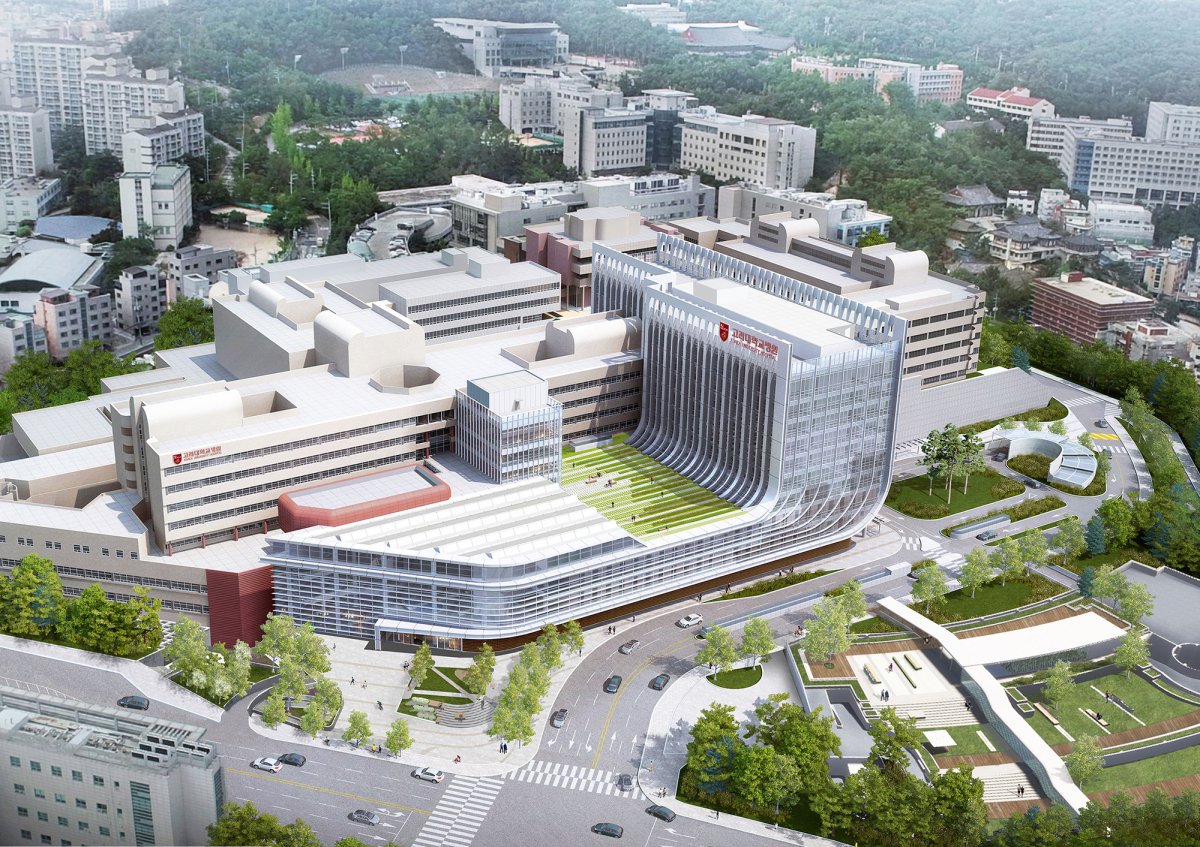
رؤية خبراء Bookimed: بالنسبة لحالات الساركوما المعقدة، تقدم الفرق متعددة التخصصات في المراكز الجامعية الكبيرة أعلى قيمة علاجية. يوفر مركز سامسونج الطبي تقنيات IGRT المتقدمة وأنظمة دافنشي الجراحية لإزالة الأورام بدقة. يجب على المرضى الذين يسعون للحصول على رعاية رقمية لتقليل الأخطاء الطبية التفكير في مستشفى جامعة سيول الوطنية في بوندانغ. بالنسبة للساركوما المرتبطة بالعظام، يتخصص مستشفى جامعة كوريا أنام في التقنيات الروبوتية التي تؤدي إلى ندبات أصغر بعشر مرات. البروفيسور ليم دو هون في سامسونج هو أخصائي موصى به لبروتوكولات العلاج الإشعاعي المشترك والساركوما.
| كوريا الجنوبية | تركيا | إسبانيا | |
|---|---|---|---|
| علاج سرطان الثدي بالبروتون | ≈ $24,000 | ≈ $28,000 | من $34,800 |
| علاج سرطان البروستاتا بالبروتون | ≈ $22,000 | ≈ $30,000 | من $34,000 |
| جراحة ساركوما | من $8,000 | من $11,000 | من $29,000 |
| الموجات الفوق صوتية عالية التكثيف المركزة HIFU | ≈ $12,500 | من $10,000 | من $8,000 |
| العلاج بالبروتون (انظر العلاج بحزم البروتون) | ≈ $22,000 | من $25,000 | من $43,300 |
مزاياك وضماناتك مع Bookimed
أسعار مباشرة
Bookimed لا يضيف رسوماً إضافية على أسعار علاج السرقوم ورم خبيث. الأسعار مأخوذة من قوائم الأسعار الرسمية للعيادات. تدفع مباشرة في العيادة مقابل علاجك عند وصولك إلى البلد.
عيادات وأطباء معتمدون فقط
Bookimed ملتزم بسلامتك. نحن نعمل فقط مع المؤسسات الطبية التي تحافظ على معايير دولية عالية في علاج السرقوم ورم خبيث ولديها التراخيص اللازمة لخدمة المرضى الدوليين في جميع أنحاء العالم.
مساعدة مجانية على مدار الساعة
Bookimed يقدم مساعدة خبراء مجانية. منسق طبي شخصي يدعمك قبل وأثناء وبعد العلاج، ويحل أي مشاكل. لن تكون وحيداً أبداً في رحلة علاج السرقوم ورم خبيث.

منسقك الطبي الشخصي في Bookimed
- يدعمك في كل مرحلة
- المساعدة في اختيار العيادة الطبية المناسبة والطبيب المناسب
- يضمن الوصول السريع والمريح إلى المعلومات
اكتشف أفضل السرقوم ورم خبيث العيادات في كوريا الجنوبية: 10 خيارات معتمدة والأسعار













احصلوا على تقييم طبي لـ السرقوم ورم خبيث في كوريا الجنوبية: استشيروا أطباء ذوي خبرة الآن
عرض جميع الأطباء
Lim Do Hoon
يرأس البروفيسور ليم دو هون قسم علاج الأورام بالإشعاع في مركز سامسونج الطبي، وهو متخصص في الساركوما وأورام الأطفال النادرة.
- متخصص في أورام المعدة، والجهاز البنكرياسي الصفراوي، والجهاز العصبي المركزي
- تدريب مكثف في مستشفى جامعة سيول الوطنية
- يركز على تقنيات العلاج الإشعاعي المبتكرة
- خبير في أورام البالغين والأطفال

Sung Hoon Noh
يتخصص البروفيسور سونغ هون نوه في علاج سرطان المعدة المتقدم، ويشغل منصب مدير مركز يونسي للسرطان. وقد ترأس جمعيات كبرى للسرطان في كوريا وعلى المستوى الدولي.
- خبير في جراحة وأورام المعدة
- الرئيس السابق للجمعية الكورية لسرطان المعدة
- حائز على جائزة السرطان الأكاديمية
- يقود أحد مراكز السرطان الرائدة في كوريا
مشاركة المحتوى
قصص فيديو من مرضى Bookimed
 Anna Leonova
أسئلة متكررة حول علاج السرقوم ورم خبيث في كوريا الجنوبية
ما هي المستشفيات في كوريا الجنوبية المتخصصة في علاج الساركوما؟
تعد جمهورية كوريا موطناً لمراكز الأورام ذات المستوى العالمي مثل مركز سامسونج الطبي ومركز آسان الطبي المتخصصين في رعاية الساركوما المعقدة. تستخدم هذه المؤسسات فرقاً متعددة التخصصات وتقنيات متقدمة. يمكن للمرضى الوصول إلى العلاج بالبروتون، وجراحة دافنشي الروبوتية، والاستئصال بالموجات فوق الصوتية المركزة عالية الكثافة.
- مركز سامسونج الطبي: يركز على السرطانات النادرة باستخدام تقنية نوفاليس والعلاج الإشعاعي الموجه بالصور.
- جامعة سيول الوطنية: تبلغ عن معدلات نجاح عالية باستخدام أنظمة مراقبة رقمية متخصصة لضمان سلامة العلاج.
- جامعة كوريا أنام: معترف بها لمهاراتها ذات المستوى العالمي في جراحة السرطان الروبوتية التي تحافظ على الوظائف.
- مستشفى سيفيرانس: منشأة معتمدة من اللجنة الدولية المشتركة (JCI) تقدم رعاية شاملة بما في ذلك خيارات العلاج المناعي المتقدمة.
رؤية خبير Bookimed: بينما يختار الكثيرون المراكز الشهيرة بناءً على السمعة، فإن نسبة الحالات إلى النتائج تعد مؤشراً حيوياً. يخدم مركز سامسونج الطبي أكثر من 2,000,000 مريض سنوياً ويوظف متخصصين مثل البروفيسور ليم دو هون. هذا الحجم الهائل من الحالات النادرة يترجم غالباً إلى دقة جراحية أعلى وحفاظ أفضل على وظائف الأطراف على المدى الطويل.
إجماع المرضى: يؤكد المرضى على أهمية التحقق من خبرة الجراح المحددة مع أنواع الساركوما الفرعية من خلال قواعد بيانات الأبحاث بدلاً من الاعتماد فقط على تصنيفات المستشفيات العامة.
ما هي التقنيات المتقدمة المستخدمة لعلاج الساركوما في كوريا الجنوبية؟
تستخدم كوريا الجنوبية العلاج المتقدم بالأيونات الثقيلة والموجات فوق الصوتية المركزة عالية الكثافة (HIFU) لعلاج الساركوما. تدمج المراكز الطبية تسلسل الجيل التالي (NGS) والأنظمة الروبوتية مثل دافنشي لتحقيق الدقة. تسمح هذه التقنيات بالتدمير المستهدف للورم مع الحفاظ على هياكل العظام والأنسجة السليمة.
- العلاج بالأيونات الثقيلة: توفر أيونات الكربون المعجلة تدميراً أكثر دقة من العلاج الإشعاعي التقليدي.
- استئصال HIFU: تدمر موجات الموجات فوق الصوتية عالية الكثافة أورام الأنسجة الرخوة دون الحاجة إلى شقوق جراحية.
- الطباعة ثلاثية الأبعاد: يستخدم الجراحون غرسات مخصصة مطبوعة ثلاثية الأبعاد لإعادة بناء العظام بعد إزالة الساركوما.
- الخرائط الجينية: يحدد تسلسل الجيل التالي أنواعاً فرعية جزيئية محددة لتصميم بروتوكولات علاج كيميائي مخصصة.
رؤية خبير Bookimed: تقدم كوريا الجنوبية مزيجاً نادراً من العلاج بالأيونات الثقيلة واستئصال HIFU للساركوما. تمتلك مراكز عالمية قليلة فقط هذا المزيج المحدد. تظهر بياناتنا أن مستشفيات مثل سيفيرانس ومركز سامسونج الطبي تركز على تقنيات الحفاظ على الأعضاء. يساعد هذا النهج المرضى على تجنب بتر الأطراف أثناء إزالة أورام العظام المعقدة.
إجماع المرضى: يلاحظ المرضى أن سرعة التشخيص مثيرة للإعجاب. يؤكد الكثيرون شعورهم بالاطمئنان بفضل النماذج الرقمية التفصيلية التي يستخدمها الجراحون لشرح الإجراء قبل الجراحة.
هل تقدم كوريا الجنوبية خدمات إعادة تأهيل متخصصة بعد علاج الساركوما؟
تقدم كوريا الجنوبية إعادة تأهيل متخصصة لمرضى الساركوما في مراكز متعددة التخصصات. تدمج المستشفيات الرائدة في سيول العلاج الطبيعي المتقدم مباشرة في مسارات علاج الأورام. تركز هذه البرامج على استعادة الحركة بعد جراحات العظام المعقدة وتستخدم أنظمة مساعدة روبوتية متطورة.
- مراكز متخصصة: يمتلك مستشفى سيفيرانس مراكز خاصة للأورام وإعادة التأهيل.
- تحليل المشي: يساعد تحليل المشي المتقدم والأطراف الصناعية المحوسبة المرضى بعد عمليات البتر.
- نهج تكاملي: يجمع مركز G SAM بين العلاج الطبيعي والطب الكوري التقليدي.
- إدارة الألم: تعالج عيادات مخصصة الألم المزمن والوذمة اللمفية بعد العلاج الإشعاعي.
رؤية خبير Bookimed: ميزة مهمة في كوريا هي الكثافة العالية للرعاية في مؤسسات مثل مركز سامسونج الطبي. مع أكثر من 1400 طبيب ومعدات متطورة مثل نظام دافنشي، غالبًا ما يتم ربط إعادة التأهيل بسلاسة بالجراحة. يستخدم مستشفى SNUBH أيضًا نظام BESTcare لمنع الأخطاء طوال مرحلة التعافي.
إجماع المرضى: غالبًا ما يؤكد المرضى على قيمة التعاون الوثيق بين الجراحين وأخصائيي العلاج الطبيعي في الموقع. يتم الإشادة بشكل خاص باحترافية الموظفين في عيادات مثل مركز جامعة إيهوا النسائية الطبي للدعم المقدم في الخطوات الأولى بعد العملية.