علاج سرطان الكلى في كوريا الجنوبية: 10 مستشفيات


تمت مراجعة المقالة طبيا من قبل
فهد مولود
ما هي تكلفة سرطان الكلى إجراءات التشخيص والعلاج في كوريا الجنوبية؟ اعرف الآن
تبدأ تكلفة علاج سرطان الكلى في جمهورية كوريا عادةً بالفحوصات الأساسية مثل مسح PET/CT، والتي تتراوح تكلفتها من $1,100 إلى $1,300. من $15,000. تعتمد التكاليف الإجمالية على النهج الجراحي، ومستوى المستشفى، وحالة التأمين الخاصة بالمريض. يمكن للمرضى توقع توفير ما بين 30-50% مقارنة بالولايات المتحدة. تقع معظم المراكز المتخصصة في سيول وإنشيون.
تكاليف علاج سرطان الكلى النموذجية في جمهورية كوريا
- مسح PET/CT: $1,100 – $1,300
- استشارة طبيب أورام: $50 – $75
- تشخيص معقد لسرطان الكلى: السعر عند الطلب
- استئصال الكلية: من $15,000
- استئصال الكلية بالمنظار: من $13,000
- استئصال الكلية باستخدام روبوت دافنشي: السعر عند الطلب
- جاما نايف (Gamma Knife): من $10,000
- العلاج بالتبريد لسرطان الكلى: السعر عند الطلب
- خزعة: من $370
- الأشعة المقطعية (CT): $300 – $330
رؤية خبراء Bookimed: يجب على المرضى الذين يبحثون عن أعلى درجات الدقة الجراحية التفكير في الخيارات المساعدة بالروبوت. يقدم مستشفى سانت ماري في سيول باقات جراحة روبوتية تبدأ من حوالي 20,000 دولار. تشمل هذه الباقات إقامة لمدة 7 أيام في المستشفى ورعاية من قبل متخصصين مثل الدكتور هونغ سونغ هو. بالنسبة للحالات المعقدة، توفر المراكز المعتمدة من قبل اللجنة الدولية المشتركة (JCI) مثل مستشفى سيفيرانس أو مركز سامسونج الطبي فرقاً متعددة التخصصات. هذه المرافق مثالية للمرضى الذين يحتاجون إلى خبرة متكاملة في طب الأورام والمسالك البولية.
| كوريا الجنوبية | تركيا | إسبانيا | |
|---|---|---|---|
| نانو نايف NanoKnife | ≈ $17,500 | ≈ $9,500 | ≈ $9,500 |
| منظومة دا فينشي الجراحية | ≈ $14,000 | من $23,900 | من $16,900 |
| سايبر نايف CyberKnife | ≈ $14,000 | من $4,900 | من $14,800 |
| العلاج بالبروتون (انظر العلاج بحزم البروتون) | ≈ $22,000 | من $25,000 | من $43,400 |
| العلاج الإشعاعي لسرطان القولون والمستقيم | ≈ $9,000 | من $5,000 | من $7,500 |
مزاياك وضماناتك مع Bookimed
أسعار مباشرة
Bookimed لا يضيف رسوماً إضافية على أسعار علاج سرطان الكلى. الأسعار مأخوذة من قوائم الأسعار الرسمية للعيادات. تدفع مباشرة في العيادة مقابل علاجك عند وصولك إلى البلد.
عيادات وأطباء معتمدون فقط
Bookimed ملتزم بسلامتك. نحن نعمل فقط مع المؤسسات الطبية التي تحافظ على معايير دولية عالية في علاج سرطان الكلى ولديها التراخيص اللازمة لخدمة المرضى الدوليين في جميع أنحاء العالم.
مساعدة مجانية على مدار الساعة
Bookimed يقدم مساعدة خبراء مجانية. منسق طبي شخصي يدعمك قبل وأثناء وبعد العلاج، ويحل أي مشاكل. لن تكون وحيداً أبداً في رحلة علاج سرطان الكلى.

منسقك الطبي الشخصي في Bookimed
- يدعمك في كل مرحلة
- المساعدة في اختيار العيادة الطبية المناسبة والطبيب المناسب
- يضمن الوصول السريع والمريح إلى المعلومات
اكتشف أفضل سرطان الكلى العيادات في كوريا الجنوبية: 10 خيارات معتمدة والأسعار











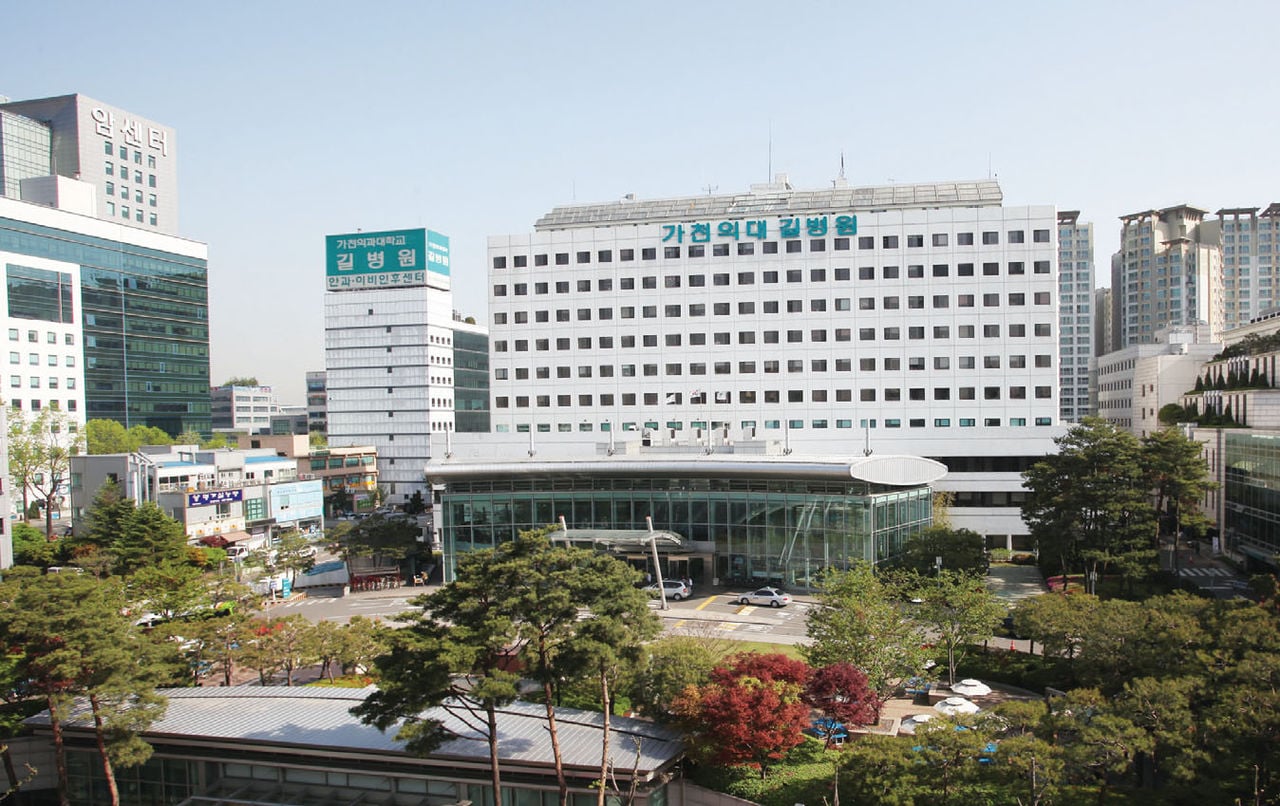


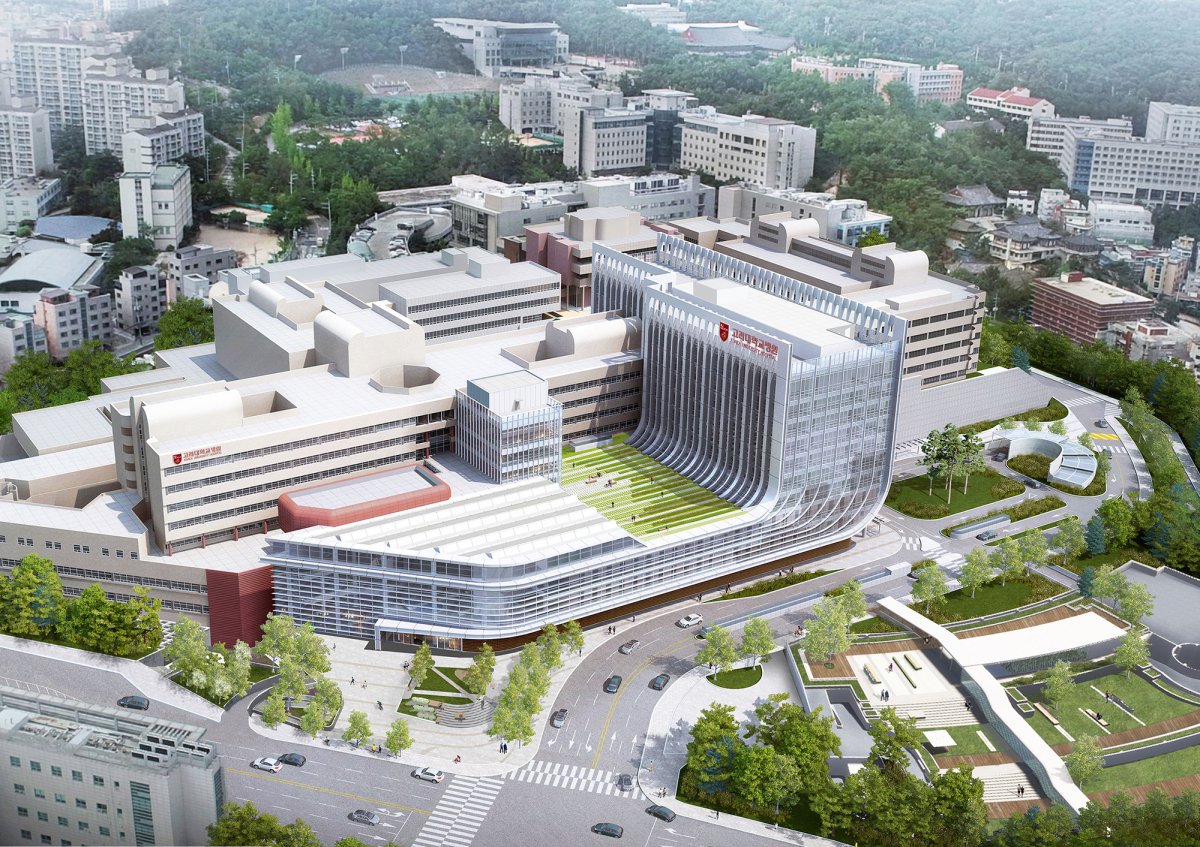
احصلوا على تقييم طبي لـ سرطان الكلى في كوريا الجنوبية: استشيروا أطباء ذوي خبرة الآن
عرض جميع الأطباء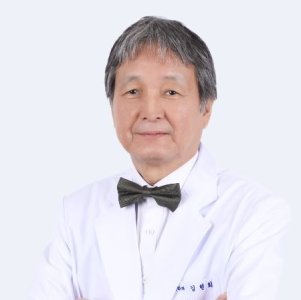
Kim Hyeon Hoe
الأستاذ الدكتور كيم هيون-هوي هو جراح متخصص في أورام المسالك البولية. يتخصص في جراحات سرطان البروستاتا والكلى والجراحة الروبوتية. يشغل منصب مدير مركز الجراحة الروبوتية ومركز سرطان البروستاتا والكلى في مستشفى ميونغجي. أجرى أول عملية جراحية بالمنظار أحادي الشق في كوريا. وفي مستشفى جامعة سيول الوطنية (SNUH)، قاد أكثر من 2300 حالة جراحية باستخدام نظام "دا فينشي" (da Vinci) على مدى خمس سنوات. وهو يستخدم حالياً نظام "دا فينشي إكس آي" (da Vinci Xi).
حصل على درجات البكالوريوس والماجستير والدكتو

Choi Han Yong
رئيس قسم المسالك البولية في مركز سامسونج الطبي – الدكتور تشوي متخصص في جراحة سرطان الكلى مع التركيز على الدقة ونتائج المرضى.
- يرأس أحد أفضل أقسام المسالك البولية في كوريا
- متخصص في العلاجات الجراحية لسرطان الكلى
- يعمل في مركز طبي رائد معتمد من اللجنة الدولية المشتركة (JCI)

Koon Ho Rha
أخصائي في جراحات المناظير والجراحات الروبوتية لسرطان الكلى في مستشفى سيفيرانس.
- طبيب مسالك بولية وجراح أورام يتمتع بتقنيات جراحية متقدمة
- يركز على الإجراءات طفيفة التوغل
- خبير في علاجات سرطان الكلى

Won Sik Ham
الدكتور وون سيك هام هو طبيب مسالك بولية وجراح أورام في مستشفى سيفيرانس، متخصص في جراحات السرطان.
- يركز على جراحة الأورام للمسالك البولية
- يجري عمليات معقدة لاستئصال الأورام
- يعمل ضمن مركز طبي أكاديمي من الدرجة الأولى
- خبير في إدارة الجوانب الجراحية لسرطان الكلى
مواد ذات صلة
عرض المزيد من التفاصيل
تصنيف سرطان الكلى
كتب بواسطة Veronika Kazina

تشخيص سرطان الكلى: الموجات فوق الصوتية ، التصوير المقطعي ، الخزعة
كتب بواسطة Veronika Kazina

طرق علاج سرطان الكلى
كتب بواسطة Veronika Kazina

سرطان الكلى: الأسباب والأعراض والتشخيص والعلاج
كتب بواسطة Veronika Kazina

سرطان الكلى النقيلي
كتب بواسطة Veronika Kazina
مشاركة المحتوى
قصص فيديو من مرضى Bookimed
 Anna Leonova
أسئلة متكررة حول علاج سرطان الكلى في كوريا الجنوبية
ما هي طرق العلاج الرئيسية المتاحة في كوريا الجنوبية لسرطان الكلى؟
تعطي كوريا الجنوبية الأولوية للجراحة طفيفة التوغل لعلاج سرطان الكلى، حيث تتضمن أكثر من 80% من الحالات تدخلاً جراحياً. تجمع المستشفيات الرائدة في سيول بين أنظمة دافنشي الروبوتية، والعلاج المناعي، والأدوية الموجهة لعلاج المراحل المتقدمة. تتخصص هذه المراكز المعتمدة من قبل JCI في استئصال الكلية والاستئصال الحراري للحفاظ على وظائف الكلى.
- الطرق الجراحية: استئصال الكلية بالمنظار والجراحة الروبوتية هي المعيار لإزالة الأورام.
- علاج الاستئصال: يُستخدم العلاج بالتبريد والاستئصال بالترددات الراديوية للمرضى غير المؤهلين للجراحة.
- العلاجات الجهازية: تستخدم المراكز العلاجات الموجهة والعلاجات المناعية مثل نيفولوماب وبيمبروليزوماب.
- التقنيات المتقدمة: تستخدم المرافق العلاج بالبروتونات، وسايبر نايف (CyberKnife)، ونانو نايف (NanoKnife) للدقة.
رؤية خبير Bookimed: تقود كوريا الجنوبية مجال دمج الصحة الرقمية. تستخدم مستشفيات مثل مستشفى جامعة سيول الوطنية في بوندانغ ومركز سامسونج الطبي أنظمة رقمية للقضاء على الأخطاء الطبية. هذا أمر بالغ الأهمية لسرطان الكلى، حيث يحدد تحديد المرحلة بدقة عبر PET/CT ما إذا كان المريض يمكنه الخضوع لاستئصال جزئي للكلية بدلاً من الاستئصال الكامل. يدعم هذا النهج عالي التقنية معدل نجاح بنسبة 90% في الإجراءات المعقدة في المرافق ذات التصنيف العالي.
إجماع المرضى: يوصي المرضى غالباً باستئصال الكلية الجزئي الروبوتي لفترة تعافي تتراوح من أسبوعين إلى 4 أسابيع. ويؤكدون على أهمية الحصول على رأي ثانٍ لمعرفة ما إذا كانت الجر
هل تُستخدم الجراحة الروبوتية بشكل شائع لعلاج سرطان الكلى في كوريا الجنوبية؟
تُعد الجراحة الروبوتية علاجاً رائداً لسرطان الكلى في كوريا الجنوبية. وتستخدم المراكز المتخصصة بشكل متكرر نظام "دا فينشي" (da Vinci) لاستئصال الكلية الجزئي للحفاظ على وظائف الكلى. وقد تجاوزت الآن الطرق التقليدية من حيث الحجم في المؤسسات الكبرى في سيول مثل مركز سامسونج الطبي ومركز أسان الطبي.
- حجم الإجراءات: ارتفعت حالات استئصال الكلية الجزئي الروبوتية من 15% إلى 51% مؤخراً.
- الدقة السريرية: تسمح الأدوات ذات المفاصل بإزالة الأورام بدقة مع الحفاظ على أنسجة الكلى السليمة.
- سرعة التعافي: يعاني المرضى عادةً من فقدان أقل للدم وإقامات أقصر في المستشفى لمدة يومين.
- التكنولوجيا المتقدمة: تستخدم المرافق أنظمة "دا فينشي" وروبوتات "Revo-i" المحلية للحالات المعقدة.
رؤية خبير Bookimed: يوفر مستشفى جامعة كوريا أنام (Korea University Anam Hospital) ميزة واضحة للمرضى الذين يحتاجون إلى عمليات ترميم معقدة. فقد طوروا أول جراحة روبوتية للغدة الدرقية عن طريق الفم في العالم ويطبقون خبرة مماثلة على بروتوكولات الحفاظ على المثانة الروبوتية. تشير هذه الخبرة المتخصصة إلى أن جراحيهم يتعاملون مع عمليات الترميم عالية الدقة بشكل أفضل من المراكز التي تركز فقط على إزالة الأورام.
إجماع المرضى: يشير المرضى إلى أن الدقة الروبوتية هي عامل جذب رئيسي في مراكز مثل أسان، على الرغم من أنها قد لا تكون المعيار لكل حالة. ويؤكدون على أهمية التحقق من حجم العمليات الروبوتية الخاصة بالجراح لضمان إجراء العملية بسلاسة دون الحاجة للتحول إلى الجراحة المفتوحة.
هل أحدث أدوية العلاج المناعي متوفرة ومشمولة بالتغطية التأمينية في كوريا الجنوبية؟
توفر كوريا الجنوبية وصولاً واسعاً لأحدث أدوية العلاج المناعي. يغطي التأمين الصحي الوطني العلاجات الرئيسية مثل بيمبروليزوماب ودورفالوماب. أدت التوسعات الأخيرة في عام 2026 إلى زيادة كبيرة في عدد الحالات المشمولة بالتغطية. عادةً ما يدفع المرضى الذين يعانون من حالات معتمدة 5% فقط من تكاليف الدواء.
- الأدوية المتاحة: يتوفر بيمبروليزوماب ونيفولوماب ودورفالوماب في مراكز الأورام الرئيسية.
- معدلات الاسترداد: يخفض التأمين الصحي الوطني تكاليف بعض الأدوية من 86,000 دولار إلى 4,300 دولار سنوياً.
- التغطية الوطنية: يغطي التأمين ما يصل إلى 18 حالة سرطان محددة اعتباراً من أوائل عام 2026.
- الموافقة التنظيمية: تمنح وزارة سلامة الغذاء والدواء موافقة سريعة للعلاجات المبتكرة.
رؤية خبير Bookimed: على الرغم من أن كوريا الجنوبية تحتل المرتبة الثامنة عالمياً في الطلبات الطبية على منصتنا، إلا أن المرضى غالباً ما يتجاهلون فجوة الاسترداد. تجري المؤسسات الكبيرة مثل مستشفى سيفيرانس ومركز أسان الطبي بشكل متكرر تجارب سريرية لأدوية لم يتم تغطيتها بالكامل بعد من قبل التأمين. وهذا يوفر وصولاً مبكراً إلى تركيبات جديدة قبل وصولها إلى قائمة الاسترداد الوطنية.
إجماع المرضى: يوصي المرضى باستخدام تطبيق HIRA للهاتف المحمول للتحقق من حالة تغطية الدواء قبل السفر. يقترح الكثيرون البحث في برامج الوصول الرحيم إذا كانت تركيبة أحدث معينة لا تزال في قائمة الانتظار لتغطية التأمين.
ما هي المستشفيات التي تعتبر الأفضل للمرضى الدوليين المصابين بسرطان الكلى؟
تشمل أفضل المستشفيات لمرضى سرطان الكلى الدوليين مركز سامسونج الطبي ومركز أسان الطبي. تحمل هذه المرافق تصنيفات Newsweek واعتمادات JCI أو KOIHA. وهي توفر جراحة استئصال الكلية الجزئي المتقدمة بمساعدة الروبوت وعلاج البروتون. يستفيد المرضى من فترات انتظار قصيرة تتراوح من أسبوع إلى أسبوعين.
- التكنولوجيا الجراحية: تتيح أنظمة Da Vinci الروبوتية إزالة الأورام بدقة والحفاظ على الكلى.
- المؤهلات السريرية: تخدم مرافق مثل مركز سامسونج الطبي أكثر من 2,000,000 مريض سنوياً.
- معايير الاعتماد: تحافظ معظم المراكز من الدرجة الأولى على شهادة اللجنة الدولية المشتركة (JCI) أو KOIHA.
- الخبرة المتخصصة: يتخصص جراحون مثل الدكتور تشوي هان يونغ في جراحة الأورام المسالك البولية طفيفة التوغل.
رؤية خبير Bookimed: يبرز مركز سامسونج الطبي ومستشفى جامعة سيول الوطنية لأنهما يعالجان رئيس جمهورية كوريا. وهذا يشير إلى أعلى مستوى ممكن من الثقة في نتائجهم السريرية. على الرغم من أن كلاهما مرموق، تظهر بياناتنا أن مستشفى جامعة كوريا أنام أجرى أول جراحة روبوتية للمثانة في مرحلة ما قبل الجراحة في آسيا. وهذا يشير إلى مستوى عالٍ جداً من الكفاءة الروبوتية التي تمتد إلى حالات الكلى المعقدة.
إجماع المرضى: يشير المرضى إلى أن المستشفيات الكورية الجنوبية توفر وصولاً أسرع بكثير إلى الجراحة مقارنة بالمراكز الغربية. ويؤكدون على أهمية استخدام العيادات الدولية المخصصة لإدارة التأشيرات والتواصل باللغة الإنجليزية بفعالية.
كيف تقارن معدلات النجاح في إجراءات سرطان الكلى في كوريا الجنوبية بالدول الأخرى؟
تسجل كوريا الجنوبية معدل بقاء نسبي لمدة 5 سنوات بنسبة 83.1% لسرطان الكلى. وهذا يتجاوز متوسط معدل البقاء على قيد الحياة البالغ 68.6% في آسيا. بالنسبة للحالات الموضعية، يصل معدل البقاء على قيد الحياة إلى 98.1%. هذه النتائج تضاهي أو تتجاوز المعايير في الولايات المتحدة وأوروبا.
- البقاء على قيد الحياة في الحالات الموضعية: تحقق كوريا الجنوبية معدل بقاء لمدة 5 سنوات بنسبة 98.1% للأورام غير المنتشرة.
- الدقة الجراحية: تبلغ معدلات الأنسجة الحميدة 6.3% مقارنة بـ 14.3% في الدراسات الأمريكية.
- حجم الخبرة: يجري مركز أسون الطبي (Asan Medical Center) أكثر من 65,000 عملية جراحية سنوياً للحالات المعقدة.
- التكامل الرقمي: تستخدم مستشفيات مثل مستشفى جامعة سيول الوطنية بوندانغ (SNUBH) أنظمة رقمية لتحسين سلامة وفعالية العلاج.
رؤية خبير Bookimed: توفر كوريا الجنوبية ميزة كبيرة في سرعة إجراء الجراحات مقارنة بأنظمة أمريكا الشمالية وأوروبا. بينما ينتظر العديد من المرضى الغربيين من 3 إلى 6 أشهر لإجراء الجراحة، غالباً ما تقوم المراكز الكورية مثل مركز سامسونج الطبي أو مستشفى سيفيرانس بجدولة الإجراءات في غضون أسابيع. هذا التدخل السريع أمر بالغ الأهمية لسرطان الكلى، حيث ترتبط الجراحة المبكرة ارتباطاً مباشراً بمعدل النجاح البالغ 98.1% الموجود في الحالات الموضعية.
إجماع المرضى: يشير المرضى إلى أنه على الرغم من أن معدلات النجاح تعكس المعايير العالية في الولايات المتحدة، إلا أن سرعة الوصول في سيول تعد عاملاً حاسماً. ويؤكدون على أهمية ترتيب وجود مترجم ف
ما هي المدة المتوقعة لإقامتي في كوريا الجنوبية لعلاج سرطان الكلى؟
يجب على المرضى التخطيط لإقامة تتراوح بين 7 إلى 14 يوماً في كوريا الجنوبية لعلاج سرطان الكلى. تأخذ هذه الفترة في الاعتبار الفحوصات قبل الجراحة والتعافي بعد الجراحة. تستغرق معظم حالات الإقامة في المستشفى ما بين 2 إلى 7 أيام. يعتمد وقت التعافي الإجمالي على الطريقة الجراحية المستخدمة.
- الإقامة في المستشفى: عادة ما يبقى مرضى الجراحة الروبوتية من 2 إلى 4 أيام للتعافي.
- الخيارات طفيفة التوغل: تسمح استئصال الكلية بالمنظار والجراحة الروبوتية بخروج أسرع من الجراحة المفتوحة.
- أوقات الانتظار: تستغرق الفترة من الاستشارة الأولى حتى الجراحة حوالي 41 يوماً في كوريا.
- التأشيرة الطبية: قد يتطلب العلاج طويل الأمد تأشيرة G-1-10 صالحة لمدة عام واحد.
رؤية خبير Bookimed: تدير مراكز الأورام في كوريا الجنوبية مثل مركز سامسونج الطبي ومركز أسان الطبي أعداداً كبيرة جداً من المرضى. يقوم مركز أسان الطبي وحده بإجراء أكثر من 65,000 عملية سنوياً. غالباً ما تؤدي هذه الوتيرة العالية إلى بروتوكولات خروج موحدة وفعالة حيث يغادر المرضى المستشفى بشكل أسرع مما هو عليه في الولايات المتحدة.
إجماع المرضى: يوصي المرضى بحجز رحلات طيران مرنة وسكن محلي لمدة 3 أسابيع على الأقل. ويؤكدون على ضرورة التأكد مما إذا كان يمكن إرسال تقارير علم الأمراض عبر البريد الإلكتروني لتجنب الانتظار في سيول للحصول على النتائج.
كيف أجد جراحاً مؤهلاً لعلاج سرطان الكلى في كوريا الجنوبية؟
للعثور على جراح مؤهل لعلاج سرطان الكلى في كوريا الجنوبية، ابحث عن أطباء مسالك بولية معتمدين في مرافق حاصلة على اعتماد JCI مثل مستشفى سيفيرانس (Severance Hospital) أو مركز سامسونج الطبي (Samsung Medical Center). ركز على الأطباء المتخصصين في استئصال الكلية الروبوتي بنظام دافنشي (Da Vinci) والإجراءات بالمنظار. تتعامل هذه المراكز مع حجم كبير من الحالات الأورام المعقدة سنوياً.
- اعتمادات المستشفيات: ابحث عن المؤسسات المعتمدة من قبل اللجنة الدولية المشتركة (JCI) أو KOIHA في سيول.
- تخصص الجراح: تحقق من الخبرة في الجراحة الروبوتية والعضوية في الجمعية الكورية للمسالك البولية.
- تكنولوجيا الدقة: أعط الأولوية للمراكز التي تستخدم نظام دافنشي الجراحي لإزالة أورام الكلى.
- مقاييس الحجم: ابحث عن عيادات مثل مركز آسان الطبي (Asan Medical Center) الذي يجري أكثر من 65,000 عملية سنوياً.
رؤية خبير Bookimed: تُظهر مراكز الأورام الرائدة في كوريا الجنوبية مستويات عالية من التخصص من خلال نسب المرضى إلى الأقسام. على سبيل المثال، يضم مستشفى جامعة كوريا أنام (Korea University Anam Hospital) أكثر من 40 قسماً متميزاً ويخدم 1.3 مليون مريض سنوياً. يسمح هذا النطاق لجراحين مثل الدكتور كانغ سيوك-هو بالتركيز بشكل شبه حصري على إجراءات المسالك البولية الروبوتية. وعادة ما يؤدي هذا التخصص الضيق إلى دقة جراحية أعلى ونتائج أفضل لعلاجات الحفاظ على الكلى.
إجماع المرضى: يؤكد المرضى على أهمية اختيار مراكز ذات حجم كبير مثل سامسونج أو آسان لدعمهم الراسخ باللغة الإنجل