علاج ورم أرومي في كوريا الجنوبية: 6 مستشفيات


تمت مراجعة المقالة طبيا من قبل
فهد مولود
ما هي تكلفة ورم أرومي إجراءات التشخيص والعلاج في كوريا الجنوبية؟ اعرف الآن
تتحدد تكلفة علاج الورم الأرومي الدبقي في جمهورية كوريا بشكل أساسي بناءً على مرحلة الورم والنهج الجراحي المختار. من $500. وغالباً ما يوفر المرضى ما بين 30-50% مقارنة بالولايات المتحدة. وتتركز رعاية جراحة الأعصاب عالية المستوى في سيول.
تكاليف علاج الورم الأرومي الدبقي النموذجية في جمهورية كوريا
- استشارة طبيب أورام: $50 – $75
- استشارة جراح أعصاب: من $53
- تصوير الدماغ بالرنين المغناطيسي مع التباين: من $500
- جاما نايف (Gamma Knife): من $10,000
- العلاج الكيميائي: من $3,000
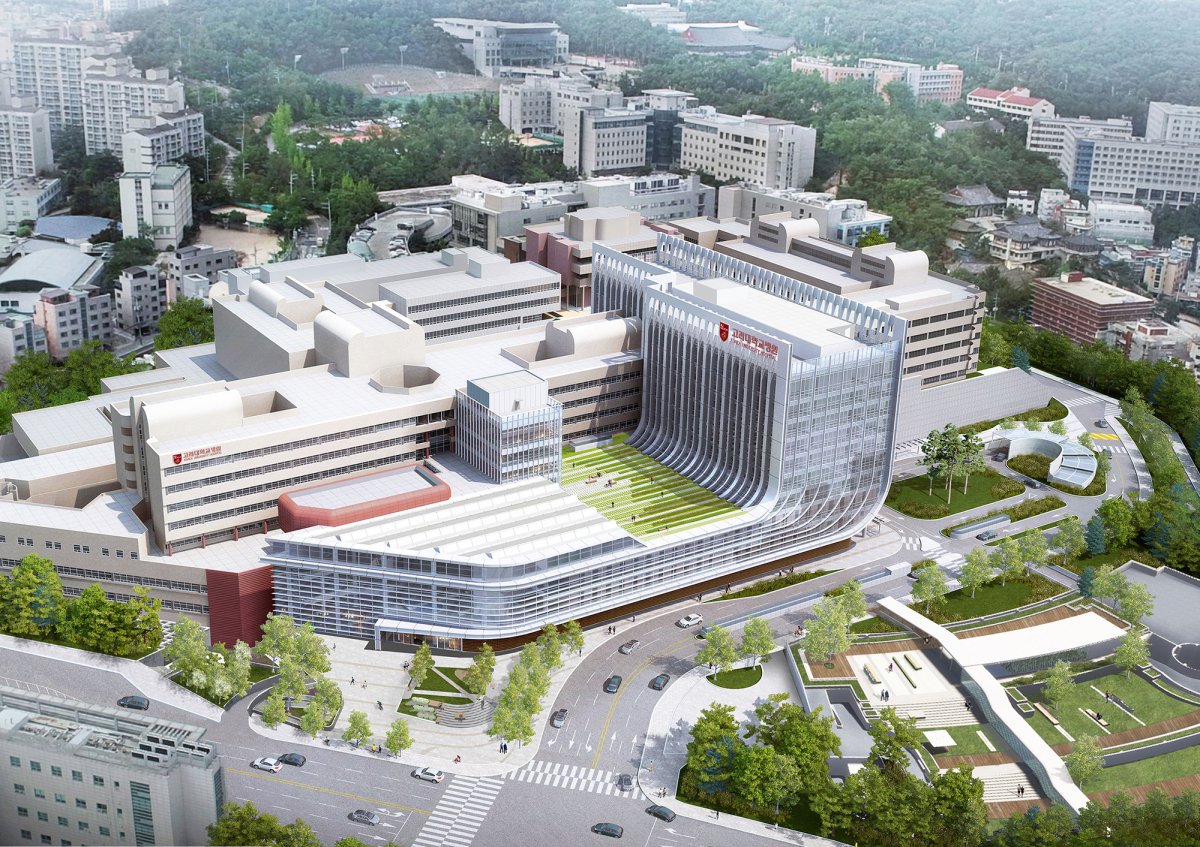
رؤية خبراء Bookimed: بالنسبة لحالات الورم الأرومي الدبقي المعقدة، توفر الرعاية متعددة التخصصات في المراكز المعتمدة من اللجنة الدولية المشتركة (JCI) في سيول أفضل قيمة. يقدم مستشفى سيفيرانس (Severance Hospital) رعاية متكاملة بوجود 2000 طبيب في منشأة معتمدة من JCI. يجب على المرضى الذين يبحثون عن أمان رقمي متقدم التفكير في مستشفى جامعة سيول الوطنية بوندانغ (SNUBH)، حيث يستخدم نظام BESTcare للسلامة الطبية. كما يعد مستشفى جامعة كوريا أنام (Korea University Anam Hospital) مثالياً لأولئك الذين يحتاجون إلى جراحة أورام روبوتية متخصصة.
| كوريا الجنوبية | تركيا | إسبانيا | |
|---|---|---|---|
| العلاج بالأنتيوم-225 | ≈ $18,000 | من $20,500 | ≈ $28,000 |
| العلاج الكيميائي لسرطان الثدي | من $3,000 | من $1,900 | من $1,700 |
| استئصال ورم أرومي دبقي | ≈ $28,000 | من $18,500 | من $50,500 |
| Halcyon (هالسيون) | ≈ $9,000 | ≈ $9,500 | ≈ $6,500 |
| Gamma Knife جاما نايف | من $10,000 | من $5,500 | من $13,500 |
مزاياك وضماناتك مع Bookimed
أسعار مباشرة
Bookimed لا يضيف رسوماً إضافية على أسعار علاج ورم أرومي. الأسعار مأخوذة من قوائم الأسعار الرسمية للعيادات. تدفع مباشرة في العيادة مقابل علاجك عند وصولك إلى البلد.
عيادات وأطباء معتمدون فقط
Bookimed ملتزم بسلامتك. نحن نعمل فقط مع المؤسسات الطبية التي تحافظ على معايير دولية عالية في علاج ورم أرومي ولديها التراخيص اللازمة لخدمة المرضى الدوليين في جميع أنحاء العالم.
مساعدة مجانية على مدار الساعة
Bookimed يقدم مساعدة خبراء مجانية. منسق طبي شخصي يدعمك قبل وأثناء وبعد العلاج، ويحل أي مشاكل. لن تكون وحيداً أبداً في رحلة علاج ورم أرومي.

منسقك الطبي الشخصي في Bookimed
- يدعمك في كل مرحلة
- المساعدة في اختيار العيادة الطبية المناسبة والطبيب المناسب
- يضمن الوصول السريع والمريح إلى المعلومات
اكتشف أفضل ورم أرومي العيادات في كوريا الجنوبية: 6 خيارات معتمدة والأسعار












احصلوا على تقييم طبي لـ ورم أرومي في كوريا الجنوبية: استشيروا أطباء ذوي خبرة الآن
عرض جميع الأطباء
An Song-yeol

Do Hyun Nam
يشتهر الدكتور دو هيون نام بجراحات الدماغ بالمنظار وإزالة الأورام في مركز سامسونج الطبي - أحد أفضل المستشفيات في كوريا الجنوبية.
- متخصص في جراحة الأعصاب للأطفال والبالغين
- خبير في علاج أورام الدماغ الحميدة والخبيثة
- يجري إجراءات الجراحة الإشعاعية المتقدمة
مشاركة المحتوى
قصص فيديو من مرضى Bookimed
 Anna Leonova
أسئلة متكررة حول علاج ورم أرومي في كوريا الجنوبية
هل جراحة الورم الأرومي الدبقي في كوريا آمنة للمرضى الدوليين؟
تعد جراحة الورم الأرومي الدبقي في كوريا آمنة للغاية للمرضى الدوليين. تحافظ المرافق على معدل فعالية يصل إلى 95% لإجراءات إزالة أورام المخ. تحمل معظم المراكز الطبية الرائدة اعتماد JCI أو KOIHA. تستخدم هذه المستشفيات الاستئصال الموجه بالفلورة لزيادة إزالة الورم مع حماية الأنسجة السليمة.
- حجم الخبرة: يجري مركز أسان الطبي أكثر من 65,000 عملية جراحية كل عام.
- السلامة الرقمية: يستخدم مستشفى جامعة سيول الوطنية (SNUBH) نظام BESTcare لمنع الأخطاء الطبية.
- معدلات البقاء على قيد الحياة: تبلغ كوريا عن معدل بقاء لمدة 5 سنوات بنسبة 44.1% لأورام المخ الخبيثة.
- جراحة طفيفة التوغل: تقدم العيادات جراحة المناظير وجاما نايف للحالات المعقدة.
رؤية خبراء Bookimed: توفر كوريا ميزة أمان فريدة من خلال أحجام المرضى الهائلة. يخدم مركز أسان الطبي أكثر من 11,000 مريض خارجي يومياً. يسمح هذا التردد العالي للجراحين بتحسين التقنيات بشكل أسرع بكثير مما هو عليه في المراكز الأوروبية ذات الحجم الأقل. عند اختيار عيادة، أعط الأولوية لتلك التي تستخدم أنظمة بيانات رقمية بنسبة 100% مثل SNUH. تقلل السجلات الصحية الإلكترونية بشكل كبير من أخطاء الأدوية للمرضى الدوليين الذين قد تكون سجلاتهم معقدة.
إجماع المرضى: يؤكد المرضى أنه على الرغم من أن التكنولوجيا والمعدات الجراحية الكورية عالمية المستوى، إلا أن ترتيب استشارات الفيديو قبل السفر أمر حيوي. كما يقترحون تخصيص ميزانية إضافية لدعم الترجمة لضمان تواصل واضح أثناء التعافي.
هل سأخضع لعملية رسم خرائط الدماغ أثناء اليقظة أم استئصال موجه بالفلورة؟
قد تتلقى كلاً من رسم خرائط الدماغ أثناء اليقظة والاستئصال الموجه بالفلورة أثناء جراحة الورم الأرومي الدبقي في كوريا الجنوبية. الورم الأرومي الدبقي هو ورم عالي الدرجة يتطلب غالبًا إزالة قوية. يستخدم الجراحون الفلورة للتصور ورسم الخرائط لحماية وظائف مثل الكلام. هذه التقنيات هي المعيار في المراكز المعتمدة من قبل اللجنة الدولية المشتركة (JCI) في سيول.
- رسم خرائط الدماغ أثناء اليقظة: يستخدم الجراحون تيارات كهربائية أثناء قيامك بمهام لحماية الوظائف الحركية.
- الاستئصال الموجه بالفلورة: تشرب محلول 5-ALA لجعل الخلايا السرطانية تتوهج تحت الضوء الأزرق.
- هدف العلاج: تساعد هذه الأدوات في زيادة إزالة الورم مع الحفاظ على جودة حياتك اليومية.
- نهج متكامل: غالبًا ما تجمع المستشفيات الكورية ذات الحجم الكبير بين كلتا الطريقتين لحالات الورم الأرومي الدبقي المعقدة.
رؤية خبير Bookimed: يتعامل مستشفى جامعة سيول الوطنية مع أكثر من 10,000 مريض يوميًا وهو خيار رائد لعلاج الورم الأرومي الدبقي. تشير أحجام المرضى الكبيرة إلى خبرة عميقة في جراحة الأعصاب المعقدة. كما تحافظ عيادات مثل مركز آسان الطبي على اعتماد اللجنة الدولية المشتركة (JCI). وهذا يضمن اتباعهم لأكثر بروتوكولات السلامة العالمية صرامة لإجراءات رسم خرائط الدماغ.
إجماع المرضى: يشير المرضى إلى أن الجراحة أثناء اليقظة تبدو مخيفة ولكنها تستحق العناء للحصول على معدل استئصال أعلى. يوصون بطلب التصوير بالرنين المغناطيسي الوظيفي (fMRI) مسبقًا لمعرفة ما إذا كان رسم الخرائط ضروريًا حقًا.
ماذا يحدث إذا بقي ورم بعد الجراحة؟
تتم إدارة الخلايا الورمية المتبقية بعد جراحة الورم الأرومي الدبقي في كوريا الجنوبية من خلال علاجات مساعدة مكثفة. غالبًا ما يترك الجراحون خلايا مجهرية لحماية أنسجة المخ السليمة. تشمل البروتوكولات القياسية فحوصات التصوير بالرنين المغناطيسي المتخصصة في غضون 48 ساعة. تحدد هذه الفحوصات حجم الورم المتبقي لتوجيه العلاج الكيميائي أو الإشعاعي الفوري.
- العلاج المساعد: يستهدف التيموزولوميد والإشعاع الخلايا المتبقية لمنع النمو السريع.
- المراقبة بعد الجراحة: تميز فحوصات الرنين المغناطيسي المبكرة في غضون 48 ساعة بين الورم المتبقي وندبة الجراحة.
- تقنيات متخصصة: تستخدم المراكز الكورية جراحة القحف أثناء اليقظة والجراحة الموجهة بالفلورة لزيادة إزالة الورم.
- خيارات متقدمة: تستخدم المراكز العلاج بالبروتون أو سكين جاما للأورام في مناطق الدماغ الحساسة.
رؤية خبير Bookimed: تظهر بيانات المرضى أن المستشفيات الكورية مثل مستشفى جامعة سيول الوطنية تحقق إحصائيات عالية لعلاج السرطان من خلال رقمنة سير العمل الجراحي. يعد تتبع الحجم المتبقي في غضون 48 ساعة أمرًا حيويًا. تسمح هذه الدقة للأطباء بتعديل الجرعات للمرضى الذين يعانون من أورام ميثيلية. غالبًا ما تؤدي هذه التفاصيل إلى إطالة فترة البقاء على قيد الحياة لما يتجاوز علامة الـ 15 شهرًا المعتادة.
إجماع المرضى: يؤكد المرضى على طلب اختبار MGMT على الفور. ويشيرون إلى أنه حتى مع وجود 10% من الورم المتبقي، تساعد العلاجات المركبة ومراكز البروتون في الحفاظ على نوعية حياة جيدة.
ما هي مدة الإقامة في المستشفى والجدول الزمني للتعافي المعتاد؟
يتطلب علاج الورم الأرومي الدبقي في كوريا الجنوبية عادةً إقامة في المستشفى لمدة تتراوح بين 7 إلى 14 يومًا بعد الاستئصال الجراحي. يستغرق التعافي الأولي من 2 إلى 4 أسابيع قبل البدء في العلاج الإشعاعي أو الكيميائي المساعد. تدير المراكز المتخصصة الحالات المعقدة من خلال مراقبة مكثفة لضمان الاستقرار العصبي.
- الإقامة في المستشفى: توقع من 7 إلى 10 أيام للتعافي بعد جراحة استئصال الورم.
- التئام الجروح: تلتئم الشقوق الجراحية عادةً في غضون 10 إلى 14 يومًا بعد الإجراء.
- العلاج المساعد: غالبًا ما يبدأ العلاج الإشعاعي أو الكيميائي بعد 3 إلى 4 أسابيع من الخروج من المستشفى.
- المتابعة: يتم جدولة فحوصات التصوير بالرنين المغناطيسي للدماغ بانتظام كل 2 إلى 3 أشهر للمراقبة.
رؤية خبير Bookimed: تُظهر البيانات السريرية أن مستشفى جامعة سيول الوطنية في بوندانغ يستخدم نظام BESTcare الرقمي لمنع الأخطاء. تعمل هذه الأتمتة على تقصير فترة التعافي من خلال تبسيط جداول الأدوية والفحوصات لمرضى الأورام. اختيار مستشفى رقمي بالكامل يقلل بشكل كبير من مخاطر التأخير بعد الجراحة.
إجماع المرضى: يشير المرضى إلى أن عملية التعافي تبدو أسرع بسبب التنسيق عالي الكفاءة لطاقم التمريض. يؤكد الكثيرون أن الحصول على تعليمات واضحة بعد الجراحة ساعدهم على الانتقال إلى الرعاية المنزلية بمستويات توتر أقل.
ما هي الفحوصات والسجلات التي يجب أن أحضرها قبل الجراحة؟
يتطلب التحضير لجراحة الورم الأرومي الدبقي في كوريا الجنوبية فحوصات تصوير بالرنين المغناطيسي (MRI) للدماغ عالية الدقة مع تباين. يجب عليك تقديم ملفات DICOM الأصلية من الأشهر 1-3 الماضية. قم بتضمين تقارير علم الأمراض الكاملة مع المؤشرات الجزيئية مثل IDH و MGMT. أحضرها على محركي أقراص USB احتياطيين. غالبًا ما تعيد المستشفيات إجراء الاختبارات التي مر عليها أكثر من 14 يومًا.
- مواصفات التصوير: أحضر تسلسلات MRI T1 و T2 و FLAIR على قرص مضغوط أو USB.
- سجلات علم الأمراض: قم بتضمين الشرائح الخام أو الملفات الرقمية لمؤشرات IDH و MGMT.
- تاريخ العلاج: قدم ملخصات للعلاج الكيميائي السابق، والإشعاع، وجرعات الستيرويد الحالية.
- التصريح الطبي: قدم نتائج تحاليل الدم وتخطيط القلب الحديثة التي تم إجراؤها في الأسبوعين الماضيين.
رؤية خبير Bookimed: بينما تستخدم المراكز الكبرى مثل مركز أسان الطبي ومستشفى سيفيرانس أنظمة رقمية متقدمة، فإنها تعطي الأولوية بصرامة لبيانات DICOM عالية الدقة. تظهر بياناتنا أن المرافق الكورية من الدرجة الأولى، بما في ذلك مستشفى جامعة سيول الوطنية، تعالج آلاف مرضى الأورام يوميًا. وبسبب هذا الحجم الكبير، يرفض الجراحون عادةً ملفات JPG المرسلة عبر البريد الإلكتروني أو الملخصات البسيطة. إن ترجمة سجلاتك إلى الكورية وتخزينها على محركي أقراص USB منفصلين يمنع التأخير في هذه البيئات سريعة الخطى.
إجماع المرضى: يشير المرضى إلى أن إحضار ملفات علم الأمراض الرقمية أمر حيوي لأن الملخصات الورقية البسيطة غالبًا ما يتم رفضها. من المفيد
هل يمكنني تلقي علاج بحزمة البروتونات أو أيونات الكربون في كوريا؟
يمكنك تلقي كل من علاج حزمة البروتونات وعلاج أيونات الكربون في كوريا الجنوبية. يقدم مركز يونسي لعلاج الأيونات الثقيلة في مستشفى سيفيرانس علاجًا بأيونات الكربون. يوفر مركز سامسونج الطبي والمركز الوطني للسرطان علاجًا بحزمة البروتونات باستخدام تقنية مسح حزمة القلم عالية الدقة للأورام الأرومية الدبقية وأورام الدماغ الأخرى.
- مركز أيونات الكربون: يدير مستشفى سيفيرانس في سيول أول منشأة لعلاج الأيونات الثقيلة في كوريا.
- تكنولوجيا البروتونات: يستخدم مركز سامسونج الطبي مسحًا متقدمًا لاستهداف الورم الأرومي الدبقي بدقة.
- جراحة الأعصاب المتخصصة: الدكتور دو هيون نام في سامسونج متخصص في الجراحة الإشعاعية لأورام الدماغ الخبيثة.
- التميز الأكاديمي: يسجل مستشفى جامعة سيول الوطنية أعلى إحصائيات لعلاج السرطان على المستوى الوطني.
رؤية خبير Bookimed: على الرغم من أن علاج البروتونات راسخ، إلا أن علاج أيونات الكربون في مستشفى سيفيرانس يعد موردًا نادرًا. تظهر بياناتنا أن سيفيرانس يعالج 4,000,000 مريض سنويًا. يشير هذا الحجم الكبير إلى أن فرقهم متعددة التخصصات فعالة للغاية في فحص حالات الورم الأرومي الدبقي المعقدة لبروتوكولات الإشعاع المتخصصة هذه.
إجماع المرضى: يقدر المرضى الأنظمة الرقمية عالية التقنية في مستشفيات مثل SNUH وسيفيرانس. وغالبًا ما يذكرون أن وجود مراكز دولية يساعد في إدارة الوثائق المعقدة اللازمة لعلاج الأورام بالإشعاع المتقدم.
أين تقع مراكز طب الأورام العصبية الرئيسية للأجانب؟
تقع مراكز طب الأورام العصبية الرئيسية للمرضى الدوليين في الولايات المتحدة وألمانيا وجمهورية كوريا. تتميز هذه المراكز بمرافق معتمدة من قبل اللجنة الدولية المشتركة (JCI) ومتخصصة في الأورام الأرومية الدبقية. وهي توفر رعاية متكاملة تشمل الجراحة الإشعاعية وإزالة الأورام بالمنظار لزيادة معدلات البقاء على قيد الحياة.
- مجمع سيول: مراكز كبرى مثل مستشفى سيفيرانس ومركز آسان الطبي تقود مجال طب الأورام.
- التكنولوجيا المتقدمة: تستخدم المرافق تقنية جاما نايف (Gamma Knife)، والجراحة الإشعاعية، والأنظمة الرقمية للتشخيص الدقيق.
- فرق جراحية خبيرة: يقوم متخصصون مثل الدكتور دو هيون نام بإجراء عمليات إزالة أورام المخ المعقدة.
- الاعتماد العالمي: تحمل العيادات اعتماد اللجنة الدولية المشتركة (JCI) واعتماد الرعاية الصحية العالمية (GHA).
رؤية خبير Bookimed: أصبحت سيول وجهة رائدة في طب الأورام العصبية بسبب أعداد المرضى الهائلة. يجري مركز آسان الطبي أكثر من 65,000 عملية جراحية سنوياً. يتخصص مستشفى جامعة كوريا أنام في الجراحة بدون دم. تسمح هذه الكثافة العالية للأطباء بإتقان بروتوكولات الأورام الأرومية الدبقية المعقدة بسرعة. هذه الخبرة تضعهم في مستوى مساوٍ للمراكز الغربية.