Desmoid ورم العلاج في كوريا الجنوبية - التكاليف 2026


تمت مراجعة المقالة طبيا من قبل
فهد مولود
ما هي تكلفة Desmoid ورم إجراءات التشخيص والعلاج في كوريا الجنوبية؟ اعرف الآن
مزاياك وضماناتك مع Bookimed
أسعار مباشرة
Bookimed لا يضيف رسوماً إضافية على أسعار علاج Desmoid ورم. الأسعار مأخوذة من قوائم الأسعار الرسمية للعيادات. تدفع مباشرة في العيادة مقابل علاجك عند وصولك إلى البلد.
عيادات وأطباء معتمدون فقط
Bookimed ملتزم بسلامتك. نحن نعمل فقط مع المؤسسات الطبية التي تحافظ على معايير دولية عالية في علاج Desmoid ورم ولديها التراخيص اللازمة لخدمة المرضى الدوليين في جميع أنحاء العالم.
مساعدة مجانية على مدار الساعة
Bookimed يقدم مساعدة خبراء مجانية. منسق طبي شخصي يدعمك قبل وأثناء وبعد العلاج، ويحل أي مشاكل. لن تكون وحيداً أبداً في رحلة علاج Desmoid ورم.

منسقك الطبي الشخصي في Bookimed
- يدعمك في كل مرحلة
- المساعدة في اختيار العيادة الطبية المناسبة والطبيب المناسب
- يضمن الوصول السريع والمريح إلى المعلومات
اكتشف أفضل Desmoid ورم العيادات في كوريا الجنوبية: 1 خيار معتمدة والأسعار



مشاركة المحتوى
قصص فيديو من مرضى Bookimed
 Anna Leonova
أسئلة متكررة حول علاج Desmoid ورم في كوريا الجنوبية
ما هي خيارات العلاج الأساسية للأورام الدسمويدية في كوريا؟
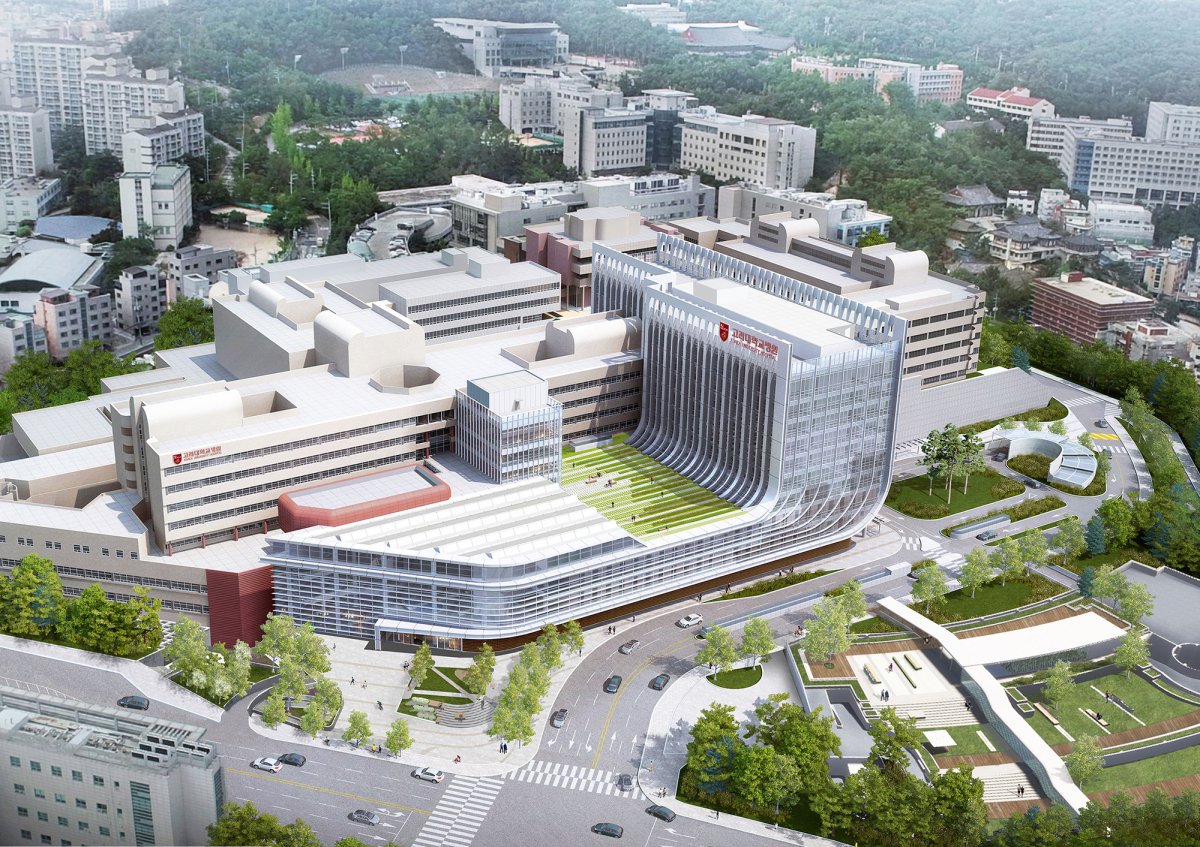
يتبع علاج الورم الدسمويدي في كوريا استراتيجية متعددة الوسائط تحافظ على الوظيفة. يعطي المتخصصون الكوريون الأولوية للمراقبة النشطة للأورام المستقرة. تستخدم الحالات التقدمية مثبطات تيروزين كيناز، أو العلاج الكيميائي بجرعات منخفضة، أو الإشعاع. تستخدم المراكز المعتمدة من قبل JCI مثل مستشفى جامعة كوريا آنام تصويرًا متقدمًا لمراقبة الورم بدقة.
- المراقبة النشطة: المراقبة المنتظمة عبر التصوير بالرنين المغناطيسي أو الأشعة المقطعية للمرضى الذين لا يعانون من أعراض.
- العلاج الجهازي: الأدوية الموجهة والعلاج الكيميائي لتثبيت الأورام التي تنمو أو تسبب الألم.
- الاستئصال الجراحي: مخصص للحالات التي تهدد الحياة بسبب مخاطر التكرار العالية.
- التحكم الموضعي: تستهدف المعالجة بالتبريد والعلاج الإشعاعي الأورام التي لا يمكن إزالتها.
رؤية خبير Bookimed: يخدم مستشفى جامعة كوريا آنام أكثر من 1.3 مليون مريض سنويًا. خبرتهم في جراحة السرطان المعقدة والأنظمة الروبوتية واسعة النطاق. يجب على المرضى البحث عن هذه المراكز ذات الحجم الكبير لحالات الورم الدسمويدي. تدير الفرق المتخصصة هناك مخاطر التكرار العالية بشكل أكثر فعالية.
إجماع المرضى: يؤكد المرضى على العثور على فريق ذي خبرة في الساركوما بدلاً من جراح عام. يلاحظون أن تتبع مستويات الألم اليومية أمر حيوي لتقرير متى يبدأ العلاج الجهازي.
ما هي المستشفيات الكورية المتخصصة في الأورام الغروية (Desmoid) والساركوما النادرة؟
يعد مستشفى جامعة سيول الوطنية للسرطان ومستشفى جامعة كوريا آنام من أهم المراكز الكورية لعلاج الأورام الغروية. توفر هذه المرافق المعتمدة من اللجنة الدولية المشتركة (JCI) فرقاً متعددة التخصصات متخصصة في ساركوما الأنسجة الرخوة النادرة. وهي تستخدم تقنيات متقدمة مثل الجراحة الروبوتية والعلاج بالأيونات الثقيلة لعلاج أورام الجهاز العضلي الهيكلي المعقدة بفعالية.
- مركز جراحي متخصص: يضم مستشفى جامعة سيول الوطنية مركزاً مخصصاً لأورام الجهاز العضلي الهيكلي لعلاج ساركوما الأنسجة الرخوة.
- خبرة في الجراحة الروبوتية: يستخدم مستشفى جامعة كوريا آنام أنظمة روبوتية لضمان تقليل فقدان الدم إلى الحد الأدنى.
- تكنولوجيا إشعاعية متقدمة: يوفر مستشفى سيفيرانس علاجاً بالأيونات الثقيلة لعلاج أورام العظام والساركوما المقاومة للعلاجات التقليدية.
- تشخيص عالي الدقة: يستخدم مركز سامسونج الطبي أنظمة دافنشي ونوفاليس لاستهداف الأورام بدقة.
رؤية خبير Bookimed: يخدم مستشفى جامعة كوريا آنام أكثر من 1,300,000 مريض سنوياً وحصل على العديد من جوائز أفضل مستشفى من مجلة نيوزويك. تركيزهم على الجراحة الروبوتية ملحوظ جداً في حالات الأورام الغروية، حيث يقلل هذا النهج من حجم الندبة بنسبة 90% ويخفض مخاطر العدوى. بالنسبة للساركوما النادرة، يشير هذا الحجم الكبير من المرضى إلى تجربة أعمق مع الحالات المعقدة.
إجماع المرضى: يؤكد المرضى أن الحصول على مراجعة ثانية لعلم الأمراض في مركز ذي حجم كبير في سيول أمر حيوي. ويشيرون إلى أن وجود فريق متخصص في الساركوما يراجع التصوير معاً ي
هل يُنصح دائمًا بإجراء جراحة للأورام الرباطية (Desmoid) في كوريا؟
لا يُنصح دائمًا بالجراحة للأورام الرباطية في كوريا. تعطي المراكز الطبية الرائدة الآن الأولوية للمراقبة النشطة للحالات التي لا تظهر عليها أعراض. وعادةً ما يحتفظ الأطباء بالاستئصال الجراحي للأورام التي تسبب الألم. كما يتدخلون إذا كان النمو يهدد وظيفة الأعضاء المجاورة أو الهياكل الحيوية.
- المراقبة النشطة: يراقب الأطباء الأورام دون تدخل فوري إذا ظلت مستقرة.
- تحول العلاج: تركز الممارسة الطبية على الحفاظ على الوظيفة بسبب ارتفاع معدلات تكرار الإصابة.
- العلاجات المتقدمة: قد يستخدم المتخصصون علاج الأيونات الثقيلة لاستهداف الأورام بطريقة غير جراحية.
- الخيارات الجهازية: غالبًا ما تسبق العلاجات الدوائية الجراحة لتقليص الآفات في المناطق الحساسة.
رؤية خبير Bookimed: يدير مستشفى جامعة كوريا أنام أكثر من 1.3 مليون مريض سنويًا. يشير تركيزهم على الجراحة الروبوتية إلى تفضيل التقنيات طفيفة التوغل. هذا الحجم من العمليات يعني أن الحالات الجراحية يتم اختيارها بعناية فائقة. تؤكد الرعاية القياسية في سيول على النتائج الوظيفية أكثر من الإزالة الجذرية للورم. يساعد هذا النهج في تقليل خطر الندبات المرئية أو فقدان الحركة.
إجماع المرضى: يشير المرضى إلى أن الجراحة هي خيار واحد من بين خيارات أخرى كثيرة. ويؤكدون على أهمية الحصول على رأي طبي ثانٍ لمعرفة ما إذا كانت المراقبة ممكنة في البداية.
ما هي استراتيجية «المراقبة والانتظار» (watch-and-wait) أو المراقبة النشطة؟
«المراقبة والانتظار»، أو المراقبة النشطة، هي استراتيجية إدارة استباقية لأورام ديسمويد. يراقب الأطباء الأورام المستقرة أو بطيئة النمو بدلاً من جدولة الجراحة أو العلاج الكيميائي الفوري. يتجنب هذا النهج الآثار الجانبية غير الضرورية مع ضمان عدم تأثير الورم على الوظائف الحيوية أو التسبب في الألم.
- المنهجية الأساسية: تستخدم الفرق الطبية فحوصات الرنين المغناطيسي المنتظمة والفحوصات السريرية لتتبع سلوك الورم.
- مبررات العلاج: لا تنتقل أورام ديسمويد (تنتشر) إلى أماكن أخرى، مما يجعل المراقبة آمنة للعديد من المرضى الذين لا يعانون من أعراض.
- محفزات التدخل: يبدأ الأطباء العلاج النشط فقط إذا أظهرت الفحوصات نمواً كبيراً أو تفاقماً في الألم.
- الحفاظ على الأعضاء: تمنع هذه الاستراتيجية فقدان الوظائف الذي غالباً ما يرتبط بالاستئصال الجراحي الغازي.
رؤية خبير Bookimed: تدير المستشفيات الكورية الجنوبية مثل مستشفى جامعة كوريا أنام حالات الأورام المعقدة باستخدام معايير السلامة المعتمدة من JCI. تظهر البيانات أن المراكز ذات الحجم الكبير، التي تجري أكثر من 1,300,000 استشارة سنوياً، تفضل المراقبة لأورام ديسمويد لأن هذه الأورام يمكن أن تتراجع تلقائياً. اختيار مرفق ذي تصنيف إخباري (Newsweek) للتصوير الرقمي يضمن اكتشاف حتى التغيرات الورمية الطفيفة فوراً خلال فترة المراقبة.
إجماع المرضى: يجد العديد من المرضى هذه الاستراتيجية مفاجئة في البداية لأنهم يتوقعون جراحة فورية لأي ورم. يلاحظ معظم الأشخاص أن تتبع الألم والوظيفة بين فحوصات الرنين المغناطيسي يسا
ما هي السجلات الطبية التي يجب على المريض الدولي تحضيرها قبل الاستشارة الأولى؟
يجب على المرضى تحضير تقارير علم الأمراض الأصلية وصور عالية الدقة بتنسيق DICOM لأخصائيي الأورام الكوريين. تؤكد هذه الوثائق أنماط نمو الأورام النادرة. تساعد نتائج الخزعة المترجمة وجدول العلاج المفصل الجراحين في تحديد ما إذا كانت الجراحة أو المراقبة مطلوبة. تستخدم مرافق مثل مستشفى جامعة كوريا أنام هذه الوثائق للتقييمات الرقمية الدقيقة.
- تقارير التشخيص: قدم تقرير الخزعة الكامل بدلاً من ملخص التشخيص البسيط.
- ملفات التصوير: أحضر صور الأشعة المقطعية أو الرنين المغناطيسي الفعلية على قرص USB أو سحابة إلكترونية.
- مذكرات الأعراض: وثّق مستويات الألم وقيود الحركة لتوجيه قرارات التدخل.
- مواد علم الأمراض: احمل قوالب أو شرائح الورم الأصلية لإعادة التقييم المحتملة.
رؤية خبير Bookimed: يخدم مستشفى جامعة كوريا أنام أكثر من 1,300,000 مريض سنوياً ويحافظ على اعتماد JCI للسلامة. هذا الحجم الكبير يعني أن أنظمتهم تتعامل مع السجلات الصحية الإلكترونية (EHR) بكفاءة. يجب على المرضى التأكد من توافق الملفات الرقمية مع المعايير الدولية لتسريع عملية المراجعة في سيول.
إجماع المرضى: يلاحظ المرضى أنه من المهم تقديم جدول زمني واضح لتغيرات الورم. وقد وجدوا أن وجود تقرير علم الأمراض الأصلي كان حيوياً للتشخيص الدقيق واختيار خطة العلاج.
ما هي الأعراض أو التفاصيل السريرية المحددة التي يجب على المريض تتبعها قبل الموعد الأول؟
يجب على المرضى تتبع قياسات الورم الدقيقة وأنماط النمو بمرور الوقت لعرضها على أطباء الأورام الكوريين. قم بتوثيق الموقع الدقيق، وشدة الألم على مقياس من 1 إلى 10، والقيود الوظيفية. أحضر نسخًا مادية من تصوير الرنين المغناطيسي أو الأشعة المقطعية إلى المرافق المعتمدة من قبل JCI مثل مستشفى جامعة كوريا أنام في سيول.
- تتبع النمو: سجل متى لاحظت الورم لأول مرة وأي تغييرات مرئية في قوام الورم.
- التأثير الوظيفي: لاحظ ما إذا كان الورم يحد من المشي أو رفع الأشياء أو الجلوس أو استخدام أطراف معينة.
- الأعراض العصبية: تتبع أي خدر أو وخز أو ألم منتشر يشير إلى انضغاط العصب.
- تاريخ التصوير: اذكر جميع تواريخ تصوير الرنين المغناطيسي، أو الأشعة المقطعية، أو الموجات فوق الصوتية، والخزعات السابقة.
رؤية خبير Bookimed: يتعامل مستشفى جامعة كوريا أنام مع أكثر من 1,300,000 مريض سنويًا ويتخصص في الجراحة الروبوتية. تشير البيانات إلى أن التركيز على القدرة الوظيفية أمر حيوي هنا. إذا كان ورمك يؤثر على الحركة، فاذكر ذلك أولاً. يعطي المتخصصون الكوريون الأولوية للحفاظ على الحركة باستخدام منصات روبوتية والتصوير الرقمي.
إجماع المرضى: يؤكد المرضى على أهمية تسجيل ما يمنعك الألم من القيام به يوميًا. يساعد تتبع تغيرات الضغط الطفيفة في البطن أو الحوض الأطباء على فهم سلوك الورم.
ما هي الخطة إذا عاود الورم الرباطي (Desmoid tumor) الظهور بعد الجراحة في كوريا؟
تدير مراكز الأورام الكورية الأورام الرباطية المتكررة من خلال المراقبة النشطة أو العلاج الدوائي الجهازي. يعطي المتخصصون الأولوية للحفاظ على الوظيفة بدلاً من إعادة الاستئصال لهذه الأورام. تستخدم الفرق متعددة التخصصات في المرافق المعتمدة من قبل JCI في سيول عوامل موجهة وتقنيات الاستئصال للسيطرة على النمو. هذا النهج المحافظ يمنع حدوث ندبات جراحية.
- المراقبة النشطة: يراقب الأطباء الأورام المتكررة غير المصحوبة بأعراض أو بطيئة النمو دون تدخل جراحي فوري.
- العلاج الجهازي: تعالج الأدوية الموجهة مثل سورافينيب أو بازوبانيب الحالات التقدمية أو المصحوبة بأعراض.
- التدخل الموضعي: يدمر التجميد أو الاستئصال بالترددات الراديوية الأورام الموضعية مع تجنيب الأنسجة السليمة.
- التجارب السريرية: يدرس الباحثون الكوريون مثبطات TGF-beta جديدة للحالات الصعبة أو المتكررة.
رؤية خبير Bookimed: يخدم مستشفى جامعة كوريا أنام أكثر من 1,300,000 مريض كل عام. يؤدي حجم عملهم المرتفع إلى تقنيات جراحة روبوتية دقيقة للأورام المعقدة. يختار العديد من المرضى سيول لجراحات السرطان نظرًا لجودة المستشفى التي صنفتها مجلة نيوزويك. تضمن هذه التجربة السريرية حصول حتى حالات التكرار النادرة على بروتوكولات قائمة على الأدلة.