الورم الدبقي العلاج في كوريا الجنوبية - التكاليف 2026


تمت مراجعة المقالة طبيا من قبل
فهد مولود
ما هي تكلفة الورم الدبقي إجراءات التشخيص والعلاج في كوريا الجنوبية؟ اعرف الآن
من $20,000
تكاليف علاج الورم الدبقي النموذجية في جمهورية كوريا
- استشارة طبيب الأورام: $50 – $75
- استشارة جراح الأعصاب: من $53
- حج القحف: من $20,000
- جاما نايف (Gamma Knife): من $10,000
- العلاج الكيميائي: من $3,000
رؤية خبراء Bookimed: يجب على المرضى الذين يبحثون عن رعاية عالية الدقة إعطاء الأولوية لمستشفيات "الخمسة الكبار" الرقمية في سيول. يُعد مستشفى جامعة سيول الوطنية (SNUH) مثالياً للحالات المعقدة، حيث يسجل أعلى إحصائيات لعلاج السرطان في البلاد. وللوقاية من الأخطاء، يستخدم مستشفى جامعة سيول الوطنية بوندانغ (SNUBH) نظام BESTcare الرقمي. يوفر مستشفى سيفيرانس (Severance Hospital) سلامة معتمدة من اللجنة الدولية المشتركة (JCI) لمرضى جراحة الأعصاب الدوليين. كما يُعد مستشفى جامعة كوريا أنام (Korea University Anam Hospital) الأفضل لأولئك الذين يحتاجون إلى تقنيات جراحية متقدمة بمساعدة الروبوت.
| كوريا الجنوبية | تركيا | إسبانيا | |
|---|---|---|---|
| حج القحف | من $20,000 | من $8,900 | من $32,400 |
| جراحة التجسيمي | ≈ $9,500 | من $6,400 | من $18,100 |
| العلاج الكيميائي لسرطان الثدي | من $3,000 | من $3,000 | من $1,700 |
| العلاج الإشعاعي لسرطان القولون والمستقيم | ≈ $9,000 | من $5,000 | من $7,500 |
| استئصال ورم دبقي | ≈ $16,000 | من $14,300 | من $50,400 |
مزاياك وضماناتك مع Bookimed
أسعار مباشرة
Bookimed لا يضيف رسوماً إضافية على أسعار علاج الورم الدبقي. الأسعار مأخوذة من قوائم الأسعار الرسمية للعيادات. تدفع مباشرة في العيادة مقابل علاجك عند وصولك إلى البلد.
عيادات وأطباء معتمدون فقط
Bookimed ملتزم بسلامتك. نحن نعمل فقط مع المؤسسات الطبية التي تحافظ على معايير دولية عالية في علاج الورم الدبقي ولديها التراخيص اللازمة لخدمة المرضى الدوليين في جميع أنحاء العالم.
مساعدة مجانية على مدار الساعة
Bookimed يقدم مساعدة خبراء مجانية. منسق طبي شخصي يدعمك قبل وأثناء وبعد العلاج، ويحل أي مشاكل. لن تكون وحيداً أبداً في رحلة علاج الورم الدبقي.

منسقك الطبي الشخصي في Bookimed
- يدعمك في كل مرحلة
- المساعدة في اختيار العيادة الطبية المناسبة والطبيب المناسب
- يضمن الوصول السريع والمريح إلى المعلومات
اكتشف أفضل الورم الدبقي العيادات في كوريا الجنوبية: 6 خيارات معتمدة والأسعار












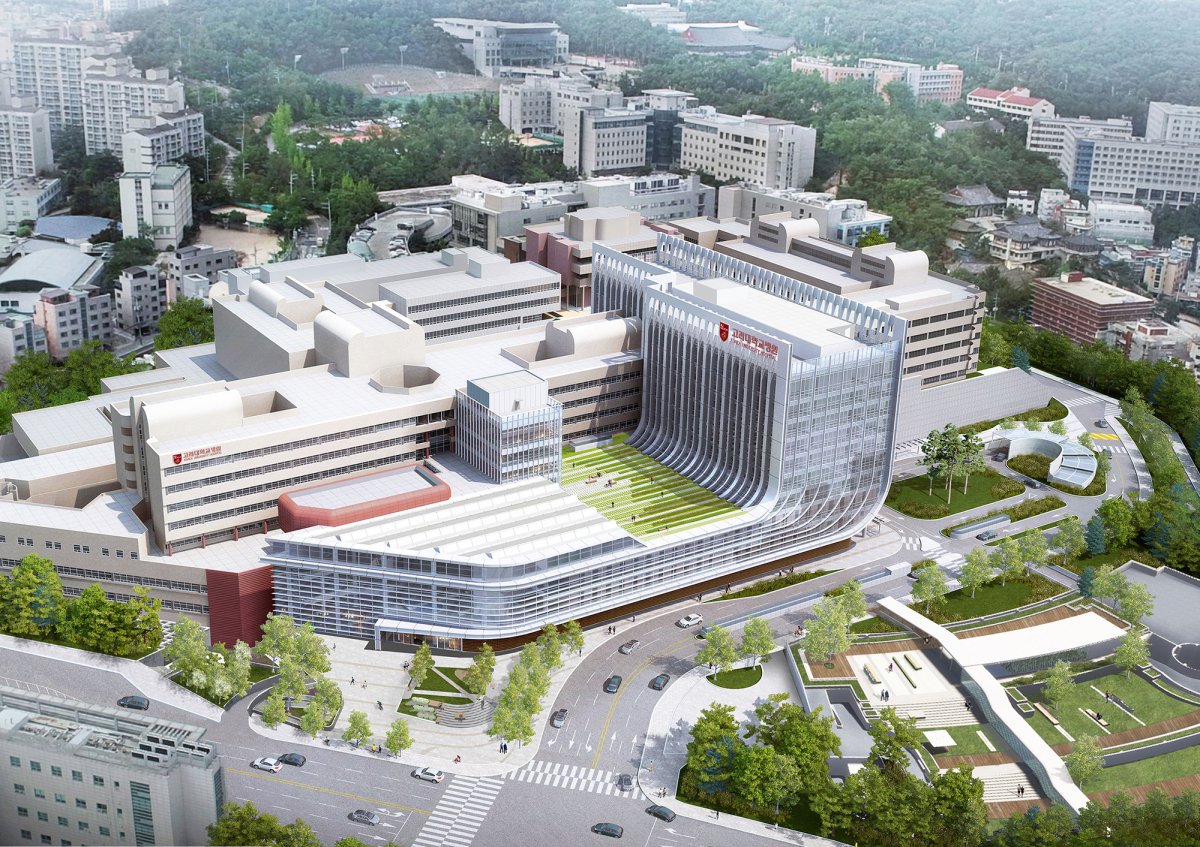
احصلوا على تقييم طبي لـ الورم الدبقي في كوريا الجنوبية: استشيروا أطباء ذوي خبرة الآن
عرض جميع الأطباء
An Song-yeol
مشاركة المحتوى
قصص فيديو من مرضى Bookimed
 Anna Leonova
أسئلة متكررة حول علاج الورم الدبقي في كوريا الجنوبية
ما هي أفضل المستشفيات في كوريا لعلاج الأورام الدبقية (glioma)؟
يعد مستشفى جامعة سيول الوطنية (SNUH)، ومركز أسان الطبي (Asan Medical Center)، ومستشفى سيفيرانس (Severance Hospital) من أفضل المرافق لعلاج الأورام الدبقية في كوريا. تستخدم هذه المراكز، الحاصلة على اعتماد اللجنة الدولية المشتركة (JCI) والمصنفة ضمن قائمة نيوزويك، تقنية جاما نايف (Gamma Knife) وفرقاً متعددة التخصصات لعلاج أورام الدماغ. وهي تركز على الاستئصال الجراحي الآمن لأقصى حد ممكن وإجراء اختبارات دقيقة لعلم الأمراض الجزيئي.
- حجم العلاج: يجري مستشفى SNUH أكثر من 1300 جراحة لأورام الدماغ وجراحة إشعاعية سنوياً.
- النطاق السريري: يخدم مركز أسان الطبي أكثر من 11800 مريض يومياً من خلال بنية تحتية متطورة في مجال الأورام.
- التشخيص المتقدم: توفر المراكز مراجعات لعلم الأمراض الجزيئي ضرورية لتحديد أنواع فرعية محددة من الأورام الدبقية.
- السلامة الرقمية: يستخدم مستشفى SNUBH نظام BESTcare للقضاء على الأخطاء الطبية أثناء العلاجات المعقدة.
رؤية خبراء Bookimed: على الرغم من شهرة الأسماء المرموقة مثل SNUH، يوفر مستشفى جانجنام سيفيرانس (Gangnam Severance) جراحة أعصاب متخصصة في بيئة أكثر سهولة في الوصول إليها. تشير البيانات إلى أن المراكز الكورية الرئيسية تخدم ملايين المرضى، مما يجعل سرعة القبول عاملاً حاسماً. بالنسبة للأورام الدبقية، فإن اختيار مرفق معتمد من JCI يمكنه تجميع فريق جراحي بسرعة غالباً ما يكون أهم من مجرد شهرة اسم المستشفى.
إجماع المرضى: يؤكد المرضى على أهمية العثور على جراح يتعامل مع عدد كبير من حالات الأورام الدبقية بدلاً
ما هي العلاجات المتقدمة المتاحة للورم الدبقي (Glioma) في كوريا؟
توفر كوريا الجنوبية علاجات عالية الدقة للورم الدبقي تشمل العلاج بالأيونات الثقيلة، وجراحة جاما نايف الإشعاعية، والعلاج المناعي بخلايا القاتلة الطبيعية (NK). تستخدم المراكز المعتمدة من قبل JCI في سيول التنميط الجزيئي لتخصيص العلاج الكيميائي. تجمع هذه المرافق بين جراحة الأعصاب المتقدمة والإشعاع الموجه لزيادة معدلات البقاء على قيد الحياة لأورام الدماغ المعقدة.
- العلاج بالأيونات الثقيلة: حزم الكربون المعجلة تعالج الأورام الدبقية المقاومة بدقة عالية.
- علاج الخلايا القاتلة الطبيعية (NK): خلايا مناعية مستمدة من المريض تستهدف الورم الأرومي الدبقي المقاوم في الدراسات السريرية.
- خيارات الجراحة الإشعاعية: توفر جاما نايف علاجًا غير جراحي للأورام العميقة أو المتكررة.
- جراحة الأعصاب الرقمية: أنظمة مثل BESTcare تقلل من الأخطاء أثناء استئصال الأورام المعقدة.
رأي خبراء Bookimed: بينما تقدم العديد من الدول جراحة أعصاب قياسية، تتعامل المراكز الكبرى في سيول مثل مركز أسان الطبي ومستشفى سيفيرانس مع أحجام هائلة من المرضى. يستقبل مركز أسان وحده أكثر من 2500 مريض داخلي يوميًا. يسمح هذا النطاق لهذه المؤسسات بالحفاظ على فرق متخصصة في الأورام العصبية تركز حصريًا على الأنواع الفرعية النادرة من الأورام الدبقية. إن اختيار مركز أكاديمي ذي حجم كبير يضمن الوصول إلى الاختبارات الجزيئية، والتي أصبحت الآن ضرورية لاختيار بروتوكول العلاج الكيميائي الصحيح.
إجماع المرضى: يؤكد المرضى أن نجاح العلاج يعتمد على العثور على مستشفى كبير في سيول قادر على تنسيق الجر
هل يمكن للمرضى الأجانب الانضمام إلى التجارب السريرية للورم الدبقي في كوريا؟
يمكن للمرضى الأجانب الانضمام إلى التجارب السريرية للورم الدبقي في جمهورية كوريا. تقوم المراكز الأكاديمية الكبرى مثل مستشفى سيفيرانس ومركز أسان الطبي بتوظيف مشاركين دوليين لدراسات المرحلة 2 و 3. تعتمد الأهلية على استيفاء معايير طبية صارمة وغالبًا ما تتطلب تمويلاً ذاتيًا للبروتوكولات التجريبية.
- أنواع الدراسات: تركز الدراسات على العلاج المناعي، وعلاجات الخلايا القاتلة الطبيعية (NK)، وعلاجات CAR-T.
- المراكز الرائدة: توفر المرافق المعتمدة من اللجنة الدولية المشتركة (JCI) مثل مستشفى سيفيرانس وصولاً احترافيًا لتجارب أورام الأعصاب.
- أنظمة الدعم: تدير مراكز دولية متخصصة الاستشارات واختبارات التسجيل اللازمة.
- التشخيص المتقدم: يتم تأكيد الأهلية من خلال فحوصات الأشعة المقطعية المتخصصة واستشارات جراحة الأعصاب.
رؤية خبير Bookimed: تظهر البيانات أن المستشفيات الجامعية الكورية تدير أعدادًا هائلة من المرضى، حيث يستقبل مستشفى سيفيرانس 1.6 مليون مريض خارجي سنويًا. هذا المعدل المرتفع يعزز التوظيف السريع للتجارب السريرية والخبرة التقنية العميقة. يجب على المرضى إعطاء الأولوية للمستشفيات الحاصلة على تصنيفات Newsweek الحديثة واعتماد JCI لضمان أعلى معايير السلامة أثناء العلاجات التجريبية.
إجماع المرضى: يلاحظ المرضى أن الوصول إلى التجارب ليس سياحة علاجية مفتوحة ويتطلب استيفاء بروتوكولات بحثية صارمة. زيارات المتابعة المتكررة والتصوير تعني أن المشاركين يجب أن يخططوا لإقامات طويلة الأمد في سيول.
كيف تقارن معدلات البقاء على قيد الحياة بعد علاج الورم الدبقي في كوريا مع الدول الأخرى؟
تشير كوريا الجنوبية إلى معدل بقاء على قيد الحياة لمدة 5 سنوات يتراوح بين 40% إلى 49% للأورام الدبقية غير المحددة. وهذا يطابق معدلات البقاء الموجودة في الولايات المتحدة والنرويج. تستخدم المراكز الكورية الكبرى تقنية جاما نايف (Gamma Knife) وجراحة حج القحف داخل مرافق معتمدة من اللجنة الدولية المشتركة (JCI) للحفاظ على هذه النتائج العالمية.
- معدل البقاء: يتراوح معدل البقاء القياسي لمدة 5 سنوات للأورام الدبقية غير المحددة بين 40% و49%.
- بقاء الأطفال: تبلغ نسبة البقاء على قيد الحياة لأورام الدماغ لدى الأطفال حوالي 58.5% في كوريا الجنوبية.
- معايير المرافق: تمتلك مراكز مثل مستشفى سيفيرانس ومركز أسان الطبي اعتمادات JCI أو KOIHA.
- التكنولوجيا المتقدمة: تستخدم المستشفيات الرقمية مثل SNUBH أنظمة مثل BESTcare لتقليل الأخطاء الطبية.
رؤية خبير Bookimed: تتفوق كوريا في الكفاءة الجراحية ذات الحجم الكبير. يتعامل مركز أسان الطبي وحده مع أكثر من 65,000 عملية جراحية سنويًا. هذا النطاق الهائل غالبًا ما يؤدي إلى جدولة أسرع مما هو عليه في أوروبا الغربية. التدخل السريع عامل حاسم لنتائج الورم الدبقي.
إجماع المرضى: يلاحظ المرضى أن المستشفيات الكورية تقدم رعاية جراحية عالمية المستوى وأورامًا منسقة. غالبًا ما يُعزى النجاح إلى مهارة فرق الأورام العصبية ذات الحجم الكبير.
ما مدى سرعة جدولة موعدي لإجراء استئصال جراحي أو علاجات أولية أخرى؟
عادةً ما يتم إجراء الاستئصال الجراحي للورم الدبقي في كوريا الجنوبية في غضون أسبوعين إلى 4 أسابيع بعد استشارة جراحة الأعصاب الأولية. قد يتم تسريع حالات الطوارئ التي تنطوي على وذمة كبيرة أو عجز عصبي للدخول إلى المستشفى. غالبًا ما يبدأ العلاج فورًا بالستيرويدات أو الأدوية المضادة للنوبات لتثبيت حالة المريض قبل الجراحة.
- تصنيف الاستعجال: غالبًا ما تتلقى الحالات الطارئة ذات الأعراض الشديدة تقييمًا في غضون 24 إلى 48 ساعة.
- التقييم قبل الجراحة: تكمل المراكز المتخصصة مراجعات متقدمة للتصوير بالرنين المغناطيسي (MRI)، وPET-CT، وعلم الأمراض في غضون 7 أيام.
- بدء العلاج: غالبًا ما يبدأ العلاج بالستيرويد لتقليل تورم الدماغ قبل موعد الجراحة.
- سعة المرفق: تجري المراكز ذات الحجم الكبير مثل مركز أسان الطبي أكثر من 65,000 عملية جراحية سنويًا.
رؤية خبير Bookimed: تعتمد السرعة على اختيار مراكز ذات سعة عالية. يدير مستشفى سيفيرانس ومركز أسان الطبي آلاف المرضى الخارجيين يوميًا. تظهر بياناتنا أن هذه المرافق تدمج علم الأمراض وجراحة الأعصاب بسرعة. يسمح هذا التنسيق للمرضى الدوليين بتقليص 10 أيام أو أكثر من الجدول الزمني للتشخيص القياسي مقارنة بالعيادات الأصغر.
إجماع المرضى: يلاحظ المرضى أن الوصول بأقراص التصوير بالرنين المغناطيسي بدلاً من التقارير فقط يسرع العملية. يؤكدون أن البدء بالستيرويدات على الفور يوفر غالبًا راحة سريعة أثناء انتظار الفريق الجراحي لوضع اللمسات الأخيرة على الخطة.
هل يوجد مترجمون للمرضى الذين لا يتحدثون الكورية في أقسام طب الأورام العصبي؟
توفر أقسام طب الأورام العصبي في كوريا الجنوبية مترجمين طبيين محترفين للمرضى الذين لا يتحدثون الكورية. تقدم المستشفيات الكبرى في سيول، المعتمدة من قبل اللجنة الدولية المشتركة (JCI)، مراكز متخصصة للمرضى الدوليين. يدير هؤلاء المنسقون التواصل أثناء علاج الأورام الدبقية المعقدة، بما في ذلك جراحة جاما نايف (Gamma Knife) وبضع القحف. يشمل الدعم عادةً اللغات الإنجليزية والصينية والعربية والروسية.
- اعتماد المستشفى: تضمن معايير اللجنة الدولية المشتركة (JCI) بروتوكولات تواصل عالية المستوى.
- تخصص الأقسام: تضم المستشفيات الجامعية الكبرى فرقاً متخصصة في جراحة الأعصاب والأورام.
- تنسيق الخدمات: تنظم المكاتب الدولية مترجمين للاستشارات ومناقشة موافقات العمليات الجراحية.
- الدعم الرقمي: تستخدم مراكز مثل مستشفى سيفيرانس أنظمة متكاملة لمساعدة المرضى الدوليين.
رأي خبراء Bookimed: تظهر البيانات أن مستشفيي سيفيرانس وأسان يخدمان آلاف المرضى الأجانب سنوياً. على الرغم من أن العديد من الموظفين يتحدثون الإنجليزية الأساسية، إلا أن مناقشات طب الأورام العصبي تتطلب مستوى عالٍ من الدقة الطبية. اختيار مؤسسة معتمدة من JCI يضمن توفر مترجمين محترفين للتخطيط الجراحي الحرج. هذا يمنع الاعتماد على المصطلحات الأساسية أثناء الاستشارات المتعلقة بأورام المخ.
إجماع المرضى: يؤكد المرضى أنه من الضروري جداً التواصل مع المكتب الدولي قبل أسابيع من الوصول. ويشيرون إلى أن وجود مترجم طبي أثناء عملية الحصول على الموافقة يوفر راحة بال حيوية.
أين يتم إجراء العلاج بالبروتون للورم الدبقي في كوريا؟
يتم إجراء العلاج بالبروتون للورم الدبقي بشكل أساسي في مراكز السرطان الثالثية الكبرى في سيول وجيونجي دو. تشمل المؤسسات الرائدة المركز الوطني للسرطان في غويانغ ومركز سامسونج الطبي. تستخدم كلتا المنشأتين تقنية شعاع البروتون المتقدمة لعلاج أورام المخ العدوانية مثل الأورام الأرومية الدبقية والأورام النجمية.
- المركز الوطني للسرطان: أول منشأة كورية تؤسس مركزاً مخصصاً للعلاج بالبروتون للأورام.
- مركز سامسونج الطبي: مستشفى خاص في سيول يتميز بنظام شعاع بروتون متخصص منذ عام 2015.
- أهلية العلاج: إحالات المتخصصين والمراجعات الشاملة للتصوير إلزامية قبل بدء العلاج.
- المجالس متعددة التخصصات: تستخدم المراكز الكبرى مجالس طب الأورام العصبي لتقرير ما إذا كان العلاج بالبروتون مناسباً.
رؤية خبراء Bookimed: في حين أن العديد من المستشفيات مثل مستشفى جامعة سيول الوطنية (SNUH) ومستشفى سيفيرانس لديها تصنيفات أورام عالية، يظل العلاج بالبروتون متركزاً في مراكز محددة. يجري مركز أسان الطبي أكثر من 65000 عملية جراحية سنوياً. غالباً ما يكون حجم الجراحة المرتفع هذا بمثابة المرحلة الأولية قبل بدء العلاج الإشعاعي.
إجماع المرضى: يشير المرضى إلى أن المستشفيات الجامعية الكبرى تتطلب سجلات التصوير بالرنين المغناطيسي وعلم الأمراض السابقة للمراجعة. ويؤكدون على أهمية التحقق مما إذا كان مجلس طب الأورام العصبي في المركز يوافق على العلاج بالبروتون قبل السفر.