سرطان الرحم العلاج في كوريا الجنوبية - التكاليف 2026


تمت مراجعة المقالة طبيا من قبل
فهد مولود
ما هي تكلفة سرطان الرحم إجراءات التشخيص والعلاج في كوريا الجنوبية؟ اعرف الآن
تتضمن تكلفة علاج سرطان الرحم في جمهورية كوريا عادةً التشخيصات الأساسية مثل فحص PET/CT من $1,100 إلى $1,300. من $8,000. تعتمد التكاليف الإجمالية على مرحلة السرطان ومستوى العيادة. وغالباً ما يجد المرضى توفيراً بنسبة 30-50% مقارنة بالولايات المتحدة. تشمل أفضل المدن لهذا العلاج سيول وإنشيون.
تكاليف علاج سرطان الرحم النموذجية في جمهورية كوريا
- استشارة طبيب أورام: $50 – $75
- فحص PET/CT: $1,100 – $1,300
- تصوير بالموجات فوق الصوتية عبر المهبل: من $140
- خزعة: من $370
- استئصال الرحم بالمنظار: من $8,000
- استئصال الرحم باستخدام روبوت دافنشي: من $12,000
- استئصال الرحم (إزالة الرحم): من $5,000
- العلاج الكيميائي لسرطان الرحم: السعر عند الطلب
- العلاج الإشعاعي لسرطان الرحم: من $10,000
- الأشعة المقطعية (CT): $300 – $330
رؤية خبراء Bookimed: يستفيد المرضى الذين يبحثون عن جراحة عالية الدقة من المستشفيات الرقمية في سيول. يستخدم مستشفى جامعة سيول الوطنية بوندانغ الذكاء الاصطناعي والروبوتات لحالات الأورام المعقدة. وبالنسبة للنساء اللواتي يفضلن الحد الأدنى من الندوب، يقدم مركز إيهوا الطبي الجامعي للنساء رعاية متخصصة في أورام النساء. أما الحالات المعقدة التي تتطلب تقنيات متقدمة مثل نوفاليس (Novalis) أو العلاج الإشعاعي الموجه بالصور (IGRT)، فيفضل إدارتها في مركز سامسونج الطبي. يوفر هذا المرفق رعاية شاملة للسرطان بمعايير رئاسية للمرضى الدوليين.
| كوريا الجنوبية | تركيا | إسبانيا | |
|---|---|---|---|
| العلاج بالهرمونات | ≈ $2,500 | من $1,100 | من $600 |
| العلاج الكيميائي لسرطان الرحم | ≈ $6,500 | من $3,000 | من $2,800 |
| العلاج الإشعاعي لسرطان الرحم | من $10,000 | من $6,500 | من $13,500 |
| العلاج الإشعاعي الموضعي لسرطان الرحم | ≈ $6,500 | ≈ $3,800 | من $6,000 |
| استئصال الرحم بواسطة روبوت دا فنشي | من $12,000 | من $11,600 | من $21,600 |
مزاياك وضماناتك مع Bookimed
أسعار مباشرة
Bookimed لا يضيف رسوماً إضافية على أسعار علاج سرطان الرحم. الأسعار مأخوذة من قوائم الأسعار الرسمية للعيادات. تدفع مباشرة في العيادة مقابل علاجك عند وصولك إلى البلد.
عيادات وأطباء معتمدون فقط
Bookimed ملتزم بسلامتك. نحن نعمل فقط مع المؤسسات الطبية التي تحافظ على معايير دولية عالية في علاج سرطان الرحم ولديها التراخيص اللازمة لخدمة المرضى الدوليين في جميع أنحاء العالم.
مساعدة مجانية على مدار الساعة
Bookimed يقدم مساعدة خبراء مجانية. منسق طبي شخصي يدعمك قبل وأثناء وبعد العلاج، ويحل أي مشاكل. لن تكون وحيداً أبداً في رحلة علاج سرطان الرحم.

منسقك الطبي الشخصي في Bookimed
- يدعمك في كل مرحلة
- المساعدة في اختيار العيادة الطبية المناسبة والطبيب المناسب
- يضمن الوصول السريع والمريح إلى المعلومات
اكتشف أفضل سرطان الرحم العيادات في كوريا الجنوبية: 10 خيارات معتمدة والأسعار













احصلوا على تقييم طبي لـ سرطان الرحم في كوريا الجنوبية: استشيروا أطباء ذوي خبرة الآن
عرض جميع الأطباء
Lee Kwang Beom
أخصائي في العمليات بالمنظار لسرطان الرحم – يجلب الدكتور لي كوانغ بيوم خبرة مركزة في التقنيات طفيفة التوغل.
- طبيب أورام نسائية ذو تدريب متخصص
- يجري إجراءات متقدمة بالمنظار
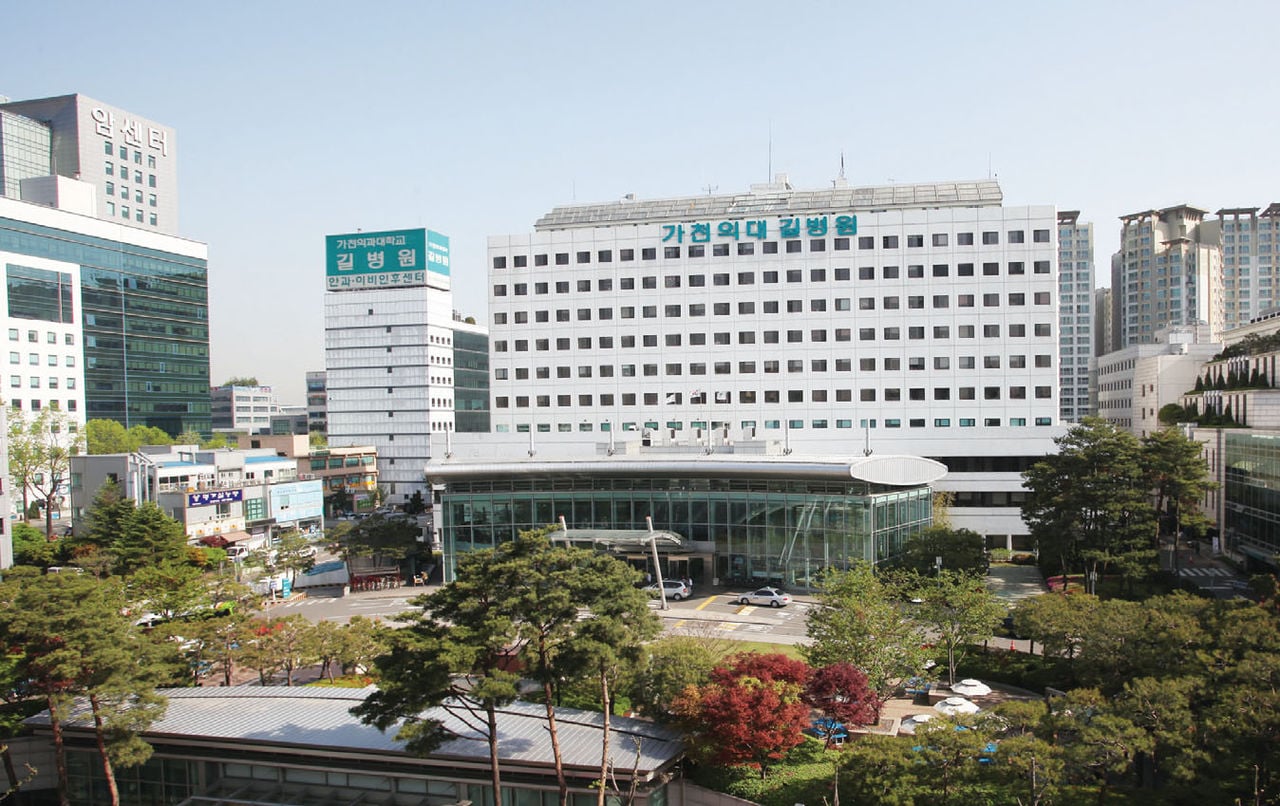
- ينتمي إلى مركز جيل الطبي بجامعة غاشون

Kim Young Tae
أخصائي في الجراحة الروبوتية – الدكتور كيم يونغ تاي في مستشفى سيفيرانس يوفر الدقة في علاج سرطان الرحم.
- أخصائي أورام نسائية مع التركيز على سرطان الرحم
- يستخدم الجراحة الروبوتية للإجراءات طفيفة التوغل
- يعمل في مستشفى سيفيرانس

Kim Sung Hun
أخصائي أورام نسائية متخصص في الجراحات طفيفة التوغل لسرطان الرحم في مستشفى سيفيرانس.
- خبير في التقنيات المتقدمة بالمنظار والجراحة الروبوتية
- يركز على الحفاظ على الخصوبة كلما أمكن ذلك
- يعمل في أحد مراكز السرطان الرائدة في كوريا

Kim Sig Jeong
الدكتور كيم سيغ جيونغ هو طبيب أورام نسائية في مستشفى جامعة سون تشون هيانغ في سيول. يجري عمليات جراحية بالمنظار لعلاج سرطانات الجهاز التناسلي الأنثوي، حيث يساعد هذا النهج طفيف التوغل المرضى على التعافي بشكل أسرع. يعالج الدكتور كيم سرطانات المبيض وعنق الرحم والرحم، بما في ذلك الحالات التي تتطلب إعادة بناء معقدة للعمود الفقري أو جراحات متقدمة في منطقة الحوض.
يعمل الدكتور كيم في منشأة مصنفة ضمن قائمة أفضل مستشفيات العالم وفقاً لمجلة "نيوزويك". يضم المستشفى أكثر من 700 سرير وقسماً خاصاً بالأ
مشاركة المحتوى
قصص فيديو من مرضى Bookimed
 Anna Leonova
أسئلة متكررة حول علاج سرطان الرحم في كوريا الجنوبية
هل المستشفيات في كوريا الجنوبية مجهزة للمرضى الدوليين؟
المستشفيات في كوريا الجنوبية مجهزة بشكل استثنائي للمرضى الدوليين. فهي تدمج البنية التحتية الرقمية المتقدمة مع أقسام دولية مخصصة. غالبًا ما تحمل المراكز الكبرى اعتماد اللجنة الدولية المشتركة (JCI). تقوم مرافق مثل مركز أسان الطبي بإجراء أكثر من 65,000 عملية جراحية سنويًا بمعدلات نجاح عالية.
- اعتماد المستشفيات: تحتفظ المراكز بشهادات JCI و ISO و KOIHA (الجمعية الكورية للمستشفيات).
- دعم اللغة: توفر مكاتب دولية مخصصة مترجمين فوريين مدربين في علم الأورام وخدمات التنسيق.
- التكنولوجيا المتقدمة: تستخدم العيادات أنظمة دافنشي الروبوتية و IGRT لعلاج سرطان الرحم.
- جدولة سريعة: يحصل المرضى على وصول سريع إلى فحوصات PET/CT ونتائج الخزعات.
رؤية خبير Bookimed: تتجلى الريادة الطبية لكوريا الجنوبية في حجم التخصص. على سبيل المثال، يضم مركز أسان الطبي أكثر من 2,700 سرير ويدير أكثر من 180,000 حالة سنويًا. يسمح هذا النطاق الهائل بوجود أقسام متخصصة للغاية. يجب على النساء اللواتي يبحثن عن رعاية لسرطان الرحم النظر في مركز إيهوا الطبي الجامعي للنساء. تركيزهم الحصري على النساء غالبًا ما يؤدي إلى نتائج تجميلية متفوقة للإجراءات طفيفة التوغل.
إجماع المرضى: يشير المرضى إلى أن رعاية مرضى السرطان منظمة للغاية مع فترات انتظار قصيرة جدًا. ويؤكدون على أهمية توظيف مترجم طبي يفهم مصطلحات الأورام لضمان تواصل واضح أثناء الاستشارات.
ما هي الخيارات الجراحية والعلاجية المتقدمة المتاحة في كوريا الجنوبية لعلاج سرطان الرحم؟
توفر كوريا الجنوبية رعاية متقدمة لسرطان الرحم من خلال الجراحة الروبوتية عالية الدقة، والإشعاع الموجه بالصور، وعلاج الأيونات الثقيلة. تستخدم المراكز المتخصصة أنظمة دافنشي (Da Vinci) لاستئصال الرحم طفيف التوغل. تعزز هذه الأساليب سرعة التعافي. كما تجمع المستشفيات الأكاديمية بين العلاج الكيميائي الموجه والإشعاع للحالات المتقدمة.
- الجراحة الروبوتية: تتيح أنظمة دافنشي إزالة الورم بدقة مع فقدان دم ضئيل.
- الإشعاع المتقدم: يستهدف العلاج الإشعاعي الموجه بالصور (IGRT) الخلايا السرطانية مع حماية الأنسجة السليمة.
- التقنيات طفيفة التوغل: تعد عمليات تنظير البطن معياراً لسرطانات بطانة الرحم في مراحلها المبكرة وعالية الخطورة.
- العلاج متعدد الوسائط: تجمع البروتوكولات المتكاملة بين العلاج الهرموني والكيميائي والجراحة للمراحل المتقدمة.
رؤية خبير Bookimed: تعد كوريا الجنوبية مركزاً عالمياً من حيث حجم العمليات الجراحية. يخدم مركز سامسونج الطبي ومستشفى سيفيرانس بشكل جماعي أكثر من 6,000,000 مريض سنوياً. يسمح هذا النطاق الهائل للجراحين مثل الدكتور كيم يونغ تاي بالتخصص حصرياً في طب الأورام النسائية الروبوتي. بالنسبة للمرضى، يترجم هذا الحجم الكبير إلى تقنيات جراحية متطورة وجداول زمنية فعالة للعلاج نادراً ما تُرى في أماكن أخرى.
إجماع المرضى: يؤكد المرضى على سرعة المستشفيات الكورية الجنوبية، مشيرين إلى أن الفحوصات وتواريخ الجراحة غالباً ما يتم تحديدها بشكل أسرع بكثير مما هو عليه في البلدان الأخرى. يقترح الكثيرون طلب طبيب أورام نسائية تحديداً لضم
هل يمكن الحفاظ على خصوبتي إذا كنت مصابة بسرطان الرحم؟
الحفاظ على الخصوبة ممكن في حالات سرطان الرحم في مراحله المبكرة. غالبًا ما يوصي الأطباء بالعلاج الهرموني لسرطان بطانة الرحم من المرحلة 1A، الدرجة 1. يتجنب هذا النهج استئصال الرحم الفوري. يجب أن تستوفي المريضات معايير طبية صارمة. يتطلب العلاج مراقبة دقيقة من قبل أطباء الأورام النسائية في مراكز معتمدة من قبل اللجنة الدولية المشتركة (JCI).
- الإدارة المحافظة: يعمل العلاج بالبروجستين بجرعات عالية على تقليص الأورام مع الحفاظ على سلامة الرحم.
- التشخيص المتقدم: يستخدم المتخصصون التصوير المقطعي بالإصدار البوزيتروني (PET-CT) والموجات فوق الصوتية عبر المهبل لتأكيد مرحلة السرطان.
- الجراحة الروبوتية: تسمح أنظمة دافنشي بإزالة الأورام بدقة وبأقل تدخل جراحي في حالات معينة.
- خيارات احتياطية: تجميد البويضات أو الأجنة يحافظ على الأبوة البيولوجية إذا أصبح استئصال الرحم ضروريًا.
رؤية خبير Bookimed: تتخصص كوريا الجنوبية في الجمع بين علاج الأورام ورعاية الخصوبة. تركز مراكز مثل مركز إيهوا الطبي الجامعي للمرأة حصريًا على النساء. غالبًا ما يؤدي هذا التخصص إلى نتائج جمالية ووظيفية أفضل. يستخدم متخصصون مثل الدكتور كيم يونغ تاي في مستشفى سيفيرانس أنظمة روبوتية لتقليل الندبات. اختيار منشأة مخصصة للنساء فقط أو مستشفى رقمي رفيع المستوى مثل SNUBH يمكن أن يقلل من الأخطاء الطبية أثناء العلاجات المحافظة المعقدة.
إجماع المرضى: تؤكد المريضات على أهمية زيارة كل من طبيب الأورام وأخصائي الخصوبة قبل بدء العلاج. يوصي الكثيرون بتخزين البويضات على الفور إذا كان
كم من الوقت سأحتاج للبقاء في كوريا الجنوبية لعلاج سرطان الرحم؟
عادة ما تبقى المريضات في كوريا الجنوبية لمدة تتراوح بين أسبوعين إلى 4 أسابيع لإجراء جراحة سرطان الرحم والتعافي الأولي. تتطلب بروتوكولات العلاج الإشعاعي عمومًا حوالي 10 أيام في البلاد. غالبًا ما تتضمن باقات استئصال الرحم الروبوتية المتقدمة إقامة في المستشفى لمدة 4 أيام مع رعاية متخصصة بعد الجراحة.
- التعافي الجراحي: تستغرق الإقامة في المستشفى عادةً 4 أيام للإجراءات الروبوتية أو بالمنظار.
- التحضير للعلاج: غالبًا ما يستغرق التشخيص والفحوصات قبل الجراحة من 10 إلى 16 يومًا.
- إقامة العلاج الإشعاعي: تتطلب زيارات العلاج الإشعاعي عادةً حوالي 10 أيام للعلاج الموضعي.
- مدة التأشيرة: غالبًا ما يمكن للمرضى الدوليين البقاء لمدة تصل إلى 90 يومًا بدون تأشيرة.
رؤية خبير Bookimed: تدير العيادات الكورية الجنوبية مثل مركز سامسونج الطبي ومستشفى سيفيرانس أعدادًا هائلة من المرضى، حيث يستقبل مستشفى سيفيرانس 1.6 مليون مريض خارجي سنويًا. تعني هذه الكفاءة العالية أن مراحل التشخيص مضغوطة، ولكن يجب على المريضات ملاحظة أن مراجعة علم الأمراض الثانية قد تضيف أسابيع بشكل غير متوقع إلى الإقامة. يمكن أن يؤدي اختيار باقة روبوتية شاملة في مراكز متخصصة مثل مستشفى سيول ميز إلى تبسيط الخدمات اللوجستية من خلال تجميع أجنحة VVIP وخدمات النقل من وإلى المطار في الإقامة السريرية لمدة 4 أيام.
إجماع المرضى: تؤكد المريضات على أهمية تخصيص وقت إضافي لأن معالم التعافي، مثل إدارة الألم والمشي بشكل مستقل، تحدد متى يكون من الآمن السفر جوًا. ينصح الكثيرون بالمرونة في تواريخ
هل سيغطي تأميني الصحي الدولي علاج سرطان الرحم في كوريا الجنوبية؟
غالبًا ما يغطي التأمين الصحي الدولي علاج سرطان الرحم في كوريا الجنوبية من خلال مقدمي خدمات مثل Cigna وAetna وBupa. تقبل المستشفيات الكبرى في سيول عادةً التأمين الخاص للرعاية الأورام. يجب عليك تأكيد الحدود الجغرافية لبوليصة التأمين الخاصة بك وشروط الحالات الموجودة مسبقًا قبل بدء العلاج في هذه المرافق المعتمدة من قبل اللجنة الدولية المشتركة (JCI).
- الفواتير المباشرة: تقدم مستشفيات مختارة مثل مركز سامسونج الطبي خيارات الفواتير المباشرة لشركات التأمين الكبرى.
- حالة الاعتماد: يحمل مستشفى سيفيرانس ومستشفى إيهوا ومانز اعتماد اللجنة الدولية المشتركة (JCI).
- نطاق العلاج: تنطبق التغطية عادةً على الجراحة الروبوتية Da Vinci، والعلاج الكيميائي، وعلاجات الإشعاع المتقدمة.
- واجب التفويض: تتطلب شركات التأمين عادةً موافقة مسبقة مكتوبة قبل خضوع المرضى للجراحة أو بدء العلاج الإشعاعي.
رؤية خبير Bookimed: في حين أن الباقات الفاخرة مثل الجراحة الروبوتية التي تبلغ تكلفتها 20,000 دولار في مستشفى سيول ميز تشمل تشخيصات واسعة النطاق وإقامات VVIP، إلا أنها نادراً ما تكون قابلة للاسترداد بالكامل. تغطي معظم شركات التأمين الجانب الطبي الأساسي فقط - الجراحة والتخدير. استخدم المستشفيات الحاصلة على شهادات KOIHA أو ISO لمعالجة مطالبات سريرية أكثر سلاسة.
إجماع المرضى: يشير المرضى إلى أن الحصول على تفويض مسبق أمر ضروري لتجنب الرفض. يوصي الكثيرون أيضًا بالاحتفاظ بترجمات إنجليزية لجميع تقارير علم الأمراض والتصوير للحصول على تعويض أسرع.