الساركوما العظمية العظمية العلاج في كوريا الجنوبية - التكاليف 2026


تمت مراجعة المقالة طبيا من قبل
فهد مولود
ما هي تكلفة الساركوما العظمية العظمية إجراءات التشخيص والعلاج في كوريا الجنوبية؟ اعرف الآن
من $10,000. تعتمد النفقات الإجمالية على مرحلة الورم، وتعقيد الجراحة، ودورات العلاج الكيميائي المطلوبة. يوفر المرضى عموماً ما بين 30-50% مقارنة بالولايات المتحدة. تقع أفضل مراكز العلاج بشكل أساسي في سيول وإنشيون.
تكاليف علاج الساركوما العظمية النموذجية في جمهورية كوريا
- تشخيص معقد للساركوما: $2,200 – $4,300
- مراجعة الأنسجة المرضية: من $350
- استشارة طبيب أورام: $50 – $75
- استشارة طبيب عظام: $100 – $200
- تصوير ومضي (Scintigraphy): من $120
- تصوير مقطعي محوسب (CT) لجزء من الجسم: $300 – $310
- تصوير مقطعي محوسب للجيوب الأنفية: $150 – $400
- جراحة جاما نايف (Gamma Knife): من $10,000
- علاج كيميائي لسرطان الثدي: من $3,000
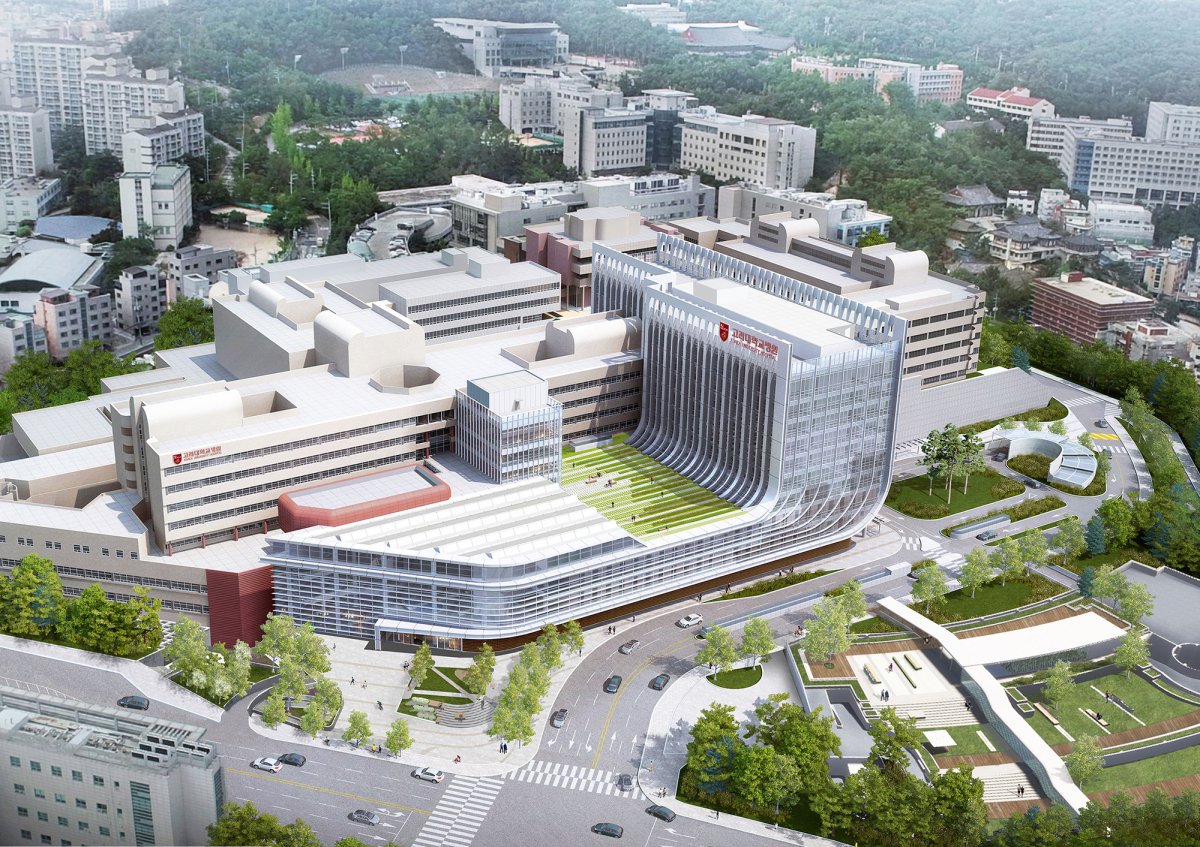
رؤية خبراء Bookimed: يجب على المرضى الذين يسعون للحصول على نتائج جراحية عالية الدقة التفكير في مراكز الأورام التي تعتمد على الروبوتات. يستخدم مستشفى جامعة كوريا أنام (Korea University Anam Hospital) أنظمة روبوتية متطورة لتقليل الندبات وفقدان الدم. بالنسبة للحالات المعقدة التي تحتاج إلى مراقبة رقمية متكاملة، يستخدم مستشفى جامعة سيول الوطنية بوندانغ (SNUBH) نظام BESTcare لتعزيز السلامة. توفر المرافق المعتمدة من اللجنة الدولية المشتركة (JCI) مثل مستشفى سيفيرانس (Severance Hospital) خبرة متعددة التخصصات للمرضى الدوليين بأسعار تنافسية.
| كوريا الجنوبية | تركيا | إسبانيا | |
|---|---|---|---|
| العلاج الكيميائي لسرطان الثدي | من $3,000 | من $3,000 | من $1,700 |
| العلاج الإشعاعي للساركوما | ≈ $9,000 | من $5,000 | من $9,000 |
| العلاج الإشعاعي لسرطان القولون والمستقيم | ≈ $9,000 | من $5,000 | من $7,500 |
| Gamma Knife جاما نايف | من $10,000 | من $5,500 | من $24,900 |
مزاياك وضماناتك مع Bookimed
أسعار مباشرة
Bookimed لا يضيف رسوماً إضافية على أسعار علاج الساركوما العظمية العظمية. الأسعار مأخوذة من قوائم الأسعار الرسمية للعيادات. تدفع مباشرة في العيادة مقابل علاجك عند وصولك إلى البلد.
عيادات وأطباء معتمدون فقط
Bookimed ملتزم بسلامتك. نحن نعمل فقط مع المؤسسات الطبية التي تحافظ على معايير دولية عالية في علاج الساركوما العظمية العظمية ولديها التراخيص اللازمة لخدمة المرضى الدوليين في جميع أنحاء العالم.
مساعدة مجانية على مدار الساعة
Bookimed يقدم مساعدة خبراء مجانية. منسق طبي شخصي يدعمك قبل وأثناء وبعد العلاج، ويحل أي مشاكل. لن تكون وحيداً أبداً في رحلة علاج الساركوما العظمية العظمية.

منسقك الطبي الشخصي في Bookimed
- يدعمك في كل مرحلة
- المساعدة في اختيار العيادة الطبية المناسبة والطبيب المناسب
- يضمن الوصول السريع والمريح إلى المعلومات
اكتشف أفضل الساركوما العظمية العظمية العيادات في كوريا الجنوبية: 7 خيارات معتمدة والأسعار












مشاركة المحتوى
قصص فيديو من مرضى Bookimed
 Anna Leonova
أسئلة متكررة حول علاج الساركوما العظمية العظمية في كوريا الجنوبية
ما هي أفضل المستشفيات في كوريا الجنوبية لعلاج الساركوما العظمية؟
تشمل أفضل المستشفيات الكورية الجنوبية لعلاج الساركوما العظمية مركز أسان الطبي، ومستشفى سيفيرانس، ومركز سامسونج الطبي. توفر هذه المراكز رعاية معتمدة من اللجنة الدولية المشتركة (JCI). وهي تقدم علاجاً متعدد التخصصات يشمل طب الأورام العظمي، والعلاج بالأيونات الثقيلة، وجراحة الحفاظ على الأطراف. وتسهل معظمها عمليات إعادة البناء المعقدة في وحدات متخصصة في الساركوما.
- مركز أسان الطبي: أكبر منشأة متعددة التخصصات. يجري أكثر من 65,000 عملية جراحية سنوياً.
- مستشفى سيفيرانس: تقدم هذه المؤسسة المعتمدة من JCI علاجاً متخصصاً بالأيونات الثقيلة. تستهدف هذه التكنولوجيا الأورام المقاومة للعظام.
- مركز سامسونج الطبي: يتميز بمركز شامل للسرطان. يستخدم أنظمة روبوتية من نوع نوفاليس ودا فينشي.
- مستشفى جامعة سيول الوطنية في بوندانغ: أول مستشفى رقمي في كوريا. يستخدم نظام BESTcare للسلامة.
رؤية خبير Bookimed: بينما يبحث العديد من المرضى العالميين عن الأورام العامة، تكمن قوة كوريا الجنوبية في مراكز الرعاية الثالثية ذات الحجم الكبير. يعالج مركز سامسونج الطبي ومركز أسان الطبي معاً أكثر من 2,000,000 مريض سنوياً. يضمن هذا النطاق الهائل احتفاظ الجراحين بكفاءة عالية في الحالات النادرة مثل ساركوما العظام. نوصي باختيار المستشفيات الجامعية في سيول لأنها تدمج علم الأمراض وإعادة بناء الأطراف في موقع واحد.
إجماع المرضى: يؤكد المرضى على أهمية الذهاب مباشرة إلى مركز أكاديمي كبير في سيول. ويشيرون إلى أن وجود فريق متخصص في طب الأورام العظمي لإعادة بناء الأطراف هو
ما هي أنواع العلاج المتاحة في كوريا لسرطان العظام (Osteosarcoma)؟
يستخدم علاج سرطان العظام في كوريا بشكل أساسي نهجاً متعدد التخصصات يجمع بين جراحة الحفاظ على الأطراف، والعلاج الكيميائي المساعد، والإشعاع المتقدم. تتخصص المراكز الرائدة في سيول في تقنيات الحفاظ على الأعضاء. تستخدم هذه المرافق بروتوكولات معتمدة من قبل اللجنة الدولية المشتركة (JCI) لزيادة وظائف المفاصل وتحقيق معدلات بقاء عالية للمرضى من الأطفال والبالغين.
- الطرق الجراحية: يعطي الجراحون الأولوية لاستئصال الأطراف مع الحفاظ عليها باستخدام إعادة البناء الاصطناعي أو تطعيم العظام.
- بروتوكولات العلاج الكيميائي: يشمل العلاج أنظمة دوائية مكثفة قبل وبعد الجراحة لاستهداف الخلايا السرطانية.
- تكنولوجيا الإشعاع: تستخدم المراكز المتقدمة أنظمة Novalis والعلاج الإشعاعي الموجه بالصور للاستهداف الدقيق.
- الأنظمة الروبوتية: تستخدم مستشفيات مثل مستشفى جامعة كوريا أنام نظام دافنشي لجراحات السرطان المعقدة.
رؤية خبير Bookimed: تتركز البنية التحتية لكوريا لعلاج سرطان العظام في مراكز رقمية ضخمة. يدير مستشفى جامعة سيول الوطنية ومستشفى سيفيرانس أكثر من 1,500,000 مريض سنوياً. يسمح هذا الحجم الكبير لفرق أورام العظام بالتخصص في إجراءات نادرة مثل عمليات إعادة البناء بمساعدة الروبوت. يستفيد المرضى من هذه الخبرة المتخصصة التي غالباً ما تكون غير متوفرة في المستشفيات الإقليمية الأصغر.
إجماع المرضى: يعطي المرضى الأولوية للعثور على جراحين ذوي خبرة في تقنيات الحفاظ على الأطراف لضمان أفضل قدرة على الحركة بعد التعافي. ويؤكدون على أهمية إعادة التأهيل المبكر لاست
ما مدى سرعة الحصول على تشخيص في كوريا الجنوبية؟
في كوريا الجنوبية، يتلقى المرضى عادةً تشخيصاً طبياً نهائياً في غضون 1 إلى 7 أيام. يتم الانتهاء من الاختبارات الحرجة مثل الأشعة المقطعية (CT) في غضون 48 ساعة. توفر العديد من المستشفيات في سيول نتائج التصوير بالرنين المغناطيسي (MRI) في نفس اليوم. عادةً ما يتم الانتهاء من التقييمات الأورام الشاملة للحالات المعقدة مثل ساركوما العظام في غضون أسبوع واحد.
- كفاءة التصوير: يتم الانتهاء من تقارير الأشعة المقطعية في غضون 2 إلى 48 ساعة بعد الفحص.
- التشخيص المتقدم: تستخدم المستشفيات الرقمية مثل SNUBH أنظمة لتقديم النتائج في غضون يوم عمل واحد.
- الاستشارات المتخصصة: يمكن للمرضى مقابلة أطباء الأورام وجراحي العظام في غضون أسبوع واحد من الاتصال الأولي.
- تحاليل الدم السريعة: غالباً ما تكون نتائج تحاليل الدم المخبرية القياسية جاهزة في أقل من ساعتين.
رؤية خبير Bookimed: تظهر البيانات أن المراكز الثالثية في سيول مثل مركز أسان الطبي تدير أكثر من 11,000 مريض خارجي يومياً. هذا الحجم الهائل يعزز الكفاءة. في حين أن جراحة العظام العامة قد يكون لها أوقات انتظار، فإن اختيار مركز به قسم مخصص لأورام العظام يمكن أن يقلص الجدول الزمني للتشخيص بشكل كبير. تستخدم هذه المؤسسات أنظمة رقمية متكاملة لمشاركة نتائج علم الأمراض والتصوير بين الأقسام بشكل فوري.
إجماع المرضى: يلاحظ المرضى أن التشخيص يتسارع بمجرد الاشتباه في الإصابة بالسرطان. من الضروري إحضار جميع الفحوصات السابقة لتجنب تكرار خطوات التصوير الأساسية.
هل يوجد أطباء متخصصون في ساركوما العظام في كوريا الجنوبية؟
تضم كوريا الجنوبية أطباء أورام عظام متخصصين للغاية في مراكز معتمدة من قبل JCI في سيول. يقود خبراء مثل الدكتور ميونغ-تشول لي في مستشفى جامعة سيول الوطنية (SNUH) فرقاً متعددة التخصصات. يركز هؤلاء المتخصصون على سرطان العظام، ويقدمون جراحات متقدمة للحفاظ على الأطراف وإعادة بناء معقدة للمرضى الدوليين.
- أقسام متخصصة: تتميز مراكز مثل مركز سامسونج الطبي بوجود مراكز شاملة مخصصة للسرطان.
- خبرة عالية الحجم: يجري مركز أسان الطبي أكثر من 65,000 عملية جراحية سنوياً للحالات المعقدة.
- دقة التشخيص: يستخدم المتخصصون ومضات العظام والمراجعة النسيجية المرضية لتحديد مرحلة الساركوما بدقة.
- تكنولوجيا متقدمة: تدمج المرافق تقنيات نوفاليس والعلاج الإشعاعي الموجه بالصور لعلاج الأورام المستهدف.
رؤية خبير Bookimed: يعد حجم المرضى مؤشراً موثوقاً للخبرة في كوريا. تخدم مستشفيات مثل سيفيرانس 1.6 مليون مريض خارجي سنوياً. يسمح هذا النطاق الهائل للجراحين بالتخصص بشكل مكثف في حالات نادرة مثل ساركوما العظام. اختيار هذه المرافق ذات الحجم الكبير يضمن الوصول إلى متخصصين يركزون حصرياً على أورام العظام.
إجماع المرضى: يؤكد المرضى على ضرورة البحث عن أطباء أورام العظام بدلاً من أطباء العظام العامين. ويشيرون إلى أن تقنية الخزعة في مراكز سيول تؤثر بشكل كبير على النتائج الجراحية طويلة المدى.
ما هي تقنيات التصوير المستخدمة للتشخيص وتخطيط العلاج؟
تستخدم مراكز الأورام في كوريا الجنوبية التصوير عالي الدقة لتحديد مرحلة الساركوما العظمية وتخطيط جراحات الحفاظ على الأطراف. تشمل بروتوكولات التشخيص عادةً التصوير بالرنين المغناطيسي لتقييم الورم الموضعي والتصوير المقطعي المحوسب للصدر لمراقبة النقائل الرئوية. يحدد التصوير المقطعي بالإصدار البوزيتروني/المقطعي المحوسب الهجين وومضان العظام الآفات الهيكلية البعيدة داخل المرافق المعتمدة من قبل اللجنة الدولية المشتركة (JCI).
- التصوير بالرنين المغناطيسي: يحدد هوامش الورم وتورط نخاع العظم أو الأنسجة الرخوة القريبة.
- التصوير المقطعي المحوسب: يوفر مناظر مقطعية مفصلة للعظام ويفحص الرئتين بحثًا عن أورام ثانوية.
- ومضان النظائر المشعة: تحدد مسوحات العظام النشاط الأيضي لاكتشاف آفات هيكلية إضافية في أماكن أخرى.
- التكنولوجيا الموجهة بالصور: تستخدم أنظمة مثل IGRT التصوير في الوقت الفعلي لتركيز الإشعاع على مواقع الورم.
رؤية خبير Bookimed: تحافظ المستشفيات الكورية الكبرى مثل مركز أسوان الطبي ومركز سامسونج الطبي على أحجام جراحية هائلة، حيث تجري أكثر من 45,000 إلى 65,000 عملية سنويًا. يسمح هذا الإنتاج المرتفع بسير عمل تصوير مدفوع بالبروتوكولات حيث يتم دمج النتائج في أنظمة رقمية مثل نظام BESTcare في SNUBH للتخطيط الجراحي الفوري.
إجماع المرضى: يلاحظ المرضى أن المستشفيات الكبرى تتحرك بسرعة كبيرة فيما يتعلق بالتصوير بمجرد ظهور الأعراض. يؤكد الكثيرون على أهمية الاحتفاظ بنسخ رقمية من جميع الفحوصات لتسهيل الحصول على آراء ثانية أكثر سلاسة خلال رحلة