علاج السرطان الغدي في كوريا الجنوبية: 11 مستشفيات


تمت مراجعة المقالة طبيا من قبل
فهد مولود
كيف نعمل؟
ما هي تكلفة السرطان الغدي إجراءات التشخيص والعلاج في كوريا الجنوبية؟ اعرف الآن
من $800. تعتمد النفقات الإجمالية على العضو الأساسي المصاب، ومرحلة السرطان، واستخدام التكنولوجيا الروبوتية مثل نظام دافنشي (Da Vinci). يمكن للمرضى توفير ما يقرب من 30-50% مقارنة بالولايات المتحدة. تشمل أفضل المدن لهذا العلاج سيول وإنشيون.
تكاليف علاج السرطان الغدي النموذجية في جمهورية كوريا
- استشارة طبيب الأورام: $50 – $75
- مراجعة الأنسجة المرضية: من $350
- مسح PET/CT: من $800
- مسح CT: $300 – $310
- جراحة سرطان الرئة: من $22,000
- استئصال البروستاتا الروبوتي بنظام دافنشي: من $18,000
- جراحة ويبل (Whipple): $28,000 – $40,000
- سايبر نايف (CyberKnife): $14,000 – $19,000
- العلاج بحزمة البروتون: $22,000 – $45,000
- العلاج الإشعاعي الموضعي (Brachytherapy): $6,500 – $11,000
رؤية خبراء Bookimed: يستفيد المرضى الذين يحتاجون إلى دقة متقدمة من البنية التحتية عالية التقنية في سيول. يستخدم مركز سامسونج الطبي أنظمة نوفاليس (Novalis) ودافنشي (Da Vinci) لحالات الأورام المعقدة. بالنسبة للمريضات، يوفر مركز إيهوا الطبي الجامعي (Ewha Womans University Medical Center) رعاية متخصصة تركز على النتائج التجميلية. الحالات شديدة التعقيد هي الأنسب لمستشفى جامعة سيول الوطنية، الذي يحمل أعلى إحصائيات لعلاج السرطان في البلاد.
| كوريا الجنوبية | تركيا | إسبانيا | |
|---|---|---|---|
| سايبر نايف CyberKnife | ≈ $14,000 | من $4,900 | من $14,800 |
| جراحة سرطان الرئة | من $22,000 | من $8,500 | من $29,900 |
| الموجات الفوق صوتية عالية التكثيف المركزة HIFU | ≈ $6,500 | من $10,000 | من $8,000 |
| العلاج بالبروتون (انظر العلاج بحزم البروتون) | ≈ $22,000 | من $25,000 | من $43,300 |
| العلاج الكيميائي داخل الصفاق مفرط الحرارة (HIPEC) | من $18,000 | من $18,000 | من $82,000 |
اكتشف أفضل السرطان الغدي العيادات في كوريا الجنوبية: 11 خيارات معتمدة والأسعار













احصلوا على تقييم طبي لـ السرطان الغدي في كوريا الجنوبية: استشيروا أطباء ذوي خبرة الآن
عرض جميع الأطباء
Lee Kwang Beom
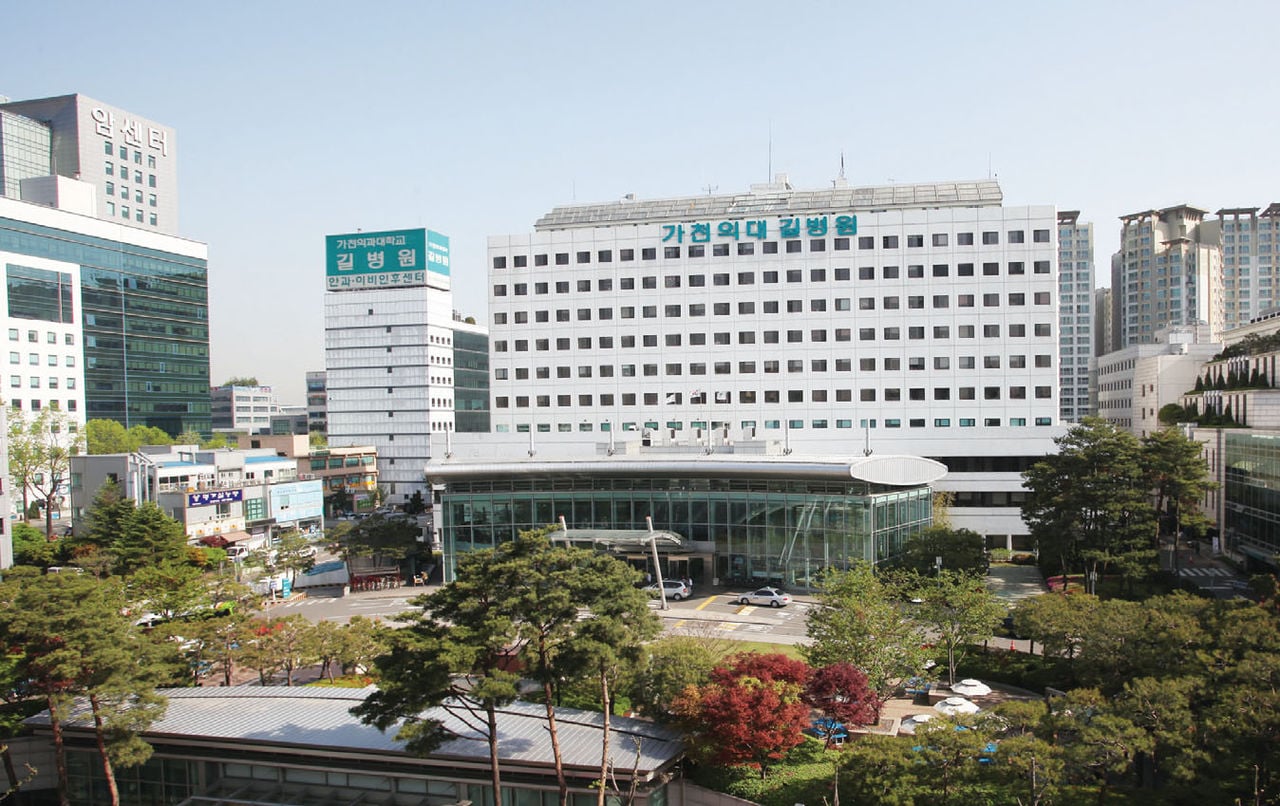
الدكتور لي كوانغ بوم هو أخصائي أورام نسائية متخصص في جراحة المناظير في مركز جامعة غاشون جيل الطبي.
- التخصص في عمليات المناظير لعلاج السرطان
- التركيز بشكل خاص على حالات أورام النساء
- تطبيق تقنيات الجراحة طفيفة التوغل

Koon Ho Rha
يتخصص الدكتور را، أخصائي المسالك البولية وجراح الأورام، في الجراحات بالمنظار والجراحات الروبوتية في مستشفى سيفيرانس.
- يركز على علاج أنواع السرطان مثل السرطان الغدي
- يجري إجراءات جراحية طفيفة التوغل
- خبير في تقنيات الجراحة الروبوتية المتقدمة

Jeong Ah Kim
تعمل الدكتورة جيونغ آه كيم في مستشفى سيفيرانس، وهي مؤسسة رائدة معروفة في مجال الأورام.
- أخصائية أورام متخصصة في السرطان الغدي (أدينوكارسينوما)
- تعمل في مركز رائد لعلاج السرطان
- إمكانية الوصول إلى أحدث خدمات الرعاية متعددة التخصصات

Lee Won Suk
متخصص في جراحات الأمعاء بالمنظار، يعالج البروفيسور لي وون سوك سرطان المستقيم والقولون في مركز جيل الطبي بجامعة غاشون.
- خبير في عمليات الشرج طفيفة التوغل
- عضو الجمعية الدولية لجراحي القولون والمستقيم الجامعيين
- عضو في الجمعية الأمريكية لجراحي البطن
- عضو في الجمعية الأوروبية لجراحة القولون والمستقيم
المراجعات
جميع المراجعاتمشاركة المحتوى
قصص فيديو من مرضى Bookimed
 Anna Leonova
أسئلة متكررة حول علاج السرطان الغدي في كوريا الجنوبية
ما هي أفضل المستشفيات في كوريا الجنوبية لعلاج السرطان الغدي (Adenocarcinoma)؟
تشمل أفضل المستشفيات الكورية الجنوبية لعلاج السرطان الغدي مركز سامسونج الطبي، ومركز أسان الطبي، ومستشفى جامعة سيول الوطنية. تُصنف هذه المرافق المعتمدة من قبل اللجنة الدولية المشتركة (JCI) ضمن أفضل 10 مراكز في العالم في مجال الأورام. وهي تستخدم الجراحة الروبوتية والعلاج بالبروتون لعلاج سرطانات الرئة والمعدة والقولون والمستقيم.
- مركز سامسونج الطبي: يحتل المرتبة الثالثة عالمياً في مجال الأورام. يعالج أكثر من 2 مليون مريض سنوياً.
- مركز أسان الطبي: يحتل المرتبة الرابعة عالمياً. يجري أكثر من 65,000 عملية جراحية سنوياً بنسبة نجاح عالية.
- مستشفى سيفيرانس: يضم أكثر من 2,000 طبيب. كان رائداً في الجراحة الروبوتية للسرطان الغدي في آسيا.
- جامعة كوريا أنام: متخصص في تقنيات الجراحة الروبوتية الأولى من نوعها في العالم لسرطان الغدة الدرقية والمثانة.
رؤية خبير Bookimed: تشير البيانات إلى التركيز على المستشفيات الخمس الكبرى في سيول لحالات السرطان الغدي المعقدة. تدير هذه المراكز ذات الحجم الكبير، مثل مركز أسان الطبي، أكثر من 11,000 مريض خارجي يومياً. غالباً ما يرتبط هذا الحجم الهائل بمعدلات نجاح أعلى. على سبيل المثال، يبلغ مركز سامسونج الطبي عن معدل بقاء على قيد الحياة لمدة خمس سنوات بنسبة 63.6% لسرطان الرئة. وهذا يتجاوز بشكل كبير العديد من المعايير العالمية.
إجماع المرضى: يشير المرضى إلى أن المستشفيات الخمس الكبرى تقدم نتائج متفوقة للحالات في المراحل المتأخرة. يقترح الكثيرون الاستعانة بمترجم لأن إتقان اللغة الإنجليزية يختلف بين موظفي ا
ما هي التقنيات المتقدمة المستخدمة لعلاج السرطان الغدي (Adenocarcinoma) في كوريا؟
تستخدم كوريا الجنوبية تقنيات دقيقة مثل نظام دا فينشي الجراحي، وسايبر نايف (CyberKnife)، والعلاج بالبروتون لعلاج السرطان الغدي. توظف المستشفيات الرائدة الذكاء الاصطناعي (AI) وأسراب النانوبوت لاستهداف الخلايا الخبيثة. تسمح هذه الابتكارات للأطباء بإجراء عمليات معقدة بنجاح عالٍ وأقل قدر من تلف الأنسجة.
- الأنظمة الروبوتية: يتيح نظام دا فينشي جراحة طفيفة التوغل لسرطان البروستاتا والثدي الغدي.
- العلاج الإشعاعي: يستهدف العلاج بالبروتون وسايبر نايف الأورام مع الحفاظ على الأعضاء السليمة المحيطة.
- تشخيص الذكاء الاصطناعي: تستخدم المستشفيات أنظمة مدعومة بالذكاء الاصطناعي مثل POLARIS لإنشاء خطط علاج مخصصة.
- تكنولوجيا النانو: تقوم النانوبوت الموجهة مغناطيسياً بتوصيل الأدوية أو الحرارة مباشرة إلى الأورام في بوسان.
رؤية خبير Bookimed: أدى تخصص مستشفى جامعة كوريا أنام في الجراحة الروبوتية إلى ابتكارات عالمية أولى، بما في ذلك إعادة بناء الثدي الروبوتية. بينما تقدم العديد من العيادات أنظمة روبوتية، تتميز هذه المنشأة بتطبيق هذه التقنيات في عمليات إعادة البناء المعقدة، وليس فقط إزالة الأورام. هذا المستوى من المهارة التقنية غالباً ما يسمح للمرضى بالتعافي بشكل أسرع بكثير من الجراحة المفتوحة التقليدية.
إجماع المرضى: يشير المرضى إلى أن الجراحة الروبوتية في مراكز سيول ذات الكثافة العالية غالباً ما تؤدي إلى إقامة في المستشفى لمدة يوم واحد. كما يؤكدون على استخدام التنظير الموجه بالذكاء الاصطناعي لاكتشاف السرطان الغدي القولوني المستقيمي في مرحلة
كيف تقارن معدلات البقاء على قيد الحياة في كوريا بالدول الأخرى؟
تحافظ كوريا الجنوبية على معدل بقاء إجمالي لمدة خمس سنوات لمرضى السرطان بنسبة 73.7%، متجاوزة معظم دول منظمة التعاون الاقتصادي والتنمية. غالبًا ما يتفوق العلاج المتخصص للسرطان الغدي على النتائج في الدول الغربية. على سبيل المثال، تصل نسبة البقاء على قيد الحياة لسرطان المعدة إلى حوالي 70% في كوريا. وهذا يتناقض مع معدلات أقل بكثير في الدول الغربية.
- سرطانات الجهاز الهضمي: تقود كوريا منظمة التعاون الاقتصادي والتنمية في نتائج البقاء على قيد الحياة لسرطان المعدة والقولون والمستقيم.
- سرطان الرئة: تصل نسبة البقاء على قيد الحياة إلى 25.1%، وهي أعلى بكثير من المتوسط العالمي البالغ 17.2%.
- تأثير الفحص: تساعد برامج الفحص الإلزامية كوريا على تحقيق نسبة بقاء 90% للسرطان الغدي المعدي في المرحلة الأولى.
- النجاح في المراحل المبكرة: تبلغ نسبة البقاء على قيد الحياة للسرطان الغدي الرئوي في المرحلة الثانية 85% مقارنة بـ 65% في أوروبا.
رؤية خبراء Bookimed: تنبع ريادة كوريا في معدلات البقاء على قيد الحياة من أحجام المرضى الهائلة في المراكز المتخصصة. يخدم مركز أسان الطبي وحده أكثر من 11,800 مريض خارجي يوميًا. تسمح هذه الكثافة للجراحين بإجراء أكثر من 65,000 عملية جراحية سنويًا. ترتبط هذه الترددات العالية ارتباطًا مباشرًا بمعدل النجاح البالغ 90% المبلغ عنه لعمليات زراعة الأعضاء المعقدة.
إجماع المرضى: يشير المرضى إلى أن الفحص المبكر هو السبب الرئيسي لارتفاع معدلات البقاء على قيد الحياة في كوريا. يؤكد الكثيرون أنه على الرغم من أن العلاج في المراح
هل يمكن للمرضى الدوليين الوصول إلى هذه العلاجات؟
يمكن للمرضى الدوليين الوصول إلى علاجات متقدمة للسرطان الغدي (adenocarcinoma) في المراكز الطبية الكبرى في جمهورية كوريا. توفر مرافق مثل مركز سامسونج الطبي ومستشفى سيفيرانس جراحة روبوتية، وعلاجاً بالبروتونات، وتقنية HIPEC. تعمل الأقسام الدولية المخصصة على تبسيط إجراءات التأشيرة، والترجمة، والتنسيق لرعاية الأورام المتخصصة.
- معايير الاعتماد: تحافظ المراكز على شهادات JCI وKOIHA وISO لضمان السلامة.
- تقنيات متخصصة: تستخدم المرافق تقنيات Novalis وCyberKnife ونظام دا فينشي الجراحي.
- حجم كبير للمرضى: يعالج مستشفى سيفيرانس حوالي 4,000,000 مريض كل عام.
- جراحات معقدة: أجرى مستشفى جامعة كوريا أنام أول جراحة روبوتية للغدة الدرقية عن طريق الفم.
رؤية خبير Bookimed: تدير مراكز الأورام في كوريا الجنوبية أعداداً هائلة من المرضى، حيث يستقبل بعض المستشفيات أكثر من 10,000 مريض يومياً. يسمح هذا النطاق لعيادات مثل مركز أسان الطبي بالحفاظ على أكثر من 2,700 سرير وإجراء أكثر من 65,500 عملية سنوياً. بالنسبة لمرضى السرطان الغدي، غالباً ما يترجم هذا العدد الكبير من الحالات إلى دقة جراحية فائقة والوصول إلى علاجات متخصصة مثل HIFU في العيادات المتخصصة.
إجماع المرضى: يشير المرضى إلى أنه على الرغم من أن المستشفيات الكورية تقدم تكنولوجيا من الدرجة الأولى، فإن استخدام وسيط طبي مهم لإدارة حواجز اللغة والخدمات اللوجستية. يؤكد الكثيرون أن الأجنحة الخاصة توفر وصولاً أسرع إلى المتخصصين ولكنها تتطلب تخطيطاً مالياً واضحاً للتكاليف التي يتم دفعها من الجيب.