مرحلة سرطان الكبد 3 العلاج في كوريا الجنوبية - التكاليف 2026


تمت مراجعة المقالة طبيا من قبل
فهد مولود
ما هي تكلفة مرحلة سرطان الكبد 3 إجراءات التشخيص والعلاج في كوريا الجنوبية؟ اعرف الآن
تتضمن تكلفة علاج سرطان الكبد في المرحلة الثالثة في جمهورية كوريا عادةً التشخيصات الأساسية مثل استشارة طبيب الأورام، والتي تتراوح ما بين $50 إلى $75. من $3,000. تعتمد النفقات الإجمالية على حجم الورم، واختيار العلاج الجهازي أو الموضعي، ومستوى المستشفى. يمكن للمرضى تحقيق وفورات تتراوح بين 30-50% مقارنة بالولايات المتحدة. تشمل أفضل المدن لهذا العلاج سيول وسيونغنام.
تكاليف علاج سرطان الكبد في المرحلة الثالثة في جمهورية كوريا
- استشارة طبيب الأورام: $50 – $75
- تصوير مقطعي للصدر: من $230
- العلاج الكيميائي: من $3,000
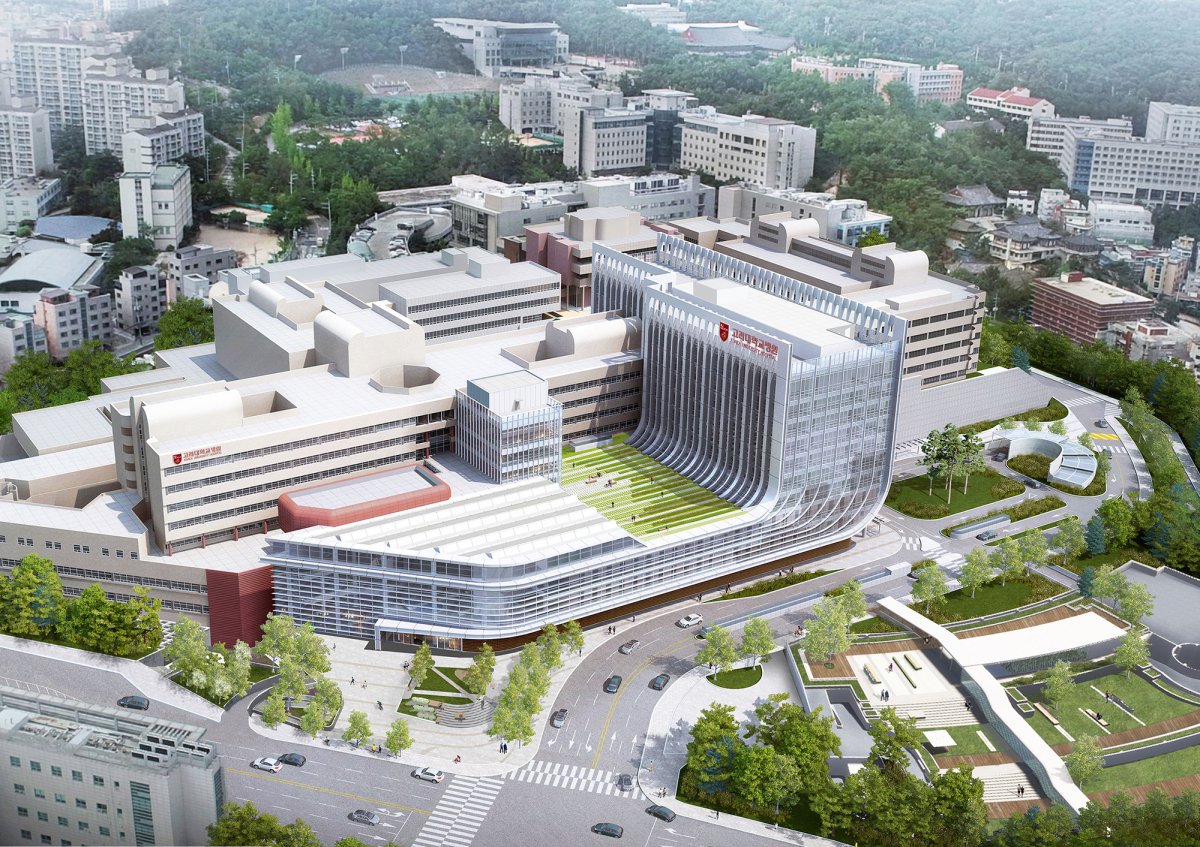
رؤية خبراء Bookimed: يستفيد مرضى المراحل المتقدمة بشكل أكبر من المراكز متعددة التخصصات مثل مركز أسان الطبي (Asan Medical Center). حيث يحافظ المركز على معدل نجاح في زراعة الأعضاء بنسبة 90% ويستخدم تقنيات التشخيص المدعومة بالذكاء الاصطناعي. بالنسبة للحالات المعقدة، يُعد مستشفى جامعة سيول الوطنية (SNUH) خياراً مثالياً، حيث يسجل أعلى إحصائيات لعلاج السرطان في كوريا الجنوبية. كما توفر المرافق الحاصلة على اعتماد اللجنة الدولية المشتركة (JCI) مثل مستشفى جامعة كوريا أنام (Korea University Anam Hospital) قيمة ممتازة لأولئك الذين يعطون الأولوية للجراحة الروبوتية وتقليل فقدان الدم.
| كوريا الجنوبية | تركيا | إسبانيا | |
|---|---|---|---|
| العلاج الكيميائي لسرطان الثدي | من $3,000 | من $3,000 | من $1,700 |
| العلاج الإشعاعي لسرطان القولون والمستقيم | ≈ $9,000 | من $5,000 | من $7,500 |
مزاياك وضماناتك مع Bookimed
أسعار مباشرة
Bookimed لا يضيف رسوماً إضافية على أسعار علاج مرحلة سرطان الكبد 3. الأسعار مأخوذة من قوائم الأسعار الرسمية للعيادات. تدفع مباشرة في العيادة مقابل علاجك عند وصولك إلى البلد.
عيادات وأطباء معتمدون فقط
Bookimed ملتزم بسلامتك. نحن نعمل فقط مع المؤسسات الطبية التي تحافظ على معايير دولية عالية في علاج مرحلة سرطان الكبد 3 ولديها التراخيص اللازمة لخدمة المرضى الدوليين في جميع أنحاء العالم.
مساعدة مجانية على مدار الساعة
Bookimed يقدم مساعدة خبراء مجانية. منسق طبي شخصي يدعمك قبل وأثناء وبعد العلاج، ويحل أي مشاكل. لن تكون وحيداً أبداً في رحلة علاج مرحلة سرطان الكبد 3.

منسقك الطبي الشخصي في Bookimed
- يدعمك في كل مرحلة
- المساعدة في اختيار العيادة الطبية المناسبة والطبيب المناسب
- يضمن الوصول السريع والمريح إلى المعلومات
اكتشف أفضل مرحلة سرطان الكبد 3 العيادات في كوريا الجنوبية: 6 خيارات معتمدة والأسعار











احصلوا على تقييم طبي لـ مرحلة سرطان الكبد 3 في كوريا الجنوبية: استشيروا أطباء ذوي خبرة الآن
عرض جميع الأطباء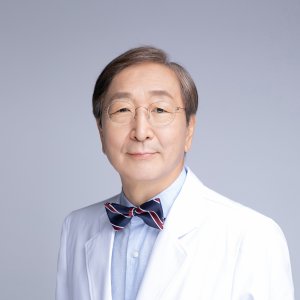
Lee Seok Gu
يعد الأستاذ الدكتور لي سيوك-غو جراحاً رائداً في مجال زراعة الكبد في مستشفى ميونغجي، حيث أجرى حوالي 2000 عملية زراعة كبد. وقد حقق أول عملية زراعة كبد بدون نقل دم في كوريا، كما أجرى عملية زراعة خلايا كبدية لرضيع يبلغ من العمر شهراً واحداً. وقاد أول استخدام سريري للكبد الحيوي الاصطناعي لعلاج فشل الكبد الحاد، بالإضافة إلى إجرائه عمليات زراعة من متبرعين أحياء في مصر وتدريبه لفرق طبية في فيتنام.
يشغل منصب أستاذ الجراحة في مستشفى ميونغجي، وهو المدير السابق لمركز زراعة الأعضاء في مركز سامسونج
مشاركة المحتوى
قصص فيديو من مرضى Bookimed
 Anna Leonova
أسئلة متكررة حول علاج مرحلة سرطان الكبد 3 في كوريا الجنوبية
ما هي الأساليب العلاجية الرئيسية لسرطان الكبد في المرحلة الثالثة في كوريا الجنوبية؟
تتعامل المراكز الكورية الجنوبية مع سرطان الكبد في المرحلة الثالثة باستخدام بروتوكولات متعددة الوسائط قوية. غالباً ما تجمع فرق الأورام بين الاستئصال الجراحي، والكيماوي الشرياني عبر الجلد، والعلاجات الجهازية. وتُبلغ المرافق عالية التخصص مثل مركز أسان الطبي عن معدلات نجاح تصل إلى 90% في عمليات زراعة الأعضاء. تعطي خطط العلاج الأولوية للحفاظ على وظائف الكبد المتبقية.
- الاستئصال الجراحي: يقوم الجراحون بإزالة الأورام حتى مع وجود غزو وعائي إذا كانت محصورة في فص واحد.
- الانصمام (TACE): إجراء قابل للتكرار يمنع تدفق الدم إلى الأورام مع تقديم علاج كيميائي موضعي.
- العلاج الجهازي المتقدم: تُستخدم تركيبات العلاج المناعي مثل أتيزوليزوماب مع بيفاسيزوماب للمرضى الذين يعانون من أورام غير قابلة للجراحة.
- زراعة الأعضاء من متبرع حي: خيار متخصص في عيادات مثل مستشفى سيفيرانس للحالات المحصورة في الكبد.
رؤية خبراء Bookimed: تعد كوريا الجنوبية رائدة عالمياً في علاج الأورام، حيث يجري مركز أسان الطبي أكثر من 65,000 عملية جراحية سنوياً. تُظهر البيانات أن هذه المراكز تتفوق في "تخفيض المرحلة" (downstaging) — باستخدام TACE لتقليص أورام المرحلة الثالثة حتى تصبح قابلة للجراحة. هذا التسلسل القوي هو السبب في أن المرضى غالباً ما يسعون للحصول على رأي ثانٍ هنا بعد أن قيل لهم في أماكن أخرى أن سرطانهم غير قابل للجراحة.
إجماع المرضى: يشير المرضى إلى أن علاج المرحلة الثالثة نادراً ما يكون خطوة واحدة. ويؤكدون أن التعافي بعد عدة جلسات من TACE قد يكون صعباً ولكنه
ما هي المراكز الطبية في كوريا الجنوبية الأفضل لإدارة سرطان الكبد المتقدم/العام في المرحلة الثالثة؟
تدير كوريا الجنوبية سرطان الكبد في المرحلة الثالثة من خلال مراكز أكاديمية معتمدة من اللجنة الدولية المشتركة (JCI) في سيول. توفر هذه المنشآت عمليات زرع من متبرعين أحياء، والانصمام الإشعاعي Y-90، وعلاج شعاع البروتون. يعد مركز أسوم الطبي ومستشفى جامعة سيول الوطنية رائدين في المنطقة. وهم متخصصون في الرعاية متعددة التخصصات المعقدة لسرطان الخلايا الكبدية المتقدم.
- مركز أسوم الطبي: يجري 65,000 عملية جراحية سنويًا بنسبة نجاح 90% في عمليات زراعة الكبد.
- مستشفى سيفيرانس: منشأة معتمدة من JCI توفر تخطيط علاج معقد وآراء ثانية.
- مستشفى SNU Bundang: يستخدم نظام BESTcare الرقمي لإدارة الأورام الدقيقة القائمة على البيانات.
- مستشفى أنام: متخصص في جراحة السرطان الروبوتية وتقنيات نقل الدم بالحد الأدنى.
رؤية خبير Bookimed: تتبع رعاية سرطان الكبد المتقدمة في سيول نموذجًا ذو حجم كبير. يعالج مركز أسوم الطبي وحده أكثر من 2,500 مريض داخلي يوميًا. يضمن هذا الحجم الهائل حفاظ الجراحين على خبرتهم في عمليات الاستئصال التقنية. تظهر البيانات أن المستشفيات الجامعية مثل SNUH تقدم مجالس أورام متعددة التخصصات أقوى من العيادات الخاصة الصغيرة. هذا النهج التعاوني حيوي لتحديد مراحل المرض المعقد في المرحلة الثالثة بشكل صحيح.
إجماع المرضى: يؤكد المرضى أن خبرة الأشعة التداخلية لا تقل أهمية عن المهارة الجراحية. يلاحظ الكثيرون أن إعداد السجلات الطبية المترجمة قبل الوصول يسرع بشكل كبير من عملية مراجعة مجلس الأورام المحلي.
هل تتوفر علاجات مبتكرة أو تجريبية لسرطان الكبد في المرحلة الثالثة في كوريا الجنوبية؟
تقدم كوريا الجنوبية علاجات مبتكرة لسرطان الكبد في المرحلة الثالثة من خلال مجموعات العلاج المناعي والبروتوكولات متعددة الوسائط في المراكز الأكاديمية المعتمدة من قبل اللجنة الدولية المشتركة (JCI). تستخدم المؤسسات الرائدة مثبطات نقاط التفتيش المناعية إلى جانب مثبطات الكيناز. يتمكن المرضى من الوصول إلى العلاجات التجريبية من خلال التجارب السريرية في المنشآت الكبرى التابعة للدولة في سيول.
- المجموعات المستهدفة: يستخدم الأخصائيون عقار أتيزوليزوماب مع بيفاسيزوماب لعلاج سرطان الخلايا الكبدية المتقدم.
- نمذجة التوأم الرقمي: يستخدم الباحثون في معهد KAIST نماذج الذكاء الاصطناعي لتحديد المفاتيح الجزيئية لإعادة برمجة الخلايا.
- التكامل متعدد الوسائط: تجمع المراكز بين الانصمام الكيميائي عبر الشرايين (TACE) والعلاج المناعي لإدارة الأورام بشكل شامل.
- تسجيل التجارب: عادةً ما يتم تتبع البروتوكولات التجريبية من خلال سجل التجارب السريرية الكوري (KoCTR).
رؤية خبير Bookimed: تحتفظ المستشفيات الكبرى في سيول، مثل مستشفى جامعة سيول الوطنية، بأعلى إحصائيات علاج السرطان في البلاد. يسمح هذا التركيز للبيانات والمرضى لهذه المراكز بإجراء تجارب ذات حجم كبير لا يمكن للمنشآت الأصغر القيام بها. يجب على المرضى التركيز على المراكز الأكاديمية التي تضم أكثر من 1000 سرير للحصول على الخيارات الأكثر تجريبية.
إجماع المرضى: يشير المرضى إلى أن الحصول على تقييمات في العديد من المستشفيات الجامعية الكبيرة أمر حيوي. ويؤكدون أن الوصول إلى العلاجات التجريبية يعتمد بشكل ك
هل سأكون قادراً على التواصل بسهولة مع الطاقم الطبي أثناء علاجي؟
التواصل الفعال هو المعيار في مستشفيات سيول رفيعة المستوى لعلاج سرطان الكبد. تحافظ معظم مراكز الأورام الرائدة على اعتماد اللجنة الدولية المشتركة (JCI) وتستخدم عيادات دولية مخصصة. غالباً ما تشمل الفرق الطبية متحدثين باللغة الإنجليزية بطلاقة. يتولى منسقون متخصصون الخدمات اللوجستية الحرجة مثل الوصفات الطبية وجدولة المتابعة للمرضى الدوليين.
- اختيار المستشفى: توفر المراكز الثالثية متعددة التخصصات في سيول أقوى دعم باللغة الإنجليزية.
- إمكانية الوصول اللغوي: يتحدث الأطباء الإنجليزية بشكل متكرر، بينما قد يعتمد الموظفون المساعدون على تطبيقات الترجمة.
- المنصات الرقمية: تسهل أنظمة مثل (BESTcare) في مستشفى جامعة سيول الوطنية (SNUBH) التواصل الرقمي الواضح وحفظ السجلات.
- تنسيق المرضى: تساعد الأقسام الدولية في سد الفجوات أثناء عمليات التسجيل أو التأمين المعقدة.
رؤية خبير Bookimed: تظهر بياناتنا أنه على الرغم من أن الطاقم السريري مؤهل تأهيلاً عالياً، إلا أن الجانب اللوجستي يمكن أن يكون العقبة الحقيقية. تدير مستشفيات مثل مركز أسون الطبي ومستشفى سيفيرانس آلاف المرضى الخارجيين يومياً. يعد اختيار منشأة بها عيادة دولية مخصصة أمراً حيوياً. تدير هذه الأقسام تحديداً التنسيق غير الطبي الذي قد تجد المراكز الأصغر صعوبة في توفيره باللغة الإنجليزية.
إجماع المرضى: يشير المرضى إلى أن الفروق الدقيقة الطبية يسهل مناقشتها مع أطباء الأورام، لكن الدعم المحلي يساعد في المهام الإدارية. ويؤكدون على أهمية تكرار التعليمات لضمان وضوح كل تفاصيل خطة العلاج.