علاج سرطان الحنجرة في كوريا الجنوبية: 10 مستشفيات


تمت مراجعة المقالة طبيا من قبل
فهد مولود
ما هي تكلفة سرطان الحنجرة إجراءات التشخيص والعلاج في كوريا الجنوبية؟ اعرف الآن
تبدأ تكلفة علاج سرطان الحنجرة في جمهورية كوريا عادةً بالتشخيصات الأساسية مثل مسح PET-CT التي تتراوح ما بين $1,100 إلى $1,400. من $16,000. تعتمد النفقات الإجمالية على مرحلة السرطان وتكنولوجيا المستشفى، وغالباً ما توفر وفورات بنسبة 40-60% مقارنة بالولايات المتحدة. تقع أفضل مراكز العلاج في سيول وإنتشون.
تكاليف علاج سرطان الحنجرة النموذجية في جمهورية كوريا
- مسح PET-CT: $1,100 – $1,400
- خزعة: من $370
- مراجعة الأنسجة المرضية: من $350
- استشارة طبيب أورام: $50 – $75
- تصوير مقطعي (CT) لجزء من الجسم: السعر عند الطلب
- عملية سرطان الحلق: من $16,000
- العلاج بحزمة البروتون: $22,000 – $45,000
- تصوير ومضي (Scintigraphy): من $120
- تحليل دم موسع: من $200
- تخطيط كهربائية القلب (ECG): من $30
رؤية خبير Bookimed: يستفيد المرضى الذين يحتاجون إلى إعادة بناء معقدة للرأس والرقبة من فرق متعددة التخصصات في المراكز الكبيرة في سيول. يستخدم مركز سامسونج الطبي نظام دافنشي الجراحي لإزالة الأورام بدقة وبأقل تدخل جراحي. بالنسبة للحالات المتقدمة، توفر مراكز مثل مستشفى جامعة سيول الوطنية (SNUH) أعلى إحصائيات العلاج في البلاد. يجد المرضى الدوليون قيمة في المرافق المعتمدة من قبل اللجنة الدولية المشتركة (JCI) مثل مستشفى سيفيرانس، الذي يخدم أكثر من 1.6 مليون مريض خارجي سنوياً.
| كوريا الجنوبية | تركيا | إسبانيا | |
|---|---|---|---|
| جراحة الليزر لسرطان الحنجرة | ≈ $7,500 | من $6,000 | من $8,000 |
| العلاج بالبروتون (انظر العلاج بحزم البروتون) | ≈ $22,000 | من $25,000 | من $43,300 |
| العلاج الكيميائي لسرطان الحنجرة | ≈ $6,500 | ≈ $2,800 | من $1,600 |
| العلاج الإشعاعي لسرطان الحنجرة | ≈ $14,000 | من $5,000 | من $14,000 |
| استئصال سرطان الحنجرة | من $16,000 | من $10,000 | من $25,000 |
مزاياك وضماناتك مع Bookimed
أسعار مباشرة
Bookimed لا يضيف رسوماً إضافية على أسعار علاج سرطان الحنجرة. الأسعار مأخوذة من قوائم الأسعار الرسمية للعيادات. تدفع مباشرة في العيادة مقابل علاجك عند وصولك إلى البلد.
عيادات وأطباء معتمدون فقط
Bookimed ملتزم بسلامتك. نحن نعمل فقط مع المؤسسات الطبية التي تحافظ على معايير دولية عالية في علاج سرطان الحنجرة ولديها التراخيص اللازمة لخدمة المرضى الدوليين في جميع أنحاء العالم.
مساعدة مجانية على مدار الساعة
Bookimed يقدم مساعدة خبراء مجانية. منسق طبي شخصي يدعمك قبل وأثناء وبعد العلاج، ويحل أي مشاكل. لن تكون وحيداً أبداً في رحلة علاج سرطان الحنجرة.

منسقك الطبي الشخصي في Bookimed
- يدعمك في كل مرحلة
- المساعدة في اختيار العيادة الطبية المناسبة والطبيب المناسب
- يضمن الوصول السريع والمريح إلى المعلومات
اكتشف أفضل سرطان الحنجرة العيادات في كوريا الجنوبية: 10 خيارات معتمدة والأسعار




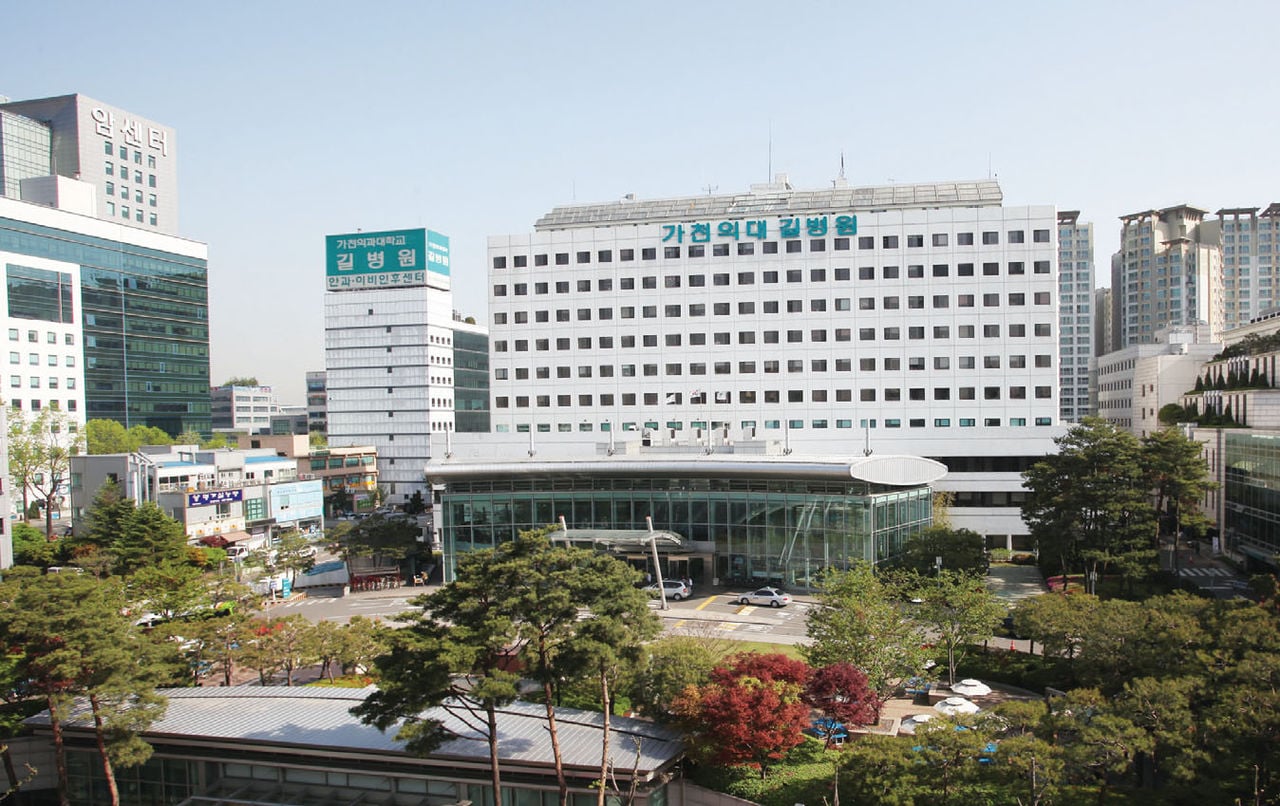




Seoul National University Hospital (SNUH)



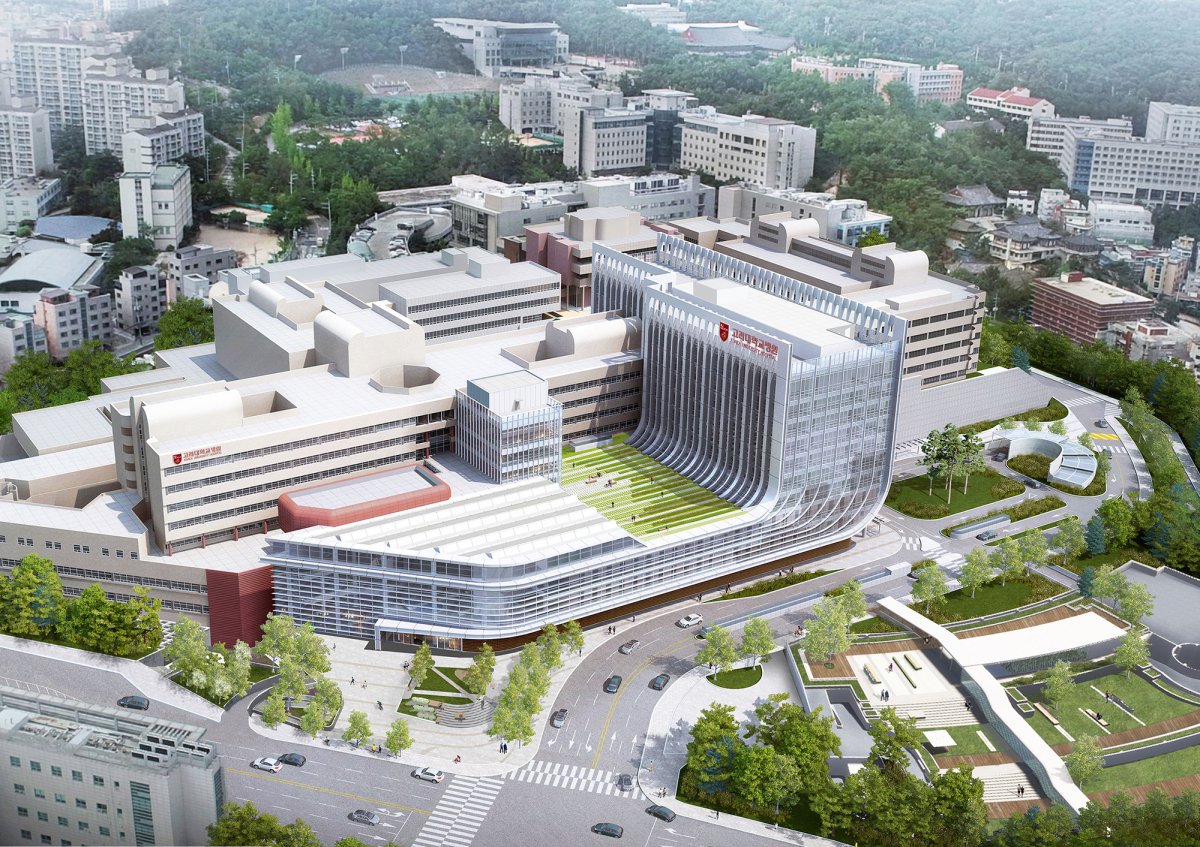
مستشفى جامعة سيول الوطنية (SNUH) هي منشأة حكومية متعددة التخصصات رائدة في عاصمة كوريا الجنوبية. هنا يتلقى رئيس الدولة العلاج.
منذ عام 2004 ، تم رقمنة SNUH بالكامل - يتم تخزين جميع البيانات المتعلقة بالمرضى في النظام الإلكتروني.
يُظهر المستشفى أعلى إحصائيات لعلاج السرطان في كوريا الجنوبية . التخصصات الرئيسية الأخرى في SNUH هي جراحة الأعصاب وجراحة القلب والأوعية الدموية وطب الأطفال وزرع الأعضاء.
يخدم مستشفى جامعة سيول 10،700 مريض يوميًا في المتوسط.
Blanche Dental Clinic
احصلوا على تقييم طبي لـ سرطان الحنجرة في كوريا الجنوبية: استشيروا أطباء ذوي خبرة الآن
عرض جميع الأطباء
An Song-yeol

Young Ik Son
يتخصص البروفيسور يونغ إيك سون حصرياً في أورام الأنف والأذن والحنجرة في مركز سامسونج الطبي.
- أستاذ طب الأنف والأذن والحنجرة مع التركيز على سرطان الحنجرة
- تابع لمركز سامسونج الطبي – مستشفى رائد في كوريا الجنوبية
- خبرة واسعة في علاج حالات الحنجرة المعقدة
Dong Lark Lee
Seung Il Chung
مشاركة المحتوى
قصص فيديو من مرضى Bookimed
 Anna Leonova
أسئلة متكررة حول علاج سرطان الحنجرة في كوريا الجنوبية
ما هي طرق العلاج المبتكرة المستخدمة لسرطان الحنجرة في كوريا الجنوبية؟
تعالج كوريا الجنوبية سرطان الحنجرة باستخدام الجراحة الروبوتية التي تحافظ على الأعضاء والإشعاع عالي الدقة. تستخدم مرافق مثل مركز سامسونج الطبي أنظمة دافنشي للإجراءات عبر الفم. تعطي هذه الطرق الأولوية للحفاظ على الكلام ووظيفة التنفس. غالبًا ما تدمج المراكز المتقدمة العلاج بالبروتون لتقليل سمية الأنسجة.
- الجراحة الروبوتية: تسمح أنظمة دافنشي بإزالة الأورام بدقة عبر الفم.
- الجراحة المجهرية بالليزر: تعمل الليزرات عالية الطاقة على استئصال الأورام مع الحفاظ على سلامة أنسجة الصوت السليمة.
- العلاج بالبروتون: يحمي الإشعاع الموجه الحبل الشوكي والغدد اللعابية الحيوية.
- الإشعاع التكيفي: تقوم الأنظمة و VMAT بتعديل الحزم يوميًا لتتناسب مع أشكال الأورام المتغيرة.
رؤية خبير Bookimed: يخدم مركز سامسونج الطبي أكثر من 2,000,000 مريض سنويًا ويحافظ على مركز شامل للسرطان من الدرجة الأولى. يسمح حجم المرضى الكبير للجراحين مثل الدكتور يونغ إيك سون بتحسين التقنيات الخاصة عبر الفم. تضمن هذه الخبرة العميقة حصول المرضى على خطط علاج مصممة خصيصًا لتجنب فغر الرغامي الدائم.
إجماع المرضى: يؤكد المرضى أن الحفاظ على صوتهم لا يقل أهمية عن العلاج نفسه. يشير الكثيرون إلى أن إعادة التأهيل المتخصصة للبلع والكلام أمر حيوي للتعافي بعد الجراحة طفيفة التوغل.
هل يمكن علاج سرطان الحنجرة في كوريا الجنوبية دون إزالة صندوق الصوت؟
يركز علاج سرطان الحنجرة في كوريا الجنوبية على الحفاظ على الأعضاء من خلال بروتوكولات سريرية متقدمة. يمكن للمرضى تجنب استئصال الحنجرة الكلي باستخدام إجراءات طفيفة التوغل أو العلاج الكيميائي الإشعاعي المتزامن. تعطي المراكز المتخصصة في سيول الأولوية للحفاظ على وظائف الصوت والبلع الطبيعية لكل من الحالات المبكرة وحالات متقدمة محددة.
- الجراحة المجهرية بالليزر: يستخدم الجراحون ليزر ثاني أكسيد الكربون لإزالة الأورام في مراحلها المبكرة مع الحفاظ على الحبال الصوتية.
- الأنظمة الروبوتية: يسمح نظام دافنشي بإزالة الأورام عن طريق الفم دون الحاجة إلى شقوق في الرقبة.
- العلاج بحزمة البروتون: يستهدف الإشعاع الدقيق الخلايا الخبيثة مع حماية الأنسجة والهياكل السليمة المحيطة بالحلق.
- استئصال الحنجرة الجزئي: يقوم الجراحون بإزالة الأجزاء المصابة فقط، مما يسمح للمرضى بالتنفس والتحدث بشكل طبيعي.
رؤية خبير Bookimed: ميزة رئيسية في كوريا الجنوبية هي الحجم الكبير للبيانات الرقمية المستخدمة للتخطيط الجراحي. يحتفظ مستشفى جامعة سيول الوطنية بسجلات إلكترونية كاملة منذ عام 2004. يساعد هذا العمق في البيانات الفرق متعددة التخصصات في مراكز مثل مركز سامسونج الطبي على تحقيق معايير رعاية صحية رئاسية. غالبًا ما يعالج أطباؤهم أكثر من 2,000,000 مريض سنويًا في جميع الأقسام. يضمن هذا الحجم الهائل من الحالات أن يحافظ الجراحون على الدقة اللازمة لتقنيات الحفاظ على الصوت.
إجماع المرضى: يشير المرضى إلى أن الآراء الثانية حيوية لأن الجراحين المختلفين قد يقترحون مسارات م
ما هو معدل نجاح علاج سرطان الحنجرة في كوريا الجنوبية؟
تحقق مراكز الأورام في كوريا الجنوبية معدلات نجاح جراحي تتراوح بين 85% إلى 90% لسرطان الحنجرة. يصل معدل البقاء على قيد الحياة لمدة 5 سنوات على المستوى الوطني إلى 69%، متجاوزاً المتوسطات العالمية. تظهر الحالات الموضعية في مراحلها المبكرة معدلات بقاء تصل إلى 91.7%. تؤكد المستشفيات الرائدة على الحفاظ على الصوت لـ 97% من المرضى المؤهلين.
- البقاء على قيد الحياة حسب المرحلة: يتراوح النجاح في المرحلة المبكرة من 84.1% إلى 91.7% مع التدخل السريع.
- التأثير التشريحي: يسجل سرطان المزمار (الحبال الصوتية) معدلات بقاء عالية تتراوح بين 79.2% و 80.2%.
- الحفاظ على الأعضاء: تحافظ البروتوكولات المتقدمة على الحنجرة في 70% من الحالات المعقدة المختارة.
- سعة المرافق: يجري مركز سامسونج الطبي 45,800 عملية سنوياً عبر وحدات الأورام المتخصصة.
رؤية خبير Bookimed: يكشف تحليل بيانات الحجم عن تركيز كبير للخبرة في سيول. يجري مركز أسان الطبي أكثر من 65,000 عملية سنوياً. يرتبط هذا الحجم الكبير من الإجراءات ارتباطاً مباشراً بمعدل نجاحهم الجراحي البالغ 90%. يجب على المرضى الذين يسعون للحصول على نتائج تحافظ على الصوت ملاحظة أن مركز سامسونج الطبي يستخدم أنظمة نوفاليس ودا فينشي. تدعم هذه التقنيات معدل الحفاظ على الحنجرة المرتفع البالغ 97% المذكور في البيانات السريرية الوطنية.
إجماع المرضى: يقدر المرضى سرعة العمل في المستشفيات الكورية ولكنهم ينصحون بالحصول على رأي ثانٍ من كل من الجراحين وأطباء الأورام بالإشعاع. غالباً ما تركز المخاوف العملية على جودة الصوت عل
ما هي إعادة تأهيل النطق والبلع المتاحة بعد جراحة سرطان الحنجرة في كوريا الجنوبية؟
توفر المراكز الطبية الكورية الجنوبية إعادة تأهيل موحدة للنطق والبلع من خلال فرق متعددة التخصصات. تشمل البرامج ثقب الرغامي المريئي (TEP)، والتدريب على الحنجرة الإلكترونية، وتمارين متخصصة لعسر البلع. تدمج المرافق الرائدة مثل مستشفى سيفيرانس ومركز سامسونج الطبي هذه العلاجات في رعاية الأورام الشاملة لضمان التعافي.
- خيارات النطق: يقدم المتخصصون ثقب الرغامي المريئي، وأجهزة الحنجرة الإلكترونية، والتدريب على النطق المريئي.
- تقييم البلع: تتحقق دراسات الفيديو الفلوري والتقييمات التنظيرية بالألياف الضوئية من سلامة مرور البلعة.
- تمارين العضلات: يستخدم المعالجون مناورات البلع القوي ومناورة مندلسون لتقوية تنسيق عضلات الحلق.
- إدارة النظام الغذائي: يقوم أخصائيو التغذية بتعديل قوام الطعام ولزوجة السوائل لمنع الاستنشاق أثناء التعافي.
رؤية خبير Bookimed: إعادة التأهيل في كوريا الجنوبية مركزية للغاية داخل المؤسسات الكبرى في سيول. يتعامل مستشفى جامعة سيول الوطنية ومركز أسان الطبي مع آلاف المرضى يومياً. يضمن هذا الحجم الهائل أن يرى أخصائيو أمراض النطق واللغة الاختلافات الجراحية النادرة بشكل متكرر. غالباً ما تؤدي خبرتهم إلى جداول زمنية أكثر دقة لتطور النظام الغذائي مقارنة بالمراكز الإقليمية ذات الحجم الأقل.
إجماع المرضى: يلاحظ المرضى أن علاجات النطق والبلع هي مسارات متميزة تتطلب تمارين يومية منفصلة. ويؤكدون على أهمية بدء الممارسة مبكراً أثناء الإقامة في المستشفى لتحقيق أكثر نتائج الصوت طبيعية.