علاج سرطان الغدة الدرقية في كوريا الجنوبية — احصل على 3 عيادات مختارة خصيصاً لك


تمت مراجعة المقالة طبيا من قبل
فهد مولود
كيف نعمل؟
ما هي تكلفة سرطان الغدة الدرقية إجراءات التشخيص والعلاج في كوريا الجنوبية؟ اعرف الآن
| كوريا الجنوبية | تركيا | إسبانيا | |
|---|---|---|---|
| علاج سرطان الغدة الدرقية باليود المشع | ≈ $3,800 | من $5,400 | من $3,000 |
| الغدة الدرقية | من $6,000 | من $3,900 | من $9,000 |
| العلاج باليود المشع | من $2,000 | من $2,500 | من $4,500 |
| العلاج بالبروتون (انظر العلاج بحزم البروتون) | ≈ $22,000 | من $25,000 | من $43,300 |
| العلاج الكيميائي لسرطان الثدي | من $3,000 | من $3,000 | من $1,700 |
اكتشف أفضل سرطان الغدة الدرقية العيادات في كوريا الجنوبية: 12 خيارات معتمدة والأسعار



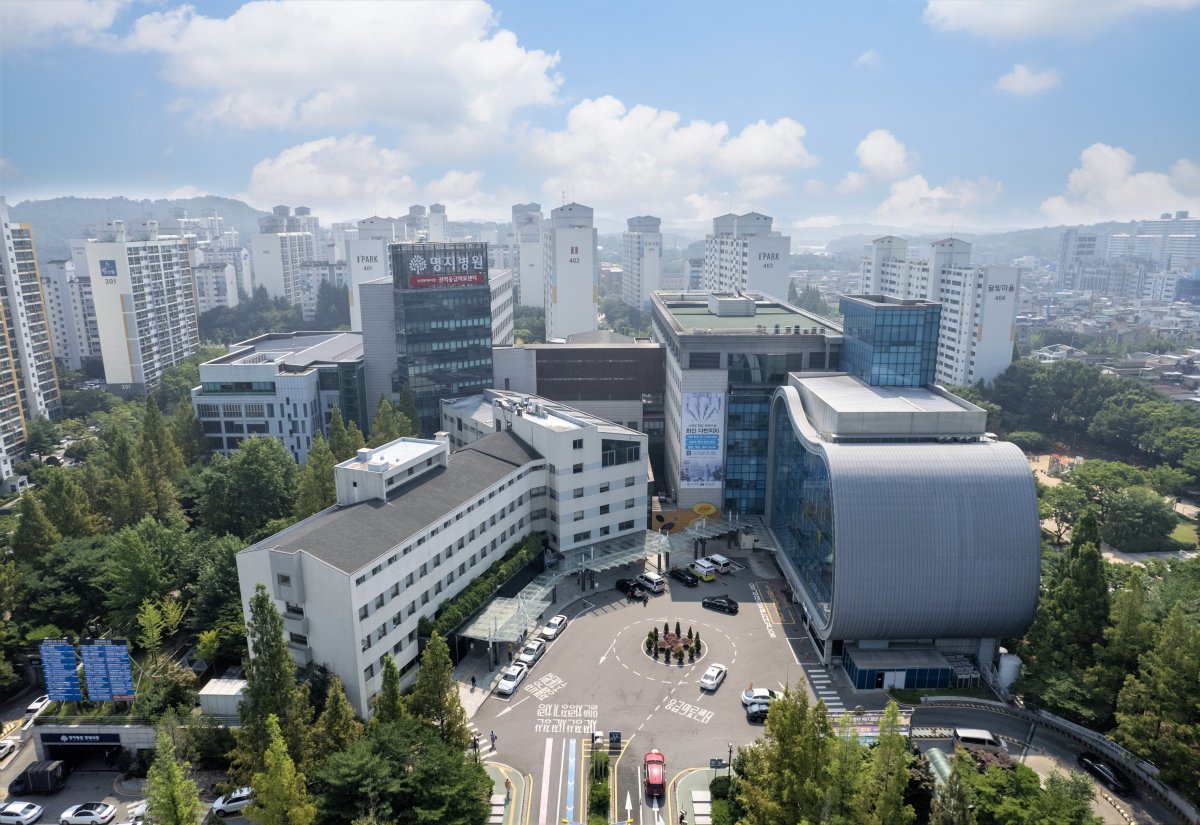

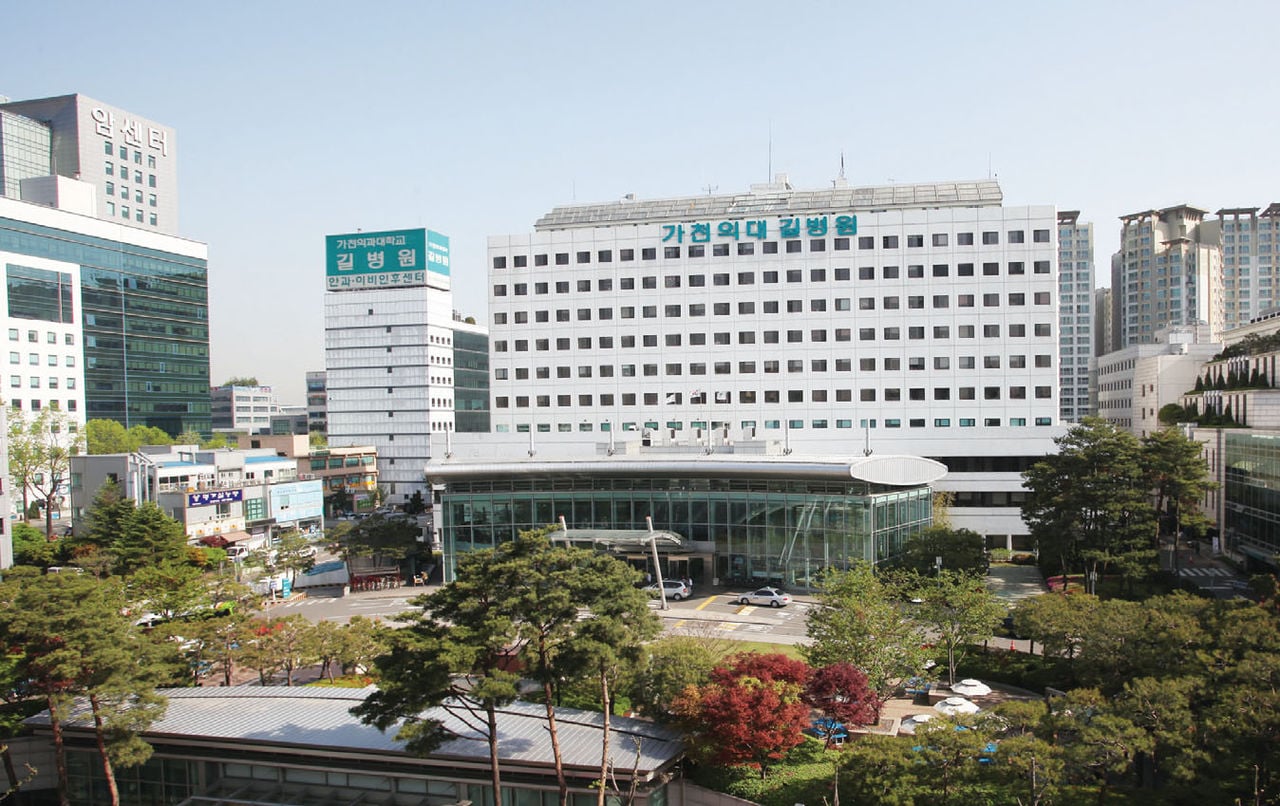
Ewha Womans University Medical Center
Paik Nam-sun









احصل على تقييم طبي لـ في كوريا الجنوبية. استشر الآن 7 أطباء ذوي الخبرة.
عرض جميع الأطباء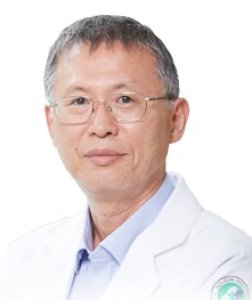
Lee Jihyeon
الدكتور لي جيهيون جرّاح ثدي ودرقية. يمتلك خبرة في أمراض الثدي الحميدة والخبيثة، وجراحة الثدي الأونكوبلاستيكية، وخزعة ماموتوم. كما يعالج أمراض الغدة الدرقية وجارات الدرق، ويمارس العناية المركزة الرئوية (طب العناية الحرجة).
حصل على دكتوراه في الطب (MD) من كلية الطب بجامعة يونسي. أنهى برنامج الامتياز وإقامة الجراحة العامة في مستشفى سيفرانس بجامعة يونسي. كما أتمّ زمالة قصيرة الأمد في مستشفى معهد السرطان التابع لـ JFCR في اليابان.
شملت مناصبه السابقة: رئيس قسم الجراحة في مستشفى إنشيو

Chung Hwan Baek
رئيس قسم جراحة الرأس والرقبة في مركز سامسونج الطبي – الدكتور بايك متخصص في علاجات سرطان الغدة الدرقية.
- طبيب أنف وأذن وحنجرة يتمتع بخبرة واسعة في جراحات الرأس والرقبة
- يقود فريقاً متخصصاً لحالات سرطان الغدة الدرقية
- يعمل في أحد أفضل المراكز الطبية في كوريا الجنوبية

Young Ik Son
أستاذ طب الأنف والأذن والحنجرة – الدكتور سون متخصص في أورام الأنف والأذن والحنجرة في مركز سامسونج الطبي.
- خبير في تشخيص وعلاج سرطان الغدة الدرقية
- يركز على السرطانات المتعلقة بالأنف والأذن والحنجرة
- يعمل في مركز طبي رائد في كوريا الجنوبية
Paik Nam-sun
من بين أفضل 100 جراح لسرطان الثدي والمعدة في العالم – كانت الدكتورة بايك رائدة في جراحات الحفاظ على الثدي في كوريا الجنوبية وتقود مركز السرطان للنساء في جامعة إيهوا النسائية.
- أجرت أول جراحة للحفاظ على الثدي في البلاد عام 1986
- طورت طريقة جراحية خاصة لعلاج سرطان المعدة
- مديرة مركز السرطان بجامعة إيهوا النسائية منذ عام 2011
- رئيسة الجمعية الكورية للوقاية من السرطان
- متخصصة في علاج سرطان الثدي والغدة الدرقية
مواد ذات صلة
عرض المزيد من التفاصيل
أربع مراحل لسرطان الغدة الدرقية. معدل البقاء وطرق العلاج
كتب بواسطة Veronika Kazina

العلاج الفعال لسرطان الغدة الدرقية في جميع مراحله
كتب بواسطة Veronika Kazina

التشخيص المبكر لسرطان الغدة الدرقية. دقة طرق التشخيص
كتب بواسطة Veronika Kazina

أنواع سرطان الغدة الدرقية
كتب بواسطة Veronika Kazina

أعراض سرطان الغدة الدرقية
كتب بواسطة Veronika Kazina
مشاركة المحتوى
قصص فيديو من مرضى Bookimed
 Anna Leonova
أسئلة متكررة حول علاج سرطان الغدة الدرقية في كوريا الجنوبية
ما هي أفضل المستشفيات في كوريا الجنوبية لعلاج سرطان الغدة الدرقية؟
تضم كوريا الجنوبية العديد من الرواد العالميين في رعاية سرطان الغدة الدرقية. يصنف مركز سامسونج الطبي ومركز آسان الطبي ضمن أفضل أربعة مستشفيات للأورام في جميع أنحاء العالم. تستخدم هذه المراكز أنظمة روبوتية متقدمة. تسمح هذه التقنيات بإجراء جراحات بدون ندبات وإزالة دقيقة للأورام داخل مرافق معتمدة من اللجنة الدولية المشتركة (JCI).
- أخصائيو الروبوتات: كان مستشفى جامعة كوريا أنام رائداً في عمليات استئصال الغدة الدرقية الروبوتية عن طريق الفم.
- التركيز الجمالي: يركز مركز جامعة إيهوا النسائية الطبي على الجراحات طفيفة التوغل والخالية من الندبات.
- نجاح عالٍ: يبلغ مركز آسان الطبي عن معدل نجاح يصل إلى 90% لإجراءات الأعضاء المعقدة.
- رائد الابتكار: طور مستشفى جامعة سيول الوطنية أول تقنية روبوتية BABA بدون ندبات في العالم.
رؤية خبير Bookimed: يعد حجم المرضى مؤشراً رئيسياً للجودة في سيول. يخدم مركز سامسونج الطبي ومستشفى سيفيرانس أكثر من 2,000,000 مريض سنوياً. تظهر بياناتنا أن هذه المراكز ذات الحجم الكبير غالباً ما تقدم باقات تشخيصية شاملة. تتضمن هذه الباقات عادةً فحوصات PET/CT وخزعات لتأكيد التشخيص قبل بدء استئصال الغدة الدرقية.
إجماع المرضى: غالباً ما يؤكد المرضى على أهمية النتائج الجمالية. يبحث الكثيرون عن الجراحين الكوريين الجنوبيين خصيصاً لخبرتهم في التقنيات الروبوتية ذات الندبات المخفية عبر الإبط أو الفم.
ما هي خيارات العلاج الرئيسية المتاحة في كوريا الجنوبية؟
توفر كوريا الجنوبية خيارات متقدمة لعلاج سرطان الغدة الدرقية بما في ذلك استئصال الغدة الدرقية الروبوتي والعلاج بحزمة البروتون. تستخدم المراكز المتخصصة نظام دا فينشي الجراحي لإجراء عمليات بدون ندبات. تشمل الرعاية القياسية العلاج باليود المشع وتشريح الرقبة الوقائي. تضمن هذه الطرق معدلات بقاء عالية ونتائج جمالية مثالية.
- الجراحة الروبوتية: تستخدم العيادات أنظمة دا فينشي للوصول عن طريق الفم أو الإبط لتجنب الندبات.
- تقنيات الإشعاع: تشمل البروتوكولات المتقدمة العلاج بحزمة البروتون والعلاج الإشعاعي الموجه بالصور (IGRT).
- جراحة الأورام المتخصصة: يتخصص جراحون مثل الدكتور بايك نام-سون في إجراءات الحفاظ على الثدي والغدة الدرقية.
- التشخيص الرقمي: تستخدم المرافق الذكاء الاصطناعي ونظام BESTcare لتقليل الأخطاء الطبية أثناء تحديد المرحلة.
رؤية خبير Bookimed: كان مستشفى جامعة كوريا أنام رائدًا في أول جراحة غدة درقية عن طريق الفم روبوتية في العالم. هذه الطريقة ثورية لأنها لا تترك أي ندبات خارجية على الرقبة أو الجسم. يجب على المرضى الذين يبحثون عن أعلى المعايير الجمالية إعطاء الأولوية للعيادات التي تتخصص في هذا النهج الروبوتي المحدد.
إجماع المرضى: غالبًا ما ينبهر المرضى بمدى سرعة عودتهم إلى الأنشطة اليومية بعد الإجراءات الروبوتية. يسلط الكثيرون الضوء على أن غياب ندبات الرقبة المرئية يساعد بشكل كبير في تعافيهم العاطفي بعد علاج السرطان.
ما هو معدل نجاح علاج سرطان الغدة الدرقية في كوريا؟
تسجل كوريا الجنوبية معدل بقاء نسبي لمدة 5 سنوات بنسبة 100% لسرطان الغدة الدرقية. هذه النتيجة هي الأعلى المسجلة عالمياً. تحقق أفضل المستشفيات في سيول أو تتجاوز معايير البقاء الوطنية للحالات الموضعية. التقنيات الروبوتية المتقدمة والكشف المبكر من خلال الموجات فوق الصوتية عالية الدقة تدفع هذه النتائج الاستثنائية.
- معدل البقاء: وصل معدل البقاء الوطني لمدة 5 سنوات إلى 100% منذ عام 2016.
- الجراحة المتخصصة: تجري المراكز جراحات فموية روبوتية لتجنب الندبات الكبيرة في الرقبة.
- مراكز ذات حجم كبير: يعالج مركز سامسونج الطبي أكثر من 2,100,000 مريض كل عام.
- الدقة الرقمية: يستخدم مستشفى بوندانغ أنظمة BESTcare لمنع الأخطاء الطبية المحتملة.
رؤية خبير Bookimed: كان مستشفى أنام بجامعة كوريا رائداً في أول جراحة روبوتية للغدة الدرقية عن طريق الفم في العالم. تزيل هذه الطريقة الأورام من خلال الفم بدلاً من الرقبة أو الإبط. تظهر البيانات من مستشفيات مثل SNUH وسامسونج أن أحجام المرضى الكبيرة تسمح بتخصص شديد. غالباً ما يركز الجراحون هنا فقط على حالات أورام الرأس والرقبة المعقدة.
كم من الوقت يجب أن أخطط للبقاء في كوريا الجنوبية لإجراء جراحة الغدة الدرقية؟
يجب على المرضى التخطيط للبقاء في كوريا الجنوبية لمدة 7 إلى 14 يوماً لإجراء جراحة الغدة الدرقية. تستغرق الإقامة في المستشفى عادةً ليلة واحدة إلى ليلتين. يضمن البقاء في البلاد لمدة 10 أيام على الأقل السلامة للرحلات الجوية الطويلة والرعاية اللاحقة المناسبة. قد تتطلب الحالات المعقدة ما يصل إلى 21 يوماً.
- الإقامة في المستشفى: يتم خروج معظم المرضى في غضون 24 إلى 48 ساعة للمراقبة الأولية.
- مرحلة التشخيص: خطط لمدة 3 إلى 5 أيام للفحوصات قبل الجراحة والخزعات وتحديد المرحلة.
- إزالة الغرز: يقوم الجراحون عادةً بإزالة الغرز أو فحص الشقوق الجراحية في اليوم السابع تقريباً.
- سلامة السفر: يوصي الخبراء بالانتظار لمدة 10 أيام قبل السفر جواً لتقليل مخاطر تجلط الدم.
رؤية خبير Bookimed: يقدم مستشفى جامعة كوريا أنام ومركز جاشون الجامعي الطبي جراحة الغدة الدرقية الروبوتية عن طريق الفم. لا تترك هذه الطريقة أي ندبات مرئية من خلال الوصول إلى الغدة الدرقية عبر الفم. غالباً ما يبلغ المرضى الذين يختارون هذا النهج عن أوقات تعافي أسرع. وهذا يسمح بإقامة أقصر لمدة 7 أيام مقارنة بنافذة الـ 14 يوماً للجراحة التقليدية.
إجماع المرضى: يؤكد المرضى أن المساعدة الروبوتية تجعل التعافي أسرع بكثير وأقل إيلاماً. يوصي الكثيرون بحجز فندق في سيول لمدة أسبوعين على الأقل للسماح بظهور نتائج علم الأمراض والاستشارات النهائية.
ما الذي يجب أن أحضره لفترة التعافي بعد جراحة الغدة الدرقية؟
يتضمن التحضير للتعافي من جراحة الغدة الدرقية في كوريا الجنوبية حزم عناصر للتعامل مع التهاب الحلق والعناية بالجرح. تشمل العناصر ذات الأولوية القمصان ذات الأزرار لتجنب إجهاد الرقبة وأدوات رفع الرأس. تساعد هذه المساعدات في تقليل التورم بعد الجراحة وحماية الشقوق الحساسة أثناء عملية الشفاء.
- ملابس بفتحة أمامية: تمنع القمصان ذات الأزرار أو السحابات إجهاد الرقبة عند ارتداء الملابس.
- رفع الرأس: تحافظ الوسائد الإسفينية على زاوية 30-45 درجة لتقليل تورم الرقبة.
- راحة الحلق: تساعد أقراص الاستحلاب والقشات المرنة في إدارة الألم الناجم عن التنبيب الجراحي.
- حماية الندبات: تحمي الأوشحة الناعمة الشق من التعرض لأشعة الشمس لمنع التصبغ الدائم.
رؤية خبير Bookimed: كوريا الجنوبية هي مركز عالمي لجراحة الغدة الدرقية الروبوتية. كانت مراكز مثل مستشفى جامعة كوريا أنام رائدة في إجراء الشقوق عبر الفم. هذه التقنية لا تترك أي ندبة مرئية في الرقبة. إذا اخترت هذه الطريقة، فامنح الأولوية للأطعمة اللينة وغسول الفم المطهر بدلاً من الأوشحة. يفضل العديد من المرضى المستشفيات الموجودة في سيول مثل مركز سامسونج الطبي بسبب حجم عملياتهم المرتفع الذي يبلغ 45,800 عملية سنويًا وأنظمة السجلات الإلكترونية المتقدمة.
إجماع المرضى: يؤكد المرضى على إحضار شاحن هاتف طويل لأن مقابس المستشفى غالبًا ما تكون في أماكن غير مريحة. كما يوصون بحزم مرطب للشفاه لتهدئة الشفاه المتشققة بشدة بعد التخدير.